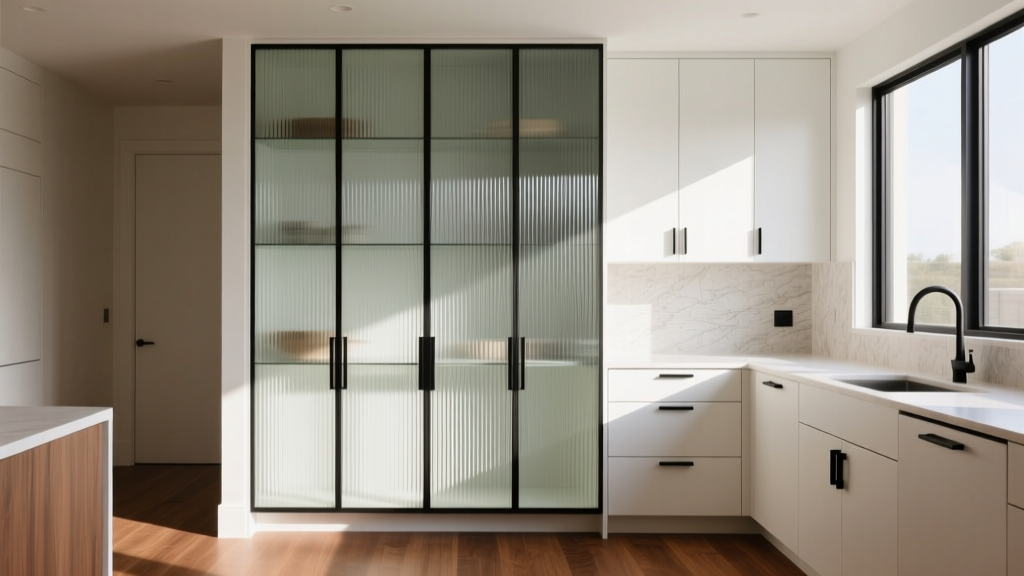
Kitchen Reeded Glass Cabinet Ideas - The Decor Mag
Reeded glass cabinets are having a major moment in kitchen design—and for good reason. They strike a rare balance between beauty and practicality: the textured surface adds depth and a custom feel, while the fluting gently obscures cabinet contents so your kitchen can look styled without requiring showroom-level organization. For homeowners planning a kitchen renovation, reeded glass offers a fresh alternative to flat clear glass and solid doors, bridging the gap between display and storage.
This upgrade also supports the way kitchens are used today. Open shelving fatigue is real: shelves collect dust, require constant editing, and can make a space feel visually busy. Reeded (also called fluted) glass brings the same airy look while protecting items from grease and grime. Whether your style leans modern, transitional, or classic, it’s a detail that layers in texture—one of today’s strongest kitchen trends—without compromising timeless functionality.
What Is Reeded (Fluted) Glass, and Why Use It in Kitchen Cabinets?
Reeded glass is a textured glass with vertical grooves (sometimes horizontal) that refract light and soften visibility. In kitchen cabinet doors, it creates a semi-private display effect—perfect for everyday dishware, glassware, and pantry items that you want close at hand but not fully on view.
Key benefits for kitchen renovation projects
- Visually lighter uppers: Great for small kitchens or kitchens with low ceilings where solid doors can feel heavy.
- Camouflage with character: Hides clutter better than clear glass, while still adding depth and interest.
- Works with many styles: Pairs well with Shaker, slab, inset, and even furniture-style cabinetry.
- Better than open shelving for maintenance: Less dust and less frequent re-styling.
- Boosts lighting: Allows interior cabinet lighting to glow through softly, adding ambiance.
Reeded glass vs. other cabinet glass types
- Clear glass: Crisp and classic, but demands tidy interiors. Best for curated displays.
- Frosted/etched glass: More privacy than clear; tends to read modern and can look flat without lighting.
- Seeded glass: Vintage-inspired bubbles and imperfections; great for farmhouse or cottage kitchens.
- Smoked/tinted glass: Dramatic and sleek; often used in modern kitchens and bar areas.
- Reeded glass: The sweet spot—texture, diffusion, and a tailored look that fits multiple design directions.
Where Reeded Glass Works Best: Smart Placement Ideas
The most successful kitchens treat reeded glass as a feature, not a default for every cabinet. Strategic placement keeps it looking intentional and helps you manage budget.
1) Upper cabinets near the sink or range
Replace one or two door pairs with reeded glass on each side of a focal point (like a range hood). This creates symmetry and a high-end look without overwhelming the wall.
- Best for: Everyday plates, bowls, glassware.
- Practical tip: Avoid placing directly next to a high-splatter cooktop unless you’re diligent with cleaning (more on maintenance below).
2) A dedicated beverage or coffee station
Reeded glass is ideal for a coffee bar cabinet setup: it disguises pods, mugs, and syrups while looking styled. Add interior lighting for a boutique café glow.
- Layout idea: Base cabinets + countertop + reeded glass uppers + a small appliance garage.
- Measurement tip: Plan 18–20 inches of countertop depth; keep upper cabinets 15–18 inches above the counter for comfortable access and appliance clearance.
3) Pantry cabinets and tall utility cabinets
Consider reeded glass on a tall cabinet section—especially near a kitchen entry. It adds interest while keeping pantry goods from being fully visible.
- Best for: Bins, snacks, baking items in uniform canisters.
- Design tip: Use matching containers (glass, ceramic, or acrylic) so silhouettes look cohesive through the glass.
4) Island or peninsula end panels
A lesser-known approach: use reeded glass in a shallow cabinet on the island end for cookbooks, stemware, or serving platters. It’s an unexpected detail that reads custom.
- Measurement tip: A functional shallow depth is 12–15 inches (deeper can intrude on seating clearance).
Design Styles: Reeded Glass Cabinet Ideas That Look Current (and Last)
Modern organic: light woods + warm metals
Pair reeded glass with white oak or ash cabinetry, creamy off-white paint, and brushed brass hardware. This aligns with current kitchen trends emphasizing natural textures and softer contrast.
- Try: Slab doors with thin frames and reeded inserts for a streamlined look.
- Lighting: Warm 2700K LED strips inside cabinets to highlight the fluting.
Transitional: Shaker doors + reeded glass inserts
For homeowners who want a timeless kitchen that still feels updated, Shaker cabinetry with reeded glass is a strong, resale-friendly combination.
- Color ideas: Soft white, greige, muted sage, or deep navy.
- Hardware: Polished nickel or satin brass for a refined finish.
Classic: inset cabinetry + reeded glass for a bespoke feel
Inset cabinets already read high-end; adding reeded glass elevates them further. This works beautifully with traditional trim details and stone countertops.
- Detail: Consider a thin mullion or minimal frame so the glass texture stays the star.
Contemporary: dark cabinetry + smoked reeded glass
If you love moody kitchens, choose charcoal or black cabinets with tinted reeded glass and integrated lighting. The result feels sophisticated—especially in bar zones or tall pantry walls.
- Pair with: Waterfall quartz, matte black faucets, and simple pulls.
Materials and Construction: Getting the Details Right
Glass thickness and safety
For cabinet doors, ask for tempered reeded glass where possible. It’s stronger and safer than standard annealed glass, especially in high-use kitchens.
- Typical thickness: 1/8 inch (3 mm) to 3/16 inch (5 mm).
- Tempered glass cost: usually adds $20–$60 per panel depending on size and local fabrication.
Door frame options
- Wood frames: Most common; can be painted or stained. Great for Shaker and transitional kitchens.
- Aluminum frames: Sleeker, more modern; often paired with tinted glass.
- Mullions vs. single pane: Single panes look cleaner; mullions add traditional character but can be harder to clean.
Reeded glass orientation
Vertical reeding is the classic choice and makes cabinets feel taller. Horizontal reeding can look more contemporary and can visually widen a tight wall run.
- Practical tip: Keep orientation consistent on a cabinet bank to avoid visual clutter.
Lighting and Organization: Make Reeded Glass Look Intentional
Reeded glass looks best when the interior is planned. You don’t need perfection, but you do need a repeatable system.
Interior cabinet lighting recommendations
- LED strip lighting: Best for even glow; place along the top inside edge or side panels.
- Puck lights: Good for highlighting specific shelves, but can create hotspots.
- Color temperature: 2700K for warm ambiance; 3000K for a clean, modern warmth.
- Control: Door-activated sensors or smart dimmers help manage glare at night.
Organization that reads well through textured glass
- Use matching sets: Stackable bowls, uniform glasses, coordinated dishware.
- Limit packaging: Decant pantry items into canisters; silhouettes look calmer through reeded glass.
- Leave breathing room: Aim for 10–20% open space per shelf so the cabinet doesn’t look crowded.
- Add shelf liners: Clear, wipeable liners help protect shelves and simplify cleaning.
Cost Ranges and Budget Considerations
Costs vary based on cabinet brand, glass type, door construction, and whether you’re retrofitting existing cabinets or ordering new.
Budget-friendly: retrofit existing cabinet doors
- Replace glass only: $40–$150 per panel (glass + basic labor), depending on size and whether tempered glass is used.
- Modify doors for glass inserts: $150–$400 per door if a carpenter must route openings, add stops, and finish paint touch-ups.
- Best for: Homeowners who like their current layout and cabinet boxes but want a style update.
Mid-range: new semi-custom doors with reeded glass
- Typical uplift: $200–$600 per door over a standard solid door, depending on frame detail and glass specification.
- Best for: Partial kitchen remodels, cabinet refacing projects, or new uppers paired with existing lowers.
Higher-end: custom cabinetry with integrated lighting
- Custom cabinet doors + premium glass + lighting: reeded glass sections can add $2,000–$8,000+ to a full kitchen cabinetry package, depending on the number of doors and lighting controls.
- Best for: Full kitchen renovations where cabinetry is a focal investment.
Where to spend vs. save
- Spend on: tempered glass, soft-close hinges, and lighting (these improve daily use).
- Save on: limiting reeded glass to feature zones (2–6 doors often looks more upscale than 12+ doors everywhere).
Common Mistakes to Avoid
- Using reeded glass on every upper cabinet: The kitchen can feel visually busy, and costs rise quickly. Feature it strategically.
- Skipping interior planning: Even though reeded glass blurs details, chaotic shelves still read messy. Use matching dishware and containers.
- Choosing the wrong texture scale: Very tight reeding can look “stripy” from a distance; overly deep grooves can collect grime. Ask for a sample and view it in your kitchen lighting.
- Placing reeded glass too close to heavy grease zones: Near high-output ranges, the grooves can trap residue. Use a strong range hood and clean regularly.
- Forgetting about door swing and lighting glare: Interior lights should be dimmable; door swings should not block key work zones.
- Mismatched hardware and style: Highly ornate pulls can fight the modern texture. Keep hardware aligned with your overall kitchen design style.
Maintenance and Cleaning Tips (So It Stays Beautiful)
Reeded glass is not difficult to maintain, but the grooves require a slightly different approach than flat glass.
- Weekly wipe-down: Use a microfiber cloth with a gentle glass cleaner or a 50/50 mix of water and white vinegar.
- For grooves: Use a soft detailing brush (or clean makeup brush) to get into channels, then wipe with microfiber.
- Avoid: abrasive pads and harsh degreasers that can damage surrounding painted frames.
- Near the cooktop: Wipe more often to prevent oils from settling in the texture.
- Fingerprints: If fingerprints are a concern, consider a slightly more opaque reeded pattern or tinted reeded glass, which disguises smudges.
Actionable Next Steps: How to Plan Reeded Glass Cabinets in Your Kitchen
- Choose placement first: Mark which doors will be reeded glass (start with 2–6 doors in a focal area).
- Pick your level of privacy: Bring home samples and test them with your dishware behind the glass.
- Decide on lighting: Add LED strips or puck lights and select 2700K–3000K bulbs for a flattering glow.
- Confirm specs: Request tempered glass, confirm thickness, and verify orientation (vertical vs. horizontal).
- Plan shelf styling: Use matching sets and containers; keep some negative space for a calm look.
- Get quotes: Compare retrofit vs. new doors vs. custom cabinetry to find the best value for your renovation budget.
FAQ: Kitchen Reeded Glass Cabinet Questions
Are reeded glass kitchen cabinets still in style?
Yes. Texture-forward details are a strong current kitchen trend, and reeded glass has staying power because it’s functional, not just decorative. It works across modern organic, transitional, and classic kitchens.
Does reeded glass hide clutter?
It softens visibility significantly compared to clear glass, but it doesn’t fully hide shapes. You’ll still want basic organization—matching dishware and tidy shelves make the biggest difference.
Is tempered glass necessary for cabinet doors?
It’s not always required by code for cabinet doors, but it’s a smart upgrade for safety and durability, especially in busy family kitchens.
How many reeded glass doors should I use?
For most kitchens, 2–6 doors is a sweet spot. Use them near a focal point (range, sink, beverage zone) to create a custom look without overwhelming the space.
What cabinet colors look best with reeded glass?
Reeded glass pairs well with warm whites, greige, sage, navy, charcoal, and natural wood tones like white oak. Choose based on your countertop and backsplash so the palette feels cohesive.
Is reeded glass hard to clean?
It takes slightly more effort than flat glass because of the grooves, but a microfiber cloth and a soft brush make it manageable. Regular light cleaning prevents buildup and keeps it looking crisp.
Reeded glass cabinets are one of those rare upgrades that make a kitchen feel brighter, more layered, and more intentional—without sacrificing storage. If you’re renovating, start small with a feature bank of uppers, add warm interior lighting, and organize with repeatable systems that look good through textured glass.
For more practical kitchen renovation inspiration, organization strategies, and cabinet design ideas, explore the latest guides and trends on thedecormag.com.
More Articles
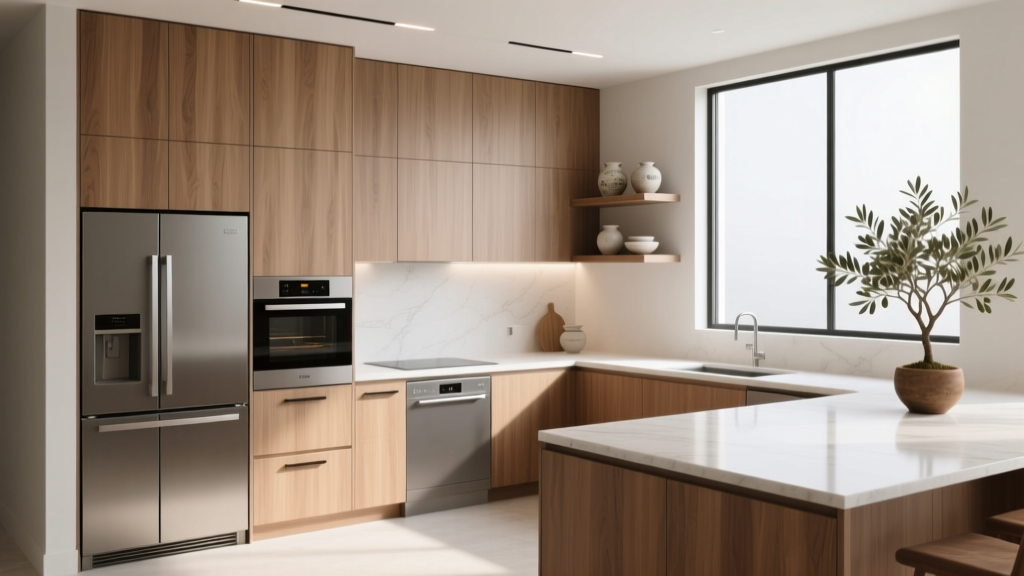 Kitchen Integrated Look Appliance Paneling - The Decor Mag
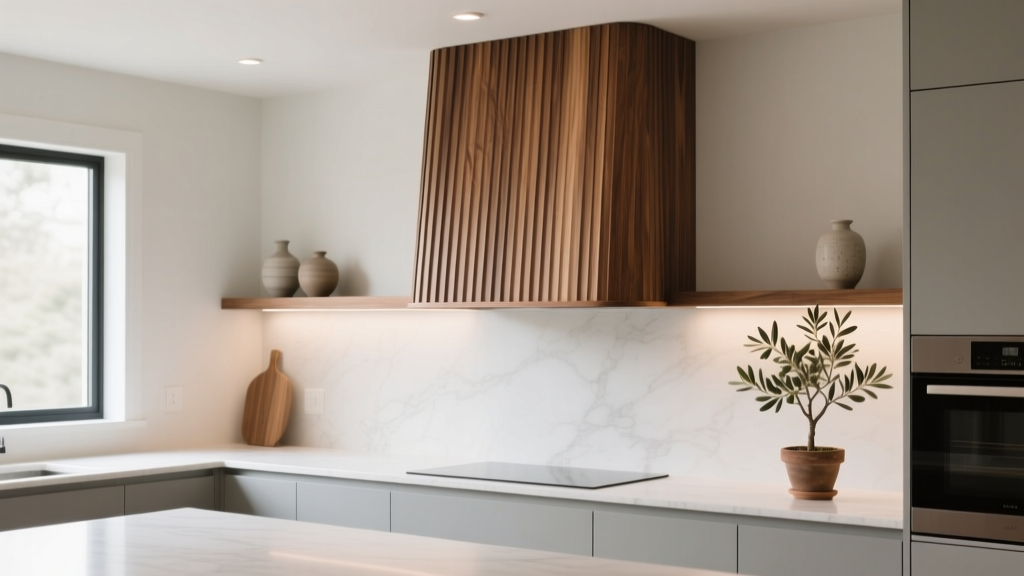 Kitchen Fluted Wood Range Hood Cover - The Decor Mag
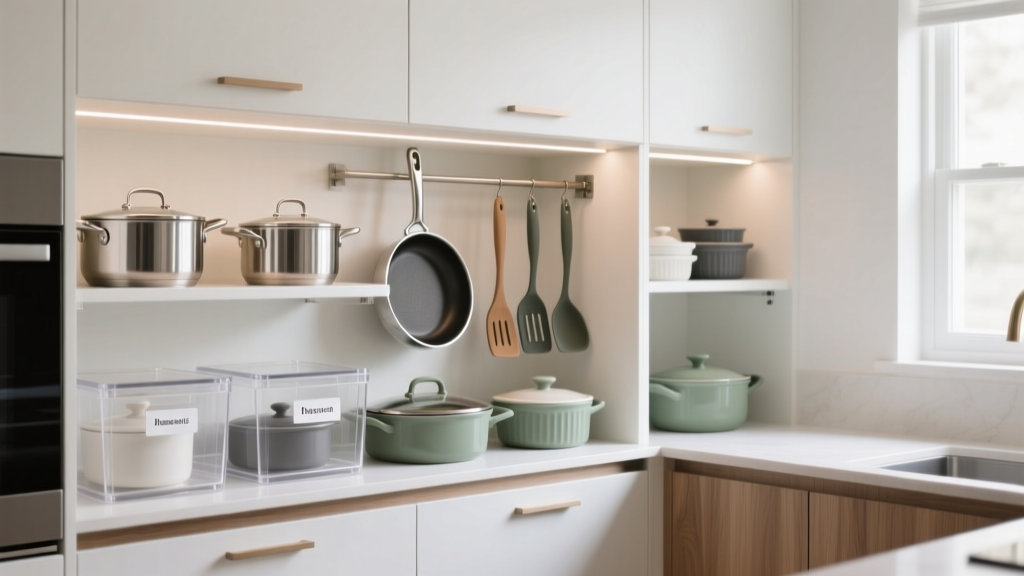 Best Kitchen Cookware Organization: Cabinet Solutions (2026)
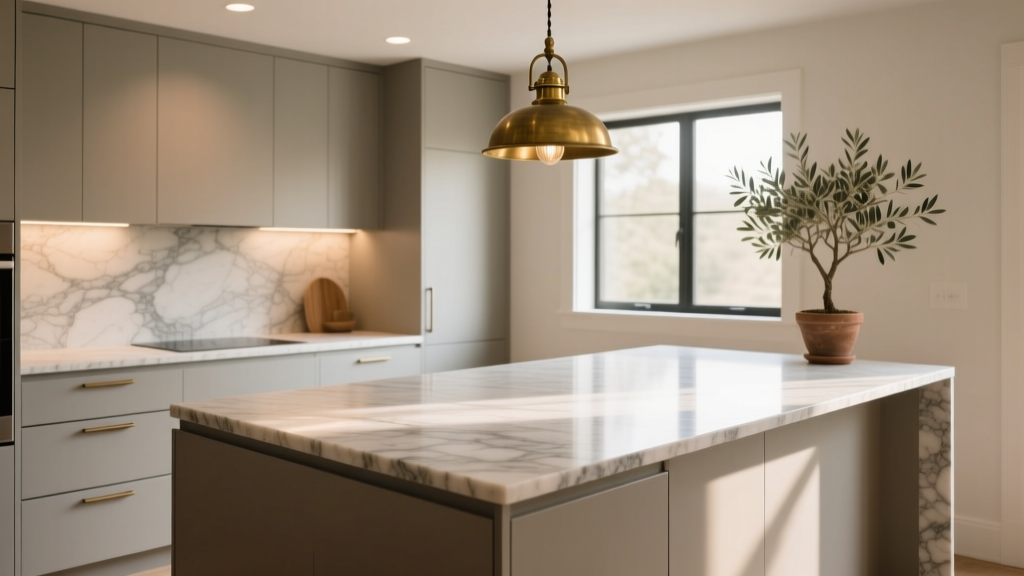 Kitchen Honed Finish Countertop Appeal - The Decor Mag
 The Practical Kitchens Kitchen Design & Buying Guide: Space, Function, and Real-World Value
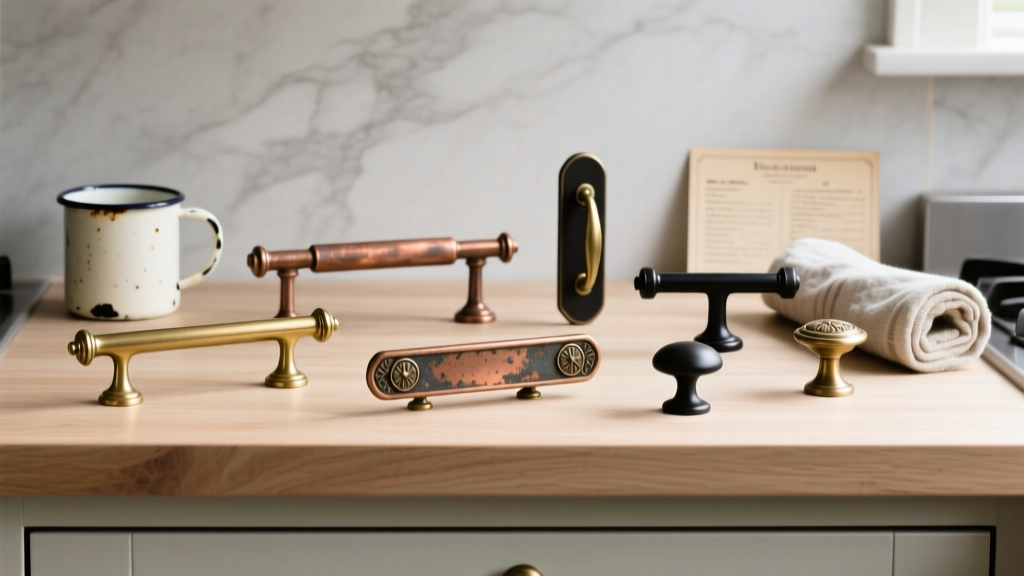 Kitchen Vintage Inspired Hardware Guide - The Decor Mag
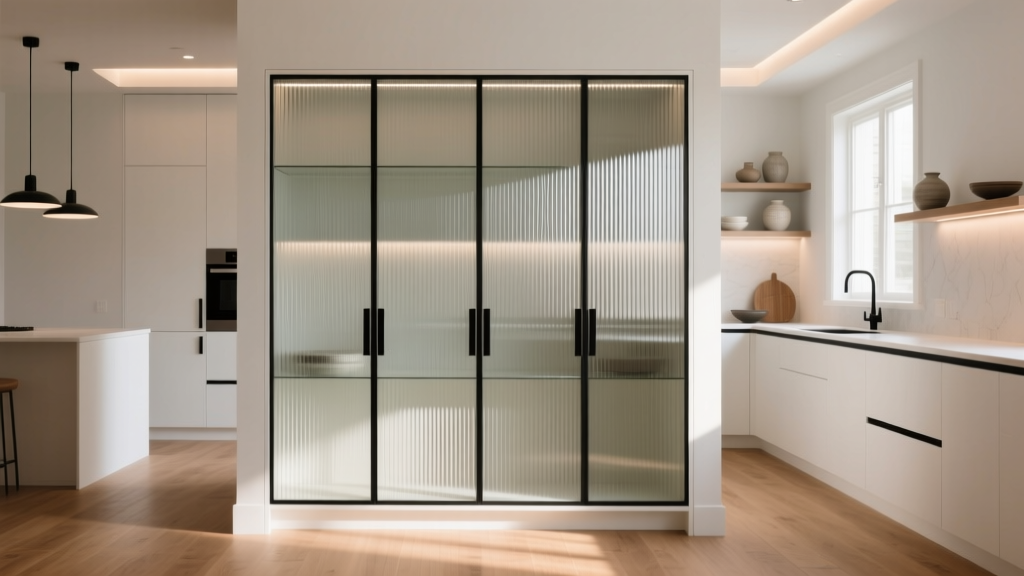 Kitchen Ribbed Glass Front Cabinet Trend - The Decor Mag
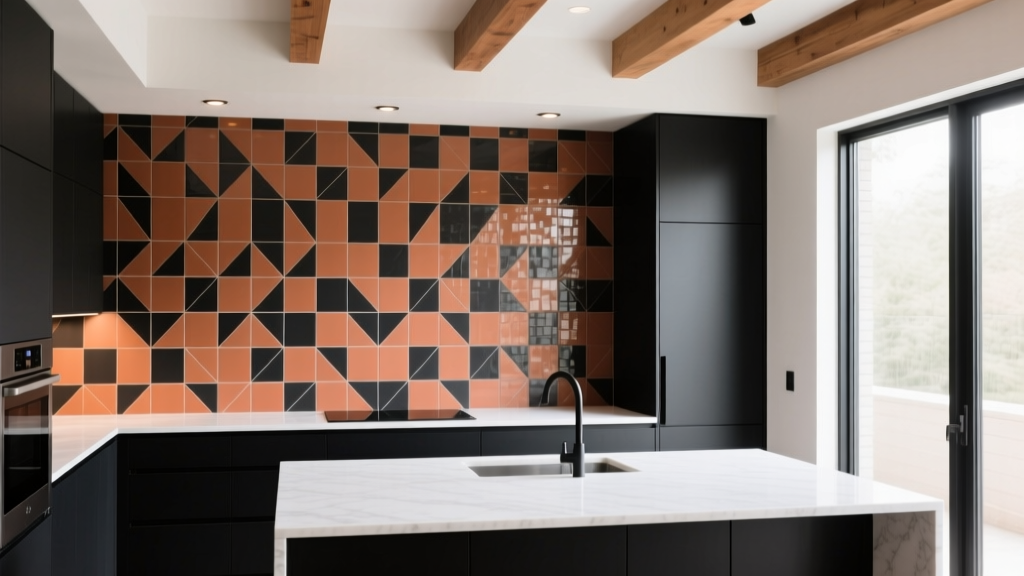 Kitchen Backsplash Ideas That Stand Out - The Decor Mag
 Statement Kitchen Lighting Design (2026)
 Kitchen Style & Function: Design Tips (2026)