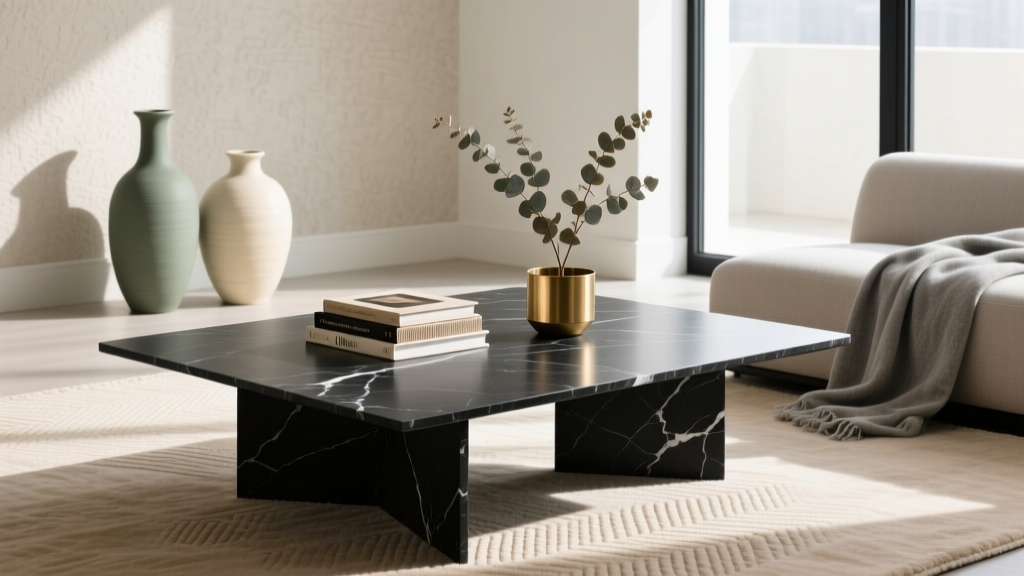
How to Style a Coffee Table Like a Designer - The Decor Mag
Your coffee table sits at the center of your living room—both literally and visually. It’s where you set down your drink, stack a book you’re halfway through, toss the remote, and (if we’re being honest) temporarily park the mail. Because it’s so central to daily life, it’s also one of the fastest ways to make a living room look polished… or a little chaotic.
The good news: a designer-worthy coffee table doesn’t require a huge budget or a perfectly staged home. It comes down to a few principles—scale, balance, texture, and practical function—plus some smart styling shortcuts that work whether you live in a small apartment or a spacious family room.
In this guide, you’ll learn exactly how to style a coffee table like a designer: what to put on it, how to group items, measurements to follow, materials that hold up to real life, and how to adjust the look for your style—from modern living room decor to cozy, layered spaces.
Start With the Basics: Size, Clearance, and Function
Designer measurements that make the whole room feel better
- Distance from sofa to coffee table: Aim for 14–18 inches. This keeps it close enough to use, but not so close that knees hit.
- Coffee table height: Ideally 1–2 inches lower than your sofa seat height (or roughly equal). Most coffee tables land around 16–18 inches tall.
- Walkway clearance: Leave 24–30 inches for primary walk paths around the table.
- Styling “negative space”: Keep about 30–40% of the tabletop clear so it feels intentional, not crowded.
Ask one question before you decorate
How do you actually use the table?
- Entertain often: Prioritize a tray for easy clearing and coasters that look good on display.
- Kids/pets: Choose soft edges, wipeable surfaces, and avoid fragile objects.
- Small living room: Use fewer, taller items and consider a table with storage (shelf, drawers, or nesting tables).
- WFH spillover: Style with a lidded box to hide chargers and sticky notes in seconds.
The Designer Formula: The “3-Part” Coffee Table Styling Method
Most designers rely on a simple structure: something to anchor, something sculptural, and something organic. That combination reads curated in nearly any living room design style.
1) Anchor the arrangement with a tray (or a stack of books)
A tray creates a boundary so items look grouped rather than scattered. It also makes tidying easy—lift and move in one step.
- Best tray size: Around 1/2 to 2/3 the width of the coffee table. Example: for a 48-inch table, a 20–28 inch tray often feels right.
- Tray materials that look high-end: wood, leather-wrapped, antiqued brass, lacquer, stone, rattan.
- Budget ranges:
- Under $30: basic wood or acrylic trays
- $30–$80: rattan, matte metal, larger sizes
- $80–$200+: leather, stone, designer finishes
If you don’t want a tray, use a book stack as the anchor. Choose 2–3 oversized coffee table books with cohesive tones (neutrals, black-and-white, or one accent color that matches your living room decor).
2) Add a sculptural object for height and focus
This is your “moment”—an item that draws the eye and makes the styling feel designed.
- Ceramic vase
- Small table lamp (great for cozy living rooms)
- Stone or wood sculpture
- Candlestick(s) in brass or matte black
- Architectural object (knot sculpture, stacked spheres, modern totem)
Height tip: Aim for one piece that’s roughly 8–14 inches tall on most tables. If your ceilings are high or the room feels large, you can go taller—just keep sightlines clear if you’re facing the TV.
3) Bring in something organic (and a touch of life)
Organic elements soften hard lines and add warmth—especially helpful in modern living room decor where there’s lots of metal, glass, or clean silhouettes.
- Fresh flowers (even a simple grocery bouquet trimmed short)
- Dried stems for longevity
- A small plant (pothos cuttings in water look chic and low effort)
- A bowl of citrus or seasonal fruit (functional and colorful)
- Wood beads or a natural stone bowl
Step-by-Step: Style Any Coffee Table in 10 Minutes
- Clear everything off. Start with a blank slate (yes, even the remote).
- Choose your anchor. Place a tray slightly off-center, or build a 2–3 book stack.
- Add height. Place a vase, sculptural piece, or candlestick near the back of the tray (or on one side of the books).
- Add a low piece. A bowl, small box, or candle balances the height and prevents a “skyscraper” look.
- Include something personal. A small framed photo, travel find, or meaningful object makes it feel like home.
- Finish with something organic. Flowers, greenery, or a natural element adds softness.
- Make it livable. Add coasters and designate a spot for the remote (a lidded box or a slim tray compartment works well).
Quick layout shortcut: If you’re stuck, use a triangle composition—one tall item, one medium, one low—so the eye moves naturally around the arrangement.
Design Trends That Work (and Why They Feel Timeless)
Warm minimalism
Clean styling, fewer objects, and high-quality materials—think a stone tray, one sculptural vase, and a small stack of books. Works beautifully for a modern living room with neutral furniture.
Mixed materials and “quiet luxury”
Layer wood + stone + metal + glass. This creates depth without needing bright color. Try a walnut tray, a travertine bowl, and a brass accent.
Organic modern
Curved shapes, natural textures, and earthy tones. Add a rounded ceramic vase, linen-bound books, and a rattan tray.
Vintage accents
One antique-feeling piece (a brass box, a vintage candleholder, a weathered wood bowl) adds character. The key is editing—one or two vintage items is usually enough to feel intentional rather than cluttered.
Product Picks Designers Reach For (By Material and Budget)
Trays
- Budget: Mango wood tray, matte black metal tray, acrylic tray (great for small spaces because it feels visually light).
- Mid-range: Woven rattan tray, lacquer tray in a neutral shade, brass-toned tray.
- Investment: Leather-wrapped tray, marble or travertine tray (use felt pads to protect the tabletop).
Books and book-like styling
- What works best: Oversized books with strong spines and cohesive colors.
- Budget option: Look for hardcovers at thrift stores or library sales; remove dust jackets for a cleaner palette.
Candles and scent
- For a clean look: One large candle in a glass or ceramic vessel.
- For layering: Pair a candle with a wick trimmer or match striker (contained in the tray so it looks curated).
- Budget range: $10–$25 for a nice basic candle; $30–$80 for premium scents and elevated vessels.
Bowls and boxes (the secret to “tidy but lived-in”)
- Best use: Corral remotes, coasters, and small items.
- Materials: stone, ceramic, wood, woven lidded boxes, or metal with a soft matte finish.
- Budget range: $15–$50 for most decorative bowls; $25–$100 for a quality lidded box.
Real-World Styling Scenarios (So You Can Copy/Paste the Look)
Scenario 1: Small apartment living room with a compact coffee table
Goal: Keep it airy, functional, and not crowded.
- One 12–16 inch round tray (or skip the tray and use one book stack)
- 1 small vase with simple stems (keep it 8–10 inches tall)
- 1 candle (low profile)
- Coasters that double as decor (stone or cork)
Tip: Choose one “hero” item and keep everything else minimal. In small spaces, less reads more luxurious.
Scenario 2: Family-friendly living room with kids and pets
Goal: Durable, safe, and easy to reset.
- A sturdy tray with raised edges (wood or melamine that looks like ceramic)
- A lidded box for remotes and small toys
- A low, wide vase (harder to tip than a tall narrow one)
- Faux stems or dried stems (less mess than fresh flowers)
Tip: If your table is upholstered or ottoman-style, use a rigid tray large enough to hold drinks securely.
Scenario 3: Open-concept space where the coffee table is visible from everywhere
Goal: 360-degree styling that looks good from all angles.
- Center a larger tray and keep items balanced on all sides
- Use a sculptural piece that looks attractive from the back (avoid frames facing one direction)
- Add two smaller groupings (one on each side of the tray) if the table is large
Tip: Repeat a finish found elsewhere—like brass from your lighting or black from your hardware—to make the living room decor feel cohesive.
How to Style Different Coffee Table Shapes
Rectangular coffee tables
- Try two groupings: one tray + one book stack, or two trays.
- Leave a clear “landing strip” for drinks—especially if you host.
Round coffee tables
- A round tray looks seamless; keep objects varied in height.
- Use odd numbers (3 or 5 items) to avoid a too-symmetrical look.
Square coffee tables
- Quadrant method: style two adjacent corners and leave the other two more open.
- Or center a larger tray and keep everything inside it for a clean, modern living room look.
Glass coffee tables
- Keep items slightly heavier visually (stone bowl, wood tray) so the table doesn’t feel insubstantial.
- Limit small clutter; glass makes visual mess more obvious.
Common Coffee Table Styling Mistakes (and Simple Fixes)
- Mistake: Too many small items.
Fix: Swap several small decor pieces for one larger tray and one larger bowl. - Mistake: Everything is the same height.
Fix: Add one taller piece (8–14 inches) and one low, wide piece to balance it. - Mistake: No practical items.
Fix: Add coasters and a discreet remote solution (lidded box, divided tray). - Mistake: Perfectly centered, overly symmetrical styling that feels stiff.
Fix: Shift the tray slightly off-center and let one object “break” the symmetry. - Mistake: Ignoring the rest of the living room design.
Fix: Repeat a color or material found elsewhere (throw pillows, curtains, rug, lighting) so the coffee table decor connects to the room. - Mistake: Fragile decor in a high-traffic space.
Fix: Choose sturdy ceramics, woven textures, and low arrangements. Keep delicate pieces for shelves or side tables.
FAQ: Coffee Table Styling Questions Answered
How many items should be on a coffee table?
For most living rooms, 5–9 items total is a sweet spot when they’re grouped (for example: 1 tray + 3 items inside it + 2 books + 1 bowl). Fewer items can look luxe and modern; more items can work if they’re contained and cohesive.
Should I use a tray on my coffee table?
If you want the easiest route to a designer look, yes. A tray instantly makes styling feel organized and helps your living room decor look intentional—even when life gets messy.
What should I put on a coffee table for a modern living room?
Stick to clean shapes and a tight palette: a matte tray (black, white, or wood), one sculptural vase, a candle in a simple vessel, and 1–2 curated books. Add one organic element (stems or a stone bowl) to keep it from feeling cold.
How do I style a coffee table when I have a TV in the room?
Keep taller objects lower than your seated sightline. Use wider, lower decor—like a bowl, a short vase, or a low candle—and place anything taller slightly off to the side so it doesn’t block the view.
What are the best coffee table materials for everyday use?
Best for durability: sealed wood, quartz/stone composites, metal, and performance finishes. Glass looks great but shows fingerprints; marble is beautiful but can stain or etch unless sealed and carefully maintained.
How can I make my coffee table decor look expensive on a budget?
Go bigger with fewer pieces. A single substantial tray, a large candle, and a textured vase often look more high-end than many small trinkets. Thrifted hardcovers, vintage brass, and simple ceramics are budget-friendly upgrades that elevate living room styling fast.
Wrap-Up: Your Next Steps for a Designer-Looking Coffee Table
To get a coffee table that looks styled (not staged), start with the right clearances, choose an anchor like a tray or book stack, then layer height, texture, and one organic element. Keep a little negative space so the table still works for real life—and add one personal piece so it feels like your home, not a showroom.
If you want a quick refresh today, try this: pick one tray, add a vase or sculptural object, include a candle or bowl, and finish with coasters. Ten minutes, instant payoff.
For more living room ideas, coffee table decor inspiration, and designer-approved living room design tips, explore the latest guides on thedecormag.com.
More Articles
 Best Lighting Fixtures for Living Rooms - The Decor Mag
 Living Room Mirror Placement and Styling - The Decor Mag
 How to Create a Cozy Winter Living Room - The Decor Mag
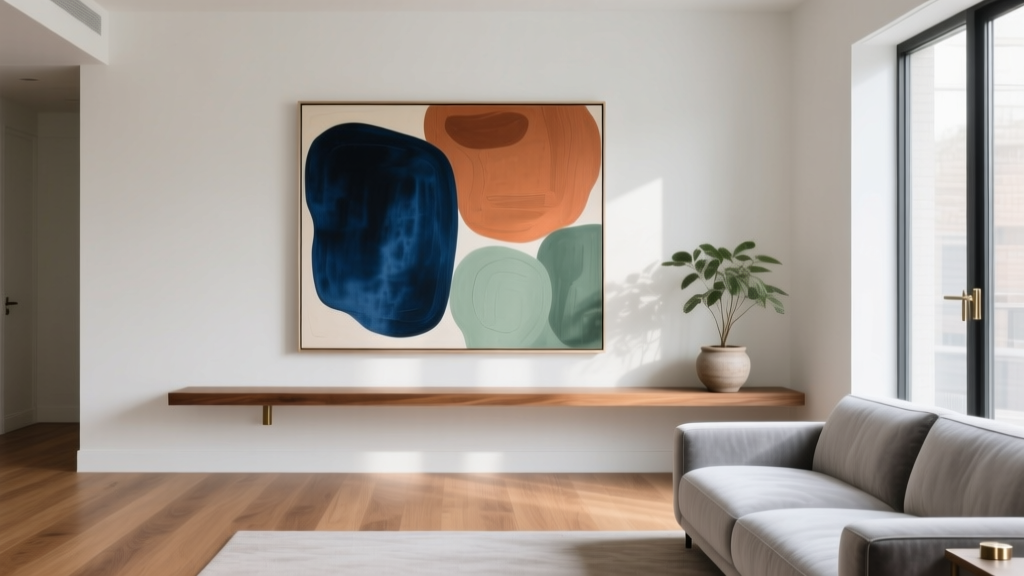 Living Room Color Scheme from Art (2026)
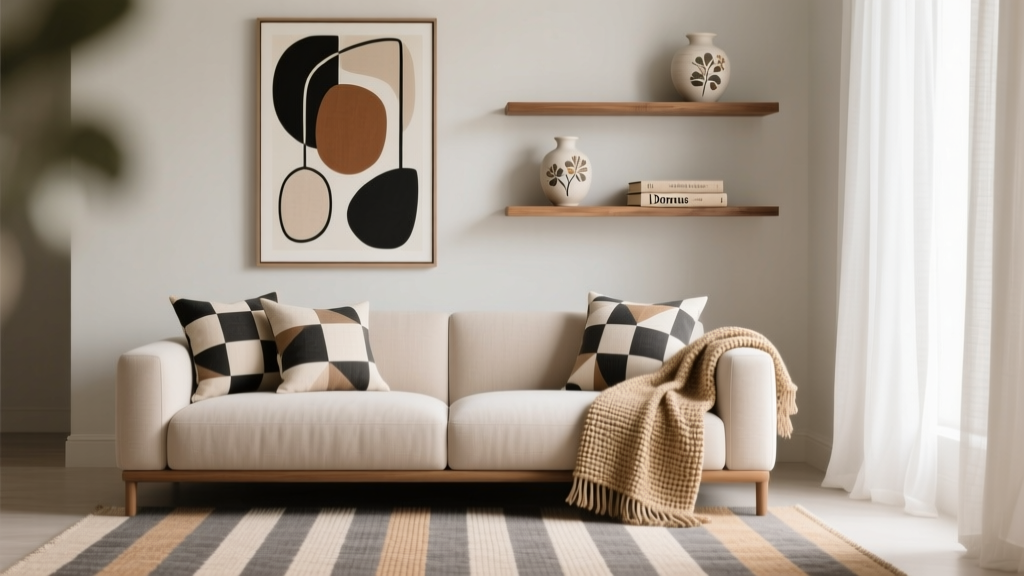 How to Mix Patterns in Living Room Decor - The Decor Mag
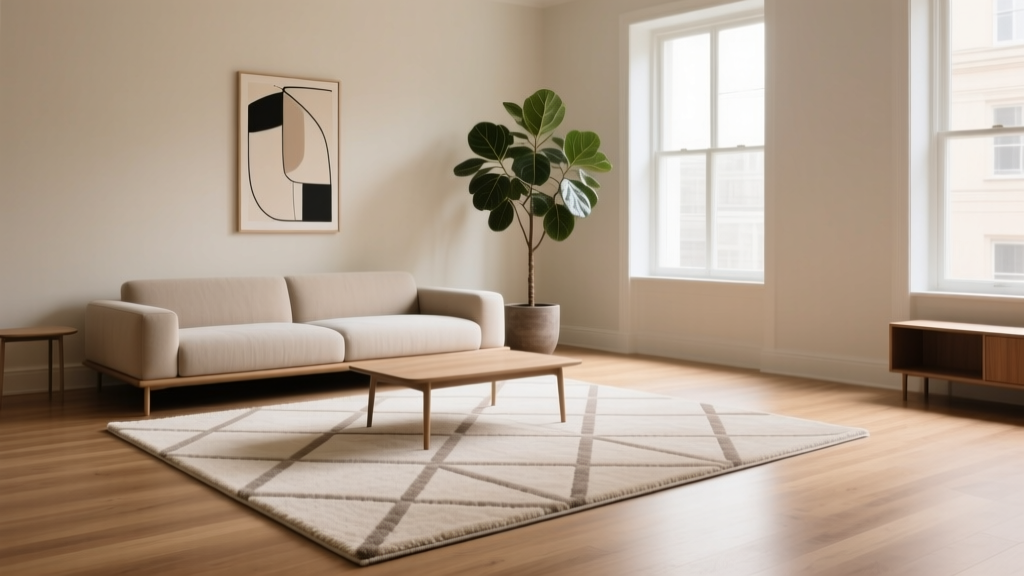 The Living Room Rug Size Guide: Stop Guessing, Start Styling
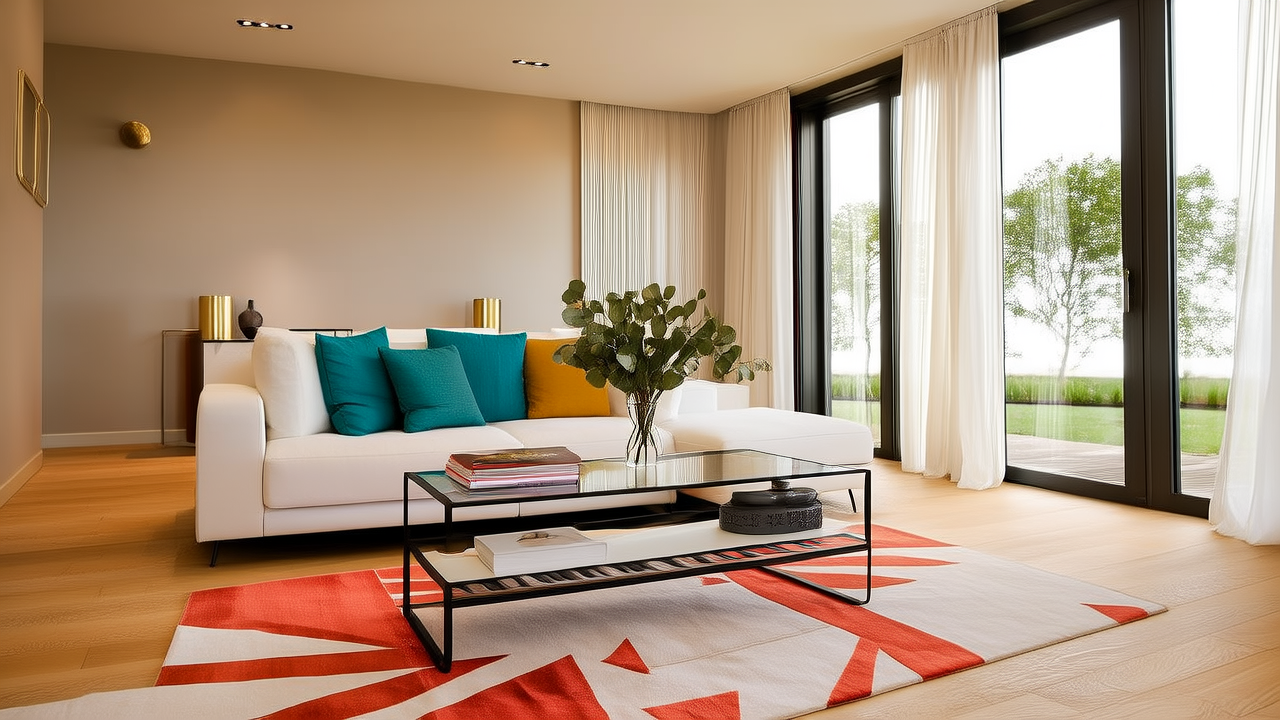 Pet-Proof Sofa Choices for Stylish Homes
 Transitional Living Room Design Guide - The Decor Mag
 Paint Safety Tips for Health & Environment in 2026
 Living Room Transitional Furniture Guide - The Decor Mag