# Summer Entertaining: How to Style Your Living Room for Indoor-Outdoor Flow
When summer arrives, the best living rooms become bridges between inside and out. Creating seamless indoor-outdoor flow isn't just about opening a sliding door—it's about intentional design choices that make your living space feel like an extension of your patio, garden, or deck.
## The Psychology of Indoor-Outdoor Living
Research shows that homes with strong visual connections to nature reduce stress and increase wellbeing. In summer, when daylight stretches well into the evening, your living room has a unique opportunity to borrow from the outdoors. The goal is to create a space where guests naturally drift between inside and outside without feeling like they've crossed a boundary.
## 1. Extend Your Color Palette Outside
The easiest way to create visual continuity is through color. Take the dominant colors from your living room—say, warm terracotta and sage green—and echo them in outdoor cushions, planters, or even painted fence panels.
**Practical steps:**
- Choose 2-3 core colors from your living room palette
- Repeat these colors in outdoor textiles within 2-3 shades
- Use natural materials (wood, stone, rattan) both inside and out to create textural harmony
## 2. Furniture Placement That Invites Flow
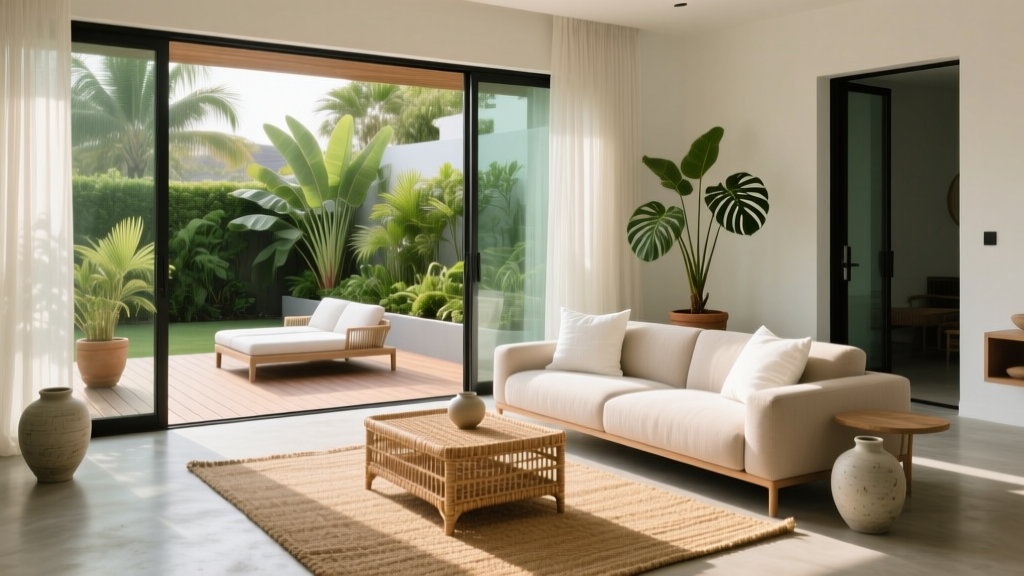
How you arrange furniture inside directly impacts how people move outside. Avoid placing large sofas with their backs to the garden door—that creates a visual barrier. Instead, angle seating toward the outdoor view or use low-profile furniture that doesn't block sightlines.
**Key principles:**
- Keep the path to the door clear and at least 36 inches wide
- Place a console table or narrow shelf perpendicular to the door to "frame" the view
- Consider a daybed or chaise near the door as a transitional piece
## 3. Layer Lighting for the Long Summer Evening
Summer entertaining often stretches past sunset. Layer your lighting so the transition from natural daylight to evening ambiance feels intentional, not abrupt.
**Lighting layers to consider:**
- **Ambient**: Dimmable overhead lights or recessed fixtures
- **Task**: Floor lamps near reading corners or card game areas
- **Accent**: LED strip lighting under shelves or behind the TV
- **Outdoor spill**: Make sure outdoor lighting is warm (2700K) to match indoor tones
## 4. Treat Your Door as a Feature, Not an Afterthought
Sliding glass doors and French doors are often the weakest link in a room's design. Upgrade them with floor-to-ceiling curtains in a light, breezy fabric that can be pulled back completely, a decorative door handle or hardware upgrade, and privacy film with a subtle pattern if you need screening without blocking light.
## 5. Create "Rooms" in Your Outdoor Space
Just as your living room has defined zones (seating area, reading nook, media corner), your outdoor area should too. A dining set on the patio, a lounge cluster on the lawn, and a fire pit area each serve a purpose—mirroring the functional zones inside.
## 6. The Threshold Matters More Than You Think
The physical transition between inside and outside—the threshold—is where indoor-outdoor flow lives or dies. Consider matching or complementary flooring materials, a low or zero-step transition if possible, and a substantial doormat that works for both directions.
## Budget-Friendly Upgrades Under $200
1. Outdoor-rated curtains ($40-80)
2. Matching planter set in your accent color ($60-120)
3. Solar-powered path lights ($30-50)
4. Weather-resistant throw pillows in indoor colors ($25 each)
5. A large outdoor rug that echoes your indoor rug's pattern ($80-150)
Creating indoor-outdoor flow is one of the highest-impact changes you can make for summer entertaining. It doesn't require a renovation—just thoughtful alignment of color, furniture placement, and lighting between the two spaces.
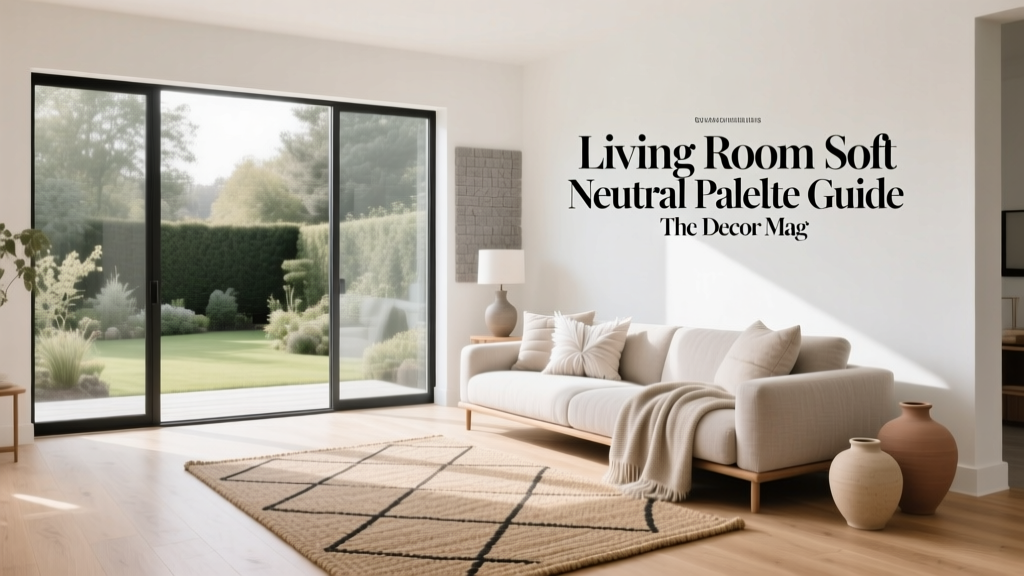 Living Room Soft Neutral Palette Guide - The Decor Mag
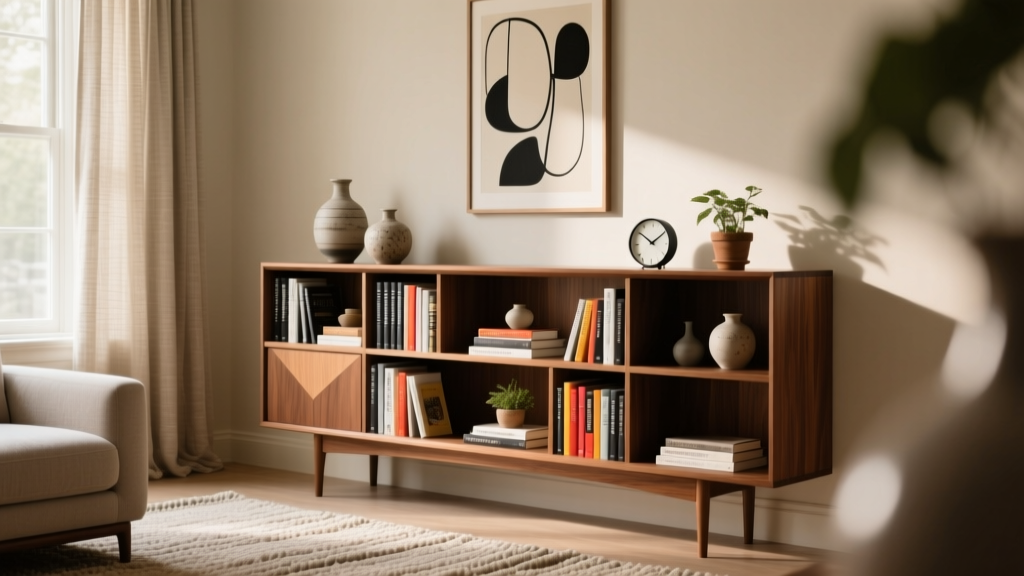 How to Style Bookshelves in Your Living Room - The Decor Mag
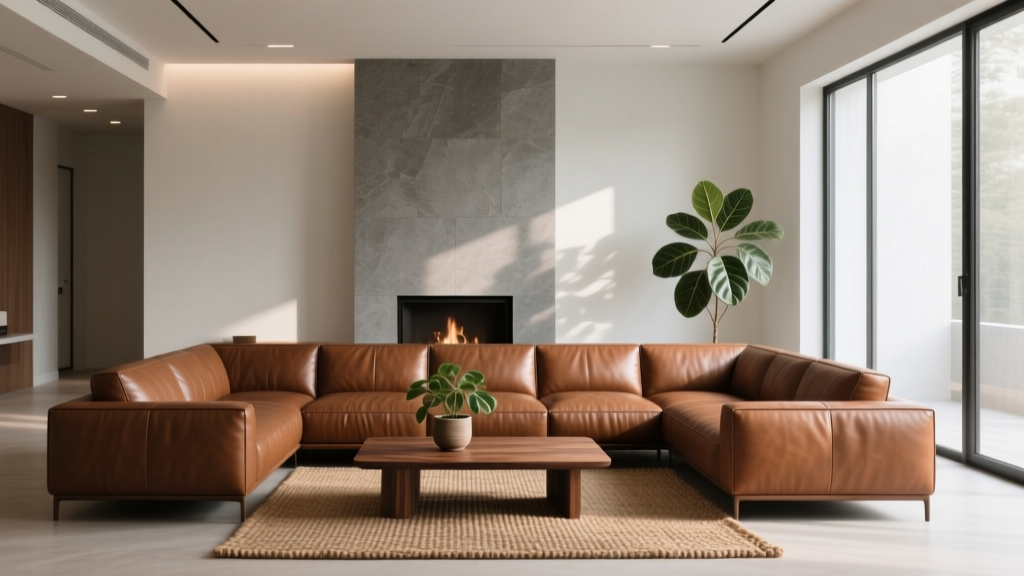 Leather Furniture for Living Rooms (2026)
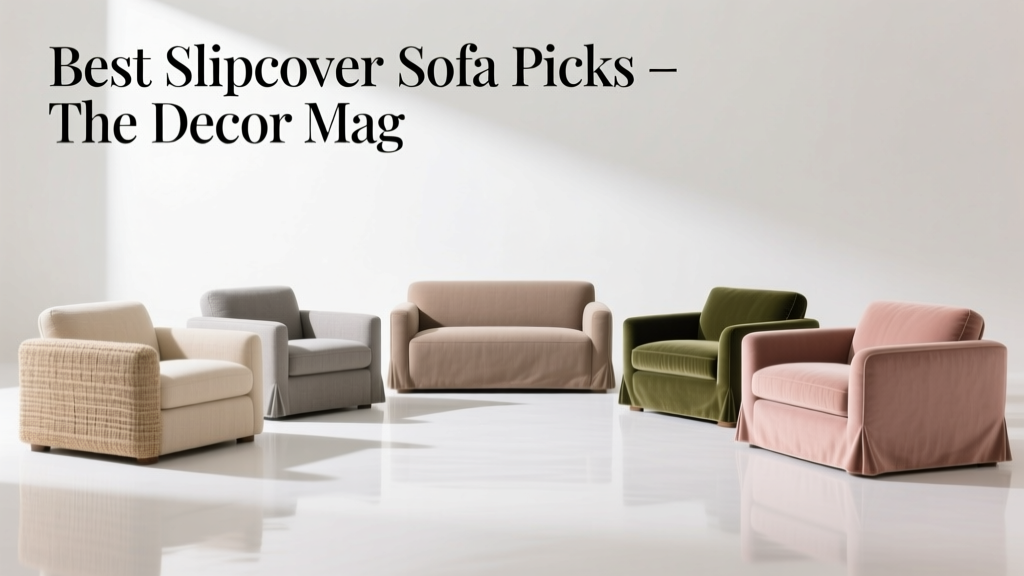 Best Slipcover Sofa Picks - The Decor Mag
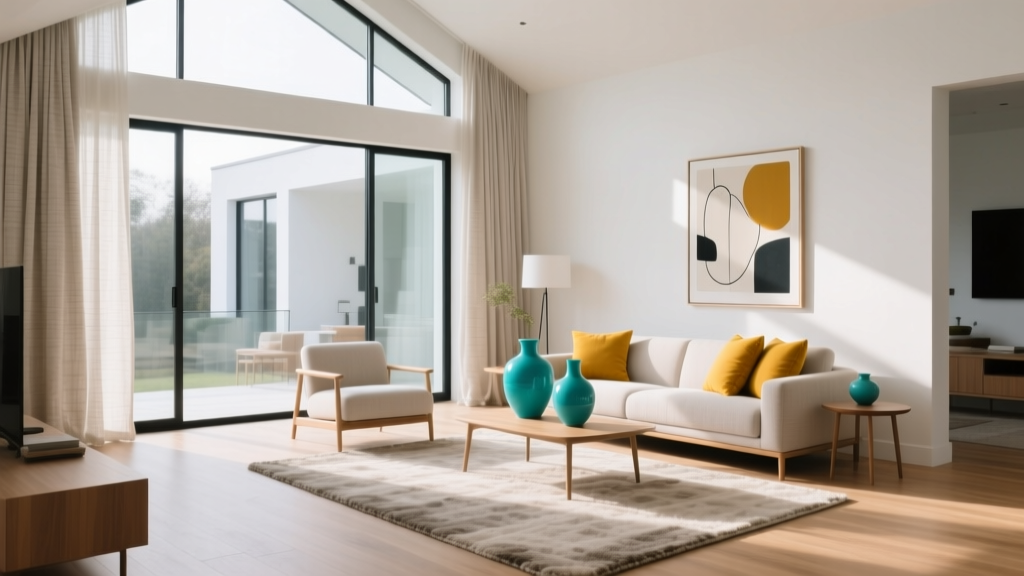 Family Living Room Layouts for Movie Night
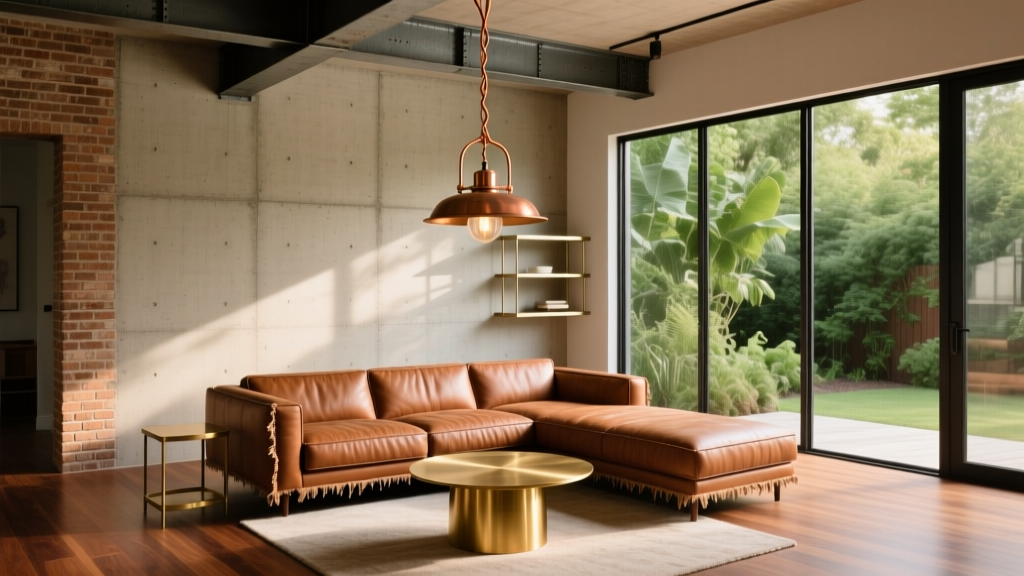 Living Room Warm Industrial Design - The Decor Mag
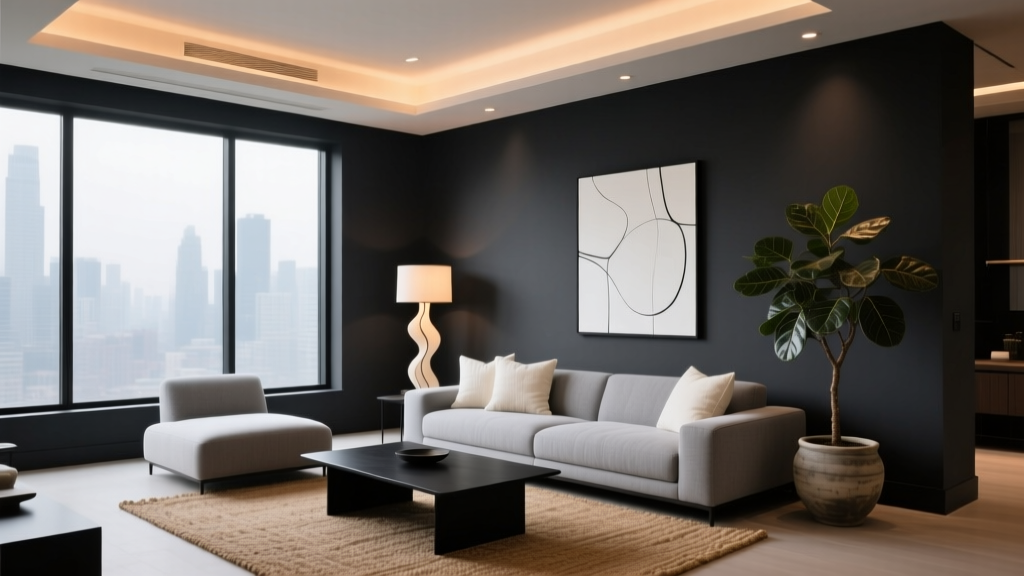 How to Style a Living Room with Dark Walls - The Decor Mag
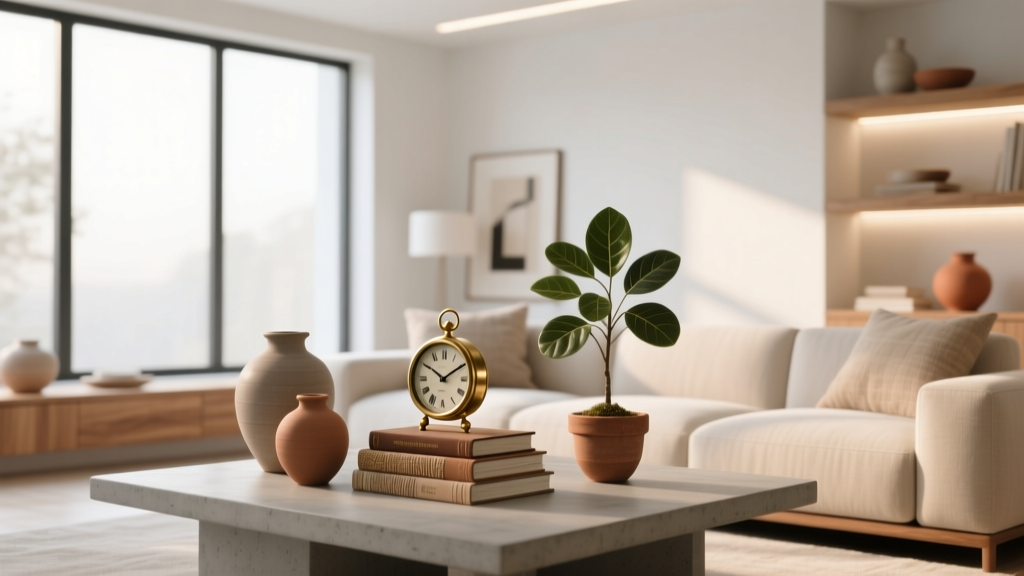 Living Room Curated Collections Display - The Decor Mag
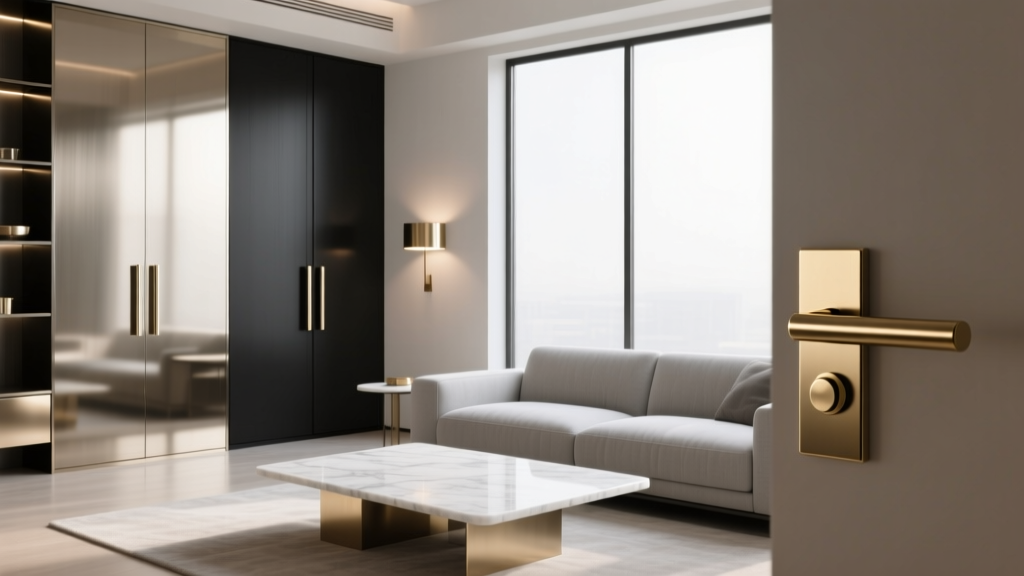 Mix Metal Finishes in Living Room Hardware (2026)
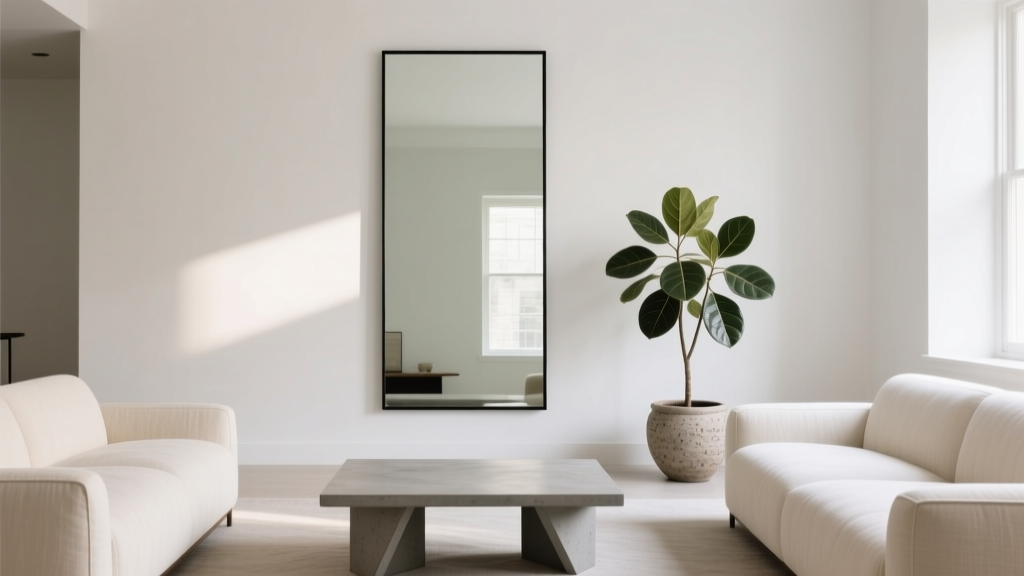 Living Room Mirror Placement and Styling - The Decor Mag