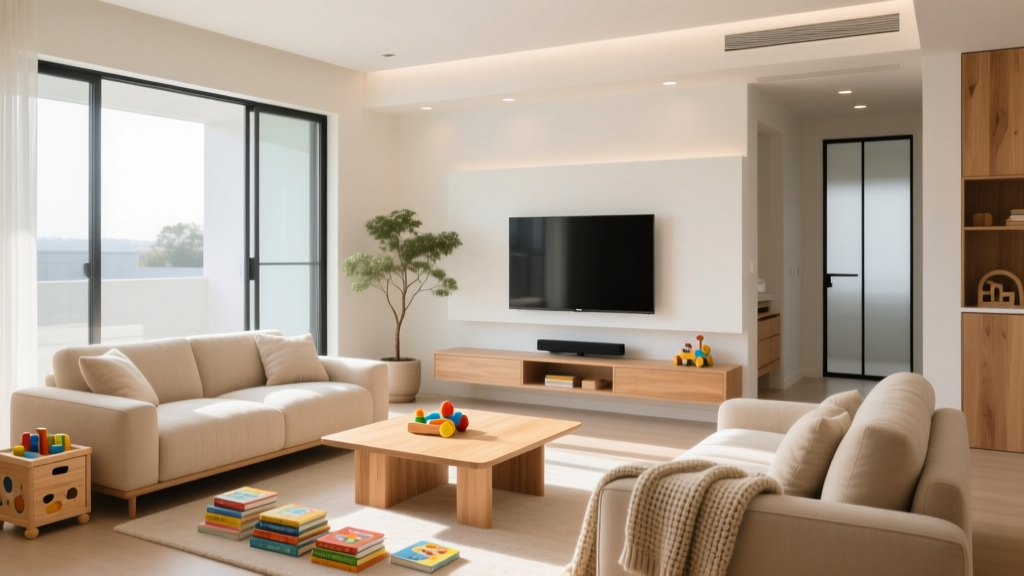
Family-Friendly Living Room Ideas - The Decor Mag
A living room has to do a lot of heavy lifting—movie nights, homework sessions, toy storage, entertaining friends, and that rare quiet cup of coffee. When you have kids (or pets, or frequent visitors), the “pretty but precious” living room stops working fast. A family-friendly space isn’t about sacrificing style; it’s about designing for real life and making the room easier to live in every day.
This guide shares family-friendly living room ideas that balance comfort, durability, and great design. You’ll learn how to choose the right fabrics and finishes, plan a layout that supports play and relaxing, add smart storage, and build a timeless look that still feels current with today’s living room design trends.
Whether you rent a small apartment or own a sprawling home, you’ll find practical steps, specific measurements, budget ranges, and real-world examples to help you create a kid-friendly living room that still feels elevated.
Start With Function: What Your Family Actually Does Here
The best family living rooms start with a quick reality check. Before shopping for a sectional or rearranging furniture, define what the space needs to handle on a typical week.
Make a simple “room job” list
- Everyday lounging: reading, TV time, naps
- Play zone: building blocks, crafts, board games
- Entertaining: friends, relatives, birthdays
- Work/homework: laptop time, studying
- Storage: toys, books, blankets, tech
Quick planning measurements that make the room feel easy
- Main walkway clearance: 36 inches (minimum); 42 inches feels roomy in busy homes
- Space from coffee table to sofa: 14–18 inches for comfortable reach and safe passing
- Rug sizing: aim for all front legs of seating on the rug; in most rooms, that’s 8' x 10' or 9' x 12'
- TV viewing distance: roughly 1.5–2.5x the TV’s diagonal size (a 55" TV often looks best 7–11 feet away)
Real-life scenario: If your evenings are a mix of kids building forts and adults watching TV, prioritize a clear floor zone (at least 5' x 7') and choose a rug that can handle spills. Style comes after the room works.
Choose Durable, Cleanable Materials (Without the “Playroom” Look)
The secret to a family-friendly living room is selecting materials that forgive daily life: sticky fingers, muddy paws, juice spills, and the occasional marker incident.
Best upholstery fabrics for families
- Performance fabric (solution-dyed acrylic, performance polyester, treated blends): designed to resist stains and clean easily. Great for sofas and sectionals.
- Crypton / similar treated textiles: strong choice for high-traffic living room seating.
- Leather (top-grain or semi-aniline): wipes clean; develops patina. Avoid very delicate aniline in chaotic homes.
- Slipcovered cotton-linen blends: beautiful and washable when done right; look for pre-shrunk, machine-washable covers.
Practical specs to look for when shopping
- Rub count (Martindale/Wyzenbeek): aim for 30,000+ double rubs for family seating
- Removable cushion covers: a huge quality-of-life upgrade
- Seat depth: 21–24" suits most adults; deeper (24–26") is great for lounging but consider back pillows for shorter family members
Kid-friendly coffee table and side table materials
- Wood with a matte or satin finish: hides fingerprints and micro-scratches better than high-gloss
- Stone-look quartz composite: more stain-resistant than porous marble
- Upholstered ottomans: soft edges + doubles as extra seating
- Rounded corners: safer and visually softer in a family living room layout
Budget guidance: Expect a quality family sofa in performance fabric to run $1,200–$3,500 (more for custom). Washable slipcover sofas often start around $1,500. A durable wool-blend or performance rug typically ranges $250–$1,200 depending on size.
Layout Ideas That Encourage Connection (and Reduce Clutter)
A kid-friendly living room layout should feel intuitive: easy to move through, easy to tidy, and comfortable for everyone.
Layout formula #1: “Conversation + TV” without chaos
- Anchor seating on a properly sized rug (usually 8' x 10' or larger).
- Float the sofa if needed to create a clear walkway behind it (36–42").
- Use a storage ottoman instead of a hard-edged coffee table.
- Add one accent chair with a small round side table to prevent traffic bottlenecks.
Layout formula #2: Small living room with kids
- Choose an apartment sofa (72–84") or a compact sectional with a chaise.
- Swap bulky end tables for wall-mounted shelves or narrow drink tables (8–10" diameter).
- Use nesting tables for flexibility during playtime.
- Create a “toy parking zone” with two lidded baskets that slide under a console.
Real-life scenario: In a 12' x 14' rental living room, a 84" sofa + two nesting tables + a 8' x 10' rug can leave enough open floor for play while still looking like a grown-up space.
Storage That Looks Stylish: The Key to a Tidy Family Living Room
If you want a living room that stays calm, build in storage that’s attractive enough to keep out in the open. Current living room decor trends lean toward “warm minimalism,” which works beautifully for families: fewer items on display, more hidden storage, and cozy textures.
High-impact storage upgrades
- Closed media console (60–80" wide): hides toys, games, and tech. Look for cord management and soft-close doors.
- Large lidded baskets (18–22" tall): quick-clean “scoop and stash” for stuffed animals and blankets.
- Bookcase with lower cabinets: display up top, hide the mess below.
- Storage ottoman: blankets, controllers, and board games disappear instantly.
Simple zone system (works for both homeowners and renters)
- Adult zone: one tray on the coffee table/ottoman for remotes + coasters.
- Kid zone: two bins only (one for “today toys,” one for books/games).
- Shared zone: one shelf for puzzles, family photo books, or game night items.
Tip: Keep toy storage at or below 30" high so kids can participate in cleanup without climbing.
Family-Friendly Color Palettes That Hide Wear and Tear
All-white living rooms photograph beautifully, but a family space benefits from softer contrast and more forgiving tones. The goal: a timeless base with enough depth to mask scuffs, crumbs, and daily life.
Go-to palettes for a warm, durable look
- Greige + warm white + black accents: classic, rental-friendly, and easy to refresh.
- Sage + cream + light oak: calming and on-trend, especially with natural textures.
- Navy + camel + off-white: sophisticated and highly practical for upholstery.
- Terracotta + sand + walnut: a modern organic look with cozy depth.
Paint finish recommendations (kid-proofing for walls)
- Eggshell or satin: easier to wipe than matte; great for living room walls
- Washable matte: a good compromise if you love a flat look (check brand specs)
- Semi-gloss: best for trim in high-traffic areas
Real-life scenario: If your kids love to lean on walls while watching TV, choose a deeper neutral (like warm greige) in an eggshell finish—scuffs are less obvious and cleanup is easier.
Rugs That Can Handle Real Life
A rug is the soft landing pad for play and a major style anchor. For family rooms, prioritize durability and cleaning before choosing an intricate pattern.
Best rug materials for a family living room
- Wool: naturally resilient and soil-resistant; great long-term value
- Wool blends: more budget-friendly, still durable
- Performance polypropylene: easy to clean and budget-friendly; excellent for spills
- Washable rugs: helpful for pets and toddlers (check thickness and pad compatibility)
Pattern tips that disguise mess
- Choose low-to-medium contrast patterns (vintage-inspired, subtle geometrics)
- Avoid solid light beige if your household includes snacks and crafts
- Pick a rug with at least 3 colors to camouflage everyday crumbs and lint
Pro measurement tip: In most living rooms, a rug that’s too small makes the space feel messy. When in doubt, size up. An 8' x 10' rug is often the minimum for a standard seating arrangement.
Lighting That’s Cozy, Safe, and Flexible
Family-friendly lighting is all about layers. You want bright light for cleaning and homework, but warm, soft light for winding down.
A simple 3-layer lighting plan
- Ambient: ceiling fixture or recessed lighting (2700K–3000K for warm light)
- Task: floor lamp by the sofa, reading lamp near a chair
- Accent: table lamp on a console, picture light, or plug-in sconces (renter-friendly)
Family safety details
- Choose heavy-base floor lamps that won’t tip easily
- Use cord covers or route cords behind furniture
- Consider dimmable bulbs or smart bulbs to transition from playtime to bedtime
Trend-Forward, Timeless Decor: Make It Look Like a “Real” Living Room
Today’s living room design trends lean into comfort: curved silhouettes, textured neutrals, warm wood tones, and layered natural materials. These trends are also surprisingly family-friendly when you pick the right versions.
On-trend elements that work for families
- Curved coffee tables and rounded-edge furniture: softer, safer, and visually current
- Textured pillows and throws: hides wear better than flat weaves
- Large-scale art: one big piece feels calmer than many small frames
- Natural wood + matte black accents: timeless foundation that hides fingerprints
Easy styling formula (5 minutes, zero fuss)
- Put remotes in a small lidded box or basket.
- Add one tray with coasters (even on an ottoman).
- Use 2 pillows per sofa corner (choose washable covers).
- Keep one throw folded for texture and warmth.
- Limit decor on surfaces to 3–5 items total.
Step-by-Step: A Family-Friendly Living Room Refresh (Weekend Plan)
- Declutter and measure (1–2 hours): map your walkways (36–42"), confirm rug size, and decide what must be stored.
- Upgrade the “workhorse” pieces first:
- Performance rug or washable rug
- Durable sofa upholstery or slipcovers
- Storage ottoman or closed console
- Create two storage drop zones (30 minutes): baskets for toys + a bin for blankets.
- Swap in safer shapes (optional): round side tables, soft-edge ottoman, corner guards if needed.
- Layer lighting (1 hour): add a floor lamp and a table lamp with warm bulbs.
- Finish with washable textiles: pillow covers and throws you can toss in the wash.
Budget ranges for a refresh:
- Budget-friendly ($200–$800): washable rug, baskets, pillow covers, lighting upgrades
- Mid-range ($800–$2,500): rug + storage console + upgraded seating textiles
- Investment ($2,500–$8,000+): new sectional in performance fabric, built-ins, premium rug
Common Mistakes to Avoid in a Family Living Room
- Buying a rug that’s too small: it makes the room feel disconnected and harder to keep tidy.
- Choosing high-gloss finishes everywhere: they show fingerprints and scratches instantly.
- All open shelving: it looks cluttered quickly; balance open display with closed storage.
- Ignoring traffic flow: tight paths lead to bumped furniture and constant frustration—keep 36–42" walkways.
- Too many tiny decor items: they become obstacles during cleanup; go bigger and fewer.
- Skipping a rug pad: a quality pad improves comfort, reduces slipping, and protects floors.
FAQ: Family-Friendly Living Room Design
What is the best sofa material for a kid-friendly living room?
Performance fabrics (including treated textiles and solution-dyed fibers) are top picks because they’re designed for stain resistance and easy cleaning. Leather is also very practical if you choose a durable grade and don’t mind natural patina over time.
How do I make my living room look stylish with toys around?
Use a simple storage system: two attractive baskets for daily toys, closed storage in a media console, and a rule that surfaces stay mostly clear. Fewer, larger decor pieces (like one big artwork) help the room look intentional.
What rug size should I get for a family living room?
Most living rooms do best with an 8' x 10' rug at minimum, and many spaces need a 9' x 12'. The key is ensuring the front legs of your sofa and chairs sit on the rug so the seating zone feels anchored.
How can renters create a family-friendly living room without renovations?
Focus on movable upgrades: washable rugs, plug-in wall sconces, a closed storage console, slipcovered seating, and peel-and-stick hooks for organizing. You can also use a bookcase with baskets to mimic built-in storage.
What’s a good coffee table alternative for families with toddlers?
A large upholstered ottoman is a favorite: soft edges, extra seating, and hidden storage. If you prefer a table, look for rounded corners and a matte finish that hides wear.
How do I keep the living room from feeling like a playroom?
Choose a grown-up color palette (greige, navy, sage, warm woods), keep toy storage neutral, and limit visible toys to a curated selection. Let textiles and art carry the style, while storage quietly does the hard work.
Next Steps: Build a Living Room That Works for Everyone
Pick one priority for this week—better storage, a more durable rug, or a layout that clears the walkway—and make that change first. Family-friendly living room design is a series of small, smart upgrades that add up to a space that feels calmer, looks better, and supports your everyday routines.
If you’re ready for more inspiration, browse more living room ideas, layouts, and decor trends on thedecormag.com.
More Articles
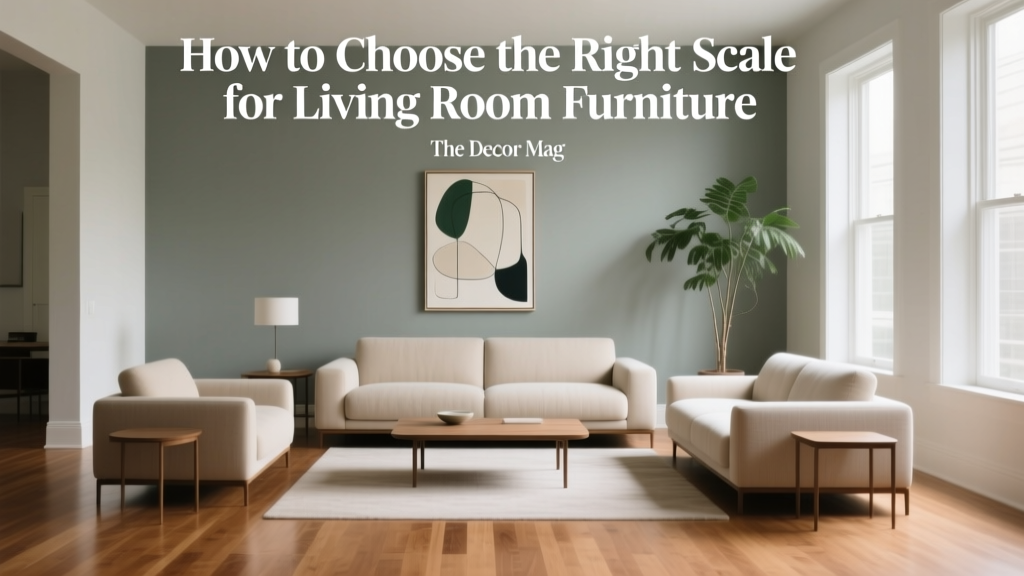 Living Room Furniture Scale: How to Choose Right (2026)
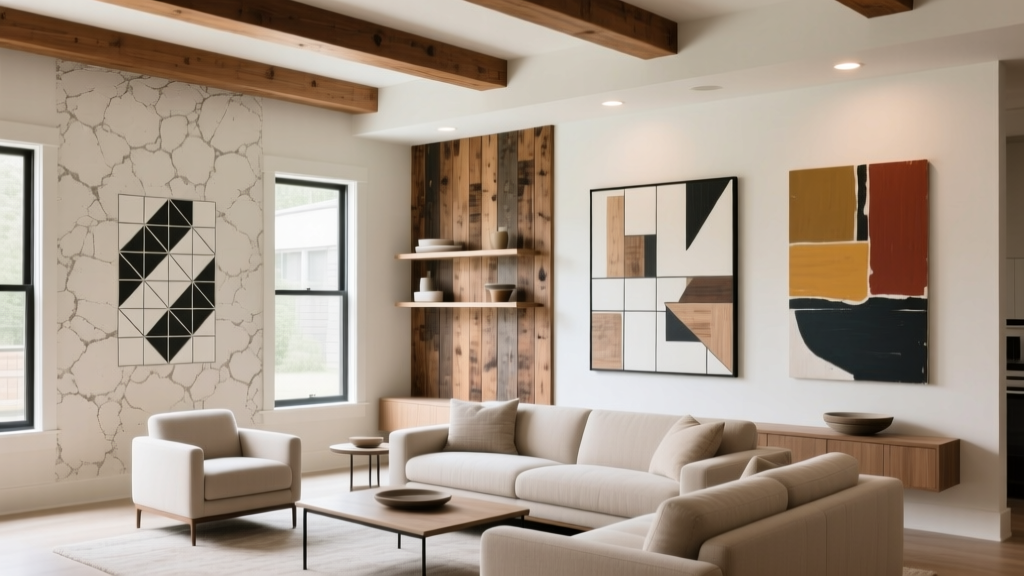 Best Accent Wall Treatments Under $500 - The Decor Mag
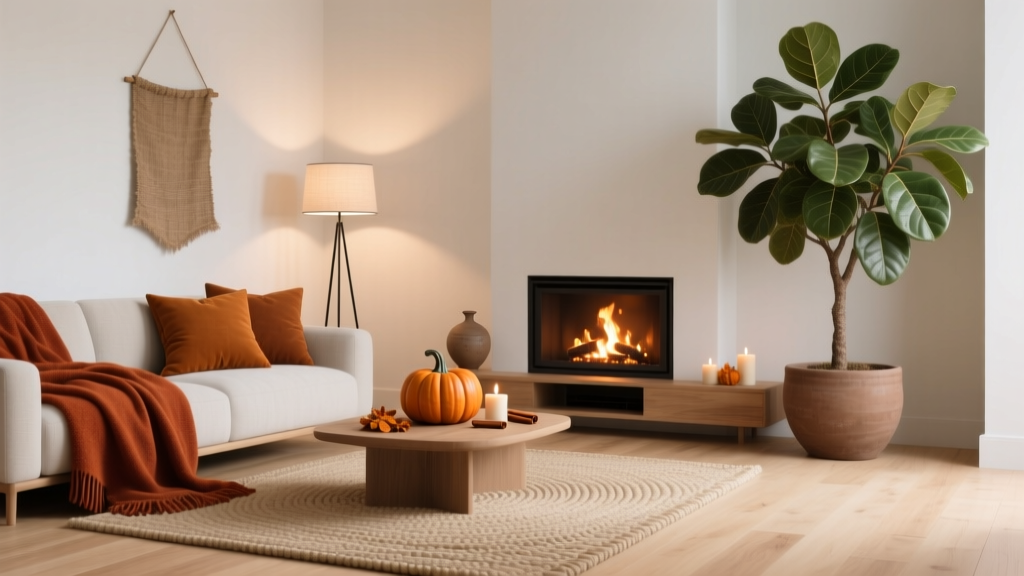 Living Room Cozy Fall Decorating Ideas - The Decor Mag
 Living Room Accent Wall Ideas - The Decor Mag
 Headboard Buying Guide: Style, Support & Sizing (2026)
 Exposed Beams Living Room Decor (2026)
 Living Room Architectural Detail Ideas - The Decor Mag
 How to Create a Balanced Living Room Layout - The Decor Mag
 Best Slipcover Sofa Picks - The Decor Mag
 Best Bar Cart Placement in Living Rooms - The Decor Mag