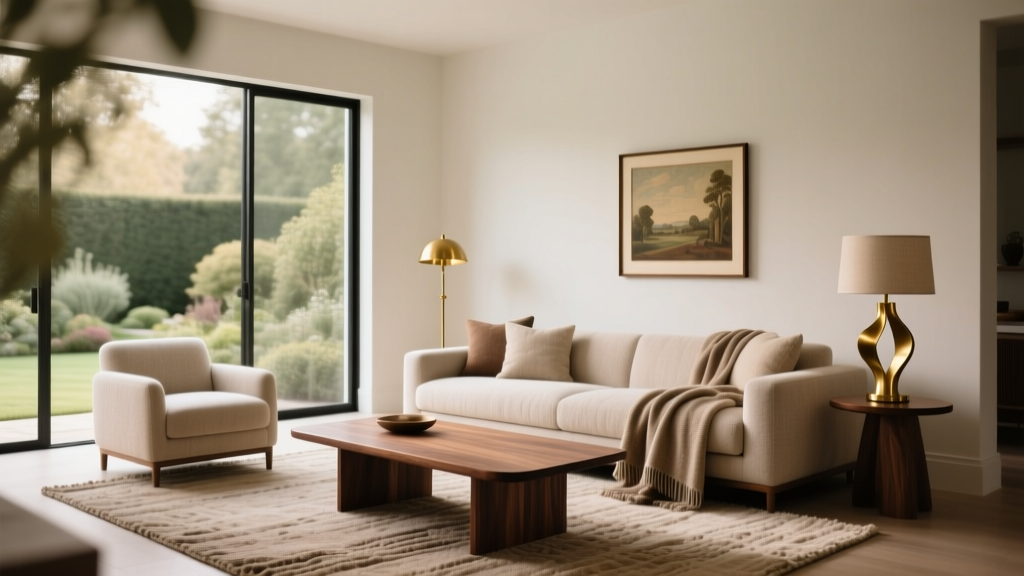
Living Room Classic Design Principles - The Decor Mag
A living room can be many things at once: a daily landing pad, a place to host friends, a movie-night hub, a reading retreat, and sometimes even a work zone. When a space has to work this hard, “classic” design principles become your best ally. They’re not about making your home feel formal or old-fashioned—they’re about creating a living room that feels balanced, comfortable, and pulled together, no matter your style or budget.
This guide breaks down the timeless rules interior designers rely on—and shows you how to apply them in real homes (including rentals). You’ll learn how to plan a layout that makes sense, choose the right scale of furniture, build a cohesive color palette, layer lighting like a pro, and add the textures and details that make a room feel finished. You’ll also get practical measurements, budget ranges, product suggestions, and a short list of common mistakes to avoid.
1) Start With Function: How Your Living Room Will Actually Be Used
Classic design always begins with function. Before you pick a rug or paint color, define how you want to live in the room. A beautiful living room that doesn’t support your routines won’t stay tidy or enjoyable.
Ask yourself these quick planning questions
- How many people use the room daily? How many when entertaining?
- Is TV the focal point—or conversation, reading, or a fireplace?
- Do you need a desk zone, kids’ storage, or pet-friendly materials?
- What’s the biggest frustration right now (not enough seating, poor lighting, clutter)?
Real-world scenario: “Small apartment, frequent guests”
If you host often in a compact space, prioritize flexible seating. A tailored loveseat plus two slim accent chairs is often more social than a bulky sectional that blocks circulation. Add two nesting tables or ottomans that can pull up as extra surfaces.
2) Master Layout and Flow: The Backbone of Great Living Room Design
Classic living room design principles are rooted in proportion and ease of movement. A room that flows well feels calmer and more expensive—no matter what you spent.
Key layout measurements designers use
- Walkways: Aim for 30–36 inches for main paths (24 inches can work in tight rooms).
- Distance from sofa to coffee table: Keep 14–18 inches for comfortable reach.
- Rug sizing: Ideally, front legs of all seating sit on the rug (or all legs in larger rooms).
- TV viewing distance: A simple guideline is 1.5–2.5x the TV’s diagonal size (so a 55" TV often feels best around 7–11 feet away).
Step-by-step: A classic conversation-friendly furniture plan
- Anchor the seating around a focal point (fireplace, window view, or TV wall).
- Create a conversation “U” or “H” shape: sofa + two chairs, or sectional + one chair.
- Float furniture when possible (even 4–8 inches off the wall can look more intentional).
- Use a rug to define the zone, especially in open-plan living rooms.
- Add a landing spot within reach of every seat (side table, drink table, or ottoman tray).
Product suggestions for layout problem-solving
- Swivel chairs (great for open-plan rooms): look for a tight back and a neutral performance fabric.
- Nesting tables (small-space friendly): choose wood + metal for a classic-modern mix.
- Storage ottoman (families/renters): upholstered in performance fabric; doubles as a coffee table with a tray.
3) Get Scale and Proportion Right (This Is Where “Classic” Lives)
A room can have beautiful decor and still feel “off” if the scale is wrong. Classic interiors look effortless because the furniture and decor relate to the room—and to each other.
Rules of thumb for living room proportion
- Sofa size: A standard sofa is often 84–96 inches wide. In small rooms, look for 72–84 inches.
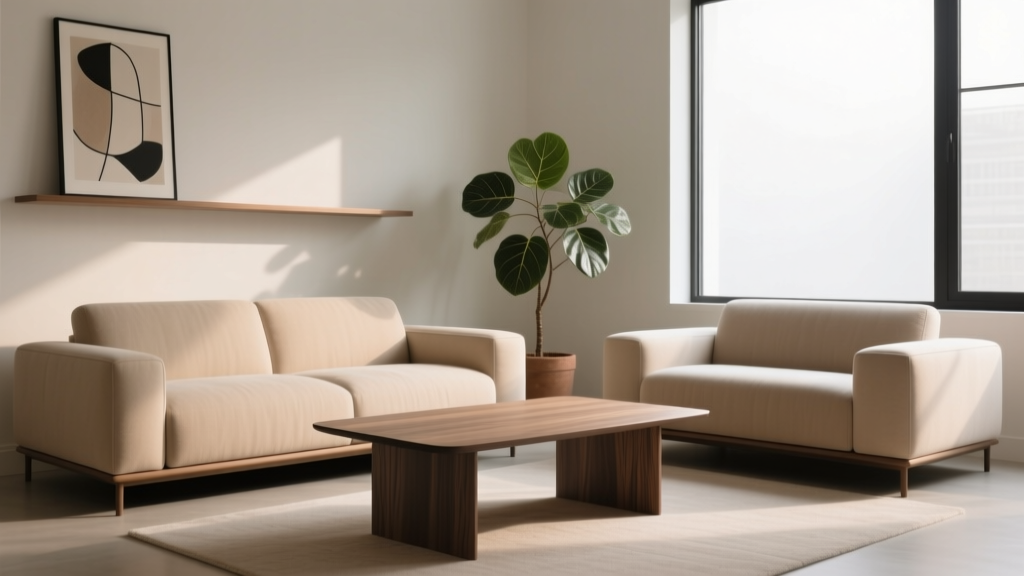
- Coffee table size: Aim for about 1/2 to 2/3 the sofa length.
- Coffee table height: Ideally 1–2 inches lower than the sofa seat height (often 16–18 inches).
- Accent chair width: Many run 28–34 inches; slimmer profiles help apartments feel open.
Real-world scenario: “The rug is too small”
One of the most common living room decor issues is a “floating” rug. If your rug only fits under the coffee table, the room can feel disconnected. A quick fix is sizing up so at least the front legs of your sofa and chairs sit on the rug. Typical living room rug sizes:
- 8' x 10': works for many standard living rooms.
- 9' x 12': ideal for larger seating groups or open-plan spaces.
- 6' x 9': best for small apartments, but try to keep front legs on it.
4) Build a Timeless Color Palette (With Trend-Savvy Flexibility)
Classic design doesn’t mean boring neutrals—it means a palette that’s cohesive and easy to live with. Today’s trends lean toward warm, nature-inspired tones (think clay, olive, mushroom, and soft taupe), and those hues blend beautifully with timeless principles.
A classic formula: 60–30–10
- 60% dominant color: walls + large rug (often warm white, greige, soft beige, or muted color)
- 30% secondary color: upholstery, curtains, or major furniture (camel leather, charcoal, navy, olive)
- 10% accent: pillows, art, and accessories (brass, black, terracotta, deep green, cobalt)
Paint and finish guidance (practical and renter-friendly)
- Wall sheen: eggshell is forgiving and easy to clean; matte feels elevated but shows marks more easily.
- Trim: classic contrast works—soft white trim with warm neutral walls.
- Renters: use removable wallpaper behind shelving or a TV wall; build color through textiles and art.
Budget ranges for updating color
- $50–$200: pillows, throws, curtains (solid or subtle patterns)
- $200–$800: area rug upgrade (look for wool blends or high-quality synthetics)
- $800–$3,500+: sofa or large upholstered piece in a timeless neutral
5) Layer Lighting Like a Designer: Ambient, Task, and Accent
Lighting is one of the fastest ways to make a living room feel “classic” and comfortable. Current design trends favor warmer bulbs, sculptural fixtures, and layered sources rather than relying on one overhead light.
The three layers of living room lighting
- Ambient: overhead fixture, semi-flush mount, or recessed lighting
- Task: floor lamp by the sofa, reading lamp by a chair
- Accent: picture light over art, sconces, or a table lamp on a console
Practical tips (with measurements)
- Bulb temperature: choose 2700K for a warm, welcoming glow (3000K can work in modern spaces).
- Lamp shade height: when seated, the bulb should be not visible—shade bottom roughly at eye level.
- Table lamp size: a common sweet spot is 24–32 inches tall for side tables.
- Dimmer switches: one of the highest-impact upgrades; also consider plug-in dimmers for rentals.
Product recommendations worth considering
- Plug-in wall sconces: renter-friendly, adds built-in character without hardwiring.
- Arched floor lamp: great over a sectional when you lack an end table for a lamp.
- Picture light: makes art feel curated and elevates a classic living room instantly.
6) Materials and Texture: The Secret to a “Finished” Living Room
Classic interiors balance materials so the room doesn’t feel flat. A strong mix usually includes something soft, something warm (wood), something structured (metal/stone), and something with pattern.
Timeless material combinations
- Wood + linen: relaxed classic, perfect for coastal or traditional styles
- Leather + wool: rich and durable; works with modern, rustic, or transitional decor
- Brass + marble: polished, timeless, and great for side tables or lighting accents
- Black metal + natural fibers: current trend that still feels classic when used sparingly
Family- and pet-friendly fabric guidance
- Performance fabric: ideal for sofas and chairs—look for stain resistance and tight weaves.
- Leather: wears beautifully, but consider scratches with pets; choose a protected leather for easier cleaning.
- Rugs: wool is a classic investment; for high-traffic zones, consider durable synthetics with a low pile.
7) The Art of Styling: Symmetry, Balance, and “Quiet” Layers
Classic living room decor tends to feel calm because it uses visual balance. That doesn’t always mean perfect symmetry, but symmetry is a reliable tool—especially for beginners.
Easy classic styling moves
- Pair lamps on a console or built-ins for instant polish.
- Use the “triangle” rule for decor objects: group items in three heights (tall, medium, low).
- Add one meaningful focal point: a large artwork, a mirror, or a statement light fixture.
Artwork placement measurements
- Center art at eye level: around 57–60 inches from the floor to the art’s center.
- Over a sofa: choose art that’s roughly 2/3 the sofa width.
- Gallery wall spacing: keep gaps consistent, usually 2–3 inches between frames.
Real-world scenario: “My living room feels plain, even with new furniture”
This usually means the room needs layers: curtains for softness, a larger rug for grounding, at least two lighting sources, and a mix of textures (woven basket, velvet pillow, wood table, ceramic vase). Adding just one category—like a rug—often isn’t enough. Layering is what makes classic living room design feel complete.
Common Living Room Design Mistakes to Avoid
- Choosing a rug that’s too small: it shrinks the room visually and breaks the seating zone.
- Pushing all furniture against walls: it can create an awkward “empty center” and reduce intimacy.
- Only using overhead lighting: harsh and unflattering; add lamps for warmth.
- Buying before measuring: always map the layout (painter’s tape on the floor works).
- Too many tiny decor items: creates clutter; mix in fewer, larger pieces for a classic look.
- Ignoring curtain length: short curtains look accidental; aim for panels that reach the floor.
FAQ: Living Room Classic Design Principles
What makes a living room look “classic” rather than trendy?
Classic living room design relies on balance, proportion, and quality basics: a cohesive color palette, well-sized rug, layered lighting, and furniture arranged for conversation. Trend elements can show up in accents (pillows, paint, decor) rather than the biggest purchases.
How do I make a small living room feel bigger without remodeling?
Use a larger rug, keep walkways clear (aim for 30 inches when possible), choose furniture with raised legs, hang curtains high and wide, and add mirrors to bounce light. Swivel chairs and nesting tables also add flexibility without crowding the layout.
What’s the best sofa color for a timeless living room?
Warm neutrals are the most versatile: oatmeal, taupe, camel, soft gray-beige, or a muted greige. If you want color, navy is a classic option that pairs well with wood tones and brass or black accents.
How many lights should a living room have?
Aim for at least 3 light sources in most living rooms: one ambient (overhead), one task (reading lamp), and one accent (table lamp, sconce, or picture light). More is often better, especially in larger rooms.
What are the most durable materials for a busy household?
Performance upholstery, tight-weave textiles, low-pile rugs, and sturdy woods (oak, walnut finishes) hold up well. For tables, look for solid wood or stone tops; for metal accents, powder-coated finishes resist wear.
How can renters upgrade a living room without permanent changes?
Focus on removable impact: large rug, curtains on tension rods or no-drill brackets, plug-in sconces, peel-and-stick wallpaper for a focal wall, and substantial art hung with damage-minimizing hooks. Swapping lampshades and adding layered lighting can also transform the mood.
Your Next Steps: A Simple Classic Living Room Checklist
- Measure your room and sketch a basic layout with walkway targets (30–36 inches).
- Choose the right rug size so at least front furniture legs sit on it (often 8' x 10' or 9' x 12').
- Refine the color palette using 60–30–10, keeping big pieces neutral.
- Layer lighting (overhead + floor/table lamps + one accent source) and add dimmers.
- Add texture through upholstery, wood, metal, and textiles for a polished, inviting finish.
A classic living room isn’t about following rigid rules—it’s about creating a space that feels welcoming, balanced, and easy to live in. Start with function, nail the layout, and then build layers of color, light, and texture. Those fundamentals never go out of style, and they’ll support any trend you want to try later.
Looking for more living room design and decor inspiration? Explore fresh guides, layouts, and styling ideas across thedecormag.com.
More Articles
 Living Room Textured Wall Ideas - The Decor Mag
 Functional Bedroom Ideas 2026: Smart Layouts & Storage
 Best Nesting Table Arrangements - The Decor Mag
 Living Room Window Treatments for Privacy (2026)
 How to Create a Cozy Winter Living Room - The Decor Mag
 Budget-Friendly Smart Organization Ideas for 2026
 Pet-Friendly Flooring Options for Modern Homes
 Living Room Natural Light Maximizing Tips - The Decor Mag
 Living Room Built-In Shelving Ideas - The Decor Mag
 Coffee Table Height & Sofa Relationship (2026)