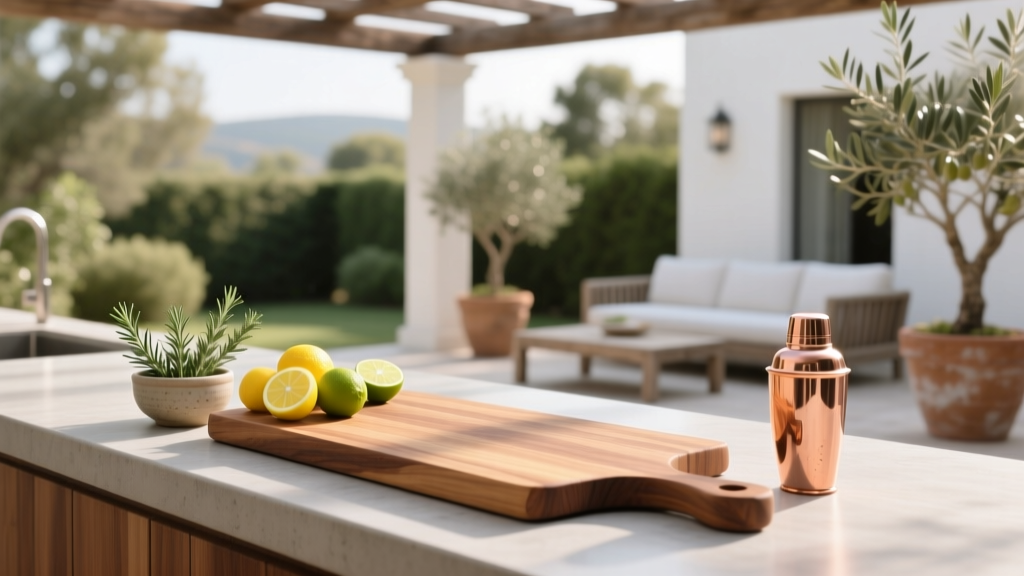
Best Outdoor Bar Cutting Board Station - The Decor Mag
An outdoor bar is where patio living gets real: cocktails clink, citrus gets sliced, burgers come off the grill, and friends naturally gather around the action. But if you’ve ever tried to prep garnishes on a wobbly side table or balance a cutting board on your lap while sitting by the fire pit, you already know the missing piece—an outdoor bar cutting board station built for real outdoor entertaining.
The right station isn’t just a board on a counter. It’s a compact, weather-smart prep zone that keeps knives safe, ingredients clean, and mess contained—while looking like it belongs in your outdoor kitchen or garden patio. Whether you’re building a full outdoor kitchen or upgrading a small deck, a dedicated cutting board station streamlines hosting and makes year-round outdoor living feel effortless.
Below, you’ll find practical layouts, material recommendations, plant ideas that enhance the vibe (and your cocktails), maintenance guidance for different climates, budget ranges, and the common pitfalls that make outdoor prep frustrating. If you want your outdoor bar to feel as functional as it is beautiful, start here.
What Makes an Outdoor Bar Cutting Board Station “The Best”?
A great outdoor prep station does three things: it resists weather, improves workflow, and looks intentional in your landscape design. Use this checklist as your benchmark.
Non-Negotiable Features
- Stable prep surface with enough depth for safe chopping (ideally 18–24 inches).
- Food-safe, weather-appropriate cutting board that won’t warp, crack, or harbor odors.
- Knife safety (magnetic strip, knife block, or dedicated drawer) and a protected storage spot.
- Trash and compost access (even a discreet bin hook) to keep the countertop clear.
- Rinse capability via bar sink, nearby hose bib, or a removable wash tub.
- Good lighting for evening patio entertaining—task lighting beats ambient string lights for prep.
- Easy cleanup with surfaces that wipe down quickly and don’t stain from citrus, wine, or oils.
Nice-to-Have Upgrades for Outdoor Entertaining
- Integrated garnish caddy (covered inserts for limes, olives, herbs) to keep bugs out.
- Ice well or insulated ice bin within arm’s reach of the cutting board.
- Built-in paper towel holder (under-shelf style is clean and protected).
- Heat-resistant landing zone for grill tools or a small plancha.
- Under-counter fridge drawer or beverage cooler for frequent hosting.
Station Styles: Choose the Right Setup for Your Patio or Yard
Your best option depends on space, budget, and whether you’re building a permanent outdoor kitchen or a flexible patio bar.
1) Built-In Outdoor Kitchen Cutting Board Niche
This is the gold standard for homeowners designing a full outdoor kitchen. A built-in niche keeps the board from sliding and makes the prep zone feel custom.
- Ideal for: outdoor kitchens, covered patios, frequent entertaining
- Design tip: place the prep station between the sink and the grill to create a clean workflow (rinse → prep → cook/serve).
- Best surfaces: stainless steel counter with inset board, granite/quartzite with a dedicated board cutout, or concrete with a removable board insert.
Budget range: $2,500–$12,000+ depending on cabinetry, counters, plumbing, and appliances.
2) Freestanding Bar Cart + Cutting Board Top
A bar cart setup is perfect for smaller patios and renters, and it’s easy to tuck away in harsh weather.
- Ideal for: decks, small patios, flexible layouts
- Design tip: pick a cart with locking casters and a top at least 24x18 inches for comfortable prep.
- Best materials: powder-coated aluminum, marine-grade polymer, stainless steel.
Budget range: $150–$900 for the cart; $40–$250 for a high-quality outdoor-friendly board and accessories.
3) “Prep Shelf” on a Grill Island or Beverage Station
If you already have a grill island, add a dedicated prep shelf or slide-out board.
- Ideal for: upgrading an existing outdoor kitchen
- Design tip: a slide-out cutting board under the counter keeps your main surface clear and protects the board from sun and rain when not in use.
Budget range: $200–$1,500 depending on hardware and finish level.
Best Materials for Outdoor Cutting Boards and Countertops
Outdoor living spaces demand materials that handle UV, moisture, temperature swings, and the occasional spilled margarita. Start with the board itself, then match your counter materials to your climate.
Cutting Board Materials (What Works Outdoors)
- Teak (top pick): Naturally water-resistant, stable, and beautiful. Look for edge-grain teak with a juice groove. Maintain with periodic oiling.
- High-density polyethylene (HDPE): Non-porous, dishwasher-safe, and great for humid climates. Choose a thick board (at least 3/4") to prevent warping.
- Acacia (budget-friendly): Attractive and durable, but needs more consistent oiling and should be stored covered.
- Avoid as a primary outdoor board: bamboo (prone to splitting outdoors), end-grain maple left outside (can swell/warp), glass boards (hard on knives, slippery).
Countertop and Station Surface Materials
- 304 stainless steel: The workhorse for outdoor kitchens—hygienic, weather-tolerant, easy to sanitize. Shows fingerprints but cleans fast.
- Granite: Handles heat and weather well; choose darker, denser stones and seal annually. Some light granites can stain from citrus/wine.
- Quartzite: Excellent durability with a high-end look; seal as recommended.
- Poured concrete: Modern and customizable; must be sealed properly to prevent stains and freeze-thaw cracking.
- Porcelain slab: Low maintenance, UV-stable, stain resistant; great for sunny patios.
- Avoid for exposed outdoor counters: standard indoor quartz (UV can discolor), untreated wood tops (unless under a roof and maintained).
Layouts That Make Outdoor Prep Feel Effortless
The best outdoor bar cutting board station is less about size and more about flow. Use these layout rules to make your patio bar feel like a true outdoor kitchen.
The “Rinse–Prep–Pour” Triangle
- Rinse: sink or rinse tub (and a towel hook nearby).
- Prep: cutting board zone with knife storage and a small waste bin.
- Pour: ice bin + spirits + glassware shelf, ideally within one step.
Recommended Clearances
- Prep counter height: 36 inches is standard; taller hosts may prefer 37–38 inches.
- Work zone width: 24–36 inches for comfortable slicing and plating.
- Walkway clearance: 42 inches behind the bar for easy traffic; 48 inches if it’s a main pathway.
Placement Tips for Real-World Hosting
- Keep the cutting board station out of the wind if possible—breeze and lightweight napkins don’t mix.
- Place it near seating but not in the traffic lane so guests can chat without bumping elbows.
- If you grill often, position the prep station upwind from smoke to keep herbs and fruit from picking up grill flavor.
Design Details That Elevate Your Outdoor Bar Station
This is where outdoor design meets daily usability. A few smart choices can make your station look custom—even on a modest budget.
Furniture and Built-In Recommendations
- Weatherproof base: powder-coated aluminum cabinets, stainless steel frames, or masonry island bases with access doors.
- Storage that stays dry: gasketed drawers or marine-grade polymer cabinets for humid and rainy regions.
- Bar stools: choose all-weather wicker, powder-coated metal, or teak with quick-dry cushions. For comfort, aim for 18–20 inches seat height difference from the bar top.
Lighting for Evening Patio Living
- Task lighting: LED under-shelf strip or a downlight above the prep zone (warm white 2700–3000K).
- Ambient lighting: string lights, lanterns, or low-voltage path lights around the patio perimeter.
- Bug-friendly tip: choose warm LEDs and avoid blue-white bulbs that attract insects.
Accessories That Make Prep Cleaner and Faster
- Non-slip cutting mat or damp towel under the board to prevent sliding.
- Stainless prep bowls for citrus wedges, peels, and herb sprigs.
- Lidded garnish tray to protect ingredients from sun and pests.
- Compact compost bin with a charcoal filter (great for lemon/lime waste).
Plants That Belong Near an Outdoor Bar (Pretty and Useful)
Strategic landscaping around your outdoor bar adds fragrance, privacy, and cocktail-ready garnishes. Choose plants that handle heat radiating off hardscape and don’t drop messy fruit or petals onto your prep surface.
Best Edible + Fragrant Picks for a Cocktail Garden
- Rosemary: drought-tolerant, evergreen in many climates, perfect for skewers and smoky garnishes.
- Mint (in pots only): thrives with regular water; contains spread and keeps it close to the bar.
- Thyme: low-growing, tough, and aromatic—excellent edge plant for patio planters.
- Basil: a summer star; place in a sunny spot and pinch often for bushy growth.
- Lavender: adds scent and pollinator activity; keep slightly away from the prep surface to reduce bee traffic during parties.
- Dwarf citrus (in suitable climates or containers): calamondin, Meyer lemon—great for patios with full sun and protection from frost.
Privacy and Wind Buffer Planting
- Clumping bamboo (non-invasive types): fast privacy for warm climates; use root barriers where recommended.
- Podocarpus or viburnum hedges: tidy evergreen screening in many regions.
- Ornamental grasses: soften hard edges and reduce wind at bar height (choose varieties suited to your zone).
Climate and Maintenance: Keep It Looking Great Year-Round
A station that lives outside needs a seasonal rhythm. Plan for your climate from the start, and maintenance becomes quick—not constant.
Hot, Sunny Climates
- Prioritize UV-stable materials (porcelain, stainless, teak).
- Add a shade solution: pergola, umbrella, or shade sail to reduce surface heat and protect herbs from scorching.
- Store cutting boards out of direct sun to minimize drying and cracking.
Humid, Rainy Climates
- Choose HDPE boards or well-maintained teak; avoid leaving wood boards outside overnight.
- Use rust-resistant hardware (stainless fasteners) and ventilated cabinets to prevent mildew.
- Keep a breathable cover for the station—trapped moisture causes more issues than rain.
Cold and Freeze-Thaw Regions
- Opt for porcelain, granite, or stainless over poorly sealed concrete.
- Drain and winterize any sink lines before freezing temps.
- Bring cutting boards and bar tools indoors for winter to extend lifespan.
Simple Maintenance Routine
- After each use: wash board, sanitize prep surface, empty compost/trash.
- Weekly: wipe down cabinet fronts, clean handles, check for standing water.
- Monthly: oil teak/acacia boards (food-grade mineral oil) if they look dry.
- Seasonally: reseal stone or concrete if required; deep clean drawers and replace any worn non-slip mats.
Budget Ranges: What to Expect
- Budget-friendly ($150–$600): bar cart + HDPE board + garnish caddy + lidded bin + clip-on task light.
- Mid-range ($700–$3,500): freestanding outdoor bar cabinet, stainless top, sink basin or rinse tub, upgraded lighting, covered storage.
- High-end ($4,000–$15,000+): built-in island with stone/porcelain counters, inset board, plumbed sink, under-counter fridge, premium cabinetry, integrated lighting.
Common Mistakes to Avoid
- Using indoor materials outdoors: indoor quartz counters and unsealed wood tops discolor and degrade fast in sun and rain.
- Skipping shade and covers: UV and water exposure shorten the life of boards, finishes, and cushions.
- Not planning for waste: without a trash/compost solution, peels and wrappers pile up on the prep zone.
- Cramped spacing: if guests have to squeeze behind the bar, prep becomes stressful and spills increase.
- Storing knives loosely: it’s unsafe and hard on blades—use a proper block, drawer insert, or magnetic strip in a protected location.
- Placing herbs where they get blasted: grill heat and constant sun can scorch basil and mint; position pots with afternoon shade when needed.
FAQ: Outdoor Bar Cutting Board Stations
What’s the best cutting board material for outdoor use?
Teak is the best all-around option for beauty and durability if you’ll maintain it with occasional oiling. For maximum low maintenance in humid climates, choose a thick HDPE board and store it in a shaded cabinet.
Do I need a sink at my outdoor bar cutting station?
A sink is a major convenience, but not required. A removable rinse tub plus a nearby hose bib or indoor sink access can work well for smaller patios. If you entertain often, a small bar sink quickly pays off in ease.
How do I keep bugs away from garnishes and fruit?
Use a lidded garnish caddy, keep sticky spills wiped up, and position the station away from standing water and bright blue-white lights. A small fan on low can also discourage flying insects during evening gatherings.
What’s a good size for a prep area next to an outdoor bar?
Aim for 24–36 inches of dedicated prep width and at least 18 inches of depth. This gives you room to slice, stage glasses, and set down tools without crowding.
Can I leave my cutting board outside all the time?
It’s better to store boards in a cabinet or indoors, especially wood. If you must leave it outside, keep it under a roof or cover and out of direct sun, and avoid leaving it wet overnight.
What plants are best near an outdoor bar?
Go for useful, durable herbs like rosemary, thyme, and mint (in pots), plus lavender for fragrance and dwarf citrus in warm climates or containers. These enhance outdoor entertaining and elevate patio design without creating a mess.
Your Next Steps: Build a Station You’ll Use Every Weekend
Start by choosing your station type—built-in, cart, or add-on shelf—then select weather-smart materials (teak or HDPE boards, stainless/porcelain/stone surfaces). Map your “rinse–prep–pour” flow, add lighting for evening patio living, and finish with a few container herbs for garnish-ready style. With the right setup, your outdoor bar becomes the easiest place to host, relax, and enjoy your yard in every season.
Want more outdoor living inspiration? Explore more patio design, landscaping ideas, and outdoor kitchen upgrades on thedecormag.com.
More Articles
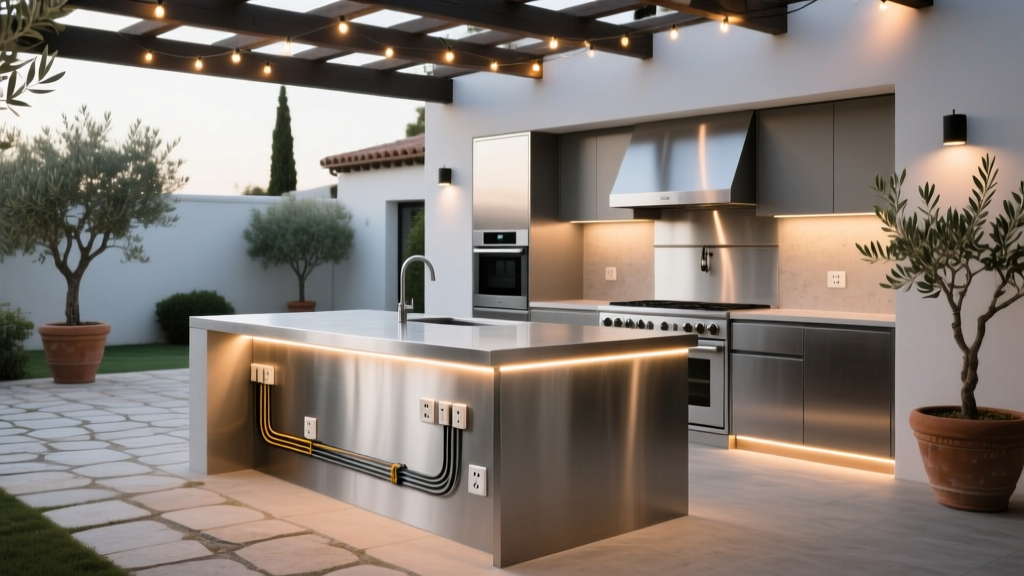 Outdoor Kitchen Electrical Planning Guide - The Decor Mag
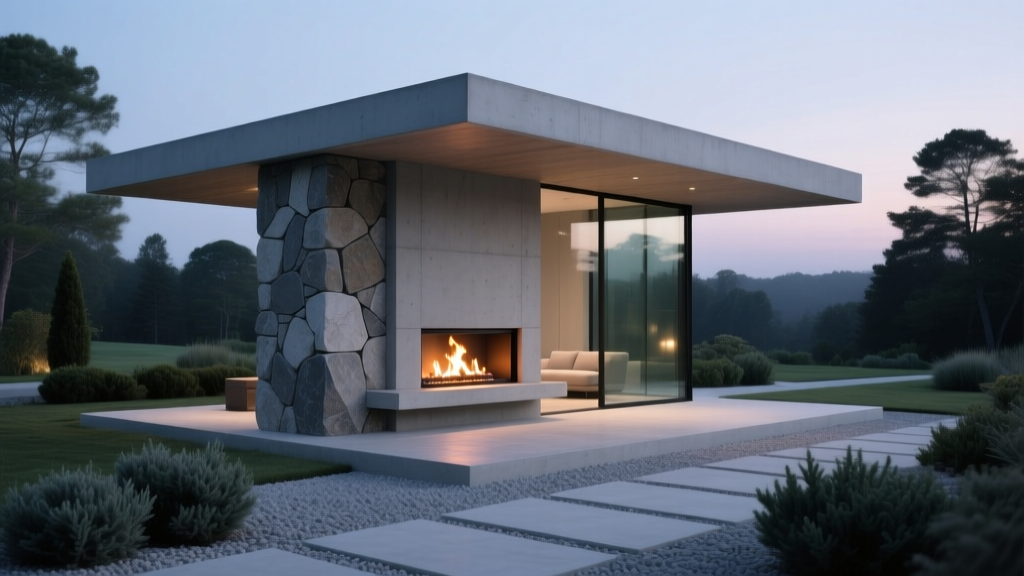 Outdoor Pavilion Fireplace Insert - The Decor Mag
 The Best Reading Color for Outdoor Living Spaces: Science, Design, and Real-World Performance
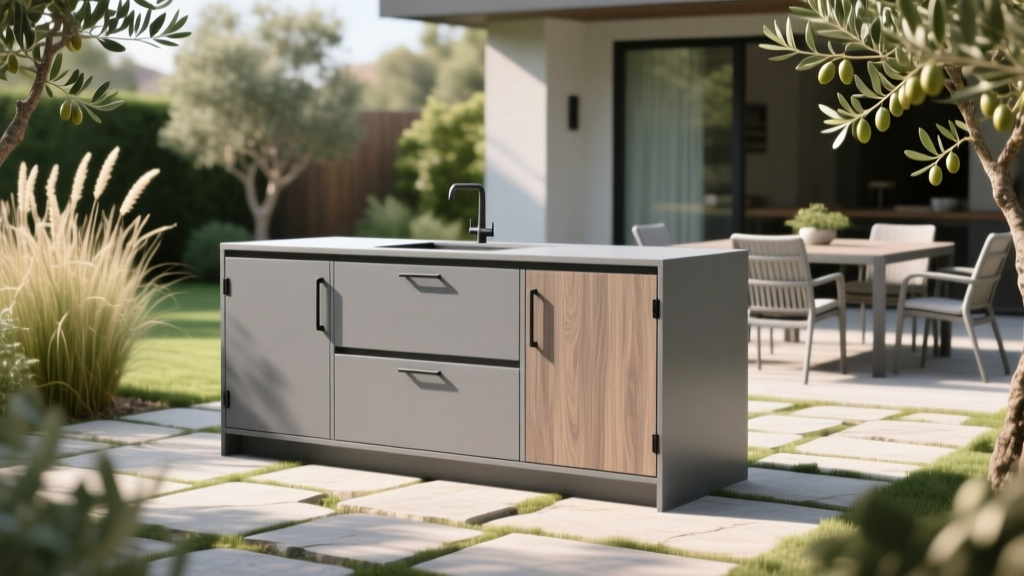 Outdoor Kitchen Storage Cabinet Guide - The Decor Mag
 Outdoor Pergola Motorized Shade System - The Decor Mag
 Outdoor Pavilion and Cabana Structures - The Decor Mag
 How to Create a Raised Bed Garden - The Decor Mag
 How to Design a Food Forest - The Decor Mag
 Outdoor Living Project Checklist: A Practical, Step-by-Step Workflow for Landscape Professionals
 How to Create a Three Sisters Garden - The Decor Mag