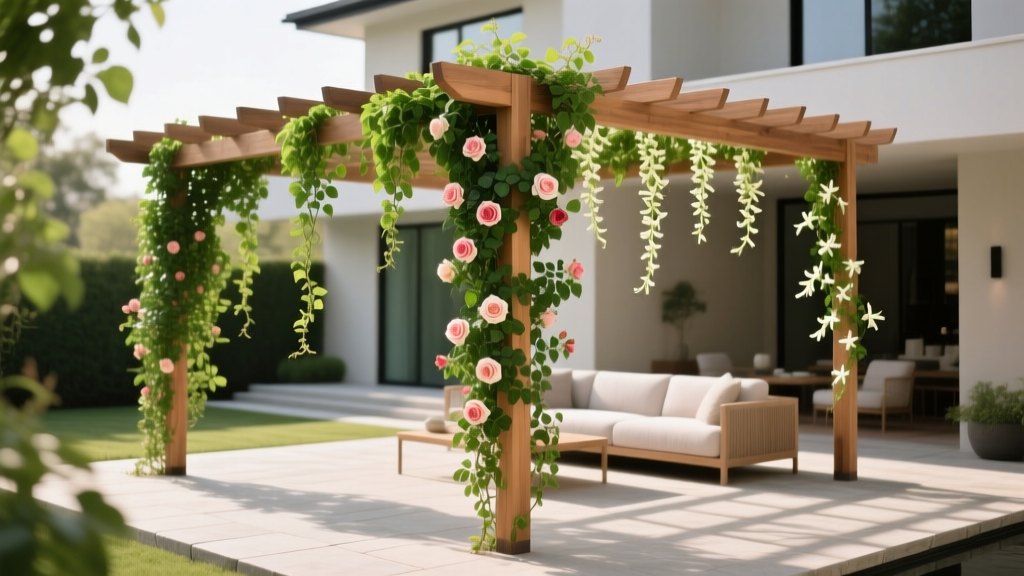
Outdoor Trellis and Climbing Plant Ideas - The Decor Mag
A trellis is one of the smartest upgrades you can make to an outdoor living space. It creates height and structure where patios and gardens often feel flat, and it invites greenery upward—adding shade, privacy, fragrance, and a sense of enclosure that makes a yard feel like an outdoor room. Whether you’re working with a compact patio, a sprawling lawn, or a narrow side yard, a well-placed trellis can guide the eye, define zones, and soften hard edges like fences and walls.
Climbing plants take that structure and turn it into a living feature. Think flowering vines framing a seating area, an evergreen climber screening a neighbor’s view, or edible plants like grapes and climbing beans transforming a plain pergola into a productive canopy. With the right trellis design and plant pairing, you’ll get a vertical garden that looks intentional through the seasons—and supports year-round outdoor living with shade in summer, texture in fall, and strong architectural lines in winter.
Why Trellises Belong in Outdoor Living Design
Outdoor design isn’t only about what’s on the ground. Vertical elements give your landscape the layered look designers rely on. A trellis is also a problem-solver: it can hide utilities, provide privacy, create a backdrop for patio furniture, and offer shade without committing to a full roof structure.
- Privacy: A trellis with evergreen climbers or dense seasonal vines can screen sightlines to neighbors.
- Comfort: Vines can cool a seating area by shading walls and reducing reflected heat on patios.
- Style: Wood trellises bring warmth; metal adds modern lines; wire systems create minimal, architectural greenery.
- Space efficiency: Ideal for small yards—vertical gardening increases planting area without taking up floor space.
Trellis Types and Where Each Works Best
1) Wall-Mounted Trellis Panels
Perfect for patios, courtyards, and blank exterior walls. Panel trellises act like outdoor artwork and can be installed in sections for a tailored look.
- Best use: Softening stucco/brick, adding privacy along a side patio, greening a garage wall
- Material picks: Cedar (naturally rot-resistant), redwood, powder-coated steel
- Pro tip: Leave a 1–2 inch air gap between trellis and wall for airflow to protect siding and reduce mildew.
2) Freestanding Trellis Screens
These are the outdoor living equivalent of a room divider. Use them to create a hidden grill zone, define a dining nook, or shield a hot tub.
- Best use: Privacy screening, zoning patios, blocking wind
- Material picks: Pressure-treated wood posts with cedar lattice, metal frames with wire infill
- Layout idea: Place screens in an L-shape to form an “outdoor corner room” and anchor it with a sectional.
3) Arbors and Garden Arches
An arbor creates a memorable moment—especially when placed at a gate, the start of a path, or the transition between patio and garden.
- Best use: Entry points, path transitions, romantic garden focal points
- Material picks: Cedar or galvanized steel for longevity
- Plant match: Roses, clematis, honeysuckle (climate-appropriate varieties)
4) Pergola Trellises and Overhead Lattice
If you want shade and ambiance, overhead structure is the move. Even a partial pergola over a dining table makes summer meals feel like a destination.
- Best use: Dining areas, outdoor kitchens, lounge seating zones
- Material picks: Cedar, aluminum pergola kits, steel posts with wood slats for a modern look
- Comfort add-on: Install a ceiling fan rated for outdoor use (covered areas) and string lights woven through beams.
5) Wire Trellis Systems (Minimal + Modern)
For contemporary homes, stainless wire and turnbuckles create clean lines and let the plant be the star.
- Best use: Narrow side yards, modern patios, masonry walls
- Material picks: Marine-grade stainless steel wire (especially near coastal air)
- Pro tip: Use wall anchors appropriate for stucco/brick and install tensioners to keep lines taut as vines mature.
Climbing Plant Ideas: Best Vines for Beauty, Shade, and Privacy
Choosing climbing plants is equal parts style and practicality. Consider your climate zone, sun exposure, how quickly you want coverage, and whether you prefer evergreen structure or seasonal drama.
Fast Coverage for Privacy (Great for Fences and Trellis Screens)
- Star jasmine (Trachelospermum jasminoides): Evergreen in many climates, glossy leaves, highly fragrant flowers; great for patio living areas.
- Climbing hydrangea (Hydrangea anomala subsp. petiolaris): Shade tolerant; slower to start but stunning once established.
- Virginia creeper (Parthenocissus quinquefolia): Rapid growth and fiery fall color; can be aggressive—best where you can control it.
Flowering Favorites for Outdoor “Wow”
- Clematis: Many varieties; loves cool roots and sunny tops. Pair with a low perennial border to shade the base.
- Climbing roses: Classic for arbors and fences; choose disease-resistant varieties for easier care.
- Honeysuckle (Lonicera): Pollinator-friendly and fragrant; choose non-invasive varieties for your region.
Evergreen Structure for Year-Round Outdoor Living
- English ivy (Hedera helix): Evergreen and dense, but can damage surfaces and become invasive in some areas—use with caution.
- Carolina jessamine (Gelsemium sempervirens): Evergreen in warmer zones with cheerful yellow blooms; excellent for trellis panels.
- Pyracantha (trained espalier): Not a vine but can be trained flat; offers berries and thorny security screening.
Edible Climbers for Patio Gardens
- Grapes: Ideal on pergolas for dappled shade and harvest; requires annual pruning.
- Climbing beans and peas: Great for seasonal trellis ideas in spring/summer; perfect for small-space vegetable gardens.
- Kiwi (hardy kiwi in colder regions): Vigorous and needs a strong structure—best on sturdy pergolas.
Design Layout Ideas That Feel Like a Designer Planned Them
Create a “Green Wall” Behind a Seating Area
Mount trellis panels along a fence line or exterior wall behind a sofa or bistro set. This makes the patio feel finished and provides a lush backdrop for entertaining.
- Furniture pairing: Weather-resistant sectional or loveseat in teak, aluminum, or resin wicker
- Style tip: Choose cushions that echo plant tones (sage, sand, terracotta) for a cohesive outdoor living palette.
Frame a Dining Zone With a Pergola + Vines
Place a pergola over the dining table and train a flowering climber along one or two sides—leaving the roof partially open for light and airflow.
- Lighting: Warm LED string lights or a solar pendant cluster
- Plant idea: Grapes for shade; star jasmine for fragrance; clematis for flowers
Build a Privacy Corner for a Fire Pit or Hot Tub
Use two trellis screens in an L-shape and plant at the base with layered shrubs and grasses for a natural look.
- Plant base layer: Lavender, salvia, ornamental grasses
- Climber choice: Evergreen jasmine or a well-behaved clematis variety
- Comfort add-on: Outdoor-rated side table, a storage bench for throws, and wind-resistant lanterns
Use an Arbor as a Path “Moment”
Even simple garden paths feel intentional when they pass through an arbor. Train a flowering climber and add low lighting for evening impact.
- Path material: Decomposed granite, pavers, or stepping stones with gravel joints
- Seasonal bonus: Add spring bulbs at the base for early color before vines leaf out.
Materials and Build Quality: What Holds Up Outdoors
Choosing the right materials matters for long-term performance—especially in wet, hot, or coastal climates.
- Cedar: Excellent natural rot resistance; ideal for trellis panels and pergolas. Expect $150–$600 for panels/small builds, more for pergolas.
- Redwood: Premium look and durability; typically $200–$800+ for quality panels and framing materials.
- Pressure-treated wood: Budget-friendly structure (great for posts), but consider cladding with cedar for a more refined finish. $100–$500 for many DIY builds.
- Powder-coated steel/aluminum: Sleek and long-lasting; great for modern patio design. $200–$1,500+ depending on size and complexity.
- Stainless cable/wire: Best for minimal trellis systems; costs vary but many setups land around $150–$700 depending on hardware quality.
Finish tip: For wood trellises, use a UV-resistant exterior stain (semi-transparent for natural grain) and recoat every 2–4 years depending on exposure.
Climate and Seasonal Considerations (So Your Trellis Thrives Year After Year)
Hot, Sunny Climates
- Choose heat-tolerant climbers like bougainvillea (where appropriate), star jasmine, or grapes.
- Use trellises to shade west-facing walls and patios—this can noticeably reduce evening heat.
- Plan irrigation: drip lines at the base help vines establish without wasting water.
Cold Winters and Freeze/Thaw Regions
- Prioritize durable materials (cedar, metal) and proper footings for freestanding structures.
- Consider climbers with winter interest or strong structure, and accept that some vines will die back and return in spring.
- Protect young vines with mulch around the root zone in late fall.
Humid and Rainy Regions
- Airflow is key: avoid pressing trellises directly to siding; keep plants pruned to reduce fungal issues.
- Choose disease-resistant roses and climbers known for humidity tolerance in your region.
Coastal Conditions
- Use marine-grade stainless steel or high-quality powder-coated metal to resist corrosion.
- Rinse salt spray from metal hardware periodically and inspect fasteners annually.
Maintenance Tips: Keep Vines Beautiful (Not Wild)
- Train early: Gently tie new growth with soft plant ties to encourage coverage in the right direction.
- Prune with purpose: Remove dead wood, thin crowded stems, and keep vines from blocking doors, vents, or lighting.
- Feed moderately: Use compost in spring; avoid over-fertilizing, which can cause leafy growth with fewer blooms.
- Check supports yearly: Mature vines get heavy. Tighten hardware and reinforce weak points before peak growing season.
Common Mistakes to Avoid
- Underbuilding the structure: Many climbers become surprisingly heavy. Use sturdy posts, proper anchors, and quality fasteners.
- Planting the wrong vine for the location: Sun-loving vines won’t bloom in shade; aggressive vines can overwhelm small patios.
- Skipping airflow: Trellises flush to a wall can trap moisture and encourage rot or mildew.
- Forgetting mature size: Give roots space and plan for pruning access—especially around outdoor kitchens and patio seating.
- Ignoring seasonal timing: Plant in spring or early fall for the easiest establishment (depending on your climate).
Budget Ranges: What to Expect
- Budget-friendly ($100–$400): DIY trellis panel, wire system on a fence, annual climbers (beans, sweet peas), basic drip line
- Mid-range ($400–$1,500): Multiple cedar panels, a freestanding screen, upgraded hardware, established perennials/vines in larger containers
- Investment level ($1,500–$6,000+): Pergola with electrical for lighting, premium metal trellis screens, masonry footings, mature plantings and professional installation
FAQ: Outdoor Trellis and Climbing Plants
What’s the best climbing plant for privacy on a patio?
Star jasmine is a favorite for evergreen coverage in many climates, with fragrance and dense foliage. For faster seasonal coverage, consider a vigorous annual vine, then transition to a perennial climber over time.
Can climbing plants damage my house or fence?
Some can. Self-clinging vines (like certain ivies) may harm paint, mortar, or wood over time. A stand-off trellis (with an air gap) and a non-clinging twining vine are safer choices for siding.
How long does it take for a trellis to fill in?
Many climbers start modestly and accelerate in year two and three. Expect 1–3 growing seasons for a lush look, depending on the plant, sun, watering, and soil quality.
What’s better: a wooden trellis or a metal trellis?
Wood feels warm and classic and is easy to customize; metal is slimmer, modern, and often longer-lasting with minimal upkeep. For coastal areas, prioritize powder-coated aluminum or marine-grade stainless.
Do I need a trellis in a planter for a small patio?
A container trellis is a great option for renters or small-space patio design. Use a large pot (often 18–24 inches wide) for stability, quality potting mix, and a consistent watering routine.
Next Steps: Plan Your Trellis Like a Pro
Start by choosing what your trellis needs to do—add privacy, shade a patio, frame a pathway, or create a living focal point. Then match the structure to the job (panel, screen, arbor, pergola, or wire system) and pick a climbing plant that fits your climate, sun exposure, and maintenance style. A weekend trellis install paired with the right vine can completely change how your outdoor space feels by next season.
For more patio design, landscaping, and outdoor living inspiration, explore the latest ideas on thedecormag.com.
More Articles
 Best Outdoor String Light Arrangements - The Decor Mag
 How to Design a Moonlight Garden - The Decor Mag
 Best Outdoor Rug Options for Durability - The Decor Mag
 Best Outdoor Bar Bread Basket Station - The Decor Mag
 How to Design a Rooftop Terrace - The Decor Mag
 Outdoor Pavilion Mist Cooling System - The Decor Mag
 Outdoor Fireplace and Fire Pit Ideas - The Decor Mag
 Outdoor Retractable Awning Guide - The Decor Mag
 DIY Summer Porch Makeover: Budget Refresh Under $100
 Outdoor Sink and Prep Station Ideas - The Decor Mag