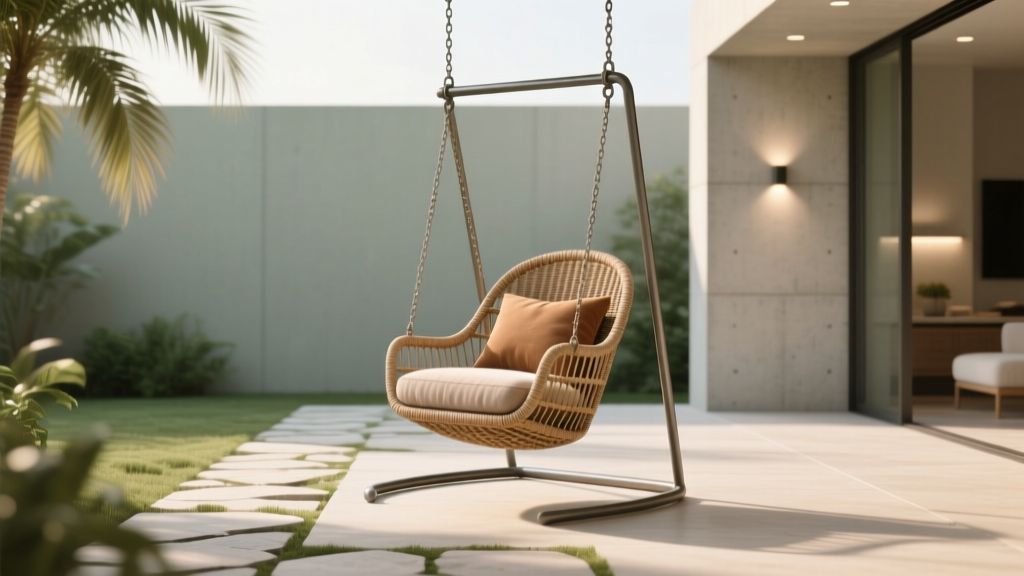
Best Outdoor Swinging Chair Picks - The Decor Mag
A great outdoor space isn’t just about square footage—it’s about how it makes you feel. Few pieces of patio furniture deliver instant “exhale” energy like an outdoor swinging chair. The gentle motion encourages lingering conversations, afternoon naps, and quiet coffee moments that turn a simple deck or garden into a true outdoor living room.
Outdoor swinging chairs also solve a common design challenge: adding comfortable seating without visually crowding the space. A hanging egg chair tucked into a corner can read lighter than a bulky sectional, while a freestanding swing chair can define a patio zone without permanent construction. Whether you’re styling a compact balcony, a poolside retreat, or a backyard pergola, the right swing chair can become the anchor that makes the whole layout click.
This guide shares the best outdoor swinging chair picks by type, plus practical material recommendations, layout ideas, plant pairings, and climate-smart maintenance tips—so your new favorite seat looks good and lasts.
Choosing the Right Outdoor Swinging Chair for Your Space
Start With Placement: Freestanding vs. Hanging
- Freestanding swing chairs come with a sturdy stand—ideal for renters, patios without overhead beams, or anyone who wants flexibility. They’re also the easiest to move for seasonal sun and shade changes.
- Hanging swing chairs attach to a ceiling joist, pergola beam, or a dedicated swing frame. They feel more architectural and can look “built-in,” but they require proper structural support.
Measure for Comfort and Clearance
Before you shop, measure your intended spot and allow room for motion. A swing chair needs space not just for its footprint but for its arc.
- Minimum clearance: plan for 24–36 inches of open space in front and behind the chair.
- Side clearance: at least 18–24 inches on each side so the chair doesn’t bump walls, railings, or planters.
- Ceiling height (hanging chairs): ideally 8 feet or more for comfortable suspension and entry/exit.
Match the Chair to How You’ll Use It
- For daily lounging: prioritize deep seats, plush cushions, and a headrest.
- For conversation areas: pick a chair with a more upright posture and pair it with a small outdoor side table.
- For families: look for stable bases, higher weight capacities, and easy-clean fabrics.
Best Outdoor Swinging Chair Picks by Style and Function
1) The Classic Egg Chair (Best All-Around)
The outdoor egg chair is a patio favorite because it suits almost any outdoor design style—from modern coastal to boho garden. The cocoon shape feels private, even in open yards, and it’s perfect for reading or scrolling in the shade.
What to look for:
- Frame: powder-coated aluminum or galvanized steel for rust resistance
- Weave: UV-stabilized resin wicker (PE rattan) for durability
- Cushions: solution-dyed acrylic (like Sunbrella-type fabrics) or high-quality olefin for fade resistance
- Extras: a stabilizing strap (helps in wind), washable cushion covers, and a protective cover
Budget range: $250–$700 for good quality; $700–$1,500 for premium fabrics, thicker frames, and designer silhouettes.
2) The Double Swing Chair (Best for Couples and Cozy Seating)
If your outdoor living space is meant for shared lounging—think movie nights under string lights or stargazing by a fire pit—a double swing chair offers “sofa comfort” without the footprint of a full sectional.
Design tips:
- Place it as the focal point at the end of a patio, facing the yard or a feature like a fountain or fire bowl.
- Add a low, sturdy table within reach for drinks and snacks.
- Ground the zone with an outdoor rug (polypropylene is a reliable choice for weather resistance).
Budget range: $400–$1,200 depending on frame strength and cushion quality.
3) The Hammock Chair (Best for Small Patios and a Breezy Look)
A hammock chair feels light, relaxed, and perfect for smaller spaces where you want movement without a bulky base. It works beautifully in a garden nook, under a tree, or on a covered porch.
Best materials:
- Outdoor rope or polyester-cotton blends (fast-drying and soft)
- Quilted outdoor fabric for more structure and comfort
Budget range: $60–$250 for most options; $250–$500 for designer-grade weaves and hardware.
4) The Modern Pod Chair (Best for Contemporary Patio Design)
For homeowners leaning into clean lines and modern landscaping, pod-style swing chairs (often with streamlined frames and minimal weaving) look sleek and intentional. They pair well with concrete pavers, black aluminum furniture, and architectural plants.
Style pairings:
- Charcoal frame + light neutral cushion for a high-contrast modern look
- Teak accents nearby (like a side table) to warm up the palette
- Large-format planters with grasses or agave for a sculptural backdrop
Budget range: $500–$1,800 depending on materials and brand.
5) The Porch Swing (Best for Traditional Charm and Family-Friendly Seating)
A classic porch swing brings instant curb appeal and encourages slow evenings outdoors. It’s a smart pick for covered porches and pergolas where you can mount it securely.
Best materials for porch swings:
- Teak: premium, weather-resistant hardwood that ages beautifully
- Cedar: naturally rot-resistant and lighter in weight
- Painted hardwood: best under a roof; requires more upkeep
- Recycled poly lumber: excellent for humid climates and minimal maintenance
Budget range: $250–$900; high-end teak or custom sizes can run $1,000–$2,500.
Materials That Last Outdoors (and What to Avoid)
Best Frame Materials for Outdoor Swing Chairs
- Powder-coated aluminum: lightweight, rust-resistant, great for coastal and humid climates
- Galvanized steel with powder coat: strong and stable; choose thicker gauge and quality finishes
- Teak or eucalyptus: best for a warm, natural look; requires periodic oiling if you want to maintain color
Best Weaves and Fabrics
- Resin wicker (PE rattan): UV-resistant, easy to clean, classic for patio living
- Solution-dyed acrylic: top-tier fade resistance and comfort; great for sunny patios
- Olefin: strong performance at a friendlier price point
Materials to Be Cautious With
- Untreated steel: rusts quickly outdoors
- Cheap woven plastics: can crack and get brittle in intense sun or freezing temps
- Indoor-only cushions: absorb moisture, mildew easily, and fade fast
Outdoor Layout Ideas: Where a Swinging Chair Works Best
Create a “Destination Corner” on the Patio
Turn an unused corner into a retreat with one statement swing chair, layered lighting, and plants that add privacy.
- Place the chair at a 45-degree angle for a more natural, inviting flow.
- Add a 12–18 inch wide side table (stone, concrete, or powder-coated metal).
- Use a tall planter behind it to frame the silhouette and block wind.
Build a Garden Nook Under a Tree or Pergola
A hanging swing chair under dappled shade feels like a resort, especially when surrounded by fragrance and texture.
Plant pairings that elevate the vibe:
- Lavender: sun-loving, fragrant, pollinator-friendly
- Rosemary: drought-tolerant, aromatic, great near seating
- Hydrangeas (partial shade): lush blooms for classic cottage charm
- Ornamental grasses (like fountain grass): movement that echoes the swing’s motion
- Climbing jasmine or clematis: beautiful on pergolas; choose varieties suited to your climate zone
Poolside Swing Seating (Yes, It Works)
Choose quick-dry materials and keep fabrics light to reduce heat buildup.
- Pick mesh-backed cushions or fast-drying foam if available.
- Use a teak or powder-coated aluminum frame for water-friendly durability.
- Anchor the area with salt-tolerant plants if you’re near the coast (try dwarf pittosporum, agave, or lantana depending on region).
Climate and Maintenance: Keep Your Swing Chair Looking New
Hot, Sunny Climates
- Prioritize UV-stabilized resin wicker and solution-dyed acrylic cushions.
- Choose lighter cushion colors to reduce heat absorption.
- Use a shade strategy: umbrella, pergola slats, or a retractable awning for year-round outdoor living comfort.
Humid, Rainy Regions
- Look for rust-resistant hardware (stainless steel is ideal) and quick-dry cushion inserts.
- Store cushions in a deck box during extended rainy stretches.
- Clean mildew early with mild soap, water, and airflow—avoid harsh bleach on delicate fabrics unless the manufacturer allows it.
Coastal and Salt-Air Environments
- Choose powder-coated aluminum or marine-grade finishes when possible.
- Rinse frames periodically to reduce salt buildup.
- Avoid bargain steel stands unless they’re specifically rated for coastal conditions.
Cold Winters and Freeze-Thaw Cycles
- If you can, store the chair under cover or indoors during the harshest months.
- Use fitted furniture covers that breathe (trapped moisture is what causes problems).
- For hanging chairs, inspect the suspension hardware each spring before regular use.
Common Mistakes to Avoid When Buying an Outdoor Swinging Chair
- Ignoring the weight capacity: include the weight of the person plus heavy cushions and blankets.
- Buying the look, not the materials: a gorgeous chair isn’t a deal if it rusts or fades in one season.
- Forgetting clearance: cramped swing arcs lead to scuffed walls, broken plants, and a chair you stop using.
- Skipping a protective cover: even premium patio furniture benefits from protection, especially in shoulder seasons.
- Mounting to the wrong structure: hanging chairs need properly rated beams/joists and hardware; when in doubt, consult a pro.
- Choosing high-maintenance cushions in messy zones: near grills, kids’ play areas, or pool splash zones, pick darker or patterned performance fabrics.
Smart Buying Checklist: What to Look for Before You Commit
- Stand stability: wide base, solid welds, no wobble
- Hardware quality: stainless steel or corrosion-resistant components
- Cushion performance: removable covers, outdoor-rated inserts, and easy cleaning
- Warranty: at least 1 year; better brands offer longer coverage on frames
- Comfort test: seat depth, head support, and entry/exit feel—especially for taller users
FAQ: Outdoor Swinging Chairs
What’s the best material for an outdoor hanging egg chair?
A powder-coated aluminum frame with UV-stabilized resin wicker and solution-dyed acrylic cushions performs best for most patios. It balances weather resistance, comfort, and long-term looks.
Can I hang a swing chair from a pergola?
Yes—if the pergola is structurally designed to handle dynamic loads (swinging motion increases stress). Use properly rated hardware and consider having a contractor confirm the beam sizing and attachment method.
How do I keep my outdoor swing chair cushions from getting musty?
Choose quick-dry inserts, store cushions in a ventilated deck box during wet weeks, and let them fully dry in the sun after rain. Breathable furniture covers help prevent trapped moisture.
Are freestanding swing chairs safe on a deck?
They can be, as long as the base is stable and the deck surface is level. Use a slip-resistant outdoor rug or furniture pads to reduce shifting, and keep the swing arc clear of railings.
What’s a realistic budget for a durable outdoor swing chair setup?
Plan $300–$900 for a solid mid-range chair, plus $40–$150 for a protective cover and $60–$250 for a side table or outdoor rug. Premium setups with designer fabrics and heavy-duty frames often land between $1,000–$2,500+.
Your Next Steps: Make Your Outdoor Swing Chair the Best Seat Outside
Pick the right swing chair style for your patio living goals, measure for clearance, and invest in outdoor-rated materials that match your climate. Then finish the space like a designer: add a side table, layer lighting, and frame the chair with plants that bring texture and seasonal interest. With the right choices, your swing chair becomes a year-round outdoor living essential—perfect for spring mornings, summer shade breaks, crisp fall evenings, and mild winter afternoons under a blanket.
For more patio design, landscaping ideas, and outdoor furniture inspiration, explore the latest outdoor living guides on thedecormag.com.
More Articles
 Best Outdoor Beverage Tub Options - The Decor Mag
 How to Choose the Best Patio Furniture Set - The Decor Mag
 Outdoor Pavilion Projector Screen Setup - The Decor Mag
 How to Create a Square Foot Garden - The Decor Mag
 How to Create a Container Herb Garden - The Decor Mag
 How to Design a Mediterranean Courtyard - The Decor Mag
 Ultimate Style Guide: Designing Outdoor Living Spaces That Reflect Your Personality and Elevate Everyday Life
 DIY Summer Porch Makeover: Budget Refresh Under $100
 Best Outdoor Bar Olive and Pickle Station - The Decor Mag
 Outdoor Pergola Lattice Roof Pattern - The Decor Mag