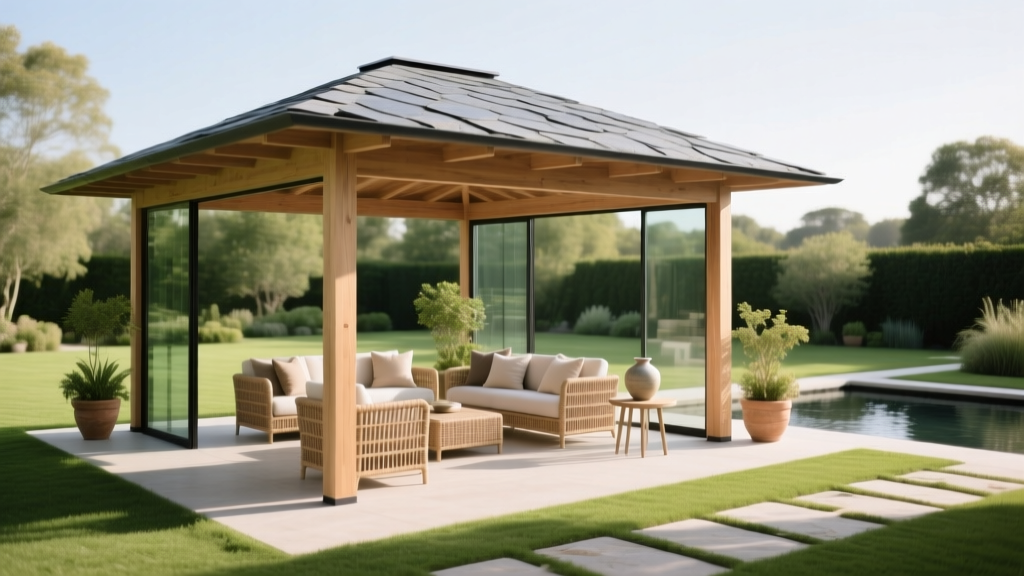
Outdoor Gazebo Design Inspiration - The Decor Mag
A well-designed gazebo can change how you use your yard more than almost any other outdoor living upgrade. It creates a destination—an intentional “room” outside—where morning coffee feels calmer, summer dinners last longer, and weekends naturally gather friends and family. Whether your patio is compact or your garden is sprawling, a gazebo adds shade, structure, and a sense of occasion.
Beyond the charm factor, gazebos solve practical outdoor design problems. They help define zones in open landscapes, protect furniture from harsh sun and sudden rain, and provide an anchor point for lighting, heating, and privacy features. With the right materials and layout, a gazebo can support year-round outdoor living—from breezy spring brunches to cozy fall evenings by a fire table.
Below, you’ll find gazebo design inspiration that’s equal parts beautiful and buildable, plus smart material choices, furniture and plant recommendations, climate considerations, budget ranges, and the most common mistakes homeowners make when planning a gazebo.
Start With the Purpose: What Should Your Gazebo Do?
The best gazebo designs aren’t chosen from a catalog first—they’re shaped by how you want to live outside. Before picking a style, decide what role the gazebo plays in your outdoor living space.
Popular gazebo “jobs” for patios and backyards
- Outdoor dining room: Shelter a dining table, add lighting, and extend dinner season.
- Lounge retreat: Sofas, a coffee table, outdoor rug, and layered lighting for evening relaxation.
- Hot tub pavilion: Privacy screens, slip-resistant flooring, towel hooks, and a moisture-ready ceiling fan.
- Outdoor kitchen cover: Protect grills and prep stations; integrate ventilation and task lighting.
- Garden focal point: Frame a view, create a ceremony spot, or anchor a winding path through plantings.
Right-sizing your gazebo
Use these quick guidelines when planning dimensions (always confirm with your local codes and manufacturer specs):
- 8' x 8' to 10' x 10': Cozy seating nook for 2–4 people or a bistro set.
- 10' x 12' to 12' x 12': Dining table for 6, or a lounge set with circulation space.
- 12' x 14' to 14' x 20'+: Large entertaining zone, outdoor kitchen cover, or combined dining + lounge.
Gazebo Styles That Elevate Outdoor Design
1) Modern pavilion gazebo (clean lines, big impact)
A modern pavilion look suits contemporary homes and streamlined landscape design. Think square posts, minimal trim, and a dark frame that visually “disappears” against greenery.
- Best materials: Powder-coated aluminum, steel, or stained cedar with crisp profiles.
- Roof ideas: Standing-seam metal roof (sleek and long-lasting) or polycarbonate panels for filtered light.
- Furniture pairing: Low-profile sectional in neutral performance fabric; teak or concrete coffee table.
- Plant suggestions: Boxwood spheres, ornamental grasses (Karl Foerster feather reed grass), and structured planters with snake plant in warm climates.
2) Classic wood gazebo (timeless garden architecture)
Traditional wood gazebos shine in cottage gardens, colonial-style homes, and landscapes with brick paths or mature trees. They read romantic without feeling fussy if you keep the palette simple.
- Best materials: Cedar (naturally rot-resistant), redwood (premium), or pressure-treated pine with high-quality stain.
- Roof ideas: Asphalt shingles to match the house roofline, or cedar shake for rustic charm.
- Furniture pairing: Wrought iron dining set, or a painted bench with outdoor cushions.
- Plant suggestions: Climbing roses, clematis, fragrant jasmine (warm climates), and hydrangeas around the perimeter.
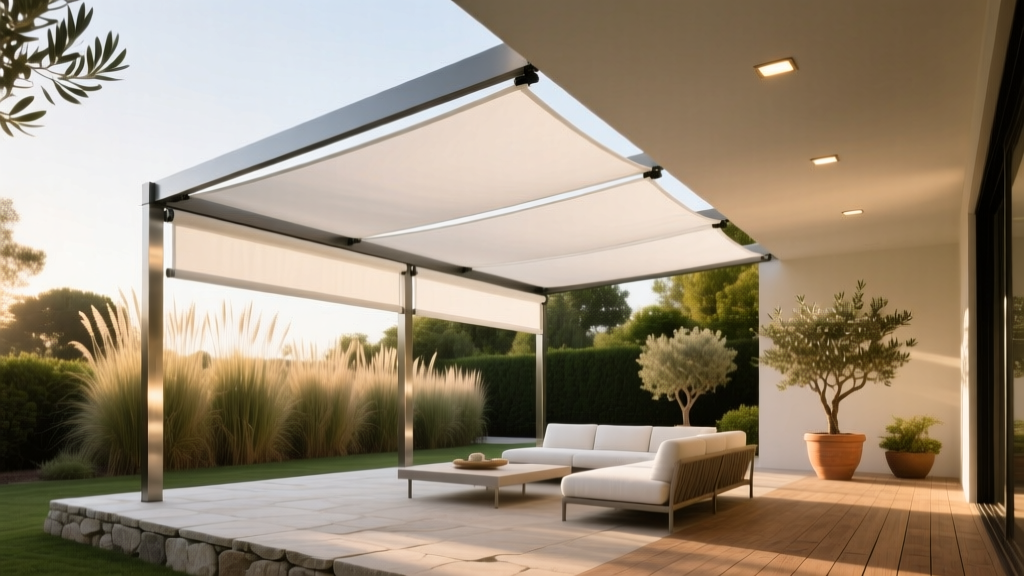
3) Pergola-gazebo hybrid (airy shade with flexible coverage)
If you want sun control without a fully enclosed roofline, consider a pergola-style gazebo with an adjustable canopy or louvered top. It’s a favorite for patios where you still want sky views.
- Best materials: Cedar, aluminum with a retractable canopy, or motorized louvered systems for maximum control.
- Design upgrade: Add side curtains or screens for wind and privacy.
- Plant suggestions: Grapevines (where appropriate), wisteria (only with sturdy structures and regular pruning), or climbing honeysuckle.
4) Coastal or breezy cabana-style gazebo
For pool areas or sun-heavy yards, cabana-inspired gazebos feel resort-like and functional. The key is breathable shade and fabrics that handle humidity and chlorine exposure.
- Best materials: Powder-coated aluminum, marine-grade hardware, quick-dry foam cushions.
- Color palette: White, sand, driftwood gray, and muted blues.
- Plant suggestions: Dwarf palms, bird of paradise (warm climates), lavender (dry climates), and salvia for pollinators.
Layouts That Make a Gazebo Feel Like an Outdoor Room
Zone it like interior design
The most inviting patio living spaces use the same principles as a living room: define boundaries, provide lighting layers, and create a clear “front door” entry path.
Layout ideas you can copy
- Conversation circle: Four lounge chairs + round fire table in the center (excellent for smaller gazebos).
- Family lounge: Sectional + two poufs + nesting side tables; keep one side open for flow to the yard.
- Dining focus: Rectangular dining table centered under the roof; add a buffet console or bar cart along the back post line.
- Dual-zone entertaining: Dining on one side, lounge on the other; anchor with an outdoor rug under each zone.
Practical spacing guidelines
- Allow 36 inches for primary walkways.
- Leave 24–30 inches behind dining chairs to sit comfortably.
- Keep coffee tables 14–18 inches from seating edges.
Material Recommendations: What Holds Up Outdoors
Frames and structure
- Cedar: Beautiful, naturally rot-resistant, and lighter than many hardwoods; stains well.
- Redwood: Premium look and durability; higher cost and region-dependent availability.
- Powder-coated aluminum: Low maintenance, corrosion-resistant, ideal for humid or coastal climates.
- Steel: Strong and sleek; choose galvanized or properly coated steel to prevent rust.
Roofing options
- Standing-seam metal: Long lifespan, great for rain/snow shedding, modern aesthetic.
- Shingles: Easy to match your home; good for a cohesive outdoor design.
- Polycarbonate panels: Filtered light, lighter weight, good for plant-friendly brightness.
- Fabric canopies: Budget-friendly and flexible; expect periodic replacement depending on sun exposure.
Flooring and base ideas
- Paver patio: Classic, repairable, and excellent for drainage when installed correctly.
- Stamped concrete: Clean, continuous surface; choose a slip-resistant finish.
- Composite deck platform: Great where grade changes; low maintenance and splinter-free.
- Gravel with paver “stepping pads”: Casual and cost-effective; use edging to keep it tidy.
Furniture, Lighting, and Comfort Upgrades
Furniture picks that feel elevated and last
- Seating: Powder-coated aluminum frames, teak, or all-weather wicker with UV-resistant weave.
- Cushions: Solution-dyed acrylic fabrics (like Sunbrella-style performance textiles) for fade resistance.
- Tables: Teak, powder-coated metal, high-quality HDPE lumber, or sealed concrete for a modern edge.
- Storage: Outdoor storage bench or a slim deck box to protect pillows seasonally.
Lighting that makes gazebo living feel magical
- Overhead: Damp-rated chandelier or pendant for dining; dimmable is ideal.
- Ambient: String lights tucked along beams, or warm LED strip lighting in a discreet channel.
- Task: Wall-mounted sconces on posts near a grill or serving area.
- Safety: Path lights or low-voltage step lights leading to the gazebo.
Year-round comfort essentials
- Ceiling fan: Choose a damp-rated model for airflow in humid summers.
- Heaters: Electric infrared heaters for targeted warmth; propane patio heaters for flexible placement.
- Privacy and wind control: Outdoor curtains, roll-down screens, slatted wood panels, or planter walls.
Planting Around a Gazebo: Create Privacy, Shade, and Seasonal Color
Plant strategies that work in real yards
- Layered borders: Tall screening plants behind medium shrubs and low perennials for a designer look.
- Living privacy: Use evergreens or ornamental grasses to soften views without building walls.
- Pollinator-friendly edges: Add lavender, salvia, coneflower, and nepeta near seating—fragrant but not overwhelming.
- Container “columns”: Large pots at gazebo corners with thriller/filler/spiller plant combos.
Specific plant suggestions by goal
- Privacy screens: Arborvitae (cooler climates), clumping bamboo (warm climates; choose non-invasive varieties), wax myrtle (mild climates).
- Fragrance: Jasmine (warm climates), lilac (cool climates), rosemary (mild/dry climates).
- Low-maintenance color: Daylilies, sedum, black-eyed Susan, and catmint.
- Soft, modern movement: Fountain grass, feather reed grass, blue fescue.
Seasonal planning for year-round interest
- Spring: Bulbs (daffodils, tulips) and flowering shrubs near the entry path.
- Summer: Heat-tolerant perennials and container annuals for long bloom cycles.
- Fall: Ornamental grasses and mums; add warm lighting as days shorten.
- Winter: Evergreens, red twig dogwood, and hardscape details (pavers, boulders, lighting) to maintain structure.
Climate and Maintenance Considerations
Hot and sunny climates
- Prioritize UV-resistant materials (solution-dyed fabrics, powder-coated frames).
- Consider vented roofs or louvers to release heat.
- Use light-colored roofing to reduce heat absorption.
Humid, rainy, or coastal regions
- Choose aluminum or properly coated steel to reduce corrosion risk.
- Use stainless or marine-grade hardware whenever possible.
- Plan for drainage: gutters, downspouts, or gravel strips where water falls off the roof.
Snowy or windy areas
- Select a roof designed for snow loads and confirm engineering requirements.
- Anchor properly with concrete footings or manufacturer-approved mounting systems.
- Avoid flimsy canopies; opt for hard roofs or high-quality louvered systems rated for wind.
Maintenance checklist (simple but effective)
- Wash roof and frame seasonally to prevent mildew and staining.
- Re-seal or re-stain wood every 2–4 years depending on sun exposure.
- Tighten hardware annually and check for rust or movement.
- Store cushions in wet seasons; clean fabrics with manufacturer-approved solutions.
Budget Ranges: What a Gazebo Really Costs
- Budget-friendly ($800–$3,000): Soft-top gazebos, basic kits, gravel bases, simple string lighting.
- Mid-range ($3,000–$10,000): Quality aluminum or wood kits, paver or concrete base, upgraded lighting, curtains/screens.
- High-end ($10,000–$30,000+): Custom pavilion structures, standing-seam metal roof, built-in lighting/heaters, outdoor kitchen integration, premium hardscaping and landscaping.
Tip: Set aside 15–25% of your gazebo budget for the “supporting cast”—base construction, electrical, drainage, and furnishings—so the finished space feels complete.
Common Gazebo Design Mistakes to Avoid
- Placing it without considering sun and wind: A gazebo that bakes at 4 p.m. won’t be used. Track sun angles and prevailing breezes before final placement.
- Skipping the base: An uneven or poorly drained foundation causes wobble, pooling water, and premature wear.
- Choosing style without matching the home: Aim for complementary rooflines, colors, and materials for a cohesive outdoor design.
- Not planning for lighting and power: Add conduit or outlets during installation; retrofitting later is harder and costlier.
- Overcrowding with furniture: Leave breathing room for movement and make sure doors/paths aren’t blocked.
- Ignoring maintenance realities: If you don’t want to stain wood regularly, choose aluminum or composite-friendly solutions.
FAQ: Outdoor Gazebo Design and Planning
Do I need a permit to build a gazebo?
Many areas require permits depending on size, height, and whether it’s a permanent structure with electrical. Check local building codes and HOA rules before purchase or construction.
What’s the best location for a gazebo in the backyard?
Common winning spots include: adjacent to the patio for easy access, near the garden as a focal point, or positioned to capture the best view. Prioritize level ground, drainage, and comfortable sun exposure.
How do I make my gazebo feel private without closing it in?
Use a mix of outdoor curtains, roll-down screens, and plantings. Tall planters with ornamental grasses or evergreen shrubs provide privacy while keeping airflow and an open feel.
What furniture works best under a gazebo?
Choose weather-resistant seating (powder-coated aluminum, teak, or all-weather wicker) with performance cushions. For dining, ensure there’s enough clearance to pull chairs out comfortably and consider a rug that’s made for outdoor use.
How can I use a gazebo in colder seasons?
Add an infrared heater, outdoor-rated lighting, wind-blocking curtains or screens, and cozy textiles you can store in a deck box. A fire table (with proper ventilation and clearances) can also extend patio season well into fall and winter.
What’s the easiest gazebo option to maintain?
Powder-coated aluminum frames with a hard roof (metal or polycarbonate) are among the lowest-maintenance choices, especially in humid or coastal climates.
Your Next Steps: Turn Inspiration Into a Plan
Pick one primary function for your gazebo—dining, lounging, spa cover, or outdoor kitchen—then map the right size and placement based on sun, wind, and how you move through your yard. Choose materials that match your climate and maintenance comfort level, and design the surrounding landscaping so the gazebo feels like it belongs, not like it landed there.
Ready to keep building your dream outdoor living space? Explore more patio, landscaping, and backyard design ideas on thedecormag.com.
More Articles
 Outdoor Kitchen Rotisserie Attachment Guide - The Decor Mag
 How to Create a Hugelkultur Garden Bed - The Decor Mag
 How to Choose Outdoor Umbrella or Sail Shade - The Decor Mag
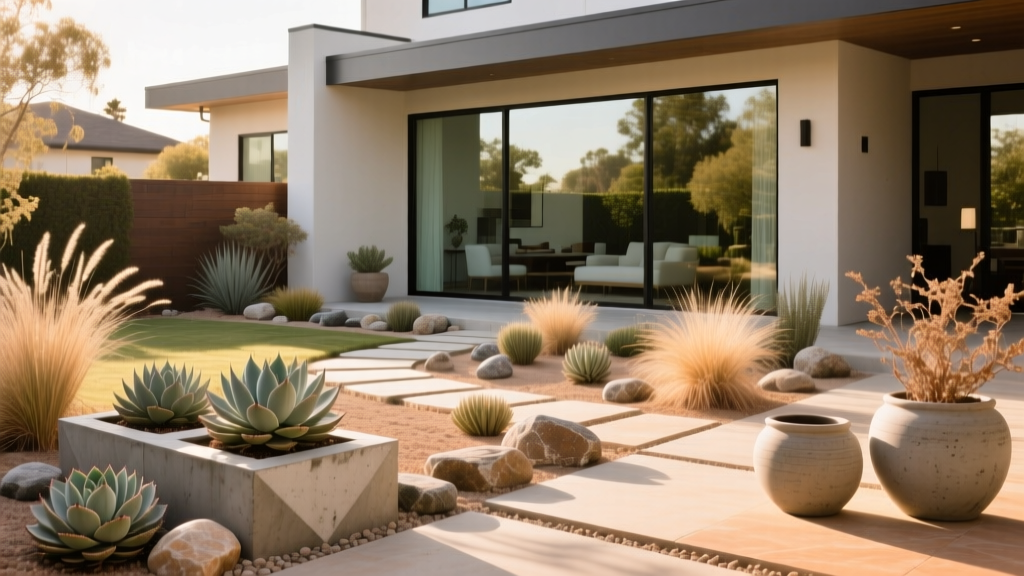 How to Design a Drought-Tolerant Landscape - The Decor Mag
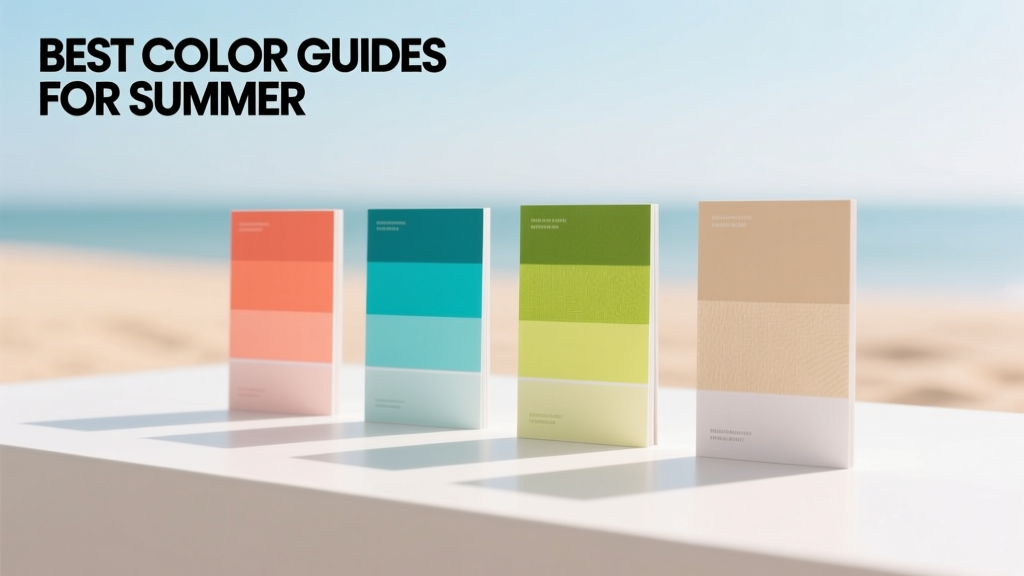 Best Color Guides for Summer: Science-Backed Palettes for Outdoor Living Spaces
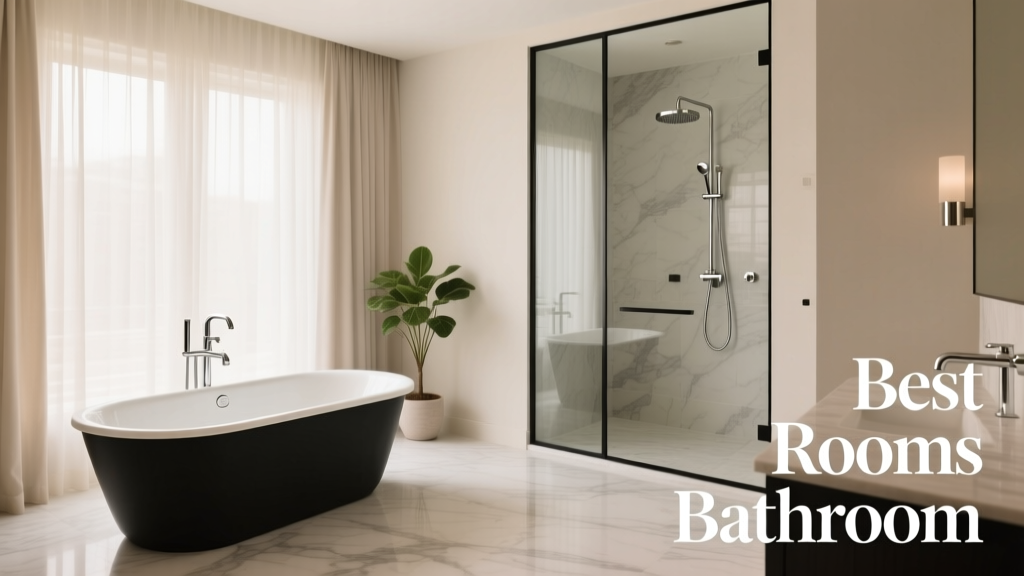 Best Rooms Bathroom: Design Excellence, Functionality, and Real-World Performance
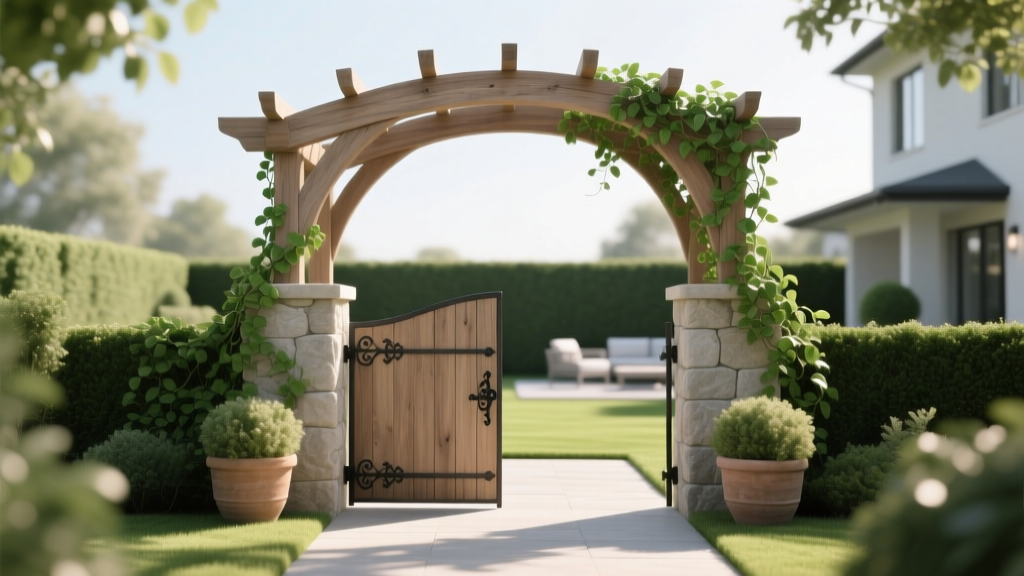 Outdoor Arbor and Gate Design Ideas - The Decor Mag
 Outdoor Pergola Motorized Shade System - The Decor Mag
 Best Outdoor Bar Coaster Set Ideas - The Decor Mag
 How to Create a Butterfly Garden - The Decor Mag