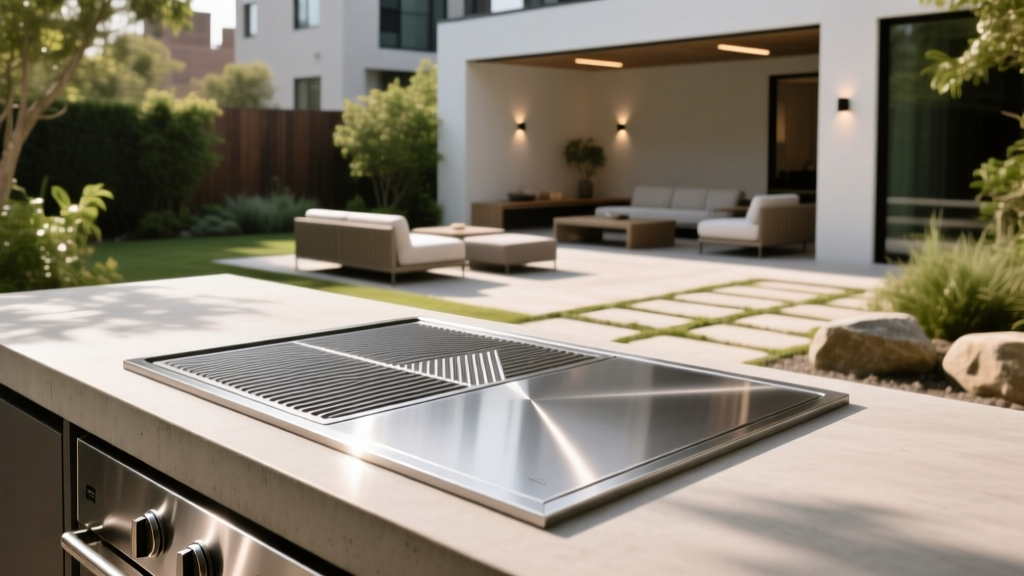
Outdoor Kitchen Griddle Top Surface Guide - The Decor Mag
An outdoor kitchen griddle can change how you use your patio—fast breakfasts outside, weeknight fajitas without smoking up the house, and crowd-friendly smash burgers that feel like a backyard event. But the griddle top surface is where performance really lives. The right surface heats evenly, cleans easily, resists weather, and fits the way you cook (and entertain) year-round.
Homeowners often focus on burners, BTUs, and the size of the appliance, then get frustrated when food sticks, rust shows up after rain, or the griddle becomes a chore instead of a centerpiece. Choosing the right griddle cooking surface—and designing the surrounding outdoor living space to support it—keeps your outdoor kitchen functional, beautiful, and ready for every season.
This guide breaks down griddle top materials, ideal layouts, maintenance routines, climate considerations, and design choices that make your patio kitchen feel intentional. You’ll also find plant ideas to soften hardscape, furniture recommendations for comfortable hosting, and budget ranges so you can plan with confidence.
What Makes a Great Outdoor Griddle Top Surface?
The best outdoor griddle top surface balances four essentials: heat performance, durability, maintenance, and lifestyle fit. Before comparing materials, know what “good” looks like.
- Even heat distribution: Minimizes hot spots so pancakes, veggies, and proteins cook consistently.
- Strong heat retention: Helps maintain temperature when you add cold food (especially for searing and smash burgers).
- Weather resistance: Stands up to humidity, coastal air, freeze-thaw cycles, and intense sun.
- Easy cleanup: A surface you’ll actually use on weeknights, not only for parties.
- Food compatibility: Works for delicate items (fish, eggs) as well as high-heat searing.
Quick Pre-Planning Checklist
- How often will you cook outdoors? Weekend-only vs. 3–5 times/week changes what “low maintenance” needs to be.
- Do you want year-round patio cooking? Consider wind, rain protection, and storage for tools.
- What’s your climate? Humidity and salt air push you toward rust-resistant surfaces and better covers.
- How much prep space do you need? Plan landing zones for trays, oils, and cooked food.
Griddle Top Surface Materials: Pros, Cons, and Best Uses
Cold-Rolled Steel (Carbon Steel)
Cold-rolled steel is the classic outdoor griddle surface—popular for a reason. It seasons like cast iron, develops a natural nonstick patina, and provides excellent searing performance.
- Best for: Smash burgers, fajitas, breakfast spreads, high-heat cooking, frequent use.
- Pros: Great heat response, strong sear, durable, typically more affordable than stainless.
- Cons: Needs regular seasoning; can rust if left wet or stored uncovered.
- Maintenance level: Moderate (easy once you have a routine).
Design tip: If you love the look of a “chef’s station” patio kitchen, cold-rolled steel paired with a stainless tool rail and a dark stone countertop looks intentional and professional.
Cast Iron (Rare for Large Built-In Griddles, Common for Inserts)
Cast iron holds heat beautifully and excels at steady, consistent cooking. It’s common as griddle plates or inserts rather than full-size outdoor griddle tops.
- Best for: Searing, steady heat, smaller griddle zones, grill-to-griddle flexibility.
- Pros: Excellent heat retention, seasons well, classic cooking feel.
- Cons: Heavy, slower to heat, can crack if thermally shocked, rust risk if neglected.
- Maintenance level: Moderate to high depending on climate.
Climate note: In humid regions, cast iron demands consistent drying and oiling—great if you enjoy the ritual, frustrating if you want “wipe and walk away.”
Stainless Steel (Cooking Surface Grade Varies)
Stainless steel griddle tops are appealing for low-rust anxiety, especially near pools or coastal patios. Performance depends on thickness and construction (clad layers improve heat spread).
- Best for: Coastal yards, poolside outdoor kitchens, homeowners who prioritize corrosion resistance.
- Pros: Highly rust-resistant, lower maintenance, clean aesthetic that matches outdoor kitchen cabinetry.
- Cons: Can have more hot spots if thin; food can stick more without proper preheat and oiling; often pricier.
- Maintenance level: Low to moderate.
Pro tip: Look for thicker stainless tops or multi-layer designs for better heat distribution. If the top is thin, you may fight uneven browning.
Chrome-Plated or Enamel-Coated Surfaces
Some griddles offer coated cooking surfaces that clean easily. They can be appealing for low-maintenance outdoor living, but they require gentler tools.
- Best for: Lighter-duty cooking, homeowners who prioritize easy cleanup and a tidy look.
- Pros: Faster cleanup, less seasoning work, often resists sticking.
- Cons: Coatings can scratch or wear; may limit the use of metal scrapers; replacement can be costly.
- Maintenance level: Low (but be careful with tools).
Choosing the Right Thickness and Size for Patio Cooking
Material matters, but thickness is the hidden hero. A thicker griddle top typically delivers better temperature stability and fewer hot spots—especially helpful when entertaining.
Thickness Guidelines (Practical Range)
- Entry level: Thinner tops heat quickly but can cool down when you add lots of food.
- Mid-range: A sweet spot for most homeowners—good heat stability without excessive preheat time.
- Heavy-duty: Excellent for frequent cooks and parties; more thermal mass and consistent searing.
Size Recommendations by Household
- Couples / small patios: A compact griddle is easier to fit into tight outdoor kitchen layouts.
- Families: Medium sizes handle breakfast plus dinner rotation without crowding.
- Entertainers: Larger griddles shine when cooking multiple zones—protein, veg, and buns at once.
Layout reminder: Always plan for at least one “landing zone” next to the griddle for trays and utensils. A griddle without prep space feels cramped, no matter how large it is.
Outdoor Kitchen Design: Layouts That Make a Griddle Feel Built-In
A great griddle station is about workflow: prep, cook, serve, relax. When your outdoor kitchen layout supports movement, the patio becomes a true outdoor living room.
Best Layout Options
- Linear wall: Ideal for narrow patios and fence-line installations. Place the griddle between prep and serving zones.
- L-shape: Creates a natural cooking corner and helps keep guests out of the heat zone.
- U-shape: Best for serious entertaining; provides generous counter space and a built-in social hub.
- Island with griddle: Great for open yards; face the seating so the cook stays part of the conversation.
Clearances and Comfort (Homeowner-Friendly Rules)
- Walkway space: Keep pathways comfortable so guests can circulate without clustering near hot surfaces.
- Wind management: If your patio is windy, consider a pergola side panel, privacy screen, or hedge to reduce flare-ups and heat loss.
- Lighting: Add task lighting over the griddle for winter evenings and shorter fall days.
Materials Around the Griddle: Counters, Backsplashes, and Flooring
The griddle top is only part of the surface story. Surrounding materials affect safety, cleanup, and how elevated your outdoor design feels.
Countertop Pairings That Work
- Leathered granite: Durable, heat-tolerant, forgiving with smudges; great for everyday patio living.
- Concrete (sealed): Modern and customizable; choose high-quality sealers for stain resistance.
- Porcelain slabs: Extremely durable, UV-stable, sleek; excellent for contemporary outdoor kitchens.
- Stainless steel counters: Commercial look and easy sanitation; can show fingerprints but performs well.
Backsplash and Wall Protection
- Porcelain tile: Easy to clean splatter; many stone-look options for cohesive landscaping design.
- Natural stone veneer: Warm, organic feel; seal appropriately in freeze-thaw climates.
- Stainless or aluminum panels: Practical behind high-splatter zones like a griddle station.
Flooring and Hardscape Ideas
- Concrete pavers: Easy to repair and replace; great traction for outdoor cooking areas.
- Porcelain pavers: Crisp, modern look with low porosity; excellent for low-maintenance patios.
- Natural stone (travertine, bluestone): Elevated aesthetic; choose finishes with slip resistance.
Planting Around an Outdoor Kitchen: Soften the Hardscape Without the Mess
Strategic landscaping makes an outdoor kitchen feel like a destination instead of an appliance lineup. Aim for plants that handle heat, occasional grease mist, and foot traffic while enhancing privacy.
Best Plants Near a Patio Griddle (Low-Litter Picks)
- Rosemary: Tough, fragrant, drought-tolerant; doubles as a cooking herb.
- Lavender: Pollinator-friendly and tidy; great along a sunny patio edge.
- Dwarf boxwood or inkberry holly: Clean lines for structure near modern outdoor kitchens.
- Ornamental grasses (e.g., fountain grass varieties appropriate to your region): Movement and softness; place away from open flames.
- Succulents (warm climates): Minimal mess and strong sculptural style.
Edible Landscaping That Actually Works
- Raised herb planters: Basil, thyme, chives, oregano—keep them within a few steps of the griddle.
- Patio citrus (mild climates): Container lemons or limes near seating for scent and color.
- Vertical herb wall: A space saver for small patios; looks great next to a pergola post.
Placement tip: Avoid placing resinous, oily, or highly flammable plants directly beside the griddle. Give plantings a buffer zone and use gravel or stone mulch near cooking areas for a cleaner, safer edge.
Climate and Year-Round Outdoor Living Considerations
Hot, Sunny Climates
- Surface choice: Stainless or well-seasoned steel both work; focus on shade and airflow.
- Design upgrade: Add a pergola with a slatted roof or shade sail to reduce glare on the cooktop.
- Maintenance: UV-resistant covers; protect nearby composite cabinetry from direct afternoon sun.
Humid or Rainy Regions
- Surface choice: Stainless excels; cold-rolled steel works if you’re disciplined about seasoning and drying.
- Design upgrade: Consider a roof extension, pavilion, or retractable awning for storm-ready cooking.
- Maintenance: Keep a dedicated towel and oil near the station; wipe dry after every cook.
Cold Winters and Freeze-Thaw Zones
- Surface choice: Thicker tops maintain heat better in cold air.
- Design upgrade: Wind screens, curtains, or privacy panels help retain heat and extend the patio season.
- Maintenance: Store tools indoors; avoid leaving water pooled on the surface.
Coastal and Salt-Air Environments
- Surface choice: Stainless is often the most forgiving; invest in high-quality covers.
- Design upgrade: Choose corrosion-resistant outdoor kitchen hardware and fasteners.
- Maintenance: Rinse exterior surfaces periodically and dry thoroughly to prevent salt buildup.
Maintenance Routines That Keep Your Griddle Top Looking New
A griddle surface lasts longer when maintenance is simple and consistent. Build a routine that matches your lifestyle.
After Every Cook (5-Minute Reset)
- Scrape food bits while the surface is warm (use appropriate tools for your surface).
- Wipe with a damp cloth or add a small amount of water to release stuck-on residue (use caution with steam).
- Dry thoroughly.
- Apply a thin layer of high-smoke-point oil (for steel/cast iron seasoning).
Weekly or Monthly (Depending on Use)
- Deep clean: Remove grease buildup around edges and grease management systems.
- Inspect: Check for rust spots, loose hardware, or warped areas.
- Re-season: If food begins sticking or the surface looks dull or patchy.
Best Oils for Seasoning (Common Favorites)
- Avocado oil: High smoke point, popular for seasoning.
- Grapeseed oil: Thin, effective polymerization.
- Canola oil: Budget-friendly and widely available.
Outdoor Living Add-Ons: Furniture and Hosting Essentials Near the Griddle
The best outdoor kitchens are designed for comfort, not just cooking. Place furniture so guests can gather without crowding the chef.
Furniture Recommendations
- Bar-height counter seating: Works well with an island griddle; choose weather-resistant frames (powder-coated aluminum, stainless, or teak).
- Outdoor dining set: Ideal if the griddle is your main cooking appliance; look for easy-clean tabletops (porcelain, aluminum, sealed teak).
- Modular lounge seating: Creates a living-room feel—position it downwind from the griddle.
- Rolling serving cart: A practical bridge between cooking and dining zones.
Comfort and Lighting
- Task lighting: Under-pergola fixtures or focused lights over the cook area.
- Ambient lighting: Path lights along pavers, string lights for glow, and step lights for safety.
- Warmth for shoulder seasons: Infrared heaters under a covered patio extend fall and winter cooking.
Budget Ranges: What Homeowners Can Expect
Costs vary by size, fuel type, and whether you’re building a full outdoor kitchen or adding a griddle to an existing patio setup.
- Budget-friendly upgrade: Griddle + simple prep cart + basic cover (often $300–$1,200).
- Mid-range outdoor kitchen zone: Built-in griddle, durable countertop, storage, lighting (often $3,000–$10,000 depending on materials and utilities).
- High-end outdoor living build: Full island, premium counters, integrated lighting, pergola/pavilion, high-end appliances (often $12,000–$35,000+).
Value strategy: Spend more on the griddle surface quality and weather protection (covers, roofline, storage). You can elevate the look with smart landscaping and lighting without overspending on finishes.
Common Mistakes to Avoid
- Choosing a surface that doesn’t match your climate: Humid areas punish neglected steel; coastal zones punish cheap hardware and thin covers.
- Skipping prep space: A griddle without landing zones becomes stressful during parties.
- Overusing water and leaving it to sit: Pooled moisture invites rust and surface issues.
- Using the wrong tools on coated surfaces: Metal scrapers can damage enamel or specialty coatings.
- Placing the griddle in a wind tunnel: Wind ruins heat consistency and comfort; use screens, hedges, or thoughtful placement.
- Forgetting storage: No dedicated drawer/bin for oils, scrapers, and towels leads to cluttered counters.
FAQ: Outdoor Griddle Top Surfaces
What’s the best griddle top surface for an outdoor kitchen?
For many homeowners, cold-rolled steel offers the best balance of searing performance, durability, and cost—if you’ll maintain seasoning. If you’re near the ocean or want lower-rust stress, stainless steel is often the better match.
Do I need to season an outdoor griddle top?
If your griddle top is carbon steel or cast iron, seasoning helps prevent sticking and protects against rust. Stainless typically doesn’t need traditional seasoning, but it still benefits from proper preheating and light oiling for better release.
How do I prevent rust on my outdoor griddle?
Dry the surface after cleaning, apply a thin protective oil layer (for steel/cast iron), and use a well-fitted cover. In rainy or humid climates, adding a covered patio roof or storing the griddle in a protected zone makes a big difference.
Can I keep my griddle outside all year?
Yes, if it’s designed for outdoor use and you protect it with quality covers and smart placement. For year-round outdoor living in cold climates, consider wind protection, task lighting, and nearby storage so winter cooks are still easy.
What countertop material pairs best with a griddle station?
Porcelain slabs and leathered granite are top performers for outdoor kitchens because they’re durable, attractive, and easier to keep clean around splatter zones. Concrete can work beautifully when properly sealed and maintained.
Where should I place a griddle in my outdoor kitchen layout?
Place it where you have strong airflow but not direct wind, with a prep counter immediately beside it and a safe path for guests to circulate. If you love entertaining, an island setup that faces seating keeps the cook engaged with the patio conversation.
Next Steps: Build a Griddle Station That Feels Like a Destination
Start by choosing a griddle top surface that fits your climate, cooking style, and maintenance tolerance. Then design the surrounding outdoor kitchen with prep space, wind protection, and durable patio materials that can handle heat, splatter, and weather. Finish the space with low-litter landscaping, layered outdoor lighting, and seating that invites people to linger through every season.
For more outdoor kitchen ideas, patio living inspiration, and landscaping design tips, explore the latest guides on thedecormag.com.
More Articles
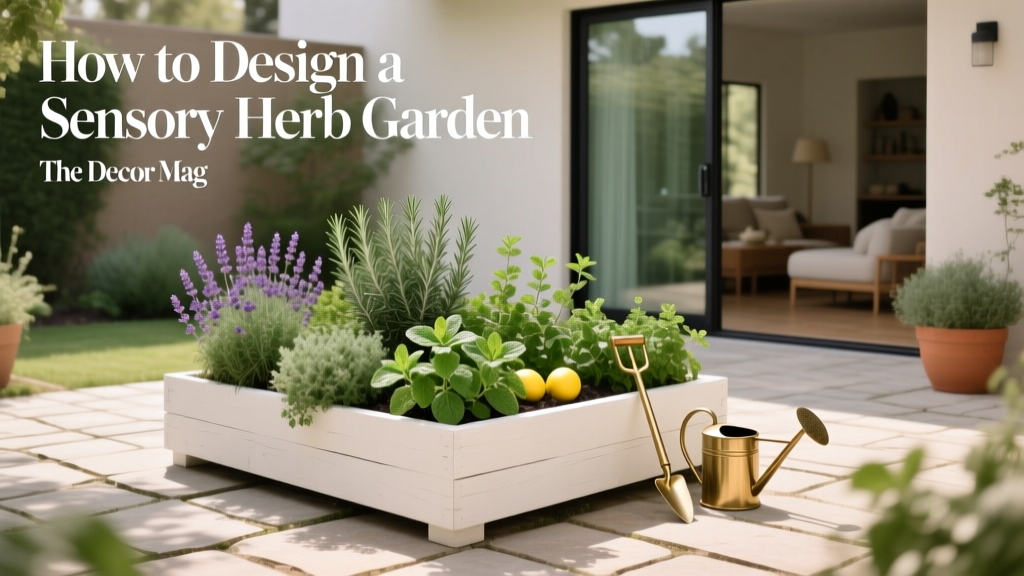 How to Design a Sensory Herb Garden - The Decor Mag
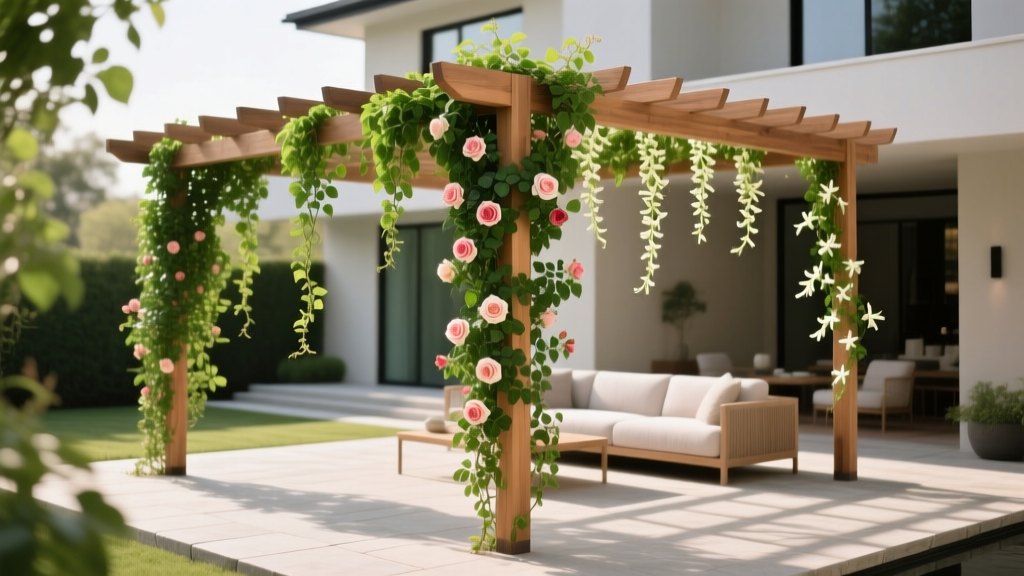 Outdoor Trellis and Climbing Plant Ideas - The Decor Mag
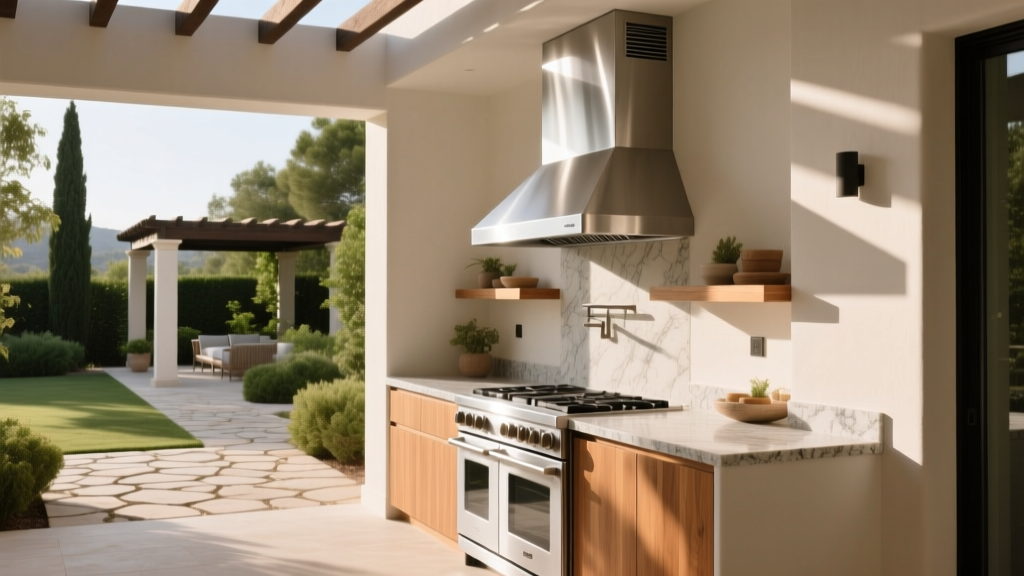 Outdoor Kitchen Ventilation Guide - The Decor Mag
 The Ultimate Paint Guide for Outdoor Living Spaces: Durability, Color Science, and Real-World Performance
 How To Clean Living: A Practical Guide to Healthier Outdoor Spaces and Sustainable Habits
 Outdoor Pavilion Insect Screen Options - The Decor Mag
 Outdoor Kitchen Range Hood Exterior - The Decor Mag
 How to Create a Vegetable Garden Layout - The Decor Mag
 Garden Room and Greenhouse Design - The Decor Mag
 Outdoor Pavilion Projector Screen Setup - The Decor Mag