How to Design a Cottage Core Garden - The Decor Mag
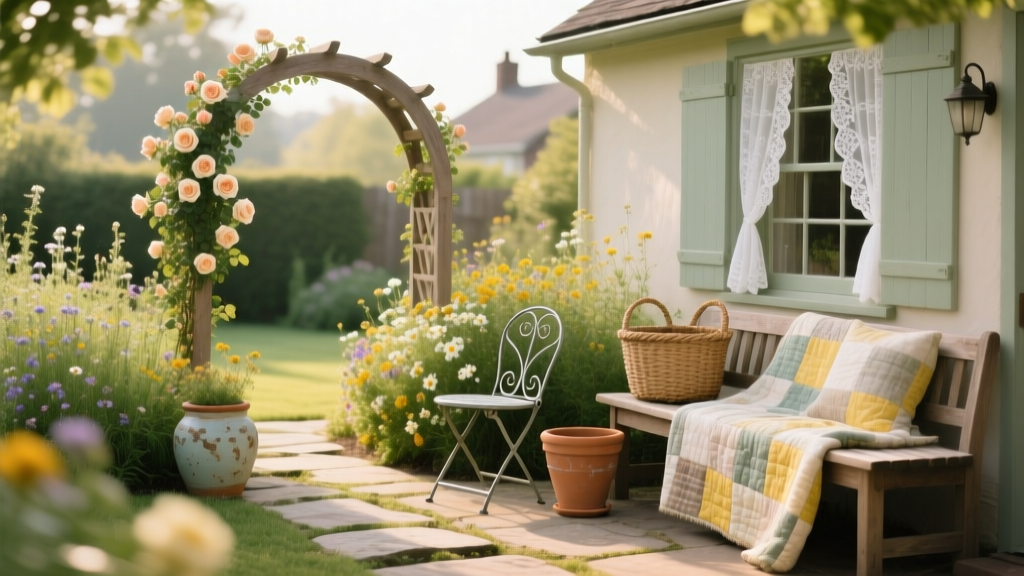
A cottage core garden isn’t just a planting style—it’s an outdoor living experience. Think winding paths, fragrant blooms, birdsong, and a patio that feels like it belongs to a storybook. For homeowners, this aesthetic delivers something especially valuable: a relaxed, lived-in landscape that’s beautiful up close, welcoming for guests, and forgiving if you’re not aiming for “perfectly manicured.”
When designed thoughtfully, cottage gardens also make everyday outdoor life richer. They soften fences and hardscape, create privacy without harsh walls, and turn patios into destinations. You get season-long color, pollinator activity, and plenty of cut flowers—plus a yard that looks better every year as plants mature and self-seed.
The goal is simple: layered planting, charming materials, and outdoor spaces that invite lingering. Here’s how to design a cottage core garden that feels authentic, functions well for patio living, and works with your climate and maintenance level.
What Makes a Garden “Cottage Core”?
Cottage core garden design blends abundance with practicality: edible herbs next to flowers, climbing vines over arbors, and paths that meander instead of marching in straight lines. The overall look is romantic, but the best versions are grounded in smart landscape design principles—structure, circulation, and seasonal planning.
Cottage Garden Essentials
- Layered planting: tall back plants, mid-height bloomers, and low edging plants woven together.
- Soft structure: picket fences, hedges, trellises, and arbors used to frame views.
- Curved pathways: decomposed granite, brick, gravel, or stepping stones.
- Mixed-use planting: flowers, herbs, fruiting shrubs, and pollinator plants together.
- Seasonal rhythm: bulbs in spring, big blooms in summer, seed heads and foliage in fall, evergreen anchors in winter.
Start with a Plan: Layouts That Feel Effortless (But Aren’t)
Even “wild” cottage gardens need a backbone. A few strong layout choices keep the look charming rather than chaotic—especially around patios, walkways, and outdoor seating areas.
Step 1: Define Your Outdoor Living Zones
Map the yard into functional zones before choosing plants. Most cottage core landscapes work best with three core areas:
- Arrival zone: front gate, walkway, porch border, or entry path with fragrance and welcoming color.
- Patio living zone: dining or lounging area framed by planting beds, containers, and vertical greenery.
- Garden stroll zone: a loop path, side yard walkway, or stepping-stone route that invites wandering.
Step 2: Choose a Simple Path System
A cottage core garden shines when you can move through it. Good circulation prevents trampling plants and keeps maintenance manageable.
- Minimum path width: 30–36 inches for comfortable walking; 42 inches if you want side-by-side strolling.
- Make it loop: a small loop path feels bigger than a dead-end walkway.
- Edge it subtly: steel edging, brick soldier course, or low herbs (like creeping thyme) keep materials in place.
Step 3: Add Structure Before Flowers
Structure is what makes the garden feel designed year-round—even in winter. Use a few “anchors,” then let the planting be abundant.
- Vertical elements: cedar trellis panels, wrought iron arches, or cattle-panel arbors for climbing roses and clematis.
- Evergreen bones: dwarf boxwood alternatives (like inkberry holly), compact yew, or rosemary in mild climates.
- Hardscape anchors: a small gravel patio, brick sitting area, birdbath, or bistro set nook.
Materials That Nail the Cottage Core Look
Materials set the tone. Cottage style favors patina, texture, and natural finishes—perfect for landscaping and patio design that doesn’t feel overly modern.
Best Hardscape Materials
- Brick (reclaimed or tumbled): ideal for patios, garden paths, and edging. Warm, timeless, and easy to repair.
- Decomposed granite (DG): a classic for winding paths; choose stabilized DG for better durability and fewer ruts.
- Pea gravel: budget-friendly and charming for patios; use edging to keep it contained.
- Natural stone (flagstone or bluestone): works beautifully as stepping stones set in gravel or groundcover.
- Wood: cedar pergolas, painted picket fences, and simple benches. Use exterior-rated paint or stain.
Budget Ranges (Materials + Install Basics)
- Gravel/DG path: $6–$15/sq ft installed (higher with stabilization and edging).
- Brick path/patio: $18–$40/sq ft installed (reclaimed brick can raise labor costs).
- Flagstone: $20–$45/sq ft installed depending on stone type and base prep.
- Trellis/arbor: $150–$900 DIY to midrange; $1,500+ custom carpentry.
Plants for a Cottage Core Garden: Romantic, Resilient, and Pollinator-Friendly
The most successful cottage gardens mix reliable perennials with self-seeding annuals, flowering shrubs, and a few edible favorites. Choose plants with staggered bloom times so your outdoor space stays vibrant from spring through fall.
Classic Cottage Garden Flowers (Easy Wins)
- Roses: shrub roses or climbers; look for disease-resistant varieties in your region.
- Peonies: lush spring blooms; long-lived and low maintenance once established.
- Delphinium: vertical drama (best in cooler summer climates or with afternoon shade in hot zones).
- Foxglove: cottage icon; often biennial but self-seeds happily.
- Hollyhock: ideal along fences; watch for rust in humid climates.
- Catmint (Nepeta): long-blooming, drought-tolerant, and pollinator-approved.
- Salvia: reliable color and hummingbird magnet; many heat-tolerant options.
- Lavender: fragrance and structure; needs sharp drainage and sun.
Self-Seeding Annuals for That “Effortless” Look
- Sweet peas: spring fragrance (best in cooler climates or early season in warm zones).
- Cosmos: airy summer flowers; thrives in average soil.
- Nigella (love-in-a-mist): delicate blooms and great seed pods.
- Calendula: cheerful and edible petals; often keeps going into cool weather.
- Snapdragons: strong shoulder-season performer; can overwinter in mild climates.
Climbers and Vines for Vertical Charm
- Clematis: train over arbors and trellises; pair with roses for layered bloom.
- Climbing roses: choose disease-resistant cultivars for easier maintenance.
- Jasmine (warm climates): fragrant and lush; check local invasiveness lists.
- Honeysuckle (non-invasive types): pollinator favorite; pick region-appropriate varieties.
Edibles That Blend Beautifully
- Herbs: thyme, sage, chives, rosemary (where hardy), basil in summer containers.
- Strawberries: charming groundcover near path edges (protect from slugs in wet climates).
- Blueberries: gorgeous foliage and fruit; needs acidic soil and consistent moisture.
- Currants or gooseberries: great for partial shade in cooler climates.
Planting Design Tip: Use the “3-2-1” Layering Formula
- 3 structural plants (shrubs, small trees, or evergreen anchors)
- 2 massed perennials repeated in drifts (catmint, salvia, coneflower, daisies)
- 1 seasonal wild card (bulbs in spring, self-seeding annuals in summer, ornamental grasses in fall)
Furniture and Decor: Turn the Garden into an Outdoor Room
Cottage core style truly comes alive when you add livable comfort—especially around a patio, pergola, or small gravel seating area.
Furniture Recommendations (Charming + Practical)
- Metal bistro set: powder-coated steel or wrought iron for a classic look; add a seat cushion in a floral or ticking stripe.
- Weathered wood bench: teak, acacia, or cedar; place along a path or tucked into a garden “room.”
- Wicker or resin-wicker lounge chairs: for cottage softness with modern durability.
- Outdoor dining table: look for FSC-certified wood or aluminum with a warm-toned top for a more natural feel.
Outdoor Decor That Feels Authentic
- Terracotta pots: mix sizes; they patina beautifully (seal in freeze-thaw climates or bring indoors).
- Galvanized planters: great for herbs near the kitchen door.
- String lights: warm white (2200–2700K) for cozy patio living; hang under pergolas or along fences.
- Birdbath or small fountain: movement and sound elevate the space instantly.
Budget Ranges (Furniture + Finishing Touches)
- Bistro set: $150–$600
- Outdoor bench: $120–$800
- String lighting: $30–$200 (more if adding posts or professional electrical)
- Planters (set of 3–5): $60–$250 depending on materials
Seasonal Design for Year-Round Outdoor Living
A cottage garden doesn’t disappear after summer. Build in seasonal interest so your yard and patio remain inviting across the calendar.
Spring
- Plant bulbs in fall for spring payoff: tulips, daffodils, allium, crocus.
- Freshen patio containers with pansies, violas, and cool-season herbs.
Summer
- Prioritize bloom succession: roses + salvia + cosmos keep color rolling.
- Add shade comfort: a patio umbrella, pergola canopy, or a small flowering tree (like serviceberry where suited).
Fall
- Let seed heads stand for texture (coneflower, ornamental grasses) and bird food.
- Layer in mums or asters near seating areas for late-season color.
Winter
- Keep structure visible: evergreen shrubs, trellises, and a clean path line.
- Use winter containers: small conifers, pine boughs, berries, and hardy grasses (climate permitting).
Climate and Maintenance Considerations
The best cottage core garden is the one that thrives where you live. Choose plants and materials suited to your climate zone, sun exposure, and how much time you realistically want to spend maintaining the space.
Hot/Dry Climates
- Focus on drought-tolerant cottage favorites: lavender, salvia, yarrow, catmint, rosemary (where hardy).
- Use mulch strategically (2–3 inches) and consider drip irrigation to reduce water waste.
- Provide afternoon shade for delicate bloomers with pergolas or light-filtering trees.
Humid/Rainy Climates
- Prioritize airflow: avoid overcrowding plants; prune shrubs to reduce mildew pressure.
- Select disease-resistant roses and mildew-resistant perennials when possible.
- Use gravel or stabilized DG paths to prevent muddy ruts.
Cold/Windy Climates
- Choose hardy perennials and protect roots with winter mulch after the ground freezes.
- Avoid frost-prone containers outdoors unless they’re rated for freeze-thaw (or move them to a sheltered spot).
- Use windbreaks: hedges, fences, or trellises that filter wind instead of blocking it completely.
Low-Maintenance Cottage Garden Strategy
- Limit your plant palette to 10–15 core plants and repeat them.
- Install soaker hoses or drip lines early—watering is the task most likely to wear you out.
- Choose a few long-blooming “workhorse” perennials (catmint, salvia, coreopsis) and add seasonal annuals only where you’ll notice them.
Common Mistakes to Avoid
- Skipping structure: without paths and anchors, cottage planting can look messy rather than romantic.
- Planting everything as a one-off: repeating plants is what makes abundance feel intentional.
- Overcrowding too fast: cottage gardens fill in, but plants still need spacing for airflow and root growth.
- Ignoring mature sizes: that “cute little shrub” can swallow a path in two seasons.
- Choosing high-mildew plants for humid yards: you’ll spend summer fighting disease instead of enjoying the patio.
- No plan for irrigation: hand-watering an abundant garden becomes a chore quickly.
FAQ: Cottage Core Garden Design
How do I make my garden look cottage core on a small patio or tiny yard?
Use vertical space and containers. Add a trellis, layer pots (tall in back, low in front), and include a compact bistro set. Choose a few high-impact plants—climbing rose or clematis, lavender, and self-seeding annuals—so it feels lush without feeling crowded.
What are the easiest cottage garden plants for beginners?
Start with catmint, salvia, coneflower, lavender (if you have sun and drainage), and calendula or cosmos for annual color. Add one shrub rose labeled disease-resistant for your region.
Can a cottage core garden be low water?
Yes. Focus on drought-tolerant perennials (salvia, yarrow, catmint), mulch well, and install drip irrigation. You’ll still get the layered cottage look—just with plants suited to your conditions.
How do I keep a cottage garden from looking messy?
Give it crisp edges and clear paths. Use a defined border (brick, steel edging) and repeat plants in drifts. Deadhead selectively near seating areas and let the “wilder” look happen deeper in beds.
What’s the best path material for a cottage garden?
Stabilized decomposed granite and brick are top choices for cottage style landscaping. DG feels soft and natural; brick feels timeless and pairs beautifully with climbing flowers and picket fencing.
Your Next Steps: Build the Cottage Garden You’ll Actually Use
Start by choosing one outdoor living zone—usually the patio border or the main path from your gate to the door. Add a simple path material, one vertical feature (trellis or arbor), and a repeated set of dependable perennials. Then layer in seasonal color with bulbs and a few self-seeding annuals. Within a single growing season, your garden will start to feel established—and by year two, it will look like it’s been there forever.
For more outdoor living inspiration, patio design ideas, and expert landscaping tips, explore the latest guides on thedecormag.com.
More Articles
 Outdoor Daybed and Cabana Ideas - The Decor Mag
 How to Create a Night Blooming Garden - The Decor Mag
 Best Outdoor Lighting Ideas for Ambiance - The Decor Mag
 How to Design a Bog Garden - The Decor Mag
 Practical & Aesthetic Wood Storage Ideas for Outdoor Living Spaces
 Best Outdoor Ceiling Fan for Covered Patios - The Decor Mag
 How to Create a Three Sisters Garden - The Decor Mag
 Best Outdoor Bar Tool Storage Ideas - The Decor Mag
 How to Design a Sensory Herb Garden - The Decor Mag
 How to Create a Firefly Garden - The Decor Mag