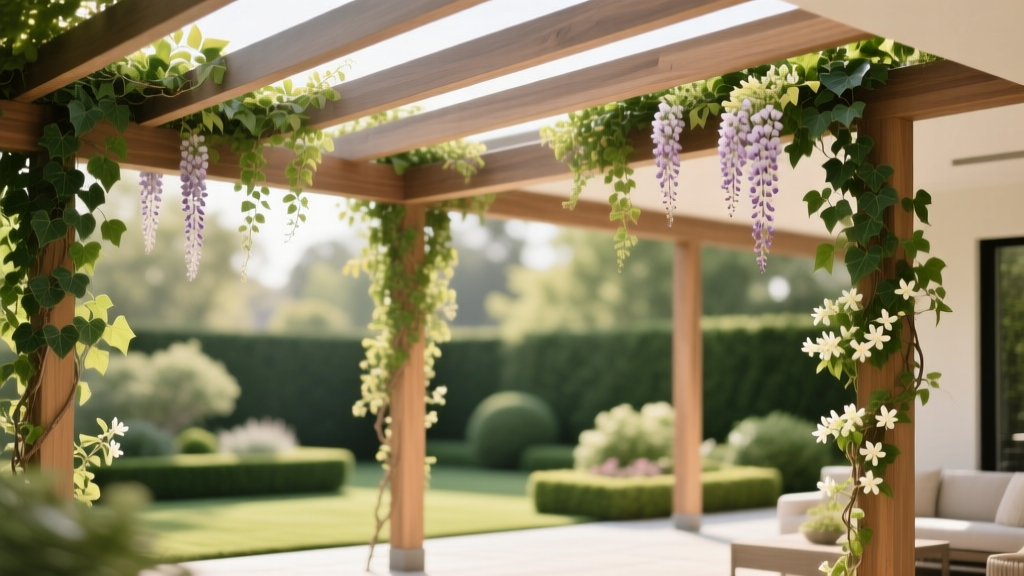
Outdoor Pergola Climbing Vine Selection - The Decor Mag
A pergola is one of the fastest ways to turn a plain patio into a true outdoor living room—defined, welcoming, and ready for everything from weekend brunches to quiet evening reads. But the real magic happens when you pair that structure with the right climbing vines. Vines add shade, fragrance, texture, and seasonal color in a way that feels effortless and timeless, softening hard lines and making a backyard feel established.
Choosing the best climbing vine for a pergola isn’t just about blooms (though those are a big perk). It’s about matching your climate, how much maintenance you want, whether you need privacy screening, and what kind of mood you’re creating—Mediterranean romance, modern greenery, cottage garden charm, or a crisp, architectural canopy. The right selection can reduce heat on a sunny deck, create a year-round framework of green, and elevate your outdoor design from “nice” to “can we stay out here all night?”
Use this guide to find a pergola vine that fits your patio living goals, your local conditions, and your long-term landscape plan.
Start With the Pergola: Structure, Shade Goals, and Style
Before picking plants, make sure your pergola design can support them. Many homeowners choose a vine first, then realize the structure (or spacing) can’t handle the weight. Climbing vines can range from light and airy to impressively heavy once mature.
How you want the pergola to function
- Light dappled shade: Grapes, star jasmine, clematis, many honeysuckles
- Dense summer shade: Wisteria (with caution), hardy kiwi, mature climbing roses
- Privacy screening: Evergreen jasmine in warm climates, vigorous grape, trained climbing roses
- Seasonal “roof” that lets winter sun in: Deciduous vines like grape, wisteria, kiwi
Material recommendations: choose a pergola that can handle vines
- Cedar or redwood: Naturally rot-resistant, ideal for classic backyard pergolas. Budget-friendly long-term performance.
- Powder-coated aluminum: Low maintenance and clean-lined for modern outdoor living spaces; great with lighter vines or trellis panels.
- Steel: Best for heavy vines (wisteria, mature grape). Look for galvanized or properly coated steel to prevent rust.
- Vinyl/PVC: Works for a low-maintenance look, but use caution with heavy vines and make sure anchoring is robust.
Practical tip: Add stainless steel cable, eye bolts, or a welded wire grid under the rafters to guide stems and distribute weight. It also makes pruning and training easier.
Budget ranges for pergola + vine-ready upgrades
- DIY cable trellis add-on: $50–$250 (cable, turnbuckles, eye bolts)
- Basic wood pergola (installed): $2,500–$7,500
- Mid-range pergola with stain/seal + hardware: $6,000–$12,000
- Premium aluminum/steel pergola: $8,000–$20,000+
- Vines: $25–$150 per plant (larger specimens cost more but establish faster)
Understanding Vine Types: Twining, Clinging, and Training
Knowing how a vine climbs helps you pick the right support and prevents damage to your pergola or nearby siding.
- Twining vines wrap stems around supports (wisteria, honeysuckle, star jasmine, hardy kiwi). They need posts, cables, or lattice with the right thickness.
- Tendril climbers grab with tendrils (grape). They love wire, thin branches, and grids.
- Clinging vines use aerial roots or adhesive pads (some ivy, climbing hydrangea). These can mark painted surfaces—best kept on dedicated trellises rather than house walls.
Design approach: For a cleaner, more modern patio design, use cables or a geometric trellis so the vine canopy looks intentional rather than wild.
Best Climbing Vines for Pergolas (By Goal)
For fragrance and evening ambiance
- Star jasmine (Trachelospermum jasminoides): Glossy leaves, strong fragrance, evergreen in warm climates. Great for patios where you entertain at night. Best in Zones 8–10 (often grown in 7 with winter protection).
- Honeysuckle (Lonicera spp.): Sweet scent and pollinator-friendly blooms. Choose non-invasive varieties suited to your region.
Outdoor living pairing: Place a bistro set or lounge chairs beneath fragrance-focused vines, and add low-voltage path lights or string lights to highlight blooms after sunset.
For dramatic flowers and a “garden room” feel
- Clematis (Clematis spp.): Stunning blooms and great color range. Many prefer “cool roots, sunny tops” (shade the base with mulch or low plants). Works beautifully woven through a lighter vine or trained on a trellis panel.
- Climbing roses (Rosa spp. climbers): Romantic, classic, and excellent for cottage-style landscaping. Train canes horizontally to encourage more blooms along the length.
Design tip: If your pergola covers an outdoor dining area, pick thorn placement carefully. Train roses away from seating edges and walkways to keep patio living comfortable.
For fast shade and edible landscaping
- Grape vines (Vitis spp.): One of the best pergola vines for quick canopy shade, beautiful leaf texture, and harvest potential. Deciduous, so you’ll get more winter sun when leaves drop.
- Hardy kiwi (Actinidia arguta): Vigorous growth with lush leaves; some varieties produce fruit. Needs strong support and regular pruning.
Practical tip: For edible vines, plan for mess. Falling fruit and sticky drips can stain decking or pavers. Use a patio rug you can hose off, and consider positioning edible vines over gravel borders rather than directly over outdoor furniture.
For a lush, evergreen look (warm climates)
- Evergreen jasmine options: Star jasmine is the standout for evergreen coverage and fragrance.
- Passionflower (Passiflora spp.): Exotic blooms and a bold tropical vibe in suitable climates. Some species are vigorous—confirm hardiness and local behavior.
Year-round outdoor living note: Evergreens can block winter sun and keep the patio cooler. That’s ideal for hot climates but may feel chilly in shoulder seasons in cooler regions. Balance evergreen coverage with heaters, outdoor curtains, or a partial canopy layout.
Choosing Vines by Climate: What Thrives Where
Climbing vines are only “easy” if they’re matched to your zone and microclimate (sun exposure, wind, reflected heat from walls, and winter lows).
Hot, sunny climates (many Zone 8–10 areas)
- Look for heat-tolerant vines that won’t scorch on a west-facing pergola.
- Great candidates: star jasmine, bougainvillea (where hardy), some passionflower types, grape (with irrigation).
- Patio living tip: Add a ceiling fan rated for outdoor use under a pergola roofline if your structure allows. It makes vine-filtered shade feel significantly cooler.
Four-season climates with cold winters (many Zone 4–7 areas)
- Deciduous vines shine here because they create summer shade and winter light.
- Great candidates: grape, hardy kiwi (with strong support), many clematis varieties, climbing roses (choose cold-hardy types).
- Seasonal tip: Plan your lighting for winter. When leaves drop, string lights and lanterns become the visual star.
Coastal and windy sites
- Wind can shred large leaves and stress young vines.
- Choose sturdy growers and provide windbreak support with slatted screens or tall planters.
- Design approach: Anchor pergola posts properly and use stainless hardware to resist corrosion.
Always check local guidance: Some vines are invasive in certain regions. Local extension offices and reputable nurseries can steer you toward well-behaved cultivars for your area.
Layout and Design: Where to Plant and How to Train for a Beautiful Canopy
Planting placement for balanced coverage
- One vine per post is often plenty for vigorous growers (grape, wisteria, kiwi).
- Two lighter vines can share a larger pergola if you want a layered look (clematis woven through climbing rose).
- Plant 12–24 inches away from the post base to keep roots from baking against hot footings and to allow watering access.
Training steps (simple and effective)
- Year 1: Select 1–3 strong leader shoots. Tie them gently to a vertical support (soft ties, not wire).
- Year 2: Guide leaders across the top grid/cables to create the “roof.”
- Year 3+: Prune for airflow and a clean ceiling line; remove excess weight and tangled growth.
Furniture recommendations under vine-covered pergolas:
- Dining zone: Teak or powder-coated aluminum dining set ($800–$4,000) with breathable sling or quick-dry cushions.
- Lounge zone: All-weather wicker or aluminum sectional ($1,500–$7,000) plus a UV-resistant outdoor rug ($100–$600).
- Accessories that elevate comfort: Outdoor curtains for late-day sun, a propane fire table for shoulder seasons, and layered lighting (string lights + wall sconces + lanterns).
Maintenance: Watering, Feeding, Pruning, and Seasonal Care
Vines can be low-fuss, but pergola vines always need some level of training and pruning to stay attractive and safe.
Watering and soil basics
- Water deeply during establishment (typically the first 1–2 growing seasons).
- Improve soil with compost and apply a 2–3 inch mulch ring (keep mulch off the stem).
- Consider drip irrigation for consistent growth, especially for sunny patios and raised planters.
Pruning by season (general guidance)
- Late winter/early spring: Structural pruning—shape the canopy and remove weak or crossing stems.
- Summer: Light trims to keep walkways clear, improve airflow, and prevent excessive weight on rafters.
- Fall: Clean up leaf drop on decking and check ties before winter wind events.
Pro tip: Plan for access. If your pergola is tall, keep a stable ladder storage plan, or design a pergola height that’s reachable for routine maintenance.
Common Mistakes to Avoid
- Choosing a vine that outgrows the structure: Heavy vines can warp lightweight pergolas. Match plant vigor to pergola materials.
- Ignoring invasiveness: Some popular vines can spread aggressively depending on region. Choose responsible alternatives.
- Planting too close to footings or foundations: Heat stress and restricted root space lead to weak growth and higher watering needs.
- Skipping training early on: Year one training prevents years of tangled maintenance later.
- Over-fertilizing: Too much nitrogen can create lush leaves with fewer flowers. Follow plant-specific guidance and go easy.
- Forgetting about debris: Flowers, leaves, and fruit can stain pavers and furniture. Plan a cleanable surface and seasonal sweep routine.
FAQ: Pergola Vines for Patios, Decks, and Outdoor Living Spaces
How long does it take for a vine to cover a pergola?
Most pergola vines start making a noticeable impact in 1–2 seasons, with fuller coverage in 3–5 years. Faster growers like grape and hardy kiwi can shade quickly, while climbing roses and clematis may take longer to create a dense canopy.
What’s the best low-maintenance climbing vine for a pergola?
In many regions, grape vines are a solid choice for strong growth and simple seasonal pruning. In warmer climates, star jasmine is popular for evergreen coverage and fragrance with relatively straightforward care once established.
Will climbing vines damage my pergola?
They can if the structure is undersized for the vine’s mature weight or if stems are allowed to wrap tightly around thin members. Use a strong pergola material (cedar, steel, aluminum) and add cables or a trellis grid to distribute growth and reduce stress.
Can I grow pergola vines in containers?
Yes—especially for patios and decks where you want controlled growth. Choose large planters (often 20–30+ gallons), use a high-quality potting mix, and plan for more frequent watering and feeding. Container-grown vines benefit from drip irrigation.
Which vines are best for year-round outdoor living?
For warm climates, evergreen options like star jasmine maintain coverage through winter. For four-season climates, deciduous vines like grape offer summer shade while letting winter sun warm the patio—great for extending the outdoor living season with heaters or a fire table.
Can I mix two different vines on one pergola?
Yes, with intention. Pair a structured backbone vine (like climbing rose) with a lighter companion (like clematis). Avoid combining two extremely vigorous vines on the same side, or maintenance can become a constant battle.
Next Steps: Build Your Pergola Vine Plan Like a Pro
Start by defining your pergola’s job: shade, privacy, fragrance, flowers, or edible landscaping. Then match your vine choice to your climate, your pergola material, and how much pruning you’re willing to do each season. If you’re unsure, ask a local nursery for region-tested varieties and confirm the vine’s mature size and growth habit before planting.
To get moving this week:
- Check your pergola’s strength and add a cable or wire grid if needed.
- Pick one primary vine that matches your shade goal and zone.
- Plan irrigation and a pruning schedule before the vine takes off.
- Refresh the patio beneath with durable furniture, lighting, and a cleanable surface for leaf drop.
Ready for more landscaping ideas, patio living upgrades, and outdoor design inspiration? Explore fresh guides and outdoor trends on thedecormag.com.
More Articles
 Science vs Summer: How Thermal Physics, Material Science, and Bioclimatic Design Shape Outdoor Living
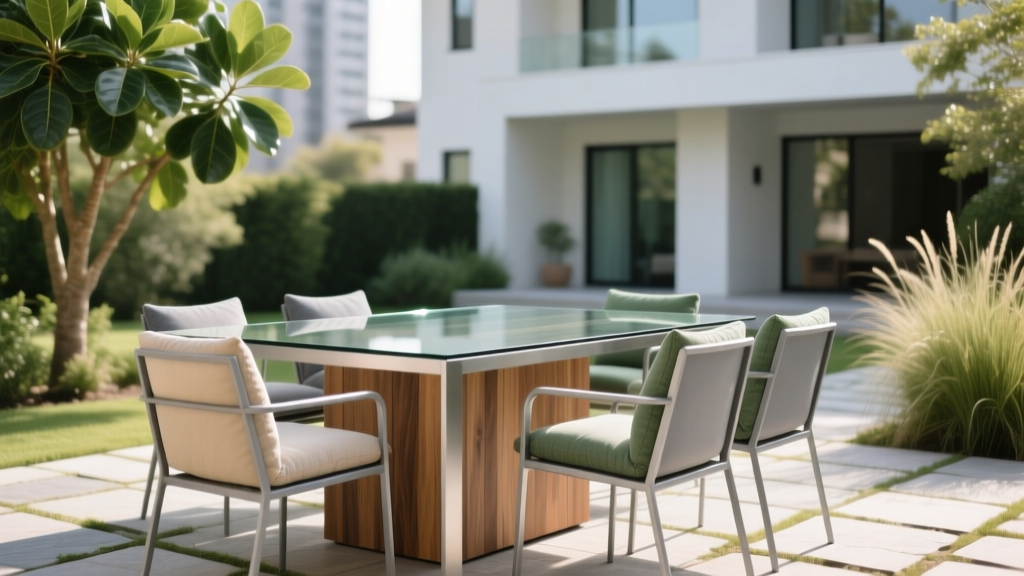 Best Outdoor Dining Table Materials - The Decor Mag
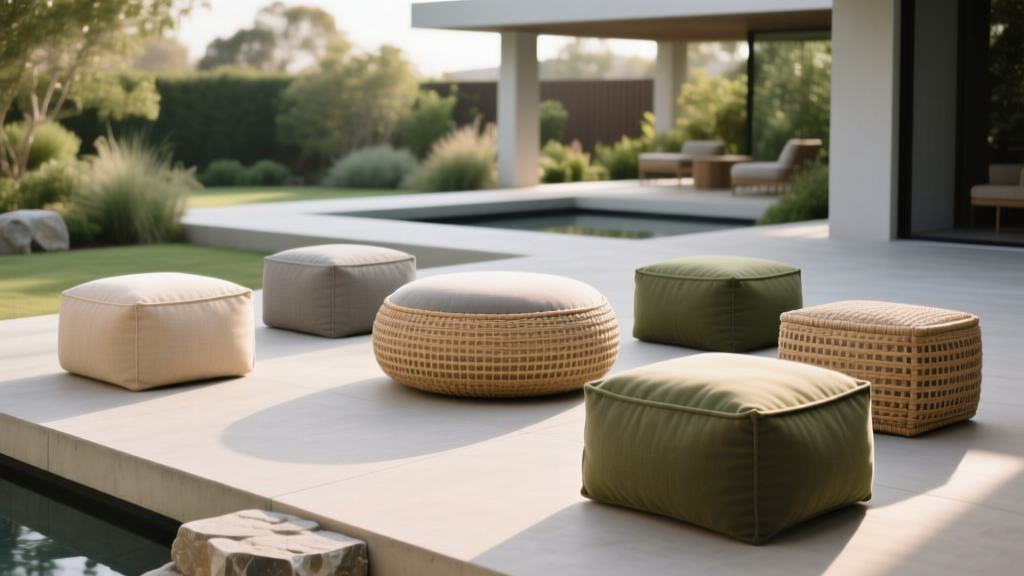 Best Outdoor Pouf and Ottoman Choices - The Decor Mag
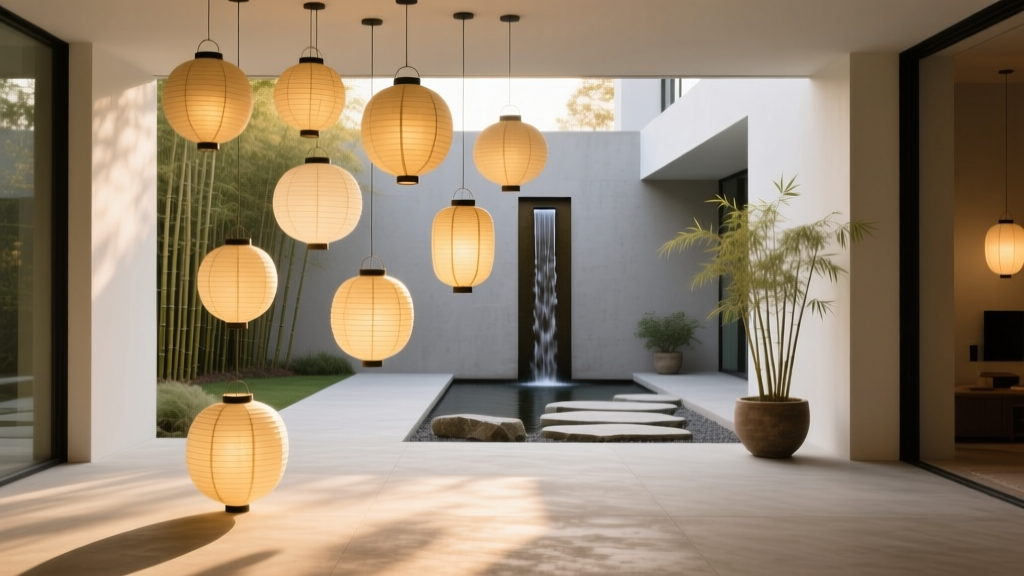 How to Create a Lantern Garden - The Decor Mag
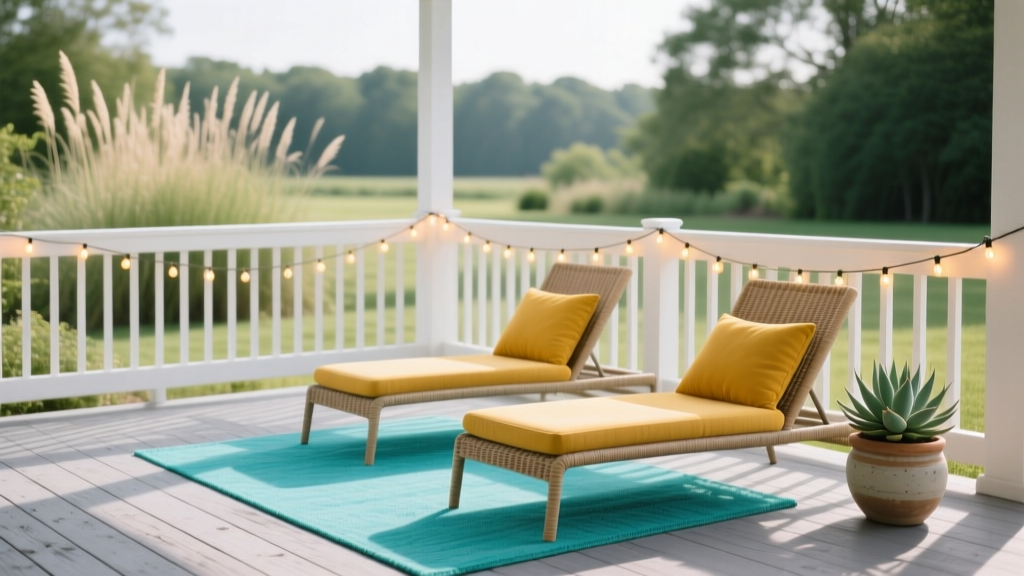 DIY Summer Porch Makeover: Budget Refresh Under $100
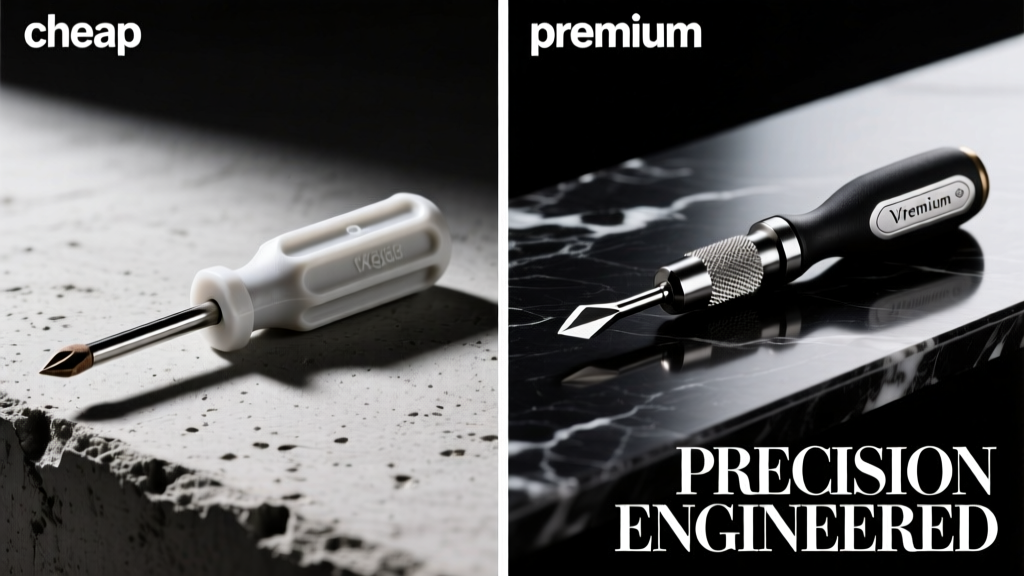 Cheap vs Premium Precision in Outdoor Living: What Really Matters for Durability, Safety, and Long-Term Value
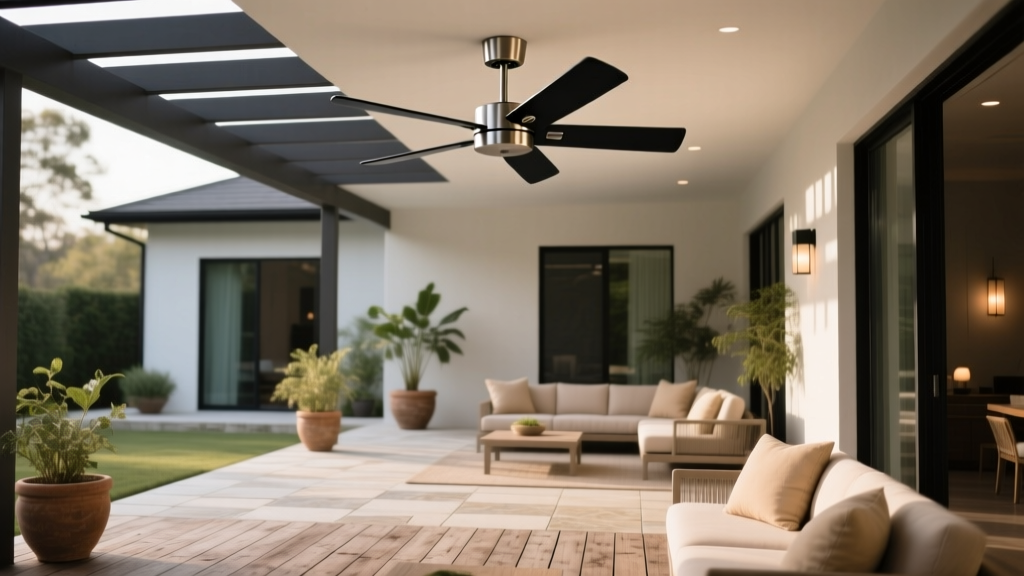 Best Outdoor Ceiling Fan for Covered Patios - The Decor Mag
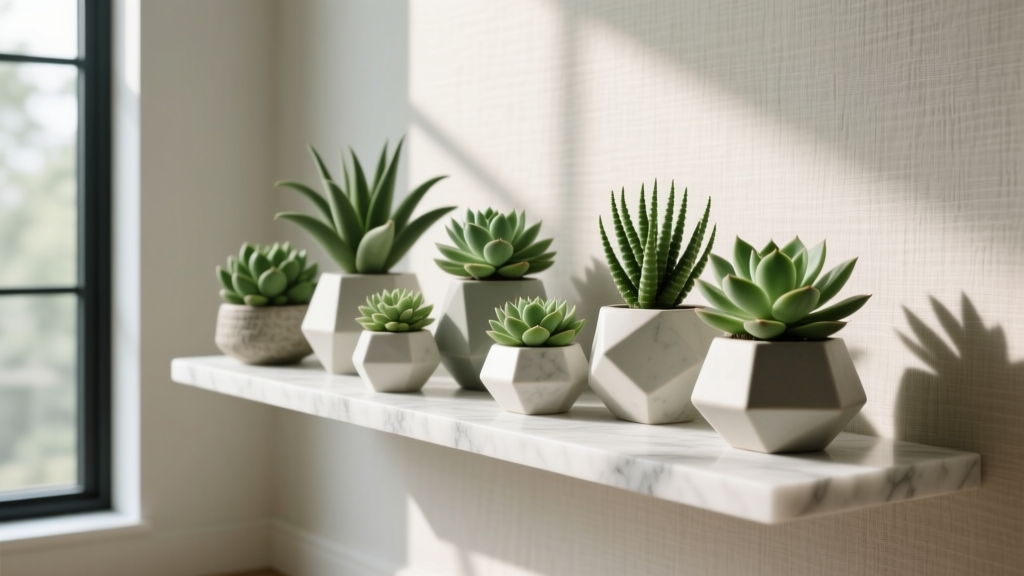 How to Create a Succulent Garden - The Decor Mag
 Modern Outdoor Living Space Ideas for 2026 - The Decor Mag
 Best Outdoor Bar Cheese Board Display - The Decor Mag