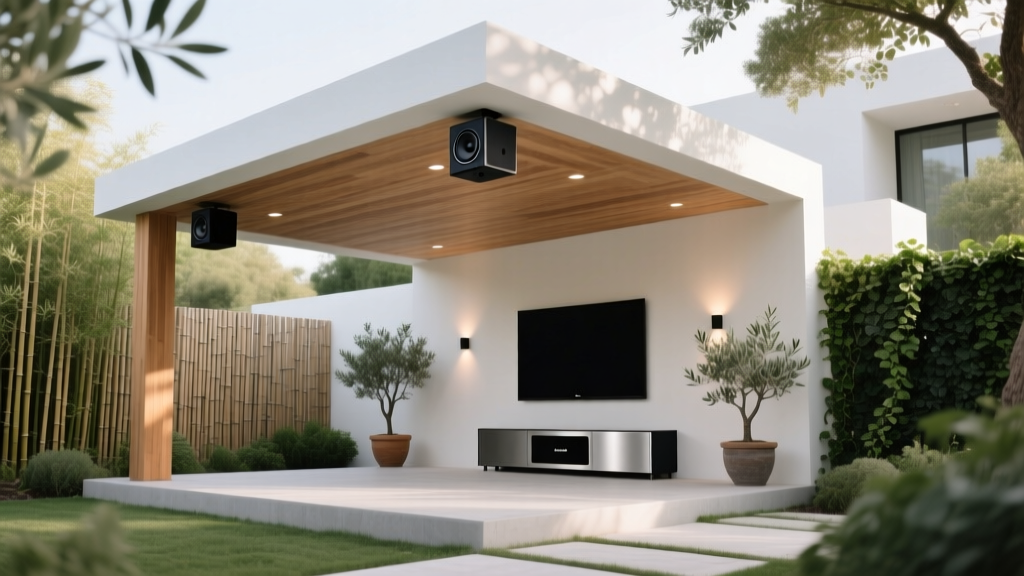
Outdoor Pavilion Sound System Setup - The Decor Mag
A well-designed outdoor pavilion is already a magnet for family dinners, weekend lounging, and long, slow evenings under the lights. Add the right sound system and it becomes something more: a true outdoor living room where music feels effortless, movies feel immersive, and conversations don’t compete with harsh, tinny speakers.
Sound is one of the most overlooked parts of patio living and backyard landscaping—yet it’s the element that changes how you use the space. The best outdoor pavilion sound system setup doesn’t just “get loud.” It fills the pavilion evenly, handles wind and open-air acoustics, hides wiring cleanly, and plays nicely with your lighting, fans, and outdoor kitchen appliances.
Whether your pavilion sits beside a pool, tucked into a garden, or anchored to a patio, the goal is the same: dependable, weather-ready audio that looks intentional and supports year-round outdoor living. Here’s how to plan it like a pro.
Start with the Pavilion Experience: How You’ll Use the Space
Before shopping for speakers, define the vibe. Outdoor design always works best when the “use case” leads the layout.
Choose your primary audio scenarios
- Everyday background music: even coverage at lower volumes (best for entertaining and meals).
- Game day and parties: more output and deeper bass, without blasting the neighbors.
- Outdoor movie nights: dialogue clarity, plus an easy way to connect a projector/TV.
- Quiet garden lounging: directional audio so sound stays within the pavilion.
Match the sound system style to your pavilion type
- Attached pavilions or covered patios: easiest for wiring and power; great candidates for mounted speakers and a hidden AV cabinet.
- Freestanding pavilions: may need trenching conduit, solar-friendly power planning, or a wireless-first approach.
- Pool pavilions: prioritize corrosion resistance (salt/chlorine) and non-slip cable routing.
Outdoor Pavilion Acoustics: Design Tips That Make Audio Sound Better
Outdoor rooms behave differently than indoor rooms—there are no walls to “contain” sound. Smart placement and a few material choices make an enormous difference.
Use surfaces that reduce harsh echo
If your pavilion has lots of hard surfaces (stone floor, wood ceiling, metal roof), sound can become sharp and fatiguing. You don’t need to “soundproof” outdoors—just soften reflections.
- Outdoor rugs: polypropylene or recycled plastic rugs reduce slap echo and make seating feel finished.
- Cushioned seating: deep outdoor sectionals and upholstered dining chairs absorb sound naturally.
- Wood slat walls or privacy screens: add texture that breaks up reflections while enhancing backyard privacy.
Keep speakers under cover whenever possible
Even weatherproof speakers last longer when protected from direct rain and intense sun. Mount under the pavilion roofline, aim inward, and avoid facing drivers upward where water can sit.
Plan speaker coverage, not just volume
Two speakers blasting from one end rarely feels “luxury.” Aim for even coverage across seating zones, so everyone hears clearly at lower volume.
Choosing the Right Outdoor Speaker Types
Your outdoor pavilion sound system setup can be as simple or as built-in as you want. The best approach depends on whether you want discreet design, strong bass, or portability.
1) Mounted outdoor speakers (best all-around)
Mounted speakers are the classic choice for pavilions. They deliver balanced sound, keep walkways clear, and look intentional when aligned with beams or posts.
- Look for: UV-resistant ABS or marine-grade enclosures, rust-resistant brackets (stainless steel), and IP-rated weather protection.
- Placement tip: mount at 8–10 feet high on posts or beams and angle toward seating, not outward into the yard.
2) In-ceiling pavilion speakers (cleanest look)
If your pavilion has a finished ceiling (tongue-and-groove wood, composite, or PVC beadboard), in-ceiling speakers create a sleek, resort feel.
- Best for: background music and even coverage.
- Consider: access panels for service, and speaker back-boxes if your ceiling cavity is exposed to pests or moisture.
3) Landscape and garden speakers (best for blended backyard audio)
Want music that flows from pavilion to patio to garden path? Use satellite landscape speakers in planting beds plus an outdoor-rated subwoofer tucked behind shrubs.
- Design win: speakers disappear among ornamental grasses and shrubs.
- Landscaping tip: aim speakers across listening areas, not directly at them, for a more natural sound field.
4) Portable wireless speakers (best for renters or flexibility)
Modern wireless speakers can sound great, but they’re easiest when you treat them as “add-ons,” not the entire system.
- Best for: smaller pavilions, occasional use, and spaces without power run.
- Downside: charging routines and less consistent coverage for larger gatherings.
System Layouts That Work: Pavilion Zones and Speaker Placement
Great outdoor living design is zoned: dining, lounging, cooking, and circulation. Your audio should follow the same logic.
Recommended layout for a typical 12’ x 16’ pavilion
- Lounge zone: two mounted speakers on opposite posts, aimed toward the sectional seating.
- Dining zone: a second pair at slightly lower volume (or a second zone if you want independent control).
- Optional subwoofer: tucked behind a privacy screen, planter wall, or built-in bench—never centered in a walkway.
Speaker spacing guidelines (practical rule of thumb)
- For mounted speakers, aim for 8–12 feet between speakers for even coverage.
- Avoid placing speakers directly above heads; offset slightly forward of seating to prevent “audio hotspot” discomfort.
- Angle speakers inward so sound stays within the pavilion footprint—this improves clarity and helps with neighbor-friendly patio living.
Outdoor kitchen + pavilion combo
If you have a grill station or outdoor bar, plan a dedicated speaker aimed toward the prep area. Chefs shouldn’t be left out—just keep speakers away from direct heat and greasy airflow.
Materials and Finish Recommendations for a Built-In, High-End Look
Your sound system shouldn’t look like an afterthought. A few design moves make it feel integrated with the pavilion architecture and landscaping.
Mounting and hardware
- Stainless steel or powder-coated brackets: especially near pools or coastal climates.
- UV-stable cable jackets: outdoor-rated speaker wire inside UV-rated conduit where exposed.
- Concealment: run cables through beams or inside posts whenever possible for a clean outdoor design.
AV cabinet and storage
If you’re using an amplifier, receiver, or streaming hub, store it in a ventilated, weather-protected cabinet.
- Best locations: inside an adjacent mudroom, garage wall backing the patio, or a dedicated outdoor-rated cabinet with ventilation.
- Material picks: marine-grade polymer cabinets, stainless doors, or sealed teak storage benches under the pavilion roof.
Furniture that supports better sound (and better gatherings)
- Sectional seating: all-weather wicker, powder-coated aluminum, or teak with quick-dry cushions for a softer acoustic feel.
- Built-in bench seating: along the pavilion edge with storage for blankets and seasonal covers; add cushions to reduce sound bounce.
- Dining table: teak or aluminum with a slatted top; pair with cushioned chairs for comfort and echo reduction.
Planting Ideas That Pair Beautifully with Outdoor Audio
Landscaping can improve the experience by softening the space visually and acoustically, plus concealing landscape speakers and subwoofers.
Plants for privacy, sound diffusion, and a cozy pavilion feel
- Clumping bamboo (non-invasive varieties): great for privacy screens; best in mild climates with proper containment.
- Ornamental grasses: fountain grass, switchgrass, or feather reed grass add movement and help visually mask speakers.
- Evergreen shrubs: boxwood (milder climates), podocarpus (warm climates), or inkberry holly (cooler climates) for year-round structure.
- Fragrant edges: lavender (dry climates), rosemary (Mediterranean feel), or gardenia (warm/humid regions) to elevate patio living.
Placement tip for landscaping near speakers
Keep foliage from touching speaker grilles. Leave a few inches of clearance for airflow and to prevent moisture trapping.
Climate, Weatherproofing, and Year-Round Outdoor Living
Outdoor sound systems live or die by the details: sun exposure, freeze/thaw cycles, humidity, and salt air.
Hot, sunny climates
- Choose UV-resistant speaker enclosures and lighter finishes that reduce heat absorption.
- Add ceiling fans and shade drapery panels to keep the pavilion comfortable—people stay longer, so audio gets used more.
Cold winters and freeze/thaw regions
- Use burial-rated conduit for any trenched runs to prevent cracking.
- Install speakers under cover and plan a winter routine: wipe down, inspect seals, and cover equipment cabinets.
Humid, rainy regions
- Prioritize high IP ratings, corrosion-resistant metals, and sealed wire connections.
- Ensure the pavilion roof has strong drip edges and gutters—keeping water off speakers extends lifespan.
Coastal and poolside environments
- Look for marine-grade hardware and rinse exterior surfaces occasionally to reduce salt buildup.
- Mount electronics away from splash zones and chemical storage.
Budget Ranges: What a Great Pavilion Sound Setup Costs
Costs vary based on wiring distance, number of zones, and whether you’re adding landscape audio beyond the pavilion.
- Budget-friendly ($200–$700): portable wireless speaker(s) or a simple pair of mounted outdoor speakers with a basic amp/streamer; minimal wiring.
- Mid-range ($800–$2,500): 4-speaker pavilion layout, better amplification, cleaner cable concealment, and basic zone control.
- High-end ($2,500–$8,000+): multi-zone system (pavilion + patio + garden), integrated subwoofer, outdoor-rated AV cabinet, professional tuning, and smart home integration.
Pro planning tip: Even if you start small, run conduit and pull strings during construction. Pre-wiring is one of the best values in outdoor living upgrades.
Setup Essentials: Power, Connectivity, and Control
Power planning
- Add at least two GFCI outlets in the pavilion: one for audio/TV and one for seasonal extras (string lights, heaters, charging).
- If adding an outdoor TV or projector, plan a dedicated circuit to avoid tripping breakers during parties.
Connectivity options
- Wi-Fi streaming: great for whole-home audio, but ensure your router coverage reaches the pavilion.
- Bluetooth: simple and reliable for quick play; less ideal if you walk around the yard with your phone.
- Hardwired inputs: best for outdoor movie nights and rock-solid sound (TV/projector to amplifier).
Control and zones
A two-zone setup is a sweet spot for many homeowners: pavilion speakers on one zone, landscape speakers on another. It keeps dinner music calm while the garden stays ambient—or lets you turn the yard off entirely during quiet hours.
Common Mistakes to Avoid
- Overpowering the pavilion: bigger isn’t always better. Too much volume creates harsh sound and neighbor issues.
- Skipping conduit and clean cable routes: exposed wires quickly ruin a polished patio design and degrade in the sun.
- Mounting speakers where rain hits directly: “weatherproof” doesn’t mean “invincible.” Use the pavilion roof for protection.
- Placing speakers too close to seating: it causes hotspots and listening fatigue—spread speakers for even coverage.
- Forgetting about lighting and fan interference: coordinate placement so speakers don’t clash with ceiling fans, heaters, or pendant lights.
- No plan for service access: especially with in-ceiling speakers and hidden amps—future you will be grateful for access panels.
Seasonal Enhancements: Make the Pavilion Feel Alive All Year
- Spring: add flowering containers (petunias, calibrachoa) to soften posts and hide speaker cables near corners.
- Summer: combine audio with ceiling fans, shade sails at the perimeter, and outdoor curtains for a resort-style lounge.
- Fall: integrate warm lighting (2700K LEDs), throw blankets in a storage bench, and a fire pit nearby—music feels cozier with layered textures.
- Winter (mild climates or covered pavilions): add infrared heaters, wind-blocking panels, and evergreen planters so the space still feels lush.
FAQ: Outdoor Pavilion Sound System Setup
How many speakers do I need for an outdoor pavilion?
Most 12’ x 16’ to 14’ x 20’ pavilions sound best with four speakers for even coverage. Smaller pavilions may be fine with two, but four lets you play at lower volume with better clarity.
What’s the best place to mount speakers in a pavilion?
Mount speakers under the roofline on posts or beams, angled toward seating areas. Avoid aiming outward into the yard unless you’re intentionally covering a larger patio living zone.
Do I need a subwoofer outdoors?
Not always. For background music, you may not miss it. For parties and outdoor movie nights, an outdoor-rated subwoofer adds warmth and fullness—just keep it hidden behind seating, planters, or a privacy screen for a clean outdoor design.
Can outdoor speakers stay outside all year?
Quality outdoor speakers are designed to stay outside, but lifespan improves when they’re mounted under cover, cleaned seasonally, and protected from direct rain and extreme sun. In coastal areas, occasional rinsing helps reduce salt corrosion.
How do I keep music from bothering neighbors?
Use even coverage with more speakers at lower volume, aim speakers inward, and consider a zone control setup so you can keep the pavilion comfortable without pushing sound across the property line.
Is it better to go wired or wireless for a pavilion sound system?
Wired systems typically deliver the most consistent performance and easiest long-term reliability, especially for larger pavilions and multi-zone backyard landscaping audio. Wireless can work beautifully for smaller spaces or if trenching isn’t practical.
Your Next Steps: A Pavilion Sound Plan You Can Act On
- Sketch your pavilion zones (dining, lounge, kitchen/prep) and mark where people sit most.
- Choose a speaker approach (mounted, in-ceiling, landscape, or hybrid) based on how “built-in” you want it to feel.
- Plan power and cable routing with conduit, hidden runs, and a protected location for electronics.
- Finish the space with an outdoor rug, cushioned seating, and planting that softens acoustics and elevates the overall outdoor living design.
The right outdoor pavilion sound system setup turns a nice backyard structure into a daily destination—one that supports relaxed patio living, memorable gatherings, and year-round enjoyment with style.
For more outdoor living, patio, and landscaping inspiration, explore fresh ideas and expert guides at thedecormag.com.
More Articles
 Outdoor Kitchen Power Burner Installation - The Decor Mag
 How to Create a Pollinator Garden - The Decor Mag
 Pergola vs Awning vs Sail Shade: Best Patio Shade (2026)
 Outdoor Kitchen Trash Pull Out Drawer - The Decor Mag
 How to Create a Companion Planting Garden - The Decor Mag
 How to Create a Potager Garden - The Decor Mag
 Outdoor Pavilion and Cabana Structures - The Decor Mag
 Outdoor Kitchen Electrical Planning Guide - The Decor Mag
 Outdoor Pavilion Insect Screen Options - The Decor Mag
 Small Patio Makeover: Big Style, Tiny Footprint