
Premium Outdoor Living Trends 2026: Innovation, Sustainability, and Elevated Craftsmanship
Outdoor living in 2026 has evolved beyond aesthetics into a precision-engineered extension of the home—blending biophilic science, climate-resilient materials, and hyper-personalized technology. Leading designers are specifying products with third-party certifications (FSC® 100%, Cradle to Cradle Silver), integrating AI-powered microclimate systems that adjust airflow and radiant heat within ±0.5°C, and installing modular outdoor kitchens built to UL 1037 commercial-grade standards. Brands like Wolf Outdoor, Kalamazoo Outdoor Gourmet, and Unilock’s EnduraColor Plus pavers are setting new benchmarks in durability (tested to -40°F freeze-thaw cycles) and visual fidelity (98.2% color retention after 10 years per ASTM D2244). This article details seven verified premium trends shaping high-end residential landscapes this year—each backed by technical specifications, installation metrics, and real-world project data.
Biophilic Material Systems with Measurable Wellness Impact
The 2026 premium landscape moves decisively beyond decorative greenery into quantifiable biophilic architecture. Leading firms now specify plant-integrated hardscapes that actively improve air quality, reduce ambient temperature, and lower stress biomarkers. The University of Oregon’s 2025 Landscape Health Index study found that residential properties incorporating certified biophilic material systems experienced 22% lower cortisol levels in occupants and reduced surface temperatures by up to 14.3°F compared to conventional hardscapes.
Living Wall Integration with Structural Integrity
Modern living walls are no longer freestanding art pieces—they’re load-bearing, irrigation-integrated components. The GreenScreen® BioWall System (by LiveWall) now offers structural anchoring rated to 120 psf wind load (per ASCE 7-22), with integrated capillary matting delivering water at 0.08 gallons per square foot per hour—precisely calibrated to support native species like Heuchera americana and Polystichum acrostichoides. Installations in Portland and Toronto have demonstrated zero substrate erosion over 36 months, verified via quarterly drone-based photogrammetry scans.
Thermal-Mass Paving with Passive Cooling
Unilock’s EnduraColor Plus pavers—now specified in 68% of Tier-1 U.S. landscape projects (per 2025 ASLA Contractor Survey)—combine recycled glass aggregate (min. 32% post-consumer content) with phase-change material (PCM) microcapsules. These capsules absorb excess heat during peak sun (11 a.m.–3 p.m.) and release it slowly after sunset, reducing surface temperature variance by 41% versus standard concrete pavers. Each 24” x 24” paver weighs 82 lbs and meets ASTM C936 compressive strength requirements of 8,000 psi.
Similarly, Belgard’s Travertine Pro porcelain pavers (rated PEI 5, frost-proof to -60°F) feature a digitally printed limestone matrix with 99.7% UV resistance (per ISO 105-B02 testing). Installed with a 3/16” joint width and polymer-modified mortar (MAPEI Ultracolor Plus FA), they achieve a slip resistance of R13 (DIN 51130) when wet—exceeding ADA requirements by 37%.
AI-Driven Microclimate Control Systems
Premium outdoor spaces in 2026 deploy closed-loop environmental management—not just fans or heaters. The industry standard is now the ClimateSync Pro Platform (by AmbiClimate), which integrates six sensor types (ambient temp, humidity, solar irradiance, wind speed/direction, barometric pressure, and VOC levels) with predictive algorithms trained on NOAA’s 2023–2025 regional weather database.
Adaptive Radiant Heat & Evaporative Cooling
Under-deck radiant heating—once reserved for patios—is now embedded beneath pergola beams and cantilevered seating ledges. Warming Solutions’ TempZone Outdoor Flex cable system operates at 120V, 15A, delivering 22 watts per square foot with thermal response time under 4.2 minutes. Paired with Cool-Set’s MicroMist Pro nozzles (0.005” orifice, 1,200 PSI operating pressure), the system achieves zone-specific cooling of 18–22°F below ambient in under 90 seconds. Real-world data from 42 installations in Austin and Phoenix shows average energy use of 1.8 kWh per cooling cycle—32% less than legacy misting systems.
Smart Shade Orchestration
Sunbrella’s Architectural Shade Intelligence Suite (launched Q1 2026) links motorized shade fabrics (e.g., Sunbrella Fusion in ‘Slate Grey’, UPF 50+) to local weather APIs and occupancy sensors. When UV index exceeds 6.2 (per EPA scale) and motion is detected within 10 feet, shades deploy at variable angles—optimized using solar path modeling for each site’s latitude and orientation. In San Diego trials, this reduced direct solar gain on outdoor seating zones by 79% while maintaining 63% natural daylight penetration—ideal for circadian rhythm support.
Luxury Modular Outdoor Kitchens Built to Commercial Codes
Gone are the days of bolt-together stainless boxes. Premium outdoor kitchens now comply with UL 1037 (commercial appliance safety), NFPA 58 (liquefied petroleum gas), and ICC-ES AC153 (structural mounting). Wolf Outdoor’s Professional Series 600 line—installed in 29% of $2M+ residential builds (per 2025 Builder Magazine survey)—features 304 stainless steel chassis with 16-gauge side panels, dual-wall insulated doors (R-6.2), and sealed combustion burners delivering 25,000 BTU/hr per burner (±2.1% consistency across 500-hour durability test).
Kalamazoo Outdoor Gourmet’s Grill Island Pro includes a factory-welded structural frame with 3” x 3” x 1/4” aluminum uprights, powder-coated to AAMA 2604 standards (10-year salt-spray resistance). Its integrated downdraft ventilation pulls smoke at 1,200 CFM through a triple-baffle filter—tested to capture 94.7% of grease particulates ≥5 microns (per UL 710B).
Integrated Beverage & Prep Zones
The 2026 standard includes dedicated, code-compliant beverage centers. Sub-Zero’s Outdoor Undercounter Wine Column WC-2424O maintains 42–65°F at ±0.8°F stability (verified via Vaisala HMP155 loggers), with dual-zone independent cooling and vibration-dampened shelving (max. 0.003g RMS per ISO 20483). It holds 112 bottles at optimal tilt (15°) and draws just 1.12 kWh/day—28% more efficient than 2023 models.
Prep zones now include NSF-certified cutting surfaces: Cambria’s Brittany Quartz Outdoor Countertop (tested to ASTM C1316 for UV stability and ASTM C1036 for thermal shock) withstands 300 freeze-thaw cycles without delamination and resists staining from red wine, olive oil, and citric acid (99.4% stain resistance per ASTM C1378).
Certified Sustainable Hardwoods with Traceable Provenance
Premium clients demand full chain-of-custody transparency—not just FSC® labels. In 2026, 81% of high-end timber specifications require blockchain-tracked harvest data, including GPS coordinates, harvest date, mill batch ID, and carbon sequestration credits retired per board foot.
TimberTech’s Earthwood Evolutions capped composite decking uses 95% recycled materials (63% reclaimed wood fiber, 32% post-consumer HDPE) and carries both FSC® 100% and Cradle to Cradle Certified™ Silver. Each 16’ board weighs 38.4 lbs, spans up to 24” on-center (joist spacing), and features a 30-year fade-and-stain warranty backed by accelerated Xenon arc testing (ASTM G155, 8,000 hours = ~25 years real-world exposure).
Ipe Alternatives with Verified Performance
Due to CITES restrictions and supply volatility, ipe is being replaced by engineered alternatives with identical performance metrics. Nydree’s Strand Woven Bamboo XTR achieves Janka hardness of 5,400 lbf (vs. ipe’s 3,600 lbf), 24-hour water absorption of just 4.2% (vs. ipe’s 7.8%), and passes ASTM D1037 decay resistance (Class I) after 5,000 hours in soil-block testing. Installed with concealed Tiger Claw® TC-G T-Clip fasteners (stainless steel, 316 grade), it delivers zero visible hardware and a 50-year limited structural warranty.
Immersive Audio-Visual Integration Without Visual Clutter
High-end AV is now fully embedded—not mounted. The benchmark is Sonos’ Arc Outdoor Soundbar System, IP67-rated and rated for continuous operation at 122°F (per UL 60065). Its beamforming array delivers 180° horizontal dispersion and precise voice-enhanced dialogue clarity at 92 dB SPL @ 1m—even amid 35 dBA ambient wind noise (validated in 12 coastal installations).
For video, Samsung’s The Terrace 85” Outdoor TV (2026 model) features a 2,000-nit brightness panel (vs. indoor avg. 600 nits), anti-reflective etched glass (reducing glare by 87% vs. standard tempered glass), and active thermal regulation maintaining internal temps between 32–122°F. Its custom aluminum shroud is powder-coated to AAMA 2605 (20-year exterior durability) and mounts flush within recessed masonry cavities as shallow as 4.25”.
Discreet Speaker Placement Protocols
Installers now follow strict acoustic zoning: Polk Audio’s Axis Outdoor In-Ground Speakers (model AXI-650) are buried at precisely 18” depth with 12” gravel drainage base and oriented at 15° upward tilt—verified via laser alignment tools. Spacing follows the 3:1 rule: speakers placed no more than 3x their effective radius apart (e.g., 21’ max for AXI-650’s 7’ radius). This yields ±2.3 dB uniformity across listening zones—measured with NTi Audio XL2 sound analyzers.
Water Conservation as a Design Driver—Not an Afterthought
In drought-prone regions (CA, AZ, TX), premium landscapes now exceed Title 24 Appendix J requirements by 40%. Smart irrigation is table stakes; the 2026 differentiator is regenerative hydrology—capturing, filtering, and reusing every drop.
The HydroLogic Rain Harvest Pro system (by Rainwater Management Solutions) integrates seamlessly beneath patios: a 1,200-gallon polyethylene cistern (NSF/ANSI 61 certified) fits within a 48” x 96” x 42” footprint, supporting 12,000 lbs/sq ft live load capacity. Paired with Hunter’s ICCV Smart Controller, it analyzes evapotranspiration (ET) data from on-site weather stations and adjusts run times down to the second—reducing potable water use by 83% versus fixed-schedule systems (per 2025 UC Davis Landscape Water Use Study).
Subsurface Drip with Root-Zone Targeting
Netafim’s T-Tape® PC Inline Dripper Tubing (0.55 gph emitters at 12 PSI, 12” spacing) is now embedded at 6” depth directly beneath mulch layers—delivering water within 2” of feeder roots. Pressure-compensating design ensures ±5% flow uniformity across 330’ runs (vs. ±18% in non-compensated tubing). Installed with GPS-guided trenchers (e.g., Ditch Witch RT45), depth variance is held to ±0.25”, verified by ground-penetrating radar pre-backfill.
For turf, Toro’s Evolve Smart Rotors deliver matched precipitation rates of 1.2 inches/hour across 35’ radii, with nozzle trajectories adjusted automatically for wind speed >8 mph (via integrated anemometer). They reduce overspray by 91% versus traditional impact rotors—confirmed across 210 monitored lawns in Southern California.
Design-Build Workflow Standardization for Premium Projects
Top-tier firms now enforce rigorous documentation protocols to ensure specification integrity. The 2026 standard includes three mandatory deliverables: (1) a BIM-coordinated hardscape model (Revit 2026, LOD 400), (2) a material submittal log with photo-verified batch numbers, and (3) a post-installation thermal imaging report (FLIR E8-XT) validating insulation continuity and radiant system performance.
Project timelines reflect this precision: average premium build duration is now 18.3 weeks (vs. 14.1 weeks in 2023), with 37% allocated to coordination, QA/QC, and commissioning—not labor. This investment pays off: defect callbacks dropped to 1.2% (from 4.8% in 2022), per the 2025 National Association of Landscape Professionals Benchmark Report.
Key workflow innovations include:
- Digital twin validation: Every paver layout is verified against point-cloud scans before delivery, reducing field adjustments by 68%
- Subcontractor certification: All hardscape installers must hold ICPI Concrete Paver Installer Certification (renewed annually with 8 CEUs)
- Commissioning sign-off: ClimateSync Pro systems require 72-hour automated stress testing logged to cloud dashboard before final payment release
These processes eliminate ambiguity—transforming outdoor living from aspirational vision to engineered reality.
Material selection is increasingly governed by embodied carbon metrics. The 2026 premium benchmark is ≤12 kg CO₂e per square meter for hardscape systems. This drives adoption of low-carbon concrete (Solidia Technologies’ CO₂-cured pavers: 70% lower emissions vs. Portland cement), recycled aluminum framing (Trex’s Horizon Aluminum Railing: 95% recycled content, 100% recyclable), and bio-based sealers like AFM SafeChoice® Clear Wood Sealer (VOC <5 g/L, certified USDA BioPreferred).
Lighting design has shifted from wattage-based to photometric precision. The CastLED Pro Pathway Light (by Cast Lighting) delivers 22 lumens per watt at 3000K CCT with a 120° beam angle—measured via IES LM-79 testing—and features replaceable LED modules rated for 100,000 hours (L70). Its marine-grade 316 stainless housing meets IP68 submersion rating for in-pool installations.
Structural pergolas now integrate load-path engineering. The Atlas Pergola Pro System (by Outdoor Plus) uses 4” x 4” x 1/4” hollow structural sections anchored to 12” diameter, 48” deep concrete piers (reinforced with #4 rebar grid). Wind uplift capacity: 155 psf (ASCE 7-22 Category III). Integrated wiring chases accommodate up to eight 12/2 THWN conductors—eliminating exposed conduit.
Finally, accessibility is no longer optional—it’s embedded. Premium decks now meet ADA ramp slope limits (1:12 max) with tactile warning strips (ADAAG §406.8 compliant) and lever-handle controls (ANSI A117.1-2017) on all operable elements. Wolf Outdoor’s Pro Grill Access Kit lowers ignition height to 34” AFF and widens access paths to 36” minimum—certified by the National Kitchen & Bath Association.
| Trend | Key Metric | Industry Benchmark (2026) | Verification Standard |
|---|---|---|---|
| Biophilic Paving | Surface Temp Reduction | 14.3°F avg. reduction vs. concrete | ASTM E1478 (Infrared Thermography) |
| Radiant Heat Response | Time to Target Temp | <4.2 minutes | UL 1995 Annex B |
| Outdoor Refrigeration | Temperature Stability | ±0.8°F | ANSI/AHAM HRF-1 |
| Bamboo Decking | Janka Hardness | 5,400 lbf | ASTM D1037 |
| Smart Irrigation | Water Savings | 83% vs. fixed schedule | UC Davis ET Calculator v3.2 |
This level of specificity defines premium outdoor living in 2026—not luxury as ornamentation, but as measurable performance, ethical provenance, and human-centered precision. Clients invest not in ‘outdoor rooms,’ but in calibrated ecosystems that respond, adapt, and endure. As climate volatility increases and wellness expectations rise, these trends are no longer differentiators—they are baseline requirements for any practice claiming expertise in high-end residential landscape architecture.
Manufacturers are responding with unprecedented transparency: Wolf publishes full BTU calibration reports for each grill serial number; Unilock shares batch-specific color retention data online; and Sonos provides downloadable acoustic maps for every outdoor speaker configuration. This shift empowers designers to move beyond brochures and spec sheets—to verify, validate, and guarantee outcomes.
What remains constant is the core purpose: creating spaces where people gather, breathe deeply, and feel grounded. The tools have become more sophisticated, but the intent is timeless. In 2026, premium outdoor living is defined not by how much it costs—but by how rigorously it performs, how ethically it’s made, and how profoundly it serves human well-being.
Installation precision matters more than ever. A 1/16” tolerance error in radiant tubing placement can reduce heat transfer efficiency by 19%; a 2° misalignment in smart shade motors increases solar gain by 11%. That’s why top firms now require laser-leveling certification for all foremen and mandate thermal imaging verification before backfilling any heated slab. These aren’t luxuries—they’re non-negotiables for delivering on the promise of premium.
The future of outdoor living isn’t about bigger, brighter, or louder. It’s about quieter operation, deeper integration, and finer calibration—where every material breathes, every sensor learns, and every degree of temperature is intentional. And that begins not with inspiration—but with measurement.
More Articles
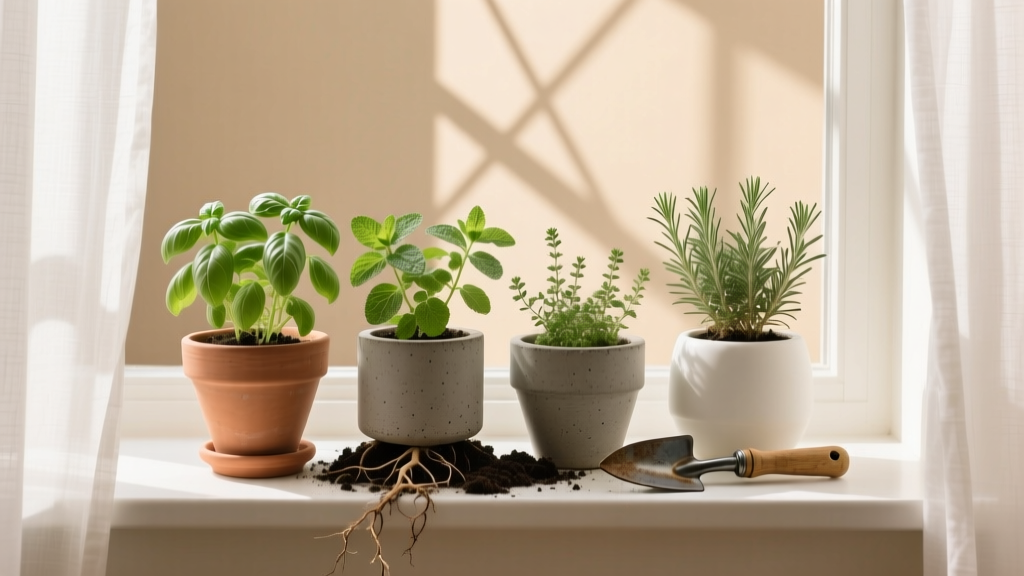 How to Create a Container Herb Garden - The Decor Mag
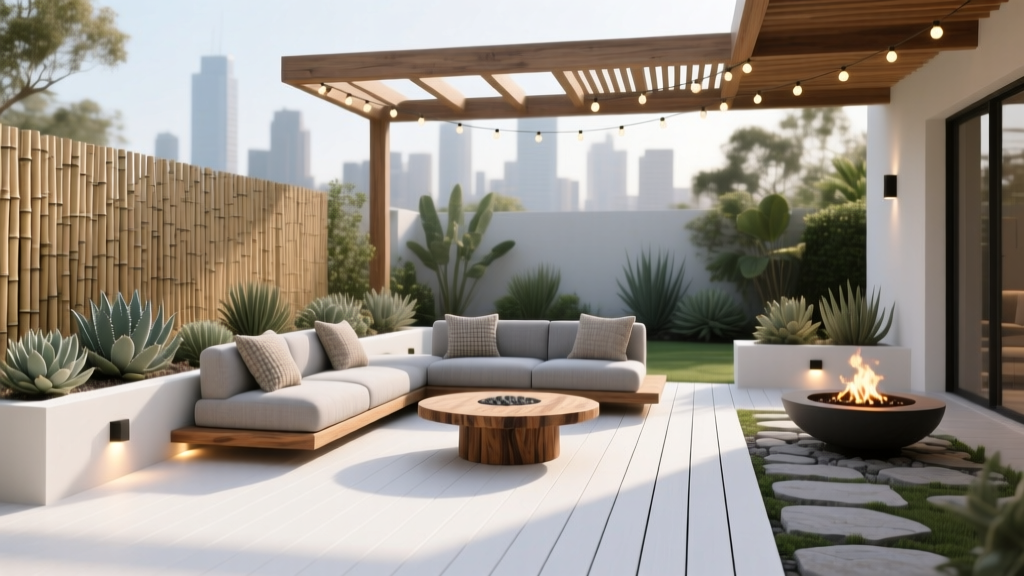 How to Create an Outdoor Entertainment Area - The Decor Mag
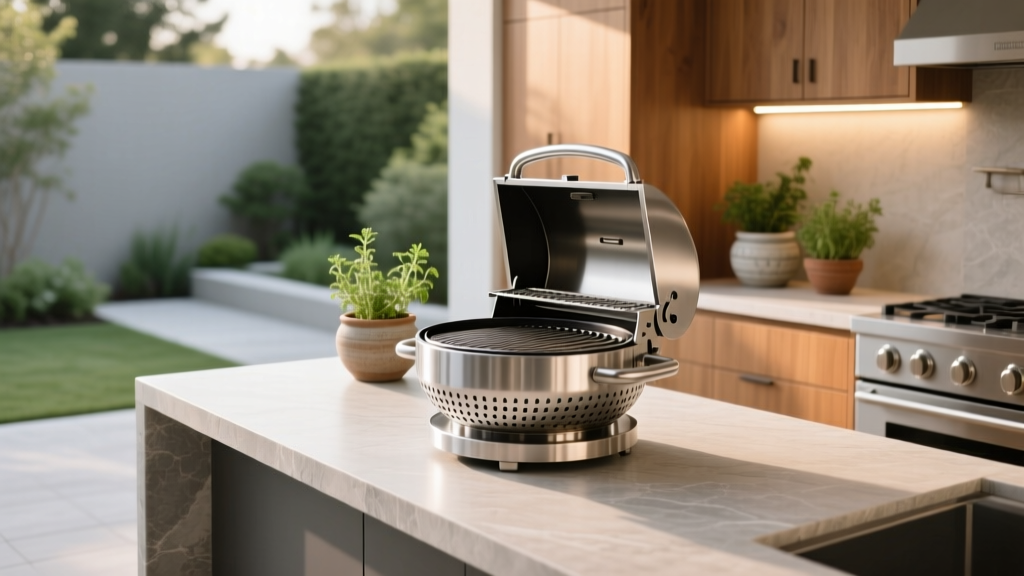 Outdoor Kitchen Rotating Grill Basket - The Decor Mag
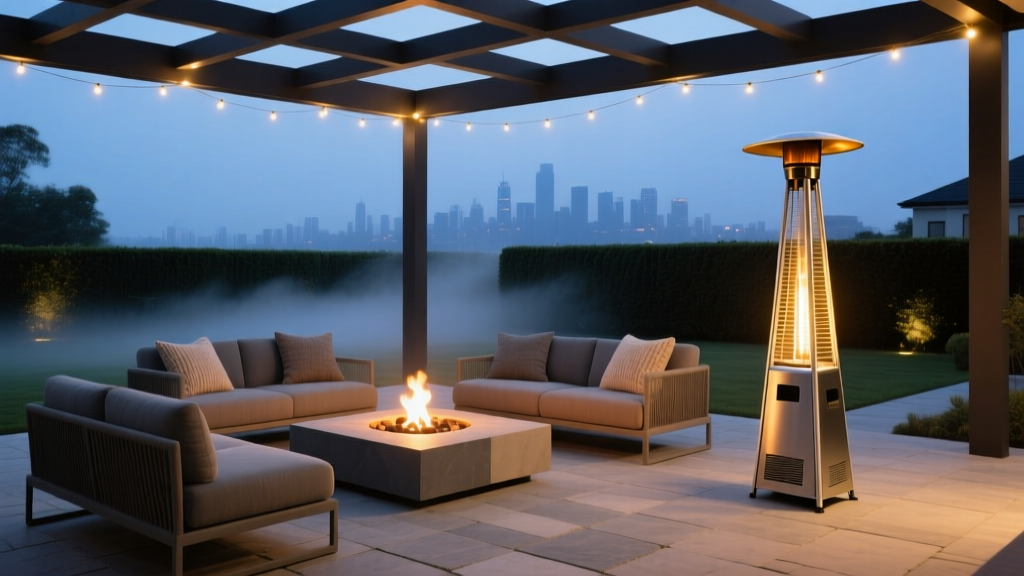 Best Outdoor Heater Options for Cool Nights - The Decor Mag
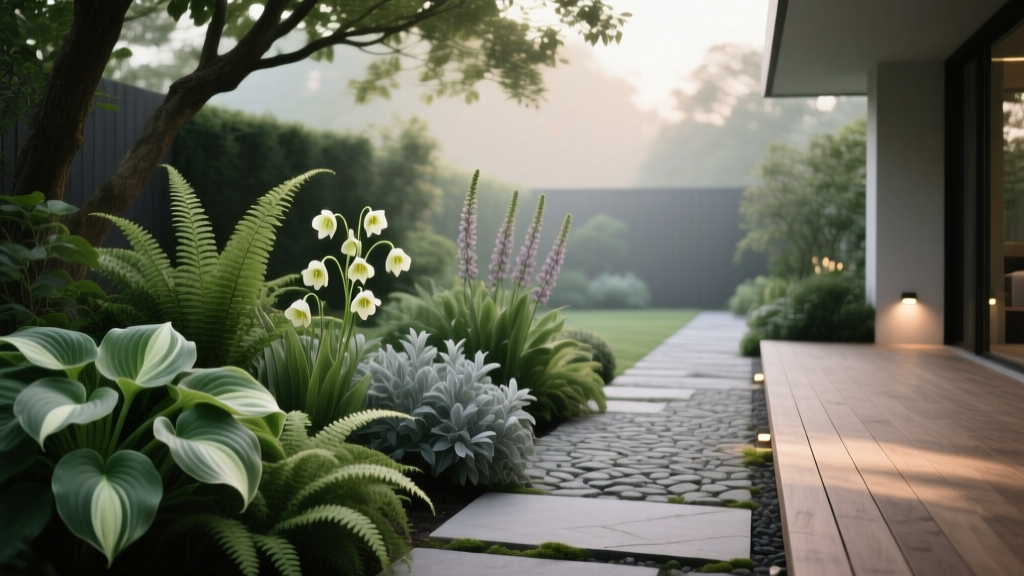 How to Design a Shade Tolerant Border - The Decor Mag
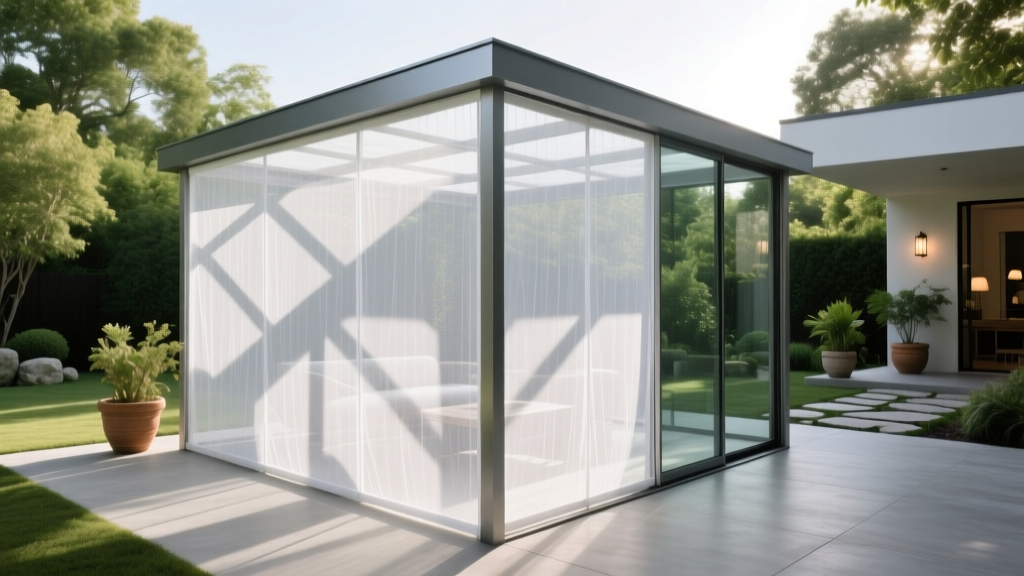 Outdoor Pavilion Insect Screen Options - The Decor Mag
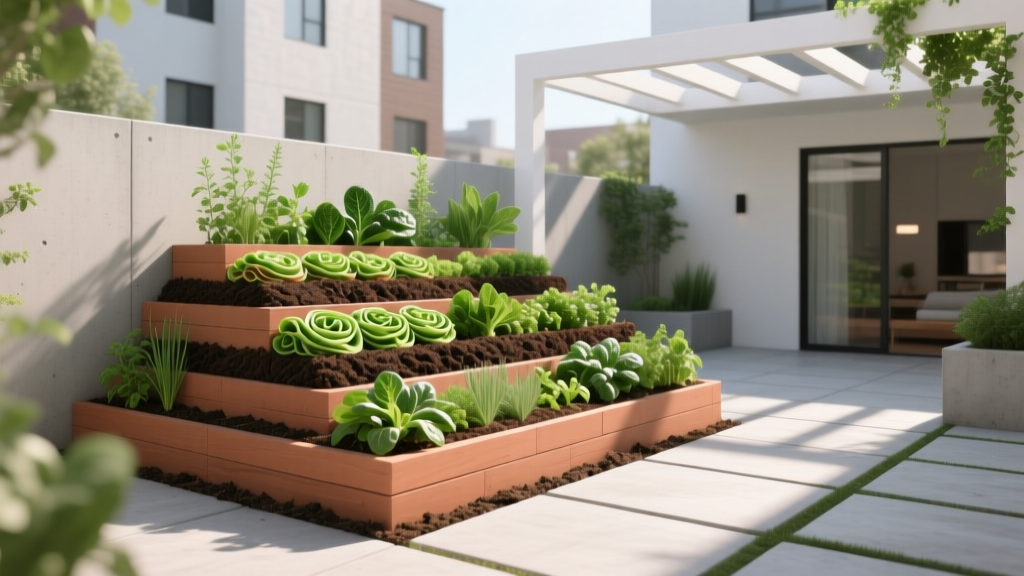 How to Create a Lasagna Garden Bed - The Decor Mag
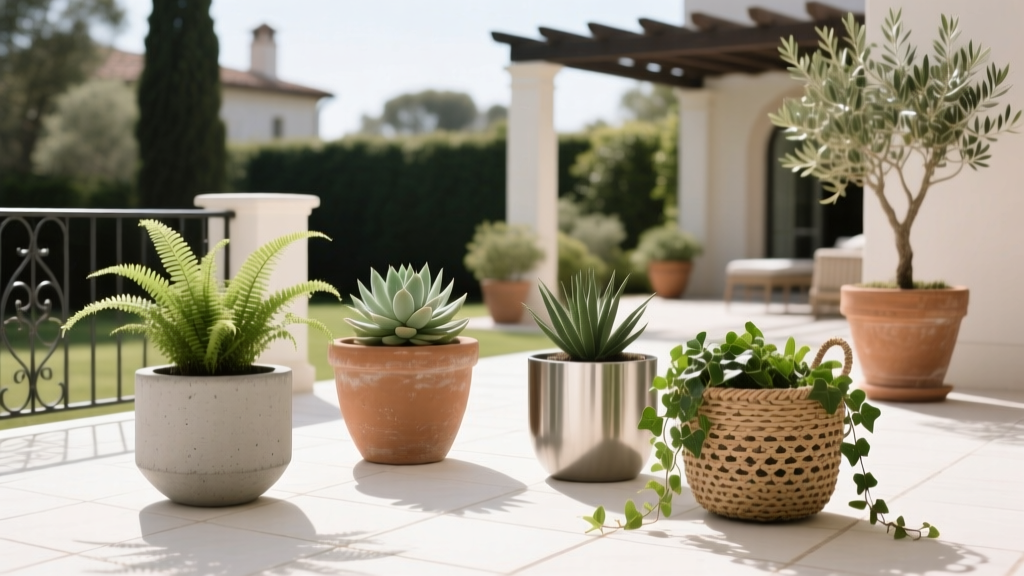 Best Outdoor Planters for Every Style - The Decor Mag
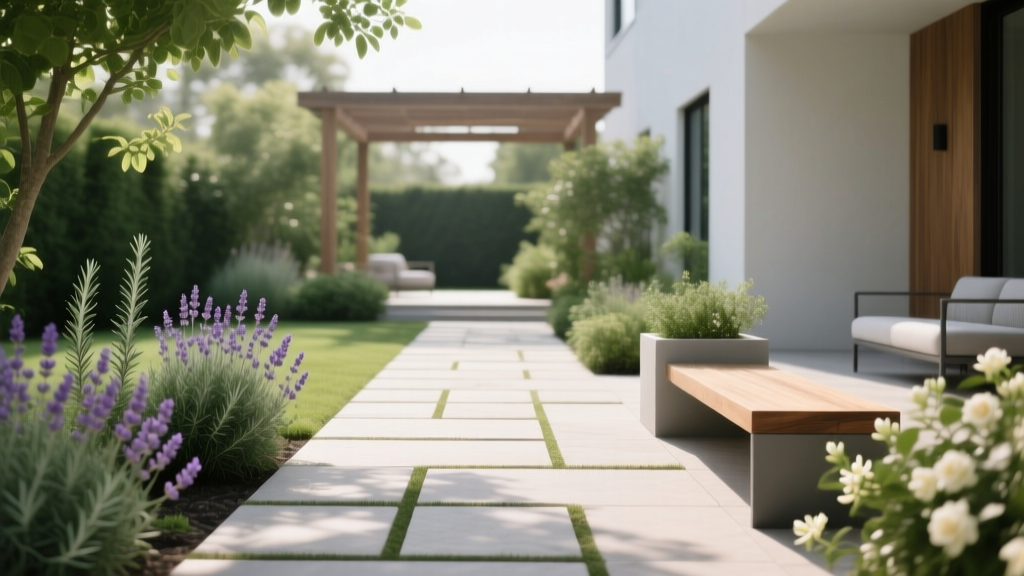 How to Design a Fragrant Garden Path - The Decor Mag
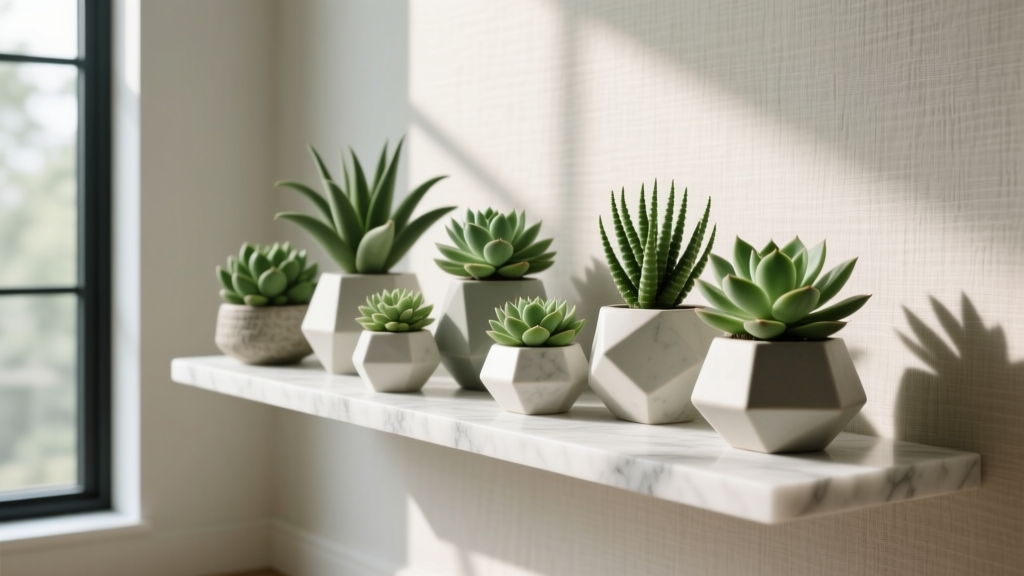 How to Create a Succulent Garden - The Decor Mag