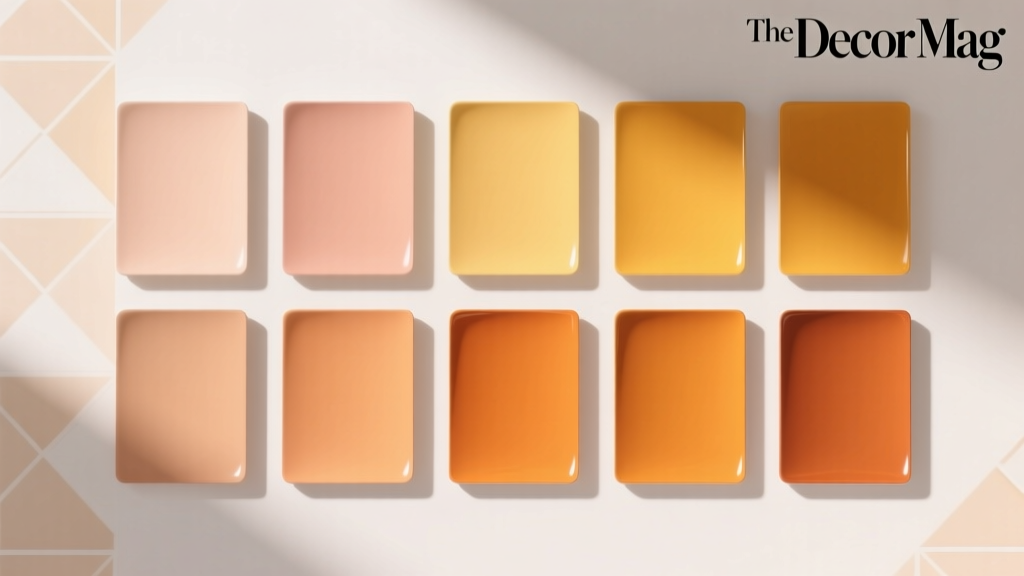
Best Mango Paint Colors - The Decor Mag
Mango is one of those rare paint color families that can feel both sunny and sophisticated. It carries the warmth of golden yellow, the energy of orange, and—when balanced correctly—the softness of a modern neutral. If you’ve ever wanted a home that feels brighter, friendlier, and more “alive” without leaning neon or juvenile, mango paint colors deserve a spot on your shortlist.
From a color psychology standpoint, mango tones are associated with optimism, appetite, creativity, and social connection—exactly why they shine in kitchens, dining rooms, entryways, and spaces designed for gathering. They can also add a flattering glow to skin tones, making them surprisingly good for powder rooms and vanity areas when paired with the right lighting.
This guide breaks down the best mango paint colors across popular brands, how to choose the right undertone, where mango works best in real rooms, and which color schemes elevate it from “bright” to beautifully designed.
What Makes a Paint Color “Mango”?
In interior color design, “mango” typically sits between yellow and orange, often with a golden base. True mango paint colors feel juicy and sunlit—not mustardy, not pumpkin, and not highlighter-bright. The most livable mango hues usually have one of these undertone directions:
- Golden mango: warm yellow-orange with a honeyed glow (friendly, classic)
- Coral mango: mango with a pink/coral lift (fresh, modern, playful)
- Spiced mango: deeper mango with amber/terracotta influence (cozy, grounded)
- Soft mango: mango toned down with cream or beige (easygoing, “sun-washed”)
Design principle: Mango reads more intense on a full wall than on a swatch. Because it’s a high-energy hue, the surrounding finishes (floors, countertops, textiles) and the direction of light will dramatically change its impact.
How to Choose the Right Mango Paint Color for Your Space
1) Consider the light (warm vs. cool exposure)
- North-facing rooms: cooler, flatter light can make mango look muted or slightly dull. Choose a mango with more golden/yellow in it, or go a step lighter than you think.
- South-facing rooms: bright light intensifies warmth. Choose a softer mango or one with a hint of beige to avoid looking overly saturated.
- East-facing rooms: morning sun makes mango glow. Great for breakfast nooks and kitchens.
- West-facing rooms: afternoon light can turn mango into “fire.” Consider spiced mango shades with depth, or use mango as an accent.
2) Match mango to fixed finishes
Before choosing a mango wall color, look at what can’t easily change:
- Wood tones: Mango loves medium oak and warm walnut. With red-toned cherry, pick a mango that leans more golden than orange.
- Stone and counters: Creamy quartz and warm marbles pair best. Cool gray granite can clash unless mango is softened with beige and the palette is carefully balanced.
- Metal finishes: Brass and aged bronze are natural partners; polished nickel can work if the mango is less orange and more golden.
3) Decide how bold you want to go
Mango doesn’t have to be a full-room commitment. Choose your “dose”:
- Full walls: best for social spaces with good natural light
- Single accent wall: strong impact with easier editing later
- Cabinetry or built-ins: designer look, especially in kitchens and laundry rooms
- Front door: instant curb appeal; mango is welcoming and memorable
Best Mango Paint Colors (With Brand Recommendations)
Below are standout mango paint colors from major brands. Always test in your own lighting with large samples, since mango hues can shift quickly between yellow, orange, and peach.
Sherwin-Williams Mango Paint Colors
- Sherwin-Williams Folkstone (SW 6005): A golden apricot-mango that reads warm and softly spiced. Great for living rooms, entryways, and accent walls with creamy trim.
- Sherwin-Williams Cayenne (SW 6881): Bolder and deeper—more “spiced mango” than fruity pastel. Best as an accent (powder room, dining room, built-in cabinetry) where you want drama.
- Sherwin-Williams Summer Day (SW 6035): A bright, cheerful mango-yellow. Ideal for sunny kitchens or playrooms, especially with crisp white and light wood.
Benjamin Moore Mango Paint Colors
- Benjamin Moore Hawthorne Yellow (HC-4): A classic golden hue that often reads mango-adjacent depending on light. Beautiful in traditional homes, halls, and kitchens—warm without shouting.
- Benjamin Moore Orange Blossom (2168-40): Lively, citrusy, and closer to a true mango-orange. Strong choice for a front door, small accent wall, or creative studio.
- Benjamin Moore Spice (AF-105): A richer, earthier take that can feel like a deep mango/amber. Gorgeous in dining rooms with warm woods and layered textiles.
Farrow & Ball Mango-Adjacent Favorites
- Farrow & Ball India Yellow (No. 66): A deep golden mango that looks historic and luxurious. Works best with warm whites, natural linens, and darker wood floors.
- Farrow & Ball Babouche (No. 283): Bright, confident yellow that can lean mango in warm light. Use thoughtfully—stunning in small doses or as a full-room statement with restrained decor.
Behr Mango Paint Colors
- Behr Marigold (PPU6-02): A golden mango with a slightly earthy base, making it easier to live with. Nice for kitchens, laundry rooms, and sunny corridors.
- Behr Curry Powder (PPU6-01): Deeper and more spiced; an excellent accent choice that pairs well with warm whites and leather tones.
Dulux / Other Options (If Available in Your Region)
- Dulux Saffron Salute (often region-specific): A saturated golden-yellow that can read mango in bright interiors. Great for feature walls and modern color-blocking.
Real Room Ideas: Where Mango Paint Colors Look Best
1) Kitchen: Mango walls or cabinets that feel fresh (not dated)
Mango in a kitchen brings warmth and appetite appeal—one reason warmer yellow-orange palettes have stayed timeless. The key is pairing mango with clean, grounding materials.
- Mango wall + white cabinets: Try a soft mango like SW Folkstone with creamy white cabinetry and warm brass hardware.
- Mango lower cabinets + neutral uppers: Use a spiced mango (BM Spice) on lowers, with warm white uppers and light countertops for balance.
- Backsplash pairing: Off-white zellige tile, warm marble veining, or matte ceramic tile in cream/ivory keeps mango elevated.
Pro tip: If your kitchen has a lot of stainless steel and cool gray elements, choose a mango that leans more golden than orange to prevent a clash.
2) Dining room: A glow-up for evening entertaining
Mango tones look especially rich at night under warm lighting, making them ideal for dining rooms. A deeper mango (think “spiced” or “amber mango”) adds intimacy.
- Pair mango walls with moody charcoal or inky navy accents (chairs, art frames, buffet).
- Layer textiles: woven shades, linen drapery, and a rug with cream + rust threads to connect the palette.
- Choose bulbs around 2700K for a warm, flattering glow.
3) Entryway or hallway: Instant warmth and welcome
These transition spaces benefit from cheerful color. Mango makes an entry feel intentional and memorable, especially in homes dominated by neutrals.
- Mango walls + white trim: crisp, classic, and bright
- Mango ceiling: a designer move in a small foyer; keep walls neutral
- Mango + natural fiber runner: effortless warmth
4) Bedroom: Mango as an accent for a sunny, calm vibe
Full mango walls can feel energizing—great for morning people, less ideal if you want a cool, sleepy retreat. A balanced approach works best.
- Use mango behind the bed as a headboard wall, then keep the remaining walls warm off-white.
- Pair with soft clay, sand, and oatmeal bedding for a calm, sun-washed palette.
- Add contrast with walnut or black nightstands for definition.
5) Bathroom or powder room: Small space, big personality
Mango is fantastic in small bathrooms because it feels friendly and flattering. It also plays well with tile.
- Mango + creamy white tile: classic and bright
- Mango + terracotta floor tile: warm, Mediterranean-inspired
- Mango + green accents: botanical and fresh (try olive towels or a sage vanity)
Color Schemes That Make Mango Look Sophisticated
Mango becomes “designer” when it’s grounded by neutrals and given a clear supporting palette. Try these proven interior color schemes:
1) Mango + Warm White + Natural Wood
- Best for: Scandinavian warmth, modern farmhouse, casual coastal
- Paint partners: warm whites like Benjamin Moore White Dove or Sherwin-Williams Alabaster
2) Mango + Navy + Brass
- Best for: dining rooms, libraries, statement entryways
- Why it works: complementary contrast (orange vs. blue) creates bold harmony
3) Mango + Sage/Olive + Cream
- Best for: kitchens, sunrooms, relaxed living spaces
- Why it works: nature-based balance—warm fruit tones with grounded greens
4) Mango + Terracotta + Sand
- Best for: bohemian, Mediterranean, desert modern styles
- Why it works: a warm analogous scheme that feels cohesive and earthy
Common Mango Paint Mistakes (and How to Avoid Them)
- Choosing mango without testing in your lighting.
Mango shifts dramatically. Paint large samples on multiple walls and observe morning, afternoon, and evening. - Pairing mango with cool grays that turn it harsh.
If your home has cool gray flooring or counters, choose a mango with a softer, beige-gold base and add bridging neutrals (cream, greige, warm white). - Going too saturated in a room with low natural light.
A deep mango in a dim room can feel heavy. Opt for a lighter mango or use mango as an accent (door, niche, powder room vanity). - Forgetting about sheen.
High-gloss can make mango feel louder and show wall imperfections. For walls, eggshell or matte is often best; for trim/cabinets, consider satin or semi-gloss. - Not balancing mango with a calm neutral.
Mango needs breathing room. Anchor it with warm white trim, neutral textiles, and natural materials so the color feels intentional rather than overwhelming.
Practical Tips for Sampling Mango Paint Colors
- Sample bigger than you think: Aim for at least 12"x12" (larger is better).
- Check next to your trim color: Mango can make a “white” trim look dingy or too stark depending on undertone.
- Evaluate under your actual bulbs: Warm bulbs amplify mango; cooler bulbs can make it look flatter or more yellow.
- Use repeat elements: Echo mango in small ways—art, pillows, ceramics—so it feels integrated in the room’s color scheme.
FAQ: Mango Paint Colors
What colors go well with mango paint?
Warm whites, cream, sandy beiges, natural wood tones, brass, navy, charcoal, sage, and olive are top pairings. For a fresh look, add crisp white and a touch of green; for drama, add navy or deep teal.
Is mango a good paint color for a living room?
Yes—especially in living rooms that get good natural light. Choose a softer, golden mango for full walls, or use a richer mango as an accent wall paired with warm white and layered natural textures.
How do I keep mango from looking too bright?
Pick a mango with a beige or amber base, use a matte/eggshell finish, and balance it with warm neutrals and grounding elements like wood, leather, or black accents.
Does mango work with gray flooring?
It can, but it’s trickier. Choose a mango that leans more golden than orange, then add bridging tones (cream, greige, warm white) and consider warmer metals like brass to soften the contrast.
Is mango better for north-facing or south-facing rooms?
Mango is often easier in north-facing rooms because it adds needed warmth. In south-facing rooms, it can become intense—choose a softer mango or use it as an accent.
Next Steps: Bringing Mango Into Your Home
Start by identifying the room’s light exposure and fixed finishes, then pick 2–3 mango paint colors to sample in large swatches. Build a simple supporting palette—warm white, one grounding dark (navy/charcoal), and a natural element (wood, rattan, linen). Whether you paint a full room, a front door, or a set of cabinets, mango rewards thoughtful pairing with a space that feels optimistic, welcoming, and uniquely yours.
For more paint color ideas, undertone breakdowns, and room-by-room color schemes, explore our latest color guides on thedecormag.com.
More Articles
 How to Choose Colors for a Breakfast Nook - The Decor Mag
 Placement Safety Tips: Preventing Falls, Injuries, and Equipment Failure in Industrial and Residential Settings
 Best Kiwi Green Paint Colors - The Decor Mag
 Best Navy Paint Colors for Every Style - The Decor Mag
 Bedroom vs. Open Concept: Functional, Psychological, and Design Realities
 How to Create a Restraint Color Palette - The Decor Mag
 Cheap vs Premium Placement: What $0.12 CPM Really Costs Your Brand
 Best Lime Green Paint Colors - The Decor Mag
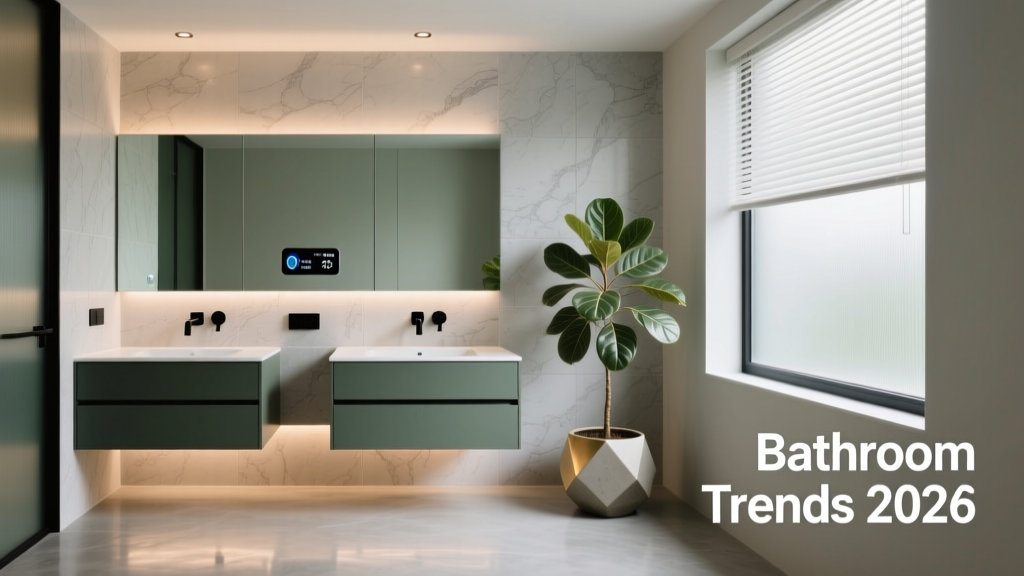 Bathroom Trends 2026: Wellness Integration, Material Innovation, and Smart Efficiency
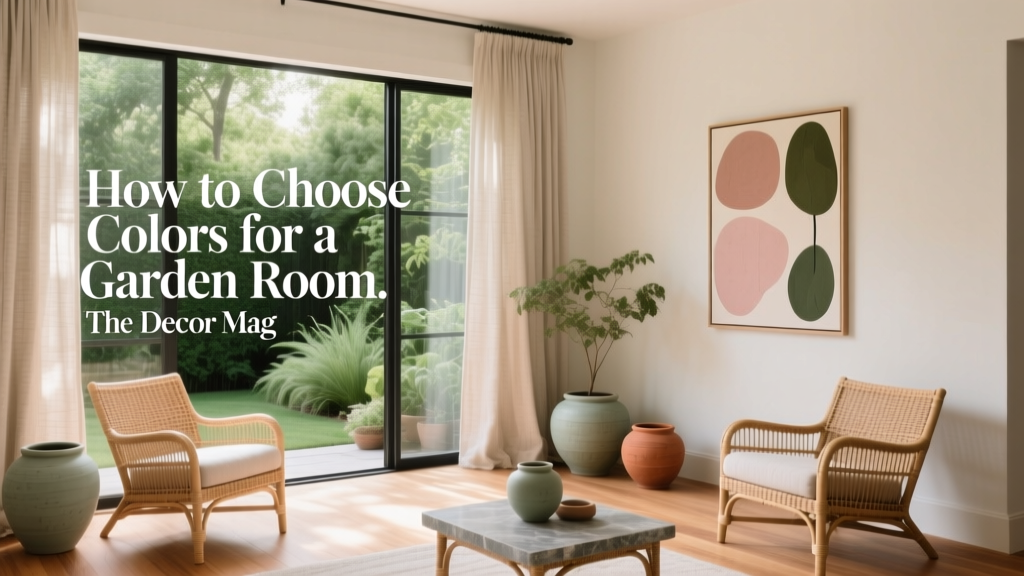 How to Choose Colors for a Garden Room - The Decor Mag