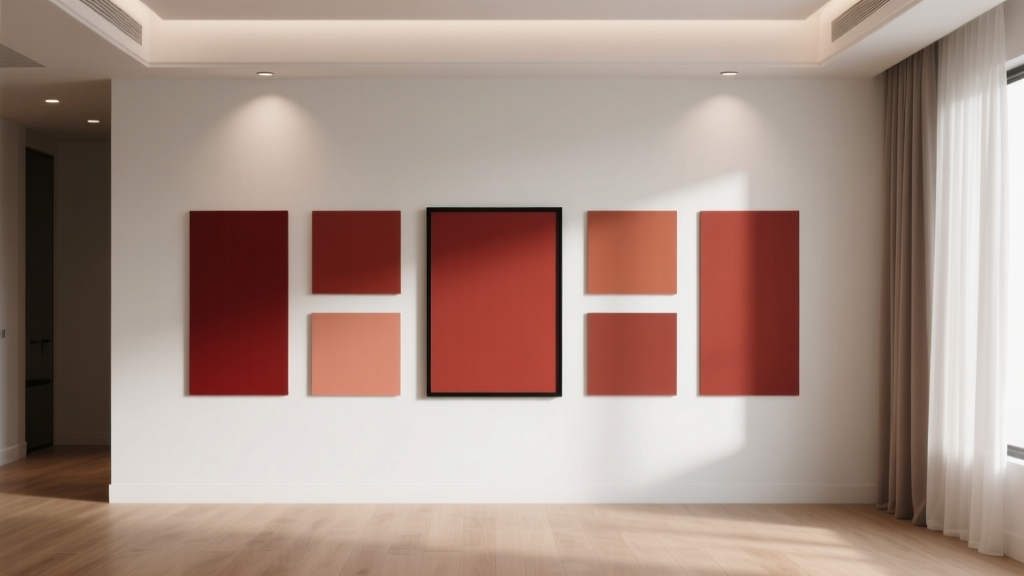
Best Rust Red Paint Colors - The Decor Mag
Rust red is one of those rare paint colors that feels both earthy and elevated. It carries the warmth of terracotta, the depth of brick, and a subtle aged quality that makes a room feel collected rather than “decorated.” For homeowners and design enthusiasts, rust red offers an approachable way to bring color psychology into the home: it’s energizing without being loud, cozy without feeling heavy, and timeless without reading traditional.
This color topic matters because rust red sits in a sweet spot of today’s most livable palettes—warm neutrals, organic modern, Mediterranean-inspired interiors, and updated vintage. When chosen well, rust red paint colors flatter natural materials (wood, stone, linen, leather), enhance golden-hour light, and add dimension to otherwise neutral spaces. The key is understanding undertones, lighting, and how rust red behaves on different surfaces.
Below, you’ll find a curated list of the best rust red paint colors, how to use them in real rooms, the most flattering color schemes, and the common mistakes that keep this gorgeous hue from reaching its full potential.
What “Rust Red” Really Means (Undertones + Color Psychology)
Rust red is typically a warm red-orange with brown or umber undertones. Unlike cherry red or true primary red, rust feels grounded and natural—closer to baked clay or oxidized metal than lipstick or fire-engine red.
Color psychology: why rust red works
- Warmth and comfort: Rust red signals warmth and shelter—ideal for living rooms, dining rooms, and bedrooms.
- Appetite and sociability: Like many red-based hues, rust can encourage conversation and appetite, making it a natural fit for dining spaces.
- Confidence and character: Used as an accent or focal wall, it adds personality without feeling trendy in a disposable way.
Undertones to watch
- Orange-leaning rust: More terracotta; brightens rooms and pairs beautifully with creamy whites.
- Brown-leaning rust: More grounded and moody; stunning with dark woods and warm charcoals.
- Pink-leaning rust: Softer, sometimes “dusty”; works well in bedrooms and vintage-inspired palettes.
How to Choose the Best Rust Red Paint Color for Your Space
1) Start with the light (north, south, east, west)
- North-facing rooms: Light is cooler; rust can look deeper and more brown. Choose a slightly brighter, orange-leaning rust to keep it lively.
- South-facing rooms: Warm, abundant light; rust can glow. You can handle deeper, browner versions without the room feeling heavy.
- East-facing rooms: Morning warmth, afternoon coolness. Rust may shift throughout the day—sample and observe.
- West-facing rooms: Afternoon golden light intensifies rust; consider muted or brown-leaning rust to avoid an overly orange effect at sunset.
2) Match rust to fixed finishes
Rust red paint colors look best when they echo something already in the room:
- Brick fireplaces or terracotta tile
- Warm-toned oak or walnut floors
- Leather, jute, cane, or aged brass
- Warm white countertops (cream, ivory) or honed stone with beige veining
3) Decide: statement wall or full saturation?
- Accent wall: Great for cautious color users; works behind a bed, sofa, or dining banquette.
- Full room: Creates an enveloping, designer look—especially effective in dining rooms, powder rooms, and libraries.
- Color drenching: Painting walls + trim (and sometimes ceiling) in the same rust creates a cocooning, high-end result.
Best Rust Red Paint Colors (Designer-Approved Picks)
These rust red paint colors are popular for good reason: they read rich, balanced, and sophisticated across a range of homes. Always test with peel-and-stick samples or sample pots, since undertones shift dramatically with lighting.
Benjamin Moore: Rust and Terracotta Favorites
- Benjamin Moore Audubon Russet (HC-51): A classic russet with a historical feel—beautiful in traditional dining rooms, studies, and foyers.
- Benjamin Moore Terra Cotta Tile (2090-30): Bold, sun-baked terracotta energy; excellent for accent walls and creative studios.
- Benjamin Moore Potters Clay (1221): Softer, earthier rust that can behave like a warm neutral; great for bedrooms and living rooms.
Sherwin-Williams: Warm, Livable Rust Reds
- Sherwin-Williams Cavern Clay (SW 7701): A beloved modern rust with a desert vibe—works in open-plan spaces and pairs well with creamy whites and black accents.
- Sherwin-Williams Redend Point (SW 9081): A muted red-beige that reads “rust-adjacent.” Ideal if you want warmth without a strong red statement.
- Sherwin-Williams Foxy (SW 6333): A richer terracotta-rust hybrid; best as an accent or in rooms with strong natural light.
Farrow & Ball: Deep, Earthy Reds with Character
- Farrow & Ball Red Earth (No. 64): A sophisticated clay red with depth; exceptional for dining rooms and libraries with warm lamps and layered textiles.
- Farrow & Ball Baked Tile (No. 60): Saturated terracotta with an artisan feel; pairs well with limestone, oak, and off-white trim.
Behr: Accessible Rust Reds for Modern Homes
- Behr Spiced Berry (PPU18-2): A warmer red with a slightly fruity undertone—useful when you want rust warmth without going too brown.
- Behr Canyon Dusk (S210-5): A dusty, desert-inspired shade that leans earthy; works beautifully with white oak and natural fiber rugs.
Dunn-Edwards: Warmth with a Designer Edge
- Dunn-Edwards Tuscan Red (DE5098): A classic architectural red with brown undertones; gorgeous on doors, built-ins, and Mediterranean-style exteriors.
Real Room Examples: Where Rust Red Paint Looks Best
Living room: a grounded focal wall behind the sofa
Rust red makes a living room feel welcoming, especially when you’re working with a lot of neutrals.
- Try: Sherwin-Williams Cavern Clay (SW 7701) on the fireplace wall or behind a sectional.
- Pair with: creamy white walls, a camel leather chair, walnut coffee table, and woven textures.
- Style tip: Add art with warm whites, charcoal lines, and a hint of ochre to echo the undertone.
Dining room: full-room rust for a restaurant-level glow
Rust red is a secret weapon in dining rooms because it flatters candlelight and makes meals feel special.
- Try: Farrow & Ball Red Earth (No. 64) on walls with warm white trim, or color-drenched for drama.
- Pair with: aged brass or bronze lighting, dark wood dining table, linen drapery.
- Finish idea: Use eggshell on walls for clean durability; consider satin on trim if you want subtle contrast.
Bedroom: muted rust for warmth without overstimulation
For sleep spaces, look for a softened rust or red-beige that reads calm and cocooning.
- Try: Sherwin-Williams Redend Point (SW 9081) or Benjamin Moore Potters Clay (1221).
- Pair with: oatmeal bedding, warm wood nightstands, and a deep olive throw for balance.
- Design principle: Keep the palette to 3–4 main colors to maintain serenity.
Kitchen: rust as an island, pantry, or lower cabinets
Rust red in kitchens reads fresh when balanced with light countertops and warm metals.
- Try: Benjamin Moore Audubon Russet (HC-51) on an island or pantry door.
- Pair with: creamy quartz, zellige tile in warm white, and brushed brass hardware.
- Pro move: If your floors are cool gray, choose a rust with a slightly muted, brown base to bridge the temperature gap.
Front door + exterior accents: instant character
Rust red doors feel timeless—especially on brick, stone, stucco, or warm-toned siding.
- Try: Dunn-Edwards Tuscan Red (DE5098) for a classic statement.
- Pair with: matte black hardware, warm white trim, and soft landscaping greens (olive, sage, boxwood).
Rust Red Color Schemes That Always Work
Rust red is flexible, but it shines most when paired with colors that either cool it down or reinforce its earthiness. Use these combinations to build a cohesive interior color design.
1) Rust red + creamy white (warm minimalism)
- Best whites: soft ivory, cream, and warm off-white (avoid icy bright whites that can make rust look muddy).
- Great for: modern farmhouse, organic modern, Scandinavian-with-warmth.
2) Rust red + sage or olive green (nature-inspired balance)
- Why it works: green is a natural counterbalance to red; earthy greens keep it sophisticated.
- Great for: living rooms, bedrooms, kitchens with lots of plants and natural textures.
3) Rust red + navy or inky blue (high-contrast classic)
- Why it works: blue cools and sharpens the palette; rust adds warmth and approachability.
- Great for: dining rooms, offices, entryways.
4) Rust red + warm gray/greige (quietly modern)
- Why it works: greige stabilizes rust and keeps it from feeling too “southwest” if that’s not your style.
- Great for: open floor plans where you need flow between rooms.
5) Rust red + blush + ochre (sunset palette)
- Why it works: analogous hues (neighbors on the color wheel) create harmony and a curated feel.
- Great for: creative spaces, powder rooms, eclectic homes.
Application Tips: Getting Rust Red Right on the Wall
- Sample first—always. Paint a large swatch (at least 2 ft x 2 ft) on multiple walls to see how it shifts.
- Check day/night. Rust reds can deepen dramatically under warm ламps; decide if you want cozy or dramatic.
- Choose the right sheen.
- Walls: matte or eggshell for most living spaces
- Trim/doors: satin or semi-gloss for durability
- High-traffic areas: washable matte or durable eggshell
- Use warm lighting. Aim for 2700K–3000K bulbs to enhance rust’s glow without turning it overly orange.
- Balance with texture. Linen, boucle, jute, raw wood, and aged metals keep rust from feeling flat.
Common Rust Red Paint Mistakes to Avoid
- Choosing a rust that clashes with your floors. Cool gray flooring can make warm rust look disconnected. Consider a browner, muted rust or add bridging elements (warm rugs, wood furniture).
- Pairing with stark bright white. High-contrast, blue-white trim can make rust read dull or dirty. Opt for a creamy white or soft neutral.
- Ignoring undertones in stone and tile. If your countertop or fireplace has pink-beige veining, a very orange rust may fight it. Match undertones intentionally.
- Over-saturating an already warm room. In very golden west-facing rooms, a bright terracotta can become too intense. Choose a deeper russet or muted clay.
- Forgetting about adjacent rooms. Rust looks best when it flows into nearby neutrals or complementary hues. Plan transitions (hallway, open-plan living) with a cohesive palette.
FAQ: Rust Red Paint Colors
Is rust red the same as terracotta?
They’re close, but not identical. Terracotta usually leans more orange and clay-like, while rust red often includes more brown or umber, giving it a deeper, aged look. Many “rust” shades sit right between red, orange, and brown.
What colors go best with rust red paint?
Top pairings include creamy white, warm greige, sage/olive green, navy, charcoal, and natural wood tones. For a softer look, add blush or warm beige; for drama, add inky blue or black accents.
Can rust red work in small rooms?
Yes—especially in powder rooms, small dining rooms, and cozy offices. Use warm lighting and consider color drenching for an intentional, enveloping feel. If you prefer lighter, use rust on a single focal wall or on cabinetry.
Will rust red make my room feel darker?
Deeper rust shades can absorb light, particularly in north-facing rooms. If brightness is a priority, choose a lighter, more terracotta-leaning rust, increase lamp lighting, and pair with creamy whites and reflective finishes (mirrors, warm metals).
What finish is best for rust red walls?
Matte or eggshell is typically best for walls; it keeps the color rich and sophisticated. For trim, doors, or built-ins in rust red, satin or semi-gloss adds durability and a subtle contrast in sheen.
How do I keep rust red from looking too orange?
Select a rust with a stronger brown base (russet/umber undertones), avoid overly warm 2700K bulbs if your room already gets golden light, and pair rust with grounding colors like warm gray, olive, or deep navy.
Next Steps: Make Rust Red Work in Your Home
Pick two or three rust red paint colors from the list and test them on multiple walls. Observe them through the day, then build a simple supporting palette: a creamy neutral, one grounding dark (navy/charcoal/espresso), and one natural texture (wood, linen, jute). If you want a low-risk start, try rust red on a front door, a powder room, or a single focal wall—then expand once you see how beautifully it warms your space.
For more paint color ideas, color schemes, and room-by-room guidance, explore our latest color guides on thedecormag.com.
More Articles
 Best Mustard Yellow Paint Colors - The Decor Mag
 How to Use Color to Create Contrast - The Decor Mag
 Cheap vs Premium Placement: What $0.12 CPM Really Costs Your Brand
 Best Cobalt Blue Paint Colors - The Decor Mag
 Best Melon Paint Colors - The Decor Mag
 How to Use Color to Create Balance - The Decor Mag
 How to Use Color to Create Depth - The Decor Mag
 Whole-House Color Scheme: How to Choose (2026)
 How to Choose Colors for a Reading Room - The Decor Mag
 Best Prussian Blue Paint Colors - The Decor Mag