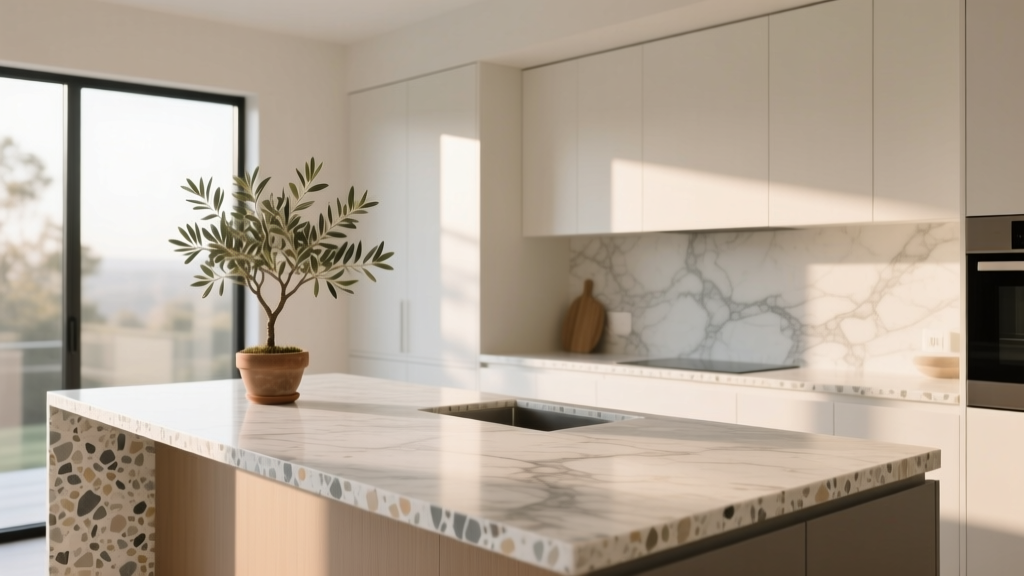
Kitchen Terrazzo Countertop Trends - The Decor Mag
Kitchen renovations are rarely just about looks. The surfaces you choose affect how you cook, clean, entertain, and even how your home feels day to day. Countertops sit at the center of all that activity, which is why homeowners are paying closer attention to materials that offer both personality and long-term performance.
Terrazzo countertops are having a major moment in kitchen design—showing up in everything from sleek modern remodels to warm, character-driven family kitchens. What makes terrazzo so compelling is its balance of art and utility: a durable composite surface with a one-of-a-kind “chip” pattern that can pull together cabinetry, flooring, hardware, and backsplash choices in a way few materials can.
If you’re planning a kitchen renovation or a targeted refresh, this guide breaks down the terrazzo countertop trends shaping today’s kitchens, along with practical specs, cost ranges, layout recommendations, and maintenance tips to help you choose confidently.
What Terrazzo Is (and Why It’s Trending in Kitchen Design)
Terrazzo is a composite material made by embedding chips—typically marble, quartz, glass, granite, or porcelain—into a binder (cementitious or resin-based). It’s then ground and polished to a smooth finish.
Why homeowners are choosing terrazzo for kitchen countertops
- Distinctive patterning: Each slab has natural variation, making it feel custom.
- Design flexibility: Chip size, color mix, and base tone can be subtle or bold.
- Durability: Properly sealed terrazzo performs well for busy kitchens.
- Trend-forward yet timeless: It nods to mid-century and European design while fitting modern minimalist spaces.
- Great for coordinated surfaces: Works across counters, backsplashes, islands, and even matching shelves.
Cement vs. epoxy (resin) terrazzo: what’s best for kitchens?
Both are used, but they behave differently. For countertops, many fabricators and homeowners prefer resin-based terrazzo for consistent color and lower porosity, while cement-based terrazzo can deliver a more organic, stone-like feel.
- Epoxy/resin terrazzo: Lower porosity, more stain resistant, lighter weight, and offers brighter color options. Not ideal for direct high heat; always use trivets.
- Cement terrazzo: More traditional look, can be thicker/heavier, may require more diligent sealing and stain prevention. Can develop subtle patina over time.
Top Kitchen Terrazzo Countertop Trends for 2026
1) Soft, minimal terrazzo with micro chips
Large, confetti-like chips had their spotlight, but many current kitchen design trends are shifting toward calmer, more refined terrazzo. Micro chips (small aggregate pieces) create a gentle texture that reads almost like a solid from a distance—perfect for homeowners who want interest without visual noise.
Design pairing ideas:
- Flat-panel oak or walnut cabinets for a warm modern look
- Matte black or brushed nickel hardware
- Simple backsplash tile (2x8 or 2x10) to keep the countertop as the focal point
2) Monochrome terrazzo (tone-on-tone chips)
Monochrome terrazzo uses chips in similar hues to the base color—think white-on-cream, charcoal-on-black, or warm beige-on-tan. This trend supports timeless functionality principles: the kitchen feels calm, clutter looks minimized, and the countertop stays versatile as your decor evolves.
Best for: Smaller kitchens, open-concept homes, and homeowners who want a countertop that won’t compete with patterned flooring or statement lighting.
3) High-contrast “graphic” terrazzo for statement islands
If your renovation plan includes a larger island, terrazzo is being used to create a centerpiece moment—especially in kitchens that otherwise lean minimal. High-contrast chips (black/white, rust/cream, emerald/white) can make the island read like furniture.
Practical island sizing tips:
- Allow 42 inches of clearance for work aisles (cook-friendly); 48 inches for multi-cook kitchens.
- Standard island depth is often 36–42 inches; add more only if your room supports comfortable circulation.
- For seating, plan 24 inches of width per stool and 12–15 inches of overhang (confirm with your fabricator for structural support needs).
4) Terrazzo as a full-height backsplash (and shelf coordination)
One of the most practical and elevated kitchen renovation moves is extending the countertop material up the wall. A terrazzo backsplash reduces grout lines (easier cleaning) and looks cohesive. For an even more custom feel, designers are matching terrazzo to:
- floating shelves (thin terrazzo slabs)
- window ledges
- coffee bars and appliance garages
Measurements to consider: A standard backsplash height is 4 inches, but full-height runs from countertop to upper cabinets (commonly 18–20 inches) or to the ceiling where no uppers exist.
5) Warm neutrals and earthy chips (the “soft organic” kitchen)
As kitchen design shifts away from stark white-only palettes, terrazzo is following suit. Expect creamy bases with sandy, terracotta, and taupe aggregate—ideal for homeowners choosing warmer cabinet paint colors, honed brass finishes, and natural wood tones.
Color combinations that feel current:
- Greige cabinets + cream terrazzo with caramel chips + aged brass pulls
- Deep olive cabinetry + warm terrazzo base + matte black faucet
- Natural white oak + beige terrazzo + brushed stainless appliances
6) Honed/matte finishes for a softer, lived-in look
Polished terrazzo is classic, but honed (matte) finishes are gaining popularity because they reduce glare and feel more casual. This is especially appealing in family kitchens where fingerprints and daily use are part of the story.
Finish comparison:
- Polished: More reflective, highlights aggregate, typically easier to wipe clean.
- Honed: Lower sheen, can hide small scratches better, may show stains sooner if not well sealed.
Material Comparisons: Terrazzo vs. Quartz, Granite, and Marble
Choosing a countertop is a balance of budget, durability, maintenance, and style. Here’s how terrazzo stacks up in common kitchen renovation conversations:
- Terrazzo vs. quartz: Quartz is very consistent and low maintenance; terrazzo offers more artistic variation and can feel more bespoke. Both can be stain resistant when properly fabricated and sealed (terrazzo needs more attention depending on type).
- Terrazzo vs. granite: Granite has natural movement and excellent heat resistance. Terrazzo offers more controllable color palettes and a modern design edge. Both are durable.
- Terrazzo vs. marble: Marble is iconic but prone to etching and staining. Terrazzo can mimic the upscale vibe with better everyday practicality—especially in busy family kitchens.
Costs and Budget Planning for Terrazzo Countertops
Terrazzo countertop pricing varies by region, slab availability, thickness, finish, edge detail, and installation complexity (waterfall edges and full-height backsplashes raise labor and material costs).
Typical cost ranges
- Precast terrazzo slabs/tiles (installed): $70–$130 per square foot
- Custom terrazzo fabrication (installed): $120–$250+ per square foot
- Full-height backsplash add-on: $30–$80 per square foot depending on cutouts and height
Budget tips that protect the look
- Use terrazzo on the island only and pair perimeter counters with a simpler material (quartz or butcher block) for a high-impact, lower-cost renovation.
- Choose a standard edge profile (eased or small radius) to reduce fabrication fees.
- Skip extra seams by optimizing slab layout—ask your fabricator for a seam plan before ordering.
Layout and Design Recommendations That Make Terrazzo Work Harder
Choose terrazzo patterns based on cabinet and flooring “busyness”
- If your kitchen has bold floors (patterned tile, strong wood grain), choose micro-chip or monochrome terrazzo.
- If floors and cabinets are calm, a larger aggregate terrazzo can become the focal feature.
Use terrazzo to improve kitchen organization zones
Great kitchen design supports everyday routines. Consider using terrazzo strategically to highlight functional zones:
- Baking zone: A dedicated 30–36 inch counter run for mixing and rolling.
- Coffee bar: A 24–30 inch niche with outlets and a wipeable backsplash panel.
- Prep zone: Aim for 36–48 inches of uninterrupted countertop near the sink and fridge.
Edge profiles and thickness: what looks current
- 2 cm with a clean edge: Sleek, modern, and visually light.
- 3 cm thickness: More substantial, often preferred for family kitchens and traditional homes.
- Mitered edge (appears thicker): Great for waterfall islands, but increases cost.
Product and Material Recommendations to Ask For
Because terrazzo can be produced in different ways, the best “product” is often a specification conversation with your fabricator or kitchen designer. Use these ask-for items to get a result that looks good and performs well:
- Food-safe, stain-resistant sealer appropriate for the terrazzo binder (cement vs. resin).
- Samples in your lighting: View a 12x12 sample near your cabinet door sample and flooring.
- Undermount sink compatibility: Confirm cutout support and sealing details around the sink.
- Integrated drainboard (optional): Works best with subtle patterns; confirm slope and sealing.
- Matching slab for backsplash if you want a seamless look (order together to avoid dye-lot differences).
Maintenance Advice: Keep Terrazzo Looking Its Best
Daily and weekly care
- Wipe with a soft cloth and pH-neutral cleaner.
- Avoid acidic cleaners (vinegar-based sprays) that can dull or etch certain binders or aggregates.
- Use cutting boards—terrazzo is durable, but knives can mark the surface and you’ll dull blades quickly.
Heat, stains, and sealing
- Always use trivets for hot pans, especially on resin-based terrazzo.
- Clean spills quickly (wine, coffee, turmeric, tomato sauce).
- Ask your installer how often to reseal; many kitchens fall into a 1–3 year reseal cycle depending on use and the specific product.
Scratch and chip considerations
Minor surface wear can often be improved with professional polishing. If you’re aiming for long-term resilience, avoid sharp impacts near edges (heavy cast iron pots are common culprits). Rounded edges slightly reduce chipping risk compared with sharp square edges.
Common Mistakes to Avoid with Terrazzo Countertops
- Picking terrazzo before confirming cabinet and flooring undertones: Terrazzo pulls color from the chips; it can clash if your kitchen has mixed warm and cool finishes.
- Ignoring seam placement: Busy patterns can hide seams, but poor seam locations (through the sink rail or across the cooktop area) can create weak points.
- Assuming all terrazzo is equally stain resistant: Cement-based terrazzo generally needs more vigilant sealing and spill cleanup.
- Overdesigning the space: If terrazzo is bold, keep the backsplash tile simple and let the countertop lead.
- Skipping real samples: Online photos rarely match true chip scale and base color in your home lighting.
- Choosing beauty over function at key zones: A dramatic waterfall edge is stunning, but don’t sacrifice prep space or aisle clearance to fit it.
FAQ: Kitchen Terrazzo Countertops
Are terrazzo countertops durable enough for a busy family kitchen?
Yes—when properly fabricated and sealed, terrazzo holds up well to daily cooking and cleaning. Use cutting boards, wipe spills promptly, and protect the surface from hot pans to keep it looking new.
Do terrazzo countertops stain easily?
Stain resistance depends on the type (cement vs. resin) and sealer quality. Resin-based terrazzo is typically less porous. Cement terrazzo can stain if left unsealed or if spills sit too long, so resealing on schedule matters.
Can I use terrazzo with a farmhouse sink or undermount sink?
Yes. Undermount installations are common—just confirm the fabricator’s reinforcement approach and sealing details around the sink cutout. Farmhouse/apron-front sinks also pair well with terrazzo; make sure cabinet support and templating are precise.
What backsplash looks best with terrazzo countertops?
For a clean, timeless look, choose simple subway tile (2x8 or 3x12), zellige-inspired neutrals, or a full-height terrazzo backsplash. If your terrazzo is bold, keep grout lines minimal and colors quiet.
Is terrazzo more expensive than quartz?
It can be. Many quartz options fall in the mid-range, while custom terrazzo fabrication often lands higher due to labor and customization. Precast terrazzo can be closer to quartz pricing in some markets.
Can terrazzo work in small kitchens?
Absolutely. Opt for micro-chip or monochrome terrazzo to avoid visual clutter, and consider using it on the perimeter counters while keeping the backsplash simple to make the space feel larger and brighter.
Next Steps: How to Choose the Right Terrazzo Countertop for Your Renovation
Terrazzo works best when you select it the same way a designer would: with a plan for color balance, layout flow, and daily maintenance. Start with these actionable steps:
- Collect 2–3 terrazzo options that match your cabinet and floor undertones (warm vs. cool).
- Request a seam plan and edge profile recommendation based on your kitchen layout and sink/cooktop locations.
- Decide where terrazzo will have the most impact—island, perimeter, backsplash, or a coffee bar zone.
- Confirm care requirements (cleaner type, sealing schedule, heat precautions) before ordering.
- Prioritize function: maintain 42–48 inch aisles, protect prep space, and design around how you cook.
Terrazzo can be playful, refined, retro, or ultra-modern—while still delivering the everyday practicality homeowners want from a hardworking kitchen countertop. For more kitchen design trends, renovation planning advice, and organization ideas, explore the latest guides on thedecormag.com.
More Articles
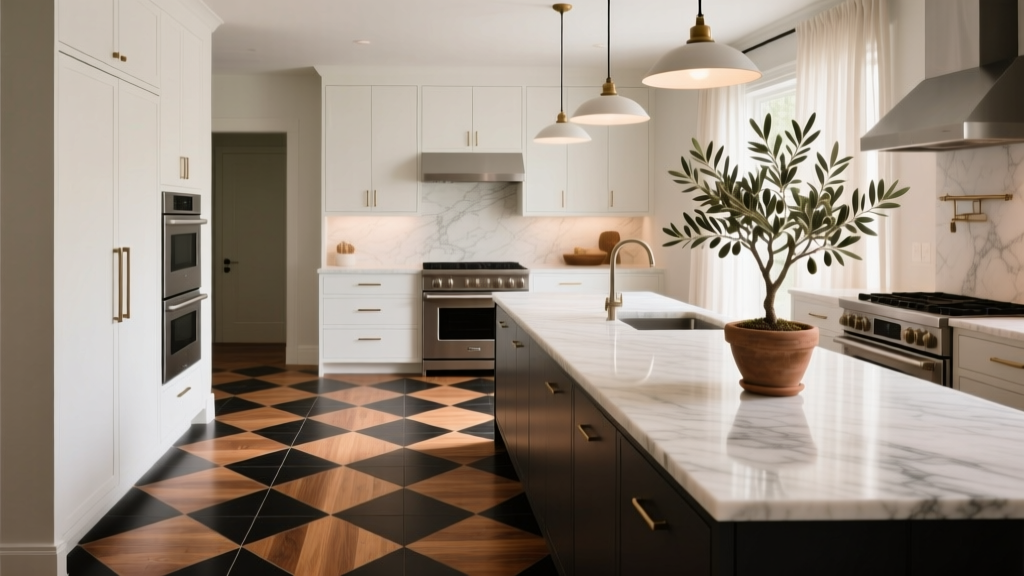 Kitchen Checkerboard Floor Revival - The Decor Mag
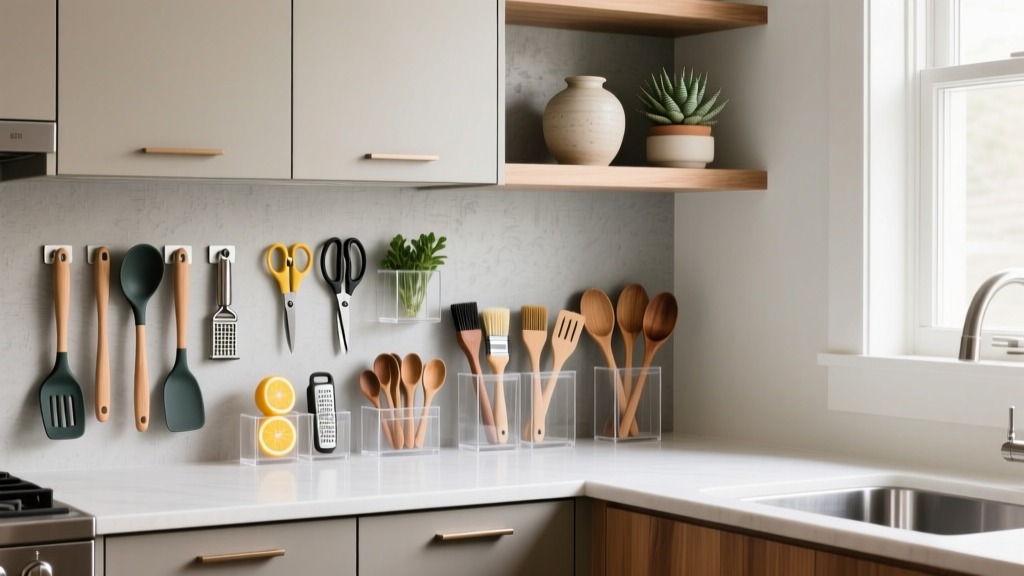 Best Kitchen Specialty Tool Organization - The Decor Mag
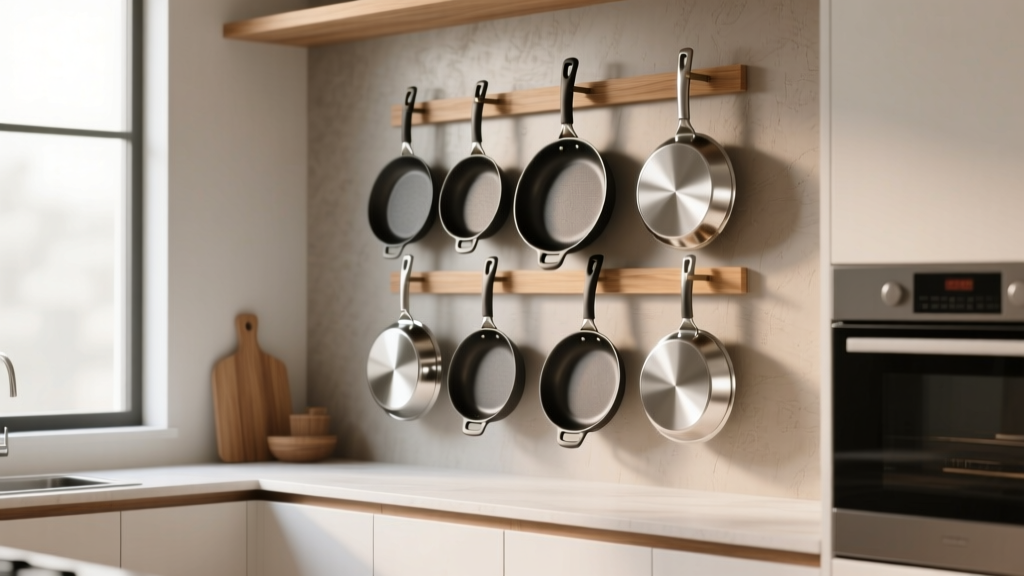 Best Kitchen Specialty Pan Storage - The Decor Mag
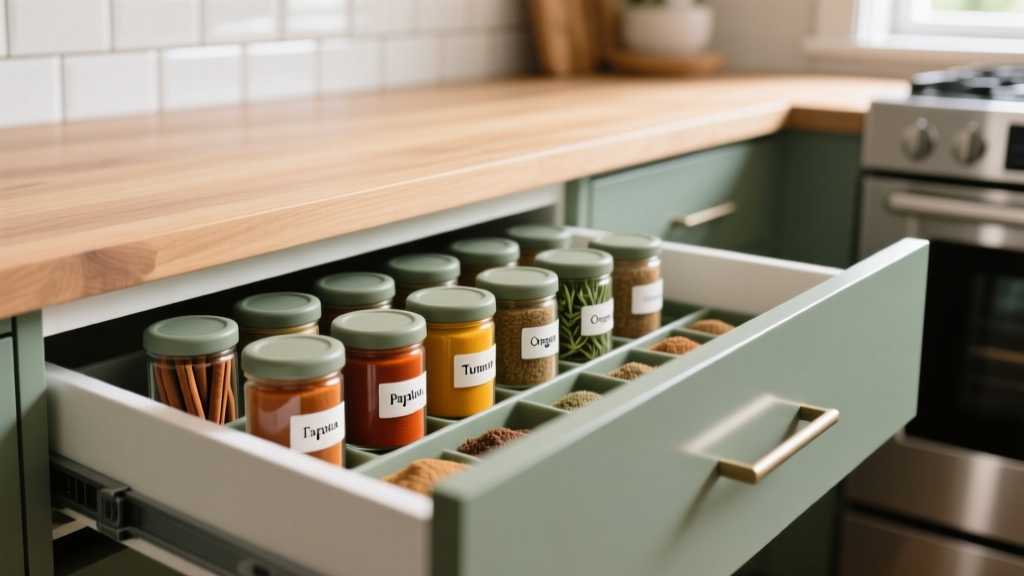 Best Kitchen Spice Drawer Inserts - The Decor Mag
 Kitchen Design for Cooking: Functional Ideas (2026)
 Best Kitchen Rug Options for Comfort - The Decor Mag
 Create Care and Maintenance: A Practical, Brand-Specific Guide for Modern Kitchens
 Wood and Colors Compared: How Species, Finishes, and Pigments Shape Kitchen Design Decisions
 Friendly vs. Solutions: A Practical, Kitchen-Tested Comparison of Two Leading Countertop Materials
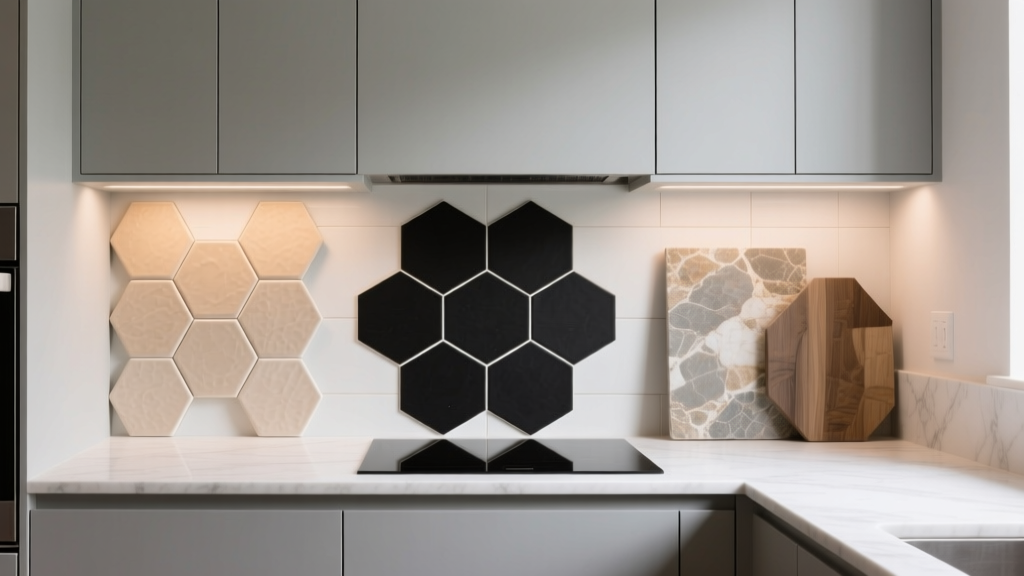 Kitchen Subway Tile Alternatives - The Decor Mag