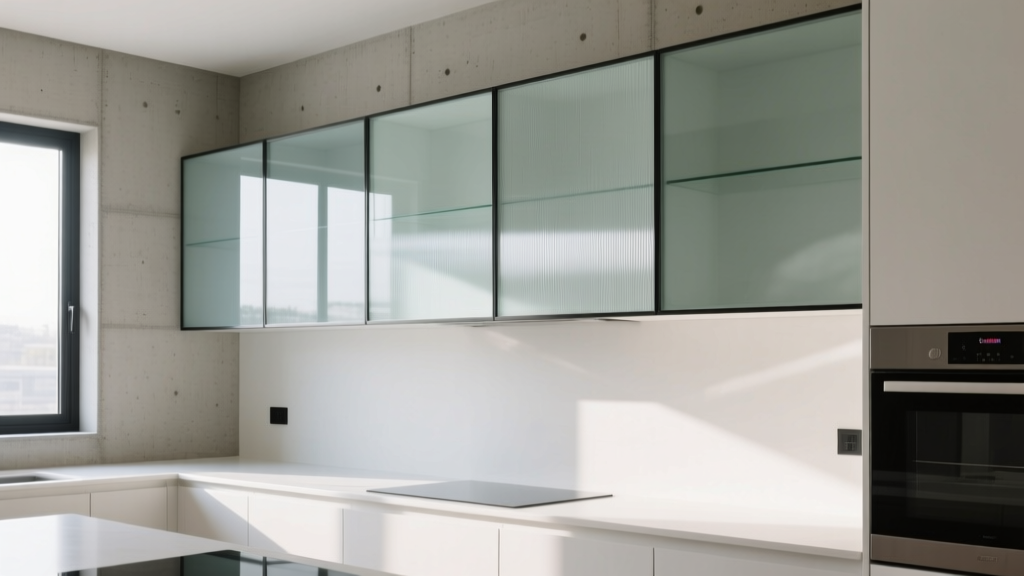
How to Choose Kitchen Cabinet Glass Type - The Decor Mag
Glass-front kitchen cabinets can transform how a kitchen feels and functions. They lighten up heavy runs of cabinetry, reflect natural and layered lighting, and create a spot to showcase everyday dishes or favorite pieces. The right cabinet glass can also support practical goals—making it easier to find items, visually organizing storage, and balancing open shelving trends with a cleaner, more protected look.
Choosing the best kitchen cabinet glass type is more than picking “clear or frosted.” Glass texture, thickness, safety rating, and even the cabinet layout all affect durability, privacy, cleaning time, and how cohesive your kitchen design looks. Whether you’re planning a full kitchen renovation or simply swapping cabinet doors, this guide will help you choose glass that fits your style, budget, and lifestyle.
Start with Your Kitchen Goals (Style + Function)
Before looking at samples, clarify what you need glass cabinet doors to do. Most decision regret comes from choosing a glass style that looks great in a showroom but doesn’t match real-life storage habits.
Ask yourself these questions
- Do you want display or disguise? Clear glass showcases; textured or frosted softens visual clutter.
- How tidy is your day-to-day cabinet storage? If you don’t love decanting and stacking neatly, avoid fully clear glass.
- Is this a high-traffic kitchen? Busy families benefit from easier-clean surfaces and safer glass options.
- What’s your renovation scope? Replacing only door fronts may limit thickness or frame options depending on existing cabinet construction.
- How much light do you want to reflect? Clear and lightly textured glass bounce light; darker tints reduce glare and visibility.
Where glass doors work best
- Upper cabinets (most common) to keep glass away from toe-kicks and bumps.
- Bar or beverage areas to highlight glassware and bottles.
- End-of-run feature cabinets to break up long walls of solid doors.
- Pantry “hutch” sections for curated, styled storage.
Kitchen Cabinet Glass Types: Pros, Cons, and Best Uses
Below are the most popular glass options used in kitchen design, from timeless classics to current trends. When possible, view large samples under your kitchen’s actual lighting (daylight + evening LEDs) to see how transparency and texture read in real conditions.
1) Clear (Transparent) Glass
Best for: Organized homeowners, curated dishware, modern and transitional kitchens.
- Pros: Bright, clean look; shows off dishes; maximizes light reflection; timeless.
- Cons: Everything inside is visible; requires consistent organization; fingerprints show easily.
- Design tip: Use clear glass on only 10–30% of uppers to avoid a “retail display” feel.
2) Frosted / Acid-Etched Glass
Best for: Busy kitchens, minimalists who want a calmer look, concealing mismatched items.
- Pros: Softens clutter; diffuses light; modern, clean aesthetic; works well with under-cabinet lighting.
- Cons: Can look flat without good lighting; shows grease smudges if not cleaned regularly.
- Maintenance tip: Use a microfiber cloth and non-ammonia cleaner to prevent hazy streaks.
3) Reeded (Fluted) Glass
Best for: Current kitchen design trends, transitional spaces, adding texture without busyness.
- Pros: On-trend; blurs contents while still feeling airy; looks elevated with brass or matte black hardware.
- Cons: Ribbed texture can catch dust/grease; cost is often higher than flat glass.
- Style note: Vertical reeded glass can visually heighten low ceilings when used on tall uppers.
4) Seeded / Bubble Glass
Best for: Farmhouse, cottage, and vintage-inspired kitchens; adding warmth and charm.
- Pros: Hides minor clutter; adds character; pairs beautifully with Shaker cabinets and warm woods.
- Cons: More visual “movement,” which may compete with busy countertops or bold stone.
5) Textured / Patterned Glass (Rain, Flemish, Cross-Reeded, etc.)
Best for: Adding privacy and texture; eclectic and traditional designs.
- Pros: Great balance of privacy and light; can become a design feature.
- Cons: Some patterns read dated if paired with ultra-modern slab cabinetry.
- Recommendation: If your counters have heavy veining, choose a subtler texture so the room doesn’t feel visually crowded.
6) Tinted (Bronze/Gray) Glass
Best for: Modern kitchens, moody palettes, high-end bar areas.
- Pros: Sleek, designer look; reduces visual clutter; hides mismatched packaging better than clear.
- Cons: Darkens cabinet interiors; needs good lighting to avoid looking gloomy.
- Lighting tip: Add interior cabinet LEDs (warm 2700K–3000K) to maintain a welcoming glow.
7) Leaded or Mullioned Glass (Divided Lites)
Best for: Traditional and transitional kitchens; adding architectural detail.
- Pros: Classic; breaks up reflections; forgiving of imperfect organization.
- Cons: More frames to clean; can feel busy in small kitchens.
- Design approach: Use mullions on a single focal cabinet (over a sink or range wall) rather than the entire run.
Safety and Durability: Tempered vs. Standard Glass
For cabinet doors, tempered glass is the smartest choice in most renovations. It’s heat-treated to be stronger than standard annealed glass and breaks into small granules instead of sharp shards.
- Tempered glass: Recommended for households with kids, high-traffic kitchens, and doors near walkways.
- Standard (annealed) glass: Lower cost, but less impact-resistant.
- Laminated glass: Two layers with an interlayer; can stay intact when cracked. Less common for cabinets but useful in homes prioritizing safety.
Practical thickness guidelines
- 1/8 inch (3mm): Common for small cabinet inserts; budget-friendly but less robust.
- 5/32 inch (4mm): A solid middle ground for many doors.
- 3/16 inch (5mm): More premium feel; often used for larger doors or higher-end cabinetry.
Pro recommendation: For doors wider than about 18 inches or taller than 30 inches, ask your cabinet maker or glass shop about thicker tempered glass to reduce flex and vibration.
Layout and Placement: Where Glass Makes the Most Impact
Strategic placement is what makes glass cabinet doors look intentional, not random.
Smart layout ideas (with timeless functionality)
- Symmetry around a focal point: Two glass-front uppers flanking a range hood or window feel balanced.
- Top-row glass on stacked cabinets: Use glass only on the uppermost row (great for ceiling-height cabinets). Store seasonal serveware up top.
- Feature “display zone”: One 24–36 inch-wide section of glass doors above a coffee station creates a purposeful vignette.
- Mix with open shelving: If you like open shelves but want less dust, glass-front doors deliver the airy look with protection.
Interior organization that makes glass look better
- Use matching dish sets or a consistent color palette (white ceramics, clear glass, warm wood boards).
- Add shelf risers for stacking bowls and plates neatly.
- Consider glass shelves for a lighter look, or painted wood shelves for less reflection.
- Install under-shelf LED strips or puck lights for a showroom-style glow.
Frame Style Matters: Shaker, Slab, and Traditional Profiles
The same glass can feel modern or classic depending on the door style. This is where homeowners often miss the mark during a kitchen remodel.
- Shaker cabinets: Pair beautifully with clear, reeded, seeded, or frosted glass. A timeless, flexible combo.
- Slab (flat-panel) cabinets: Look best with clear, frosted, reeded, or tinted glass for a clean modern edge.
- Raised-panel or detailed doors: Often work best with textured, seeded, or mullioned glass for a traditional feel.
Cost Ranges and Budget Planning
Glass cabinet door pricing varies by glass type, safety rating, door size, and whether you’re replacing entire doors or just inserts. Use these ranges as a practical starting point for renovation budgeting.
Typical cost ranges (USD)
- Replace glass insert only: $20–$80 per door for standard clear/textured; $50–$150+ for specialty (reeded, custom patterns), plus labor.
- New glass cabinet doors (semi-custom): $200–$600 per door depending on size, wood species, finish, and glass choice.
- Custom cabinetry with glass fronts: $500–$1,200+ per door installed, especially with integrated lighting or premium hardware.
- Tempered glass upgrade: Often adds $10–$40 per panel (more for large sizes).
- Interior cabinet lighting: $150–$600 per cabinet run for plug-in/low-voltage systems; $500–$2,000+ if you need new electrical work.
Where to save vs. where to spend
- Save: Use glass on a limited number of uppers rather than the entire kitchen.
- Spend: Choose tempered glass and quality hinges/soft-close hardware—these affect daily durability.
- Consider: If you’re choosing tinted or heavily textured glass, budget for interior lighting so the feature doesn’t fall flat at night.
Maintenance and Cleaning: What to Expect
Every glass type has its own maintenance personality. A practical choice should match your tolerance for wiping fingerprints and dealing with kitchen grease.
Quick maintenance comparisons
- Clear glass: Shows fingerprints the most; easiest to wipe clean.
- Frosted/etched glass: Hides fingerprints somewhat but can streak if cleaned with harsh products.
- Reeded/textured glass: Requires extra attention in grooves; use a soft brush or microfiber.
- Seeded glass: Hides small smudges well; still needs routine degreasing near the cooktop.
Best cleaning approach (safe for most cabinet glass)
- Dust first with a dry microfiber cloth.
- Spray cleaner onto the cloth (not directly on the glass) to avoid drips into wood frames.
- Use a gentle, non-abrasive glass cleaner or a mix of water + a small amount of dish soap.
- Dry with a second cloth to prevent streaks.
Common Mistakes to Avoid
- Choosing clear glass without committing to organization: If you don’t plan to keep interiors tidy, select reeded, seeded, or frosted.
- Overusing glass fronts: Too many glass doors can make a kitchen feel visually busy and reduce concealed storage.
- Skipping tempered glass: Especially risky near walkways, islands, or in homes with children.
- Ignoring lighting: Tinted or textured glass often needs interior cabinet lighting to look intentional at night.
- Mixing too many textures: If your backsplash is patterned and your countertop is heavily veined, keep cabinet glass simple.
- Forgetting about frame and hardware: The door style and pulls can modernize or date the look faster than the glass itself.
Specific Recommendations (Design Approaches That Work)
For a timeless, resale-friendly kitchen
- Glass type: Clear or lightly textured.
- Cabinet style: Shaker in white, warm off-white, greige, or natural oak.
- Placement: Two to four glass doors on uppers near a focal area.
- Bonus: Warm interior lighting (2700K–3000K) for evening ambiance.
For a modern kitchen renovation
- Glass type: Frosted, reeded, or gray tinted.
- Cabinet style: Slab or thin-frame Shaker.
- Hardware: Matte black, brushed nickel, or champagne bronze.
- Placement: Bar area or a streamlined run of uppers with integrated LEDs.
For a cozy, character-rich kitchen
- Glass type: Seeded or traditional patterned glass.
- Cabinet style: Shaker or classic profiles in warm paint colors (mushroom, sage, deep blue) or stained wood.
- Styling: Mix ceramics, cookbooks, and woven trays for an inviting display.
FAQ: Choosing Kitchen Cabinet Glass Type
What is the best glass for kitchen cabinet doors?
For most homeowners, tempered clear or tempered reeded glass hits the best balance of durability, light, and style. Clear is timeless but demands tidy interiors; reeded offers privacy with a current, elevated look.
Do glass-front cabinets make a kitchen look bigger?
They can. Glass reflects light and visually breaks up solid cabinetry, which helps smaller kitchens feel more open. Limiting glass fronts to upper cabinets or a focal section usually creates the best result.
How many glass cabinet doors should I include?
A practical rule is 10–30% of upper cabinets. This keeps the kitchen functional (plenty of concealed storage) while adding airiness and a design focal point.
Are frosted glass cabinets hard to clean?
They’re not difficult, but they can streak if cleaned with harsh chemicals or abrasive cloths. Use a microfiber cloth and a gentle cleaner, and dry immediately for a consistent finish.
Can I replace solid cabinet panels with glass inserts?
Often, yes—especially with frame-style doors (like Shaker). A cabinet maker can rout the center panel area and install a glass insert with retaining strips. Confirm the door construction and whether the frame can support the change.
Should I add lighting inside glass cabinets?
If you choose tinted, heavily textured, or display-focused glass, interior lighting is worth it. LED strips or puck lights improve visibility, highlight your dishware, and make glass doors look intentional at night.
Next Steps: Choose Confidently and Make It Look Finished
To choose the right kitchen cabinet glass type, start with how much you want to show, then match the glass texture to your cabinet style and daily habits. Prioritize tempered glass for safety, plan glass placement strategically, and support the look with smart interior organization and lighting.
- Pick 2–3 glass samples (clear, one textured, and one privacy option).
- View them in your kitchen’s lighting (day and night) next to your cabinet finish and countertop.
- Decide where glass doors will go (feature zone, symmetry points, or top-row cabinets).
- Confirm tempered glass and thickness with your cabinet maker or supplier.
- Plan interior organization and optional LED lighting to finish the look.
For more kitchen renovation tips, cabinet ideas, and organization upgrades, explore the latest inspiration on thedecormag.com.
More Articles
 The Actually For Checklist: A Precision-Driven Kitchen Readiness System for Home Cooks and Professionals
 Best Kitchen Charging Drawer Solutions - The Decor Mag
 Kitchen Stainless Steel Appliance Guide - The Decor Mag
 Kitchen Cabinet Depth Standards (2026)
 Best Kitchen Coffee Equipment Storage (2026)
 Kitchen Countertop Seam Placement: Pro Tips (2026)
 Kitchen That Inspires Cooking: Design Ideas (2026)
 Best Kitchen Pantry Door Ideas - The Decor Mag
 Best Pendant Lights for Kitchen Islands - The Decor Mag
 How to Choose the Right Kitchen Hood Vent - The Decor Mag