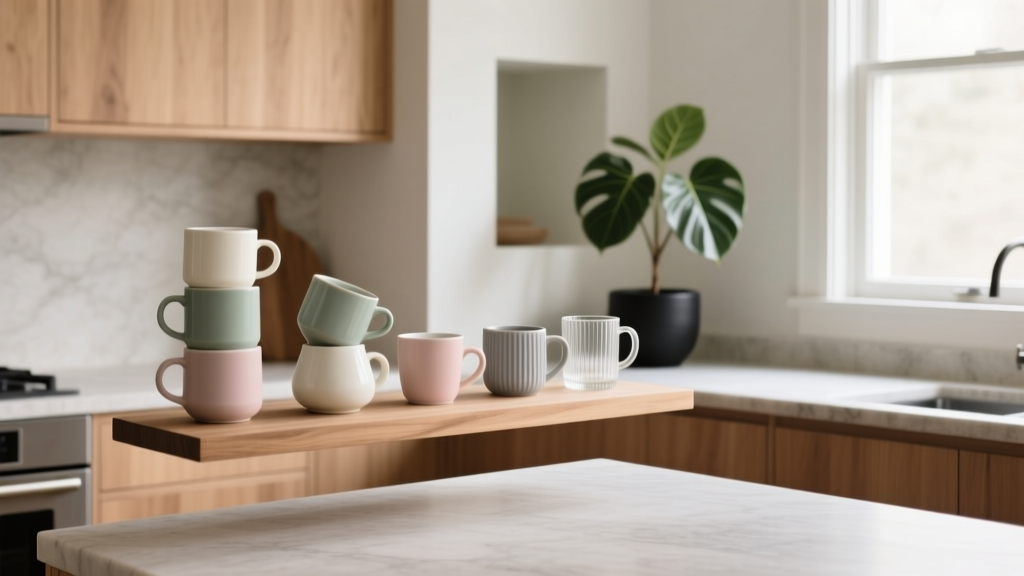
Best Kitchen Mug Display Ideas - The Decor Mag
Mugs are one of the most-used items in a kitchen—reached for daily, collected over time, and often tied to routines like morning coffee or evening tea. Yet they’re also one of the easiest categories to clutter cabinets, chip on crowded shelves, or vanish into the back of a corner cupboard. A thoughtful kitchen mug display solves that problem while adding personality to your space.
For homeowners renovating or refining their kitchens, mug storage is more than a small detail. It affects workflow (how quickly you can make a drink), durability (how protected your mugs are), and the overall look of your kitchen design. The best approach balances today’s kitchen trends—warm woods, mixed metals, open shelving moments—with timeless functionality: easy access, sensible spacing, and materials that can handle humidity and daily use.
Below are practical, design-forward mug display ideas with specific measurements, material recommendations, cost ranges, and common mistakes to avoid so your kitchen organization looks intentional and stays that way.
Plan Your Mug Display: Function First, Then Style
Start with a quick mug inventory
Before you install anything, count what you actually use:
- Everyday mugs: typically 2–6 per household member
- Entertaining extras: 4–12 for guests
- Specialty pieces: travel mugs, espresso cups, oversized soup mugs
Many kitchens store 12–24 mugs comfortably without feeling crowded—more than that usually benefits from rotating seasonal favorites or donating duplicates.
Place mugs where the beverage station lives
For a renovation or layout refresh, place mug storage near:
- Coffee maker/espresso machine
- Kettle or hot water dispenser
- Sugar/tea/coffee canisters
- Dishes and dishwasher unloading zone (to reduce steps)
Key measurements to get right
- Typical mug size: 3.5–4.25 inches diameter; 4–4.75 inches tall
- Recommended shelf height clearance: 6–7 inches per shelf for standard mugs; 8–9 inches for tall mugs and travel cups
- Spacing between hooks: 4–5 inches center-to-center (prevents handle collisions)
- Undercabinet hook clearance: 10–12 inches from countertop so mugs don’t hit canisters or appliances
- Depth for open shelving: 10–12 inches is ideal for mugs without wasting space
Open Shelving Mug Displays (Trendy, Airy, and Easy)
Open shelving remains a top kitchen design trend, especially paired with warm wood tones, zellige backsplash tile, and minimal upper cabinetry. It works best when you keep the display curated and repeatable.
1) Single “mug moment” shelf near the coffee station
Instead of replacing all uppers, try one open shelf dedicated to mugs and essentials.
- Best for: small kitchens, renters (with wall anchors), minimalist upgrades
- Layout tip: arrange mugs in two tidy rows: everyday favorites in front, extras behind
- Material recommendations:
- Solid oak or maple: durable, warm, timeless
- Plywood with hardwood edge banding: budget-friendly and stable
- Avoid: low-grade MDF in humid areas unless fully sealed
Cost range: $40–$150 per shelf (DIY materials), $150–$400 installed (depending on bracket style and wall conditions).
2) Floating shelves for a clean, modern look
Floating shelves are popular in contemporary and transitional kitchens, but they must be installed correctly to handle weight.
- Practical spec: choose a shelf thickness of 1.5–2 inches for strength and proportion
- Weight note: mugs add up—plan for 25–40 lbs capacity for a mug shelf
- Style pairing: light wood shelf + matte black hardware is a current favorite; brushed brass warms up white kitchens
Cost range: $75–$250 per shelf; custom floating shelves can run $300–$800+.
Maintenance advice for open shelves
- Dust weekly (open shelves show buildup faster than cabinets).
- Use a mild soap solution; avoid oily cleaners that attract grime.
- Seal wood shelves with a water-resistant finish (matte polyurethane or hardwax oil).
Under-Cabinet Hooks and Rails (High Function, Low Footprint)
When counter space is precious, under-cabinet solutions keep mugs accessible without sacrificing prep area. These are excellent for kitchen organization and DIY-friendly upgrades.
3) Screw-in mug hooks under upper cabinets
- Best for: everyday mugs you reach for constantly
- Hardware tip: use stainless steel or powder-coated hooks to resist rust
- Installation tip: pre-drill to prevent splitting cabinet bottoms; aim for 4–5 inches spacing
Cost range: $10–$40 for a set of hooks; $50–$150 if hiring a handyman.
4) Rail systems with S-hooks (flexible and adjustable)
Rails are a smart choice for kitchens that evolve—add or move hooks without new holes.
- Best materials: stainless steel, anodized aluminum
- Design trend: integrated “coffee bar” rails that also hold small bins for sugar packets or tea bags
- Spacing: keep mugs 1–2 inches from backsplash to avoid scuffing tile or painted walls
Cost range: $25–$120 for a rail + hooks; premium systems $150–$300.
Cabinet-Based Mug Storage (Clean Look, Maximum Protection)
For a streamlined renovation—especially in modern, shaker, or handleless kitchens—cabinet storage remains the most timeless approach. It reduces visual clutter, limits dust, and protects ceramics from chips.
5) Add an interior mug rack or under-shelf insert
These inserts create a second level inside a cabinet, effectively doubling usable space.
- Best for: standard upper cabinets with wasted vertical space
- Fit tip: measure cabinet interior height; aim for 6–7 inches clearance per level
- Material comparison:
- Coated metal: durable, easy to wipe, best for busy kitchens
- Bamboo: warm and eco-friendly, but needs occasional resealing if exposed to moisture
- Plastic: cheapest, but can flex under heavier stoneware mugs
Cost range: $15–$60 per insert; $100–$250 for multiple cabinets.
6) A dedicated “appliance garage” or coffee cabinet with mug cubbies
If you’re planning a kitchen renovation, consider a coffee cabinet that hides machines behind pocket doors or a tambour. Add cubbies sized specifically for mugs.
- Recommended cubby size: 5 inches wide x 5 inches tall x 10 inches deep (fits most mugs comfortably)
- Lighting upgrade: add warm LED strip lighting (2700K–3000K) under each shelf for a high-end look
- Workflow tip: include a pull-out tray for the coffee machine so steam doesn’t damage upper cabinetry
Cost range: $800–$2,500 for a semi-custom coffee cabinet section; $2,500–$6,000+ for fully custom millwork.
Wall-Mounted Mug Displays (Decorative and Space-Saving)
Wall-mounted displays can be both art and storage, especially in smaller kitchens or homes with an eat-in nook. They also complement popular design directions like “English kitchen” charm or cozy modern farmhouse—when done with restraint.
7) Peg rails and pegboards (classic, customizable)
- Best for: flexible storage, vintage-inspired kitchens, family command zones
- Material suggestion: hardwood peg rail (oak, ash) for strength; paint-grade poplar for budget
- Placement tip: mount 18–22 inches above the countertop to keep mugs accessible but out of the splash zone
Cost range: $30–$150 (DIY rail or pegboard); $200–$600 installed with a finished frame and paint.
8) Framed mug wall with matching hooks (gallery-style)
For homeowners who collect mugs from travel or local pottery, a framed layout makes it feel intentional rather than cluttered.
- Design approach: choose one unifying element—same hook finish, same mug color family, or consistent spacing
- Hook finish trend: unlacquered brass (patinas naturally) or satin black (crisp and modern)
- Safety tip: anchor into studs or use heavy-duty wall anchors rated for 25–50 lbs
Cost range: $60–$250 for hooks + frame materials; $250–$800 if custom fabricated.
Countertop and Freestanding Mug Displays (Best for Renters or Quick Updates)
9) Mug trees and vertical stands
Mug trees are a quick win for kitchen organization, especially when cabinet space is limited.
- Best for: 4–8 mugs; apartments; temporary setups during renovations
- Choose: weighted base, non-slip feet, and hooks that prevent mugs from sliding off
- Placement: keep 6–8 inches away from the stove to prevent grease buildup
Cost range: $15–$80 (powder-coated metal is a good value); $80–$200 for designer finishes.
10) Tray-styled mug and coffee station (organized, styled, easy to clean)
Use a tray to group mugs, sweeteners, and a small canister of spoons. This creates a “zone” that looks styled and is easy to move for cleaning.
- Tray material comparison:
- Stainless steel: most durable, wipes clean easily
- Sealed wood: warm, but avoid standing water
- Stone/composite: luxe and stable, but can chip floors if dropped
- Tray size guideline: 14–18 inches long fits 4–6 mugs plus accessories without crowding
Cost range: $20–$120 for tray + accessories; $150–$400 for a fully coordinated countertop station.
Material and Finish Recommendations (What Holds Up in Real Kitchens)
- Best for humid kitchens: stainless steel, powder-coated metal, sealed hardwood
- Best for a warm, upscale look: oak/walnut shelving with brass hooks or bronze rails
- Best for low maintenance: coated metal hooks and inserts (wipe clean, no refinishing)
- Paint finish tip: choose satin or semi-gloss on mug display walls for easier cleaning
Budget Considerations: Where to Spend vs. Save
- Save on: basic under-cabinet hooks, standard rails, simple shelf boards
- Spend on: proper wall anchors/brackets, custom cabinet inserts, lighting for coffee stations
- Mid-range upgrade with big impact: matching hardware finishes (hooks, pulls, faucet) for a cohesive kitchen design
Common Mistakes to Avoid
- Overloading open shelves: too many mugs reads as clutter and increases the risk of chips. Keep the display tight and edited.
- Ignoring clearance: hooks too close together cause mugs to knock; shelves too shallow risk falls. Use the spacing guidelines above.
- Mounting into drywall without proper anchors: mugs are heavier than they look, especially stoneware. Use stud mounting when possible.
- Placing mugs too close to heat/grease: near a range, they collect residue fast and become a cleaning chore.
- Choosing porous materials without sealing: unfinished wood can stain and warp in kitchens. Seal shelves and rails appropriately.
- Forgetting workflow: the prettiest mug display fails if it’s far from the coffee maker or blocks prep space.
FAQ: Kitchen Mug Display Ideas
How many mugs should I keep in my kitchen?
A practical baseline is 2–3 mugs per person plus 4–8 extras for guests. If you have more, consider rotating seasonal mugs or storing seldom-used pieces elsewhere to keep daily storage functional.
Is open shelving a bad idea for mug storage?
Not if you’re realistic about upkeep. Open shelves are excellent for everyday mugs near a coffee station, but they require regular dusting and a curated look. If you prefer a cleaner visual, use cabinet inserts or a dedicated coffee cabinet.
What’s the best spacing for mug hooks?
Plan 4–5 inches center-to-center between hooks, and ensure mugs hang with at least 1 inch of clearance from the wall or backsplash to prevent scuffs and chips.
How high should a mug shelf be above the countertop?
For most kitchens, mount the bottom of an open shelf 18–22 inches above the countertop. This keeps mugs reachable while leaving room for small appliances and canisters below.
What finishes are easiest to maintain?
Powder-coated metal and stainless steel are the easiest—wipe clean and resist moisture. For wood shelves, a sealed finish (matte polyurethane or hardwax oil) keeps them looking fresh.
Can I combine mug storage with a coffee station in a small kitchen?
Yes. A compact approach is an 18–24 inch-wide coffee zone with an under-cabinet hook row, a slim tray for supplies, and a single open shelf for everyday mugs.
Next Steps: Choose the Mug Display That Fits Your Kitchen
Start by identifying your beverage station location and the number of mugs you need accessible every day. Then pick one primary display method—open shelf, hooks/rail, or cabinet solution—and build around it with consistent finishes and smart spacing. If you’re renovating, consider upgrading to a dedicated coffee cabinet with lighting and mug cubbies for the most polished, long-term result.
For more kitchen renovation tips, layout ideas, and organization upgrades that look as good as they function, explore the latest on thedecormag.com.
More Articles
 Best Kitchen Canister Set Displays - The Decor Mag
 Kitchen Island Seating Overhang: How Much? (2026)
 Kitchen Stainless Steel Appliance Guide - The Decor Mag
 How to Choose Kitchen Cabinet Hinge Quality - The Decor Mag
 How to Choose Kitchen Cabinet Pull Length - The Decor Mag
 Kitchen Layered Materials Design Guide - The Decor Mag
 Open Kitchen Safety Tips: Practical, Evidence-Based Strategies for Modern Home Cooks
 Kitchen That Grows With Your Family (2026)
 Friendly vs. Solutions: A Practical, Kitchen-Tested Comparison of Two Leading Countertop Materials
 Best Kitchen Ladder for High Shelf Access - The Decor Mag