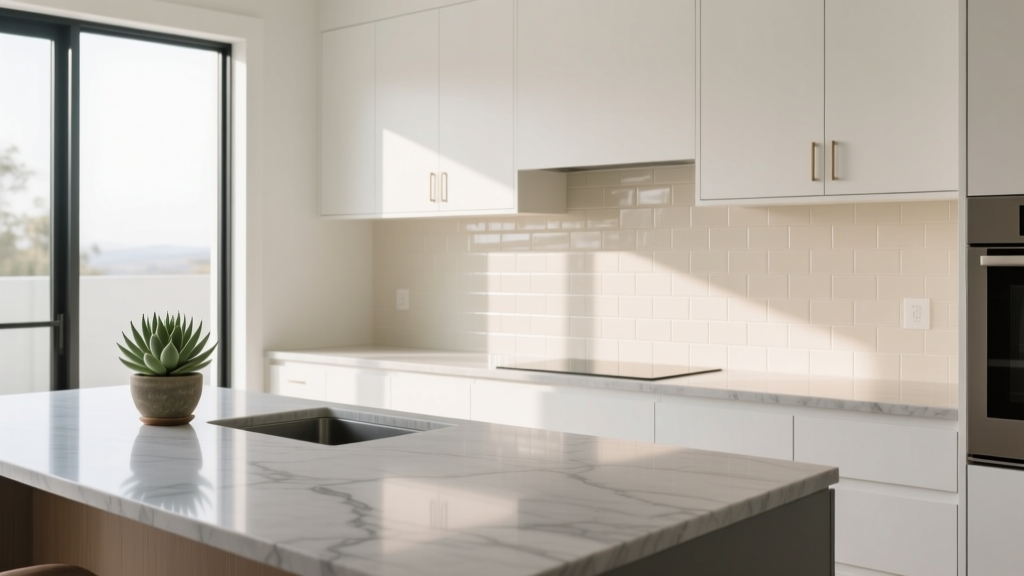
Kitchen Countertop & Backsplash Combos (2026)
The countertop and backsplash do more than “finish” a kitchen—they set the tone for the entire space. These surfaces cover a lot of visual real estate, they sit at eye level and hand level, and they take daily wear from heat, moisture, spills, and cleaning. Choose the right kitchen countertop and backsplash combo, and your kitchen feels cohesive, bright, and easy to maintain. Choose the wrong pairing, and even a high-end renovation can look busy, dated, or hard to keep clean.
For homeowners planning a kitchen renovation, the combo decision also affects cost and construction details: where outlets land, how seams align, what edge profiles make sense, and how much time you’ll spend wiping grout lines. The good news: you don’t need to be a designer to get a polished result. With a clear plan, a few key measurements, and a practical approach to materials, you can confidently build a kitchen design that looks intentional and functions beautifully for years.
Start with Your Kitchen’s “Anchor”: What’s Staying, What’s Changing
Before falling in love with a tile or slab, list the elements that won’t change (or would be expensive to change). These are your anchors, and your countertop and backsplash should harmonize with them.
- Cabinet color and door style (shaker, slab, raised panel)
- Flooring tone (warm oak, cool gray tile, dark walnut, etc.)
- Appliance finish (stainless, black stainless, panel-ready, matte black)
- Wall paint and trim (especially open-concept spaces)
- Lighting temperature (2700K warm vs. 3000K neutral makes whites look different)
Practical rule: if you’re keeping busy flooring or strongly grained cabinetry, lean toward a quieter countertop/backsplash combo. If cabinets and flooring are simple, you have more freedom to introduce pattern in one surface.
Know Your Style Direction: Trend-Aware, Function-First
Current kitchen design trends lean toward warm neutrals, organic textures, and fewer visual breaks—think full-height backsplashes, slab or low-grout surfaces, and mixed metals. Timeless functionality principles still win: easy-to-clean materials, adequate landing zones, and lighting that supports prep work.
Choose the “Statement Surface”
Most successful kitchen countertop and backsplash combinations have one hero and one supporting act:
- Statement countertop + simple backsplash (great for quartz with bold veining)
- Simple countertop + statement backsplash (great for handmade-look tile or a patterned mosaic)
- Monolithic look (countertop material continues up the wall as a matching backsplash)
If you try to make both surfaces the star—heavy veining plus patterned tile—the kitchen often feels chaotic.
Measurements and Layout Decisions That Change the Outcome
Backsplash Height: Standard vs. Full Height
- Standard backsplash: typically 4 inches (often in the same countertop material). Clean and budget-friendly, but can look builder-basic.
- Tile backsplash to cabinets: usually 18 inches from countertop to upper cabinets (varies with ceiling height and cabinet placement). Most common for renovations.
- Full-height backsplash: countertop material or tile continues to the hood/ceiling. This is a top trend and creates a high-end, cohesive look.
Grout Lines: The Hidden Maintenance Factor
The smaller the tile, the more grout you’ll clean. If cooking is heavy in your home, consider:
- Larger formats (3x12, 4x16, 12x24) to reduce grout lines
- Epoxy grout for stain resistance (costs more but cleans easier)
- Matching grout color to tile for a calmer look (high-contrast grout highlights every line)
Plan Outlet Placement Early
Backsplashes look best when outlets are minimized and aligned. Ask your electrician about:
- Moving outlets under upper cabinets where code allows
- Using slim-profile outlet covers that blend with tile
- Spacing outlets so they don’t land in the center of a focal tile feature
Material Comparisons: Countertops and Backsplashes That Pair Well
Countertop Materials (Pros, Cons, Best Pairings)
Quartz (Engineered Stone)
- Best for: Busy families, low-maintenance kitchen renovations
- Pros: Non-porous, stain resistant, consistent patterns
- Cons: Can be damaged by high heat; some patterns look repetitive
- Pairs well with: Simple ceramic subway tile, large-format porcelain, slab backsplash for seamless look
- Typical installed cost: $60–$120 per sq. ft. (varies by brand/pattern)
Granite
- Best for: Natural stone lovers who want durability
- Pros: Heat tolerant, unique slabs
- Cons: Porous—needs sealing; pattern movement can clash with tile
- Pairs well with: Solid-color backsplash tile, warm white zellige-look tile, neutral porcelain
- Typical installed cost: $50–$120 per sq. ft.
Marble
- Best for: Design-forward kitchens, baking stations, lower-splash zones
- Pros: Classic veining, luminous look
- Cons: Etches and stains easily; high maintenance
- Pairs well with: Matching slab backsplash, simple warm-white tile, minimal grout
- Typical installed cost: $80–$200+ per sq. ft.
Porcelain Slab / Sintered Stone
- Best for: Full-height backsplash looks, heat resistance, modern kitchens
- Pros: Highly heat and scratch resistant; low porosity; can mimic marble
- Cons: Fabrication can be pricier; edges require skilled installer
- Pairs well with: Same-material backsplash for a seamless kitchen design
- Typical installed cost: $80–$160 per sq. ft.
Butcher Block (Wood)
- Best for: Warm, inviting kitchens; islands; budget-friendly upgrades
- Pros: Affordable, repairable, adds warmth
- Cons: Requires oiling/sealing; vulnerable to standing water
- Pairs well with: Glossy ceramic tile, beadboard-style panels, simple quartz on perimeter
- Typical installed cost: $40–$100 per sq. ft.
Backsplash Materials (Pros, Cons, Best Uses)
Ceramic or Porcelain Tile
- Why homeowners choose it: Huge variety, reliable performance, strong value
- Best for: Most kitchen remodels, especially behind ranges
- Cost range: $5–$30 per sq. ft. for tile; installed often $15–$60 per sq. ft.
Glass Tile
- Best for: Reflecting light in darker kitchens
- Watch for: Scratches and visible adhesive—installer skill matters
- Cost range: $15–$50 per sq. ft. tile; installed $30–$100 per sq. ft.
Natural Stone Tile (Marble, Travertine)
- Best for: Soft, layered, classic kitchens
- Maintenance: Seal regularly; use pH-neutral cleaners
- Cost range: $10–$60 per sq. ft. tile; installed $25–$120 per sq. ft.
Slab Backsplash (Matching Counter Material)
- Best for: Minimal grout, modern luxury, easy cleaning
- Great behind: Cooktops and ranges (wipeable surface)
- Cost range: Often $40–$120+ per sq. ft. installed depending on material, seams, and cutouts
Winning Countertop and Backsplash Combos (With Specific Design Approaches)
1) White Quartz + Warm White Handmade-Look Tile
Look: Bright, welcoming, slightly organic—very current yet timeless.
- Countertop: White quartz with subtle warm veining
- Backsplash: 3x12 or 2.5x8 handmade-look ceramic in warm white
- Grout: Warm white, slightly darker than tile to hide cooking splatter
- Best for: Shaker cabinets, brass or matte black hardware
2) Dramatic Veined Quartz + Simple Large-Format Backsplash
Look: Clean, high-end, less visual clutter.
- Countertop: Bold veining (black/gray or taupe)
- Backsplash: 4x16 or 12x24 porcelain in a solid tone pulled from the countertop background
- Tip: Minimize decorative listellos; let the slab-like countertop be the feature
3) Warm Wood (Butcher Block) + Glossy Subway Tile
Look: Classic, cozy, budget-friendly.
- Countertop: Maple or walnut butcher block (consider perimeter quartz if you cook heavily)
- Backsplash: 3x6 glossy ceramic subway in white or cream
- Edge detail: Slightly eased edges read modern and reduce chipping
- Maintenance: Oil monthly at first, then quarterly; wipe water immediately around sink
4) Stone-Look Porcelain Slab Counter + Full-Height Matching Backsplash
Look: Streamlined and architectural—popular in contemporary kitchen renovations.
- Countertop & backsplash: Porcelain/sintered stone with subtle movement
- Tip: Ask for bookmatching behind the range if you want a showpiece focal wall
- Best for: Flat-panel cabinets, integrated appliances, minimalist design
5) Dark Countertop + Light Backsplash (Balanced Contrast)
Look: Sophisticated contrast that also hides countertop mess better than pure white.
- Countertop: Black or charcoal quartz/granite with fine movement
- Backsplash: Soft white tile with a gentle texture (avoid stark bright white if floors are warm)
- Pro tip: Use under-cabinet lighting (3000K is a sweet spot) so dark counters don’t feel heavy
Budget Planning: Where to Spend and Where to Save
Countertops and backsplashes vary wildly in price. A practical approach is to decide which surface will deliver the biggest “wow” for your kitchen design and spend there.
Typical Budget Tiers (Materials + Installation)
- Budget-friendly: Laminate or entry-level quartz + ceramic tile backsplash
Approx range: $2,500–$6,000 for many average kitchens (varies by size and region) - Mid-range: Quality quartz or granite + mid-range tile or partial slab backsplash
Approx range: $6,000–$12,000 - High-end: Premium quartzite/marble/porcelain slab + full-height slab backsplash, specialty edges, bookmatching
Approx range: $12,000–$25,000+
Smart Ways to Save Without Looking “Cheap”
- Use a statement backsplash only behind the range and simpler tile elsewhere.
- Choose standard tile sizes (often less expensive and easier to install).
- Keep the layout simple: fewer corners, fewer tiny cuts, fewer borders.
- Pick a countertop with a simple edge profile (eased or pencil edge costs less than ornate profiles).
Maintenance Advice: Keep Your Combo Looking New
- Quartz: Use mild soap and water; avoid placing hot pans directly on surface.
- Granite: Seal as recommended (often annually); avoid acidic cleaners.
- Marble: Expect patina; wipe acids (lemon, vinegar, wine) quickly; use cutting boards.
- Tile + grout: Seal cement grout; use a soft brush for lines; consider epoxy grout for low maintenance.
- Wood: Re-oil/seal regularly; use trivets and wipe standing water promptly.
Common Mistakes to Avoid
- Choosing from a 2-inch sample only. Always view a larger sample or full slab photo. Patterns can change dramatically across a counter run.
- Ignoring undertones. Cool gray countertop + warm cream tile can clash. Compare materials under your actual kitchen lighting.
- Too many competing patterns. If cabinets have strong grain and floors are patterned, keep backsplash simple.
- Overusing high-contrast grout. It can look trendy but highlights uneven tile spacing and shows stains.
- Not planning seams and focal points. A seam through the center of a range backsplash feature is hard to unsee.
- Picking porous materials for heavy-use zones without a plan. Marble behind a busy range can be stressful unless you accept patina.
FAQ: Kitchen Countertop and Backsplash Combo Questions
Should my backsplash match my countertop?
Matching is optional. A matching slab backsplash is sleek and low-maintenance, but many kitchens look best with a complementary tile that picks up one tone from the countertop (background color or a vein color) without copying the exact pattern.
What backsplash tile size is easiest to keep clean?
Larger tiles with fewer grout lines are easier. Popular low-maintenance choices include 4x16 ceramic, 3x12 ceramic, and 12x24 porcelain. If you love small mosaic, consider epoxy grout to reduce staining.
Do I need a 4-inch countertop backsplash and a tile backsplash?
Usually no. Doing both can look dated and creates an extra horizontal seam. Choose either a 4-inch backsplash (simple, economical) or go straight from countertop to upper cabinets with tile or slab.
How do I choose grout color?
For a timeless look and easier maintenance, select grout that’s close to the tile color (often 1–2 shades darker to hide splatter). High-contrast grout is best reserved for very deliberate, graphic designs.
What’s the most durable combo for a busy family kitchen?
Quartz countertop + porcelain or ceramic tile backsplash is a reliable, low-maintenance pairing. If you want even easier cleaning, do a quartz or porcelain slab backsplash with minimal seams.
Is a full-height backsplash worth the cost?
If your budget allows, full-height (especially slab) often looks more custom and reduces grout maintenance. It’s most impactful behind the range or on a feature wall, and it can raise the perceived value of the renovation.
Next Steps: A Simple Checklist Before You Buy
- Collect three samples: countertop, backsplash, and cabinet/paint color. View them morning and night under your kitchen lighting.
- Decide your hero surface (countertop or backsplash) and keep the other quieter.
- Confirm measurements: backsplash height (typically 18 inches), outlet locations, and any open shelves that affect tile stops.
- Ask your fabricator/installer about seams, edge profiles, and lead times—these can shape the final look more than you expect.
- Plan maintenance upfront: sealing schedule, grout choice, and cleaning products that won’t damage finishes.
Your kitchen countertop and backsplash combo can be both beautiful and hardworking—designed for real life, not just photos. For more kitchen renovation ideas, layout guidance, and organization upgrades, explore the latest inspiration at thedecormag.com.
More Articles
 Best Kitchen Ladder for High Shelf Access - The Decor Mag
 Kitchen Style & Function: Design Tips (2026)
 Kitchen Cabinet Fillers for Gaps (2026)
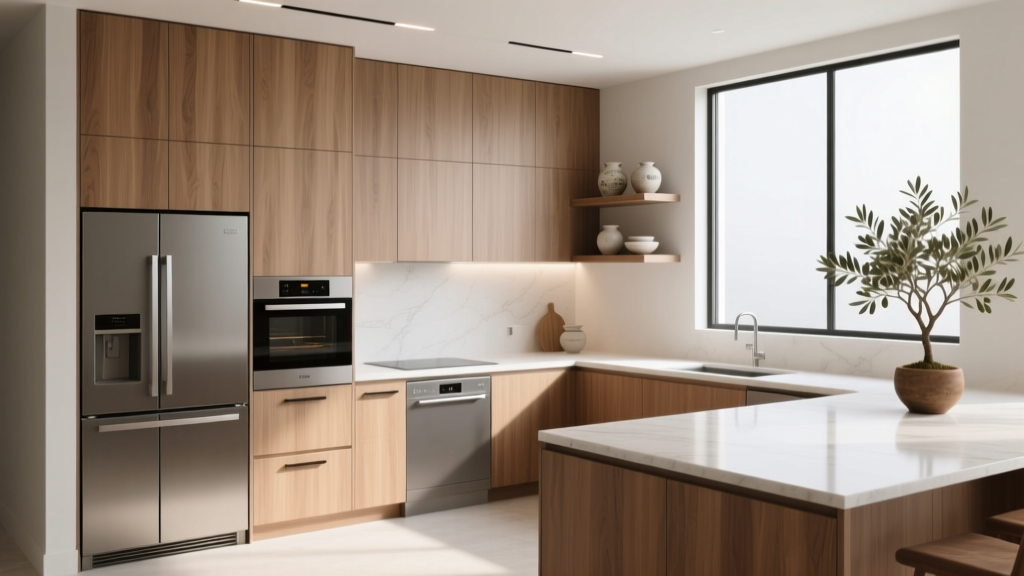 Kitchen Integrated Look Appliance Paneling - The Decor Mag
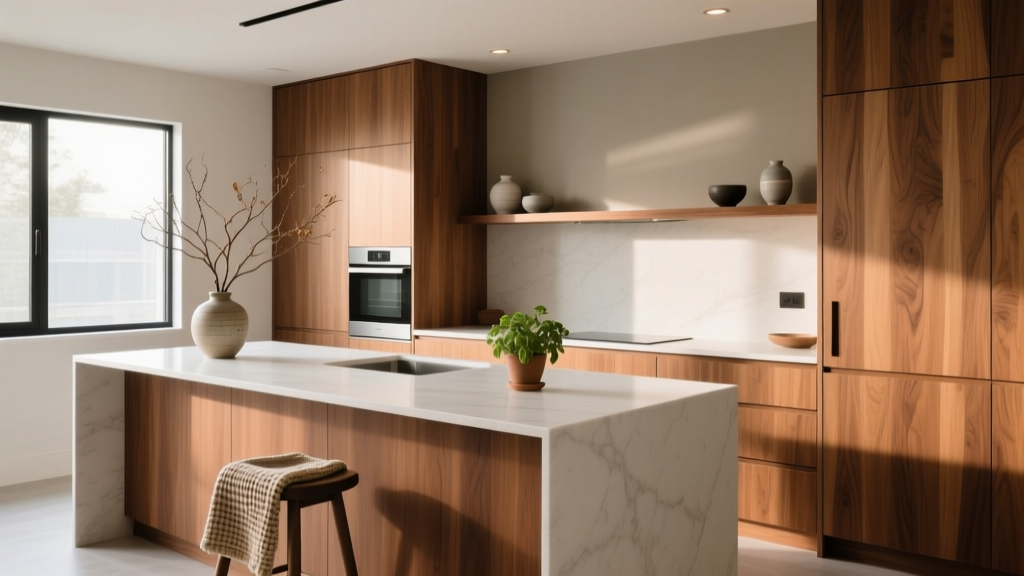 Kitchen Warm Wood Cabinet Comeback - The Decor Mag
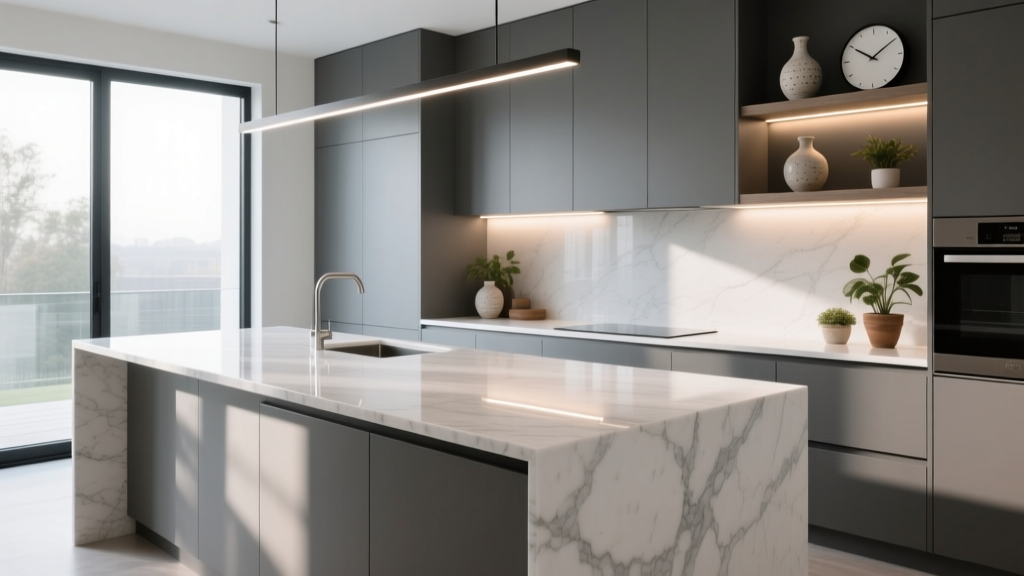 Kitchen Waterfall Island Design Ideas - The Decor Mag
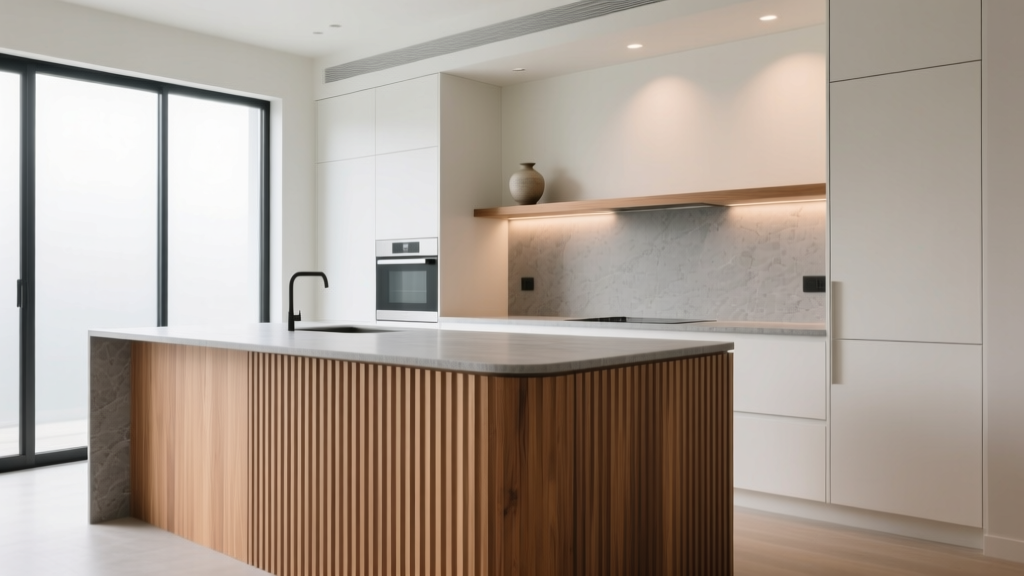 Kitchen Fluted Wood Island Paneling - The Decor Mag
 How to Choose Kitchen Backsplash Height - The Decor Mag
 Kitchen Mixed Material Countertop Design - The Decor Mag
 Kitchen Cabinet Color for Resale (2026)