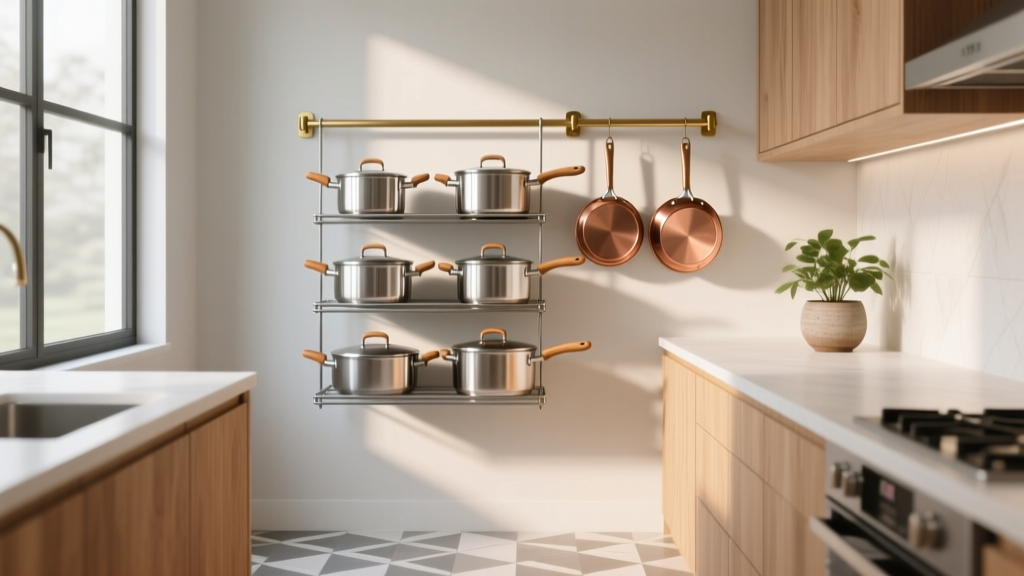
Best Kitchen Pot and Pan Storage Ideas - The Decor Mag
Pots and pans are the workhorses of a kitchen—used daily, heavy to lift, awkward to stack, and surprisingly hard to store. When storage isn’t planned well, cookware becomes a constant friction point: clattering cabinets, scratched nonstick surfaces, lost lids, and the dreaded “pull out five pans to reach the one you need.”
Smart pot and pan storage solves more than clutter. It improves workflow (especially around the cooktop), protects your investment in quality cookware, and makes your kitchen feel calmer and more premium. Whether you’re planning a full kitchen renovation or simply upgrading organization, the right layout and accessories can create a space that’s both trend-forward and timelessly functional.
Below are practical, designer-approved kitchen storage ideas—complete with measurements, material recommendations, cost ranges, and common mistakes to avoid.
Start With a Cookware Audit (Before You Buy Storage)
Great kitchen organization begins with knowing what you’re storing. A quick audit prevents you from overbuilding storage for items you rarely use—or underplanning for what you use every day.
Sort by frequency and size
- Daily drivers: 1–2 skillets, 1 saucepan, 1 stockpot (store closest to the cooktop).
- Weekly items: Dutch oven, grill pan, sauté pan (second-most accessible zone).
- Occasional items: roasting pan, canner, specialty pans (higher shelves or deeper storage).
Measure what matters
- Largest pan diameter: Many families have a 12-inch skillet; ensure dividers allow at least 13 inches for easy in/out.
- Tallest pot height (with handles): Stockpots can reach 12–14 inches tall; account for shelf height and clearance.
- Lid count and types: Dedicated lid storage is often the difference between “organized” and “actually usable.”
Best Storage Locations: Layout Principles That Always Work
Current kitchen design trends emphasize clean countertops, concealed storage, and efficient zones. Timeless functionality still rules: store cookware where you use it.
The ideal “cooking zone” placement
- Primary zone: Deep drawers or pull-outs within 36 inches of the cooktop.
- Secondary zone: Adjacent base cabinet or island drawers for overflow.
- Avoid: Upper cabinets for heavy pans (awkward lifting, higher risk of accidents).
Recommended cabinet and drawer sizing
- Deep drawers: 10–12 inches high drawer box (interior) for stacked pans; 8 inches can work for skillets only.
- Base cabinets: 24 inches deep is standard; 27 inches deep (when feasible) increases usable space noticeably.
- Cabinet width: 30–36 inches wide drawers are ideal for pots; 24 inches is workable with organizers.
Deep Drawers: The Gold Standard for Pot and Pan Storage
If you’re renovating, prioritize deep drawers over traditional door-and-shelf base cabinets. Drawers provide full access—no crouching, no digging—and they’re the most ergonomic solution for heavy cookware.
Best drawer setups (practical combinations)
- Top drawer: Cooking tools, trivets, splatter screens.
- Middle deep drawer: Everyday skillets + sauté pan with a protective liner.
- Bottom deep drawer: Stockpot, Dutch oven, larger pieces.
Recommended hardware and materials
- Full-extension, soft-close slides: Look for 90–100 lb capacity minimum; 110–130 lb is ideal for cast iron collections.
- Drawer boxes: Baltic birch plywood is durable and stable; solid maple is premium; avoid thin particleboard in high-load drawers.
- Bottom protection: Use a removable, washable drawer liner (EVA or rubberized) to prevent scratching and sliding.
Budget expectations
- Organizer inserts (off-the-shelf): $25–$120 per drawer
- Upgraded heavy-duty drawer slides: $40–$150 per drawer
- Cabinetry changes in a renovation: Replacing base cabinets with drawer bases often adds $300–$900+ per cabinet depending on brand and construction
Pull-Out Organizers in Base Cabinets: A Strong Retrofit Option
If your kitchen has door cabinets with shelves, a pull-out pot organizer can transform access without a full remodel. This approach is popular in kitchen renovations where the cabinet boxes remain but the interior storage is upgraded.
What to look for in pull-outs
- Full-extension glides: So you can reach items at the back.
- Weight rating: Aim for 75 lb or higher, especially with cast iron.
- Adjustable pegs/dividers: For mixed pan sizes.
- Finished wood or coated metal: Easier to clean, more durable over time.
Typical fit and measurements
- Common cabinet widths: 12", 15", 18", 21", 24"
- Minimum interior cabinet depth: Often 21" for standard pull-outs (check product specs)
- Clearance: Leave at least 1/2" side clearance if required by slide systems
Cost ranges
- Basic pull-out racks: $80–$200
- Premium wood/metal pull-outs with soft-close: $200–$600
- Professional installation: $100–$250 per unit (varies by region and cabinet modifications)
Vertical Dividers: The Secret to Storing Pans Without Scratches
Vertical storage is one of the most effective kitchen organization strategies for baking sheets—and it works beautifully for pans, griddles, and cutting boards too. Storing cookware on edge prevents scraping and makes grabbing the right piece effortless.
Best places to use vertical dividers
- Narrow base cabinet near the oven: Great for sheet pans, pizza stones, grill pans.
- Deep drawer with adjustable dividers: Ideal for skillets and sauté pans.
- End-of-island cabinet: A smart use of space in open-plan kitchens.
Material comparison
- Stainless steel dividers: Sleek, durable, easy to wipe; pairs well with modern kitchen trends.
- Powder-coated steel: Less expensive, resists rust; avoid sharp edges that can scratch finishes.
- Wood dividers: Warm, custom look; may show wear sooner and can absorb moisture if not sealed.
Budget expectations
- Simple wire divider racks: $15–$60
- In-cabinet divider systems (installed): $80–$250
- Custom built-in dividers: $200–$500+ depending on finish and carpentry
Lid Storage Solutions That Actually Stay Organized
Lids create most of the clutter. The best pot lid organizer is the one that matches how you cook and how much cabinet space you have.
Top-performing approaches
- Dedicated lid drawer: A shallow drawer with adjustable pegs keeps lids visible and separated.
- Door-mounted lid racks: Excellent for tight kitchens; use only if doors are strong and hinges are in good condition.
- Vertical lid file: Works inside a cabinet or drawer; best for flat glass lids and uniform sizes.
Measurements and clearances to plan for
- Door-mounted racks: Keep at least 2 inches clearance from interior shelves so lids don’t hit stored items.
- Drawer lid storage: Aim for a minimum 4–5 inches interior height for most lids; taller knobs may need more.
Cost ranges
- Door-mounted racks: $20–$80
- In-drawer peg systems: $30–$120
- Custom drawer inserts: $150–$400+
Wall and Ceiling Options: When (and When Not) to Display Cookware
Pot racks and hanging rails are classic, and they’ve returned in updated forms—slimmer profiles, mixed materials, and more intentional styling. They can be functional, but only when installed correctly and kept edited.
Wall-mounted rails with hooks
- Best for: Frequently used lightweight pans and utensils.
- Design tip: Choose brushed stainless or matte black for a modern kitchen; brass for warmth in transitional kitchens.
- Install notes: Anchor into studs or use appropriate heavy-duty anchors; avoid drywall-only installs for heavy items.
Ceiling-mounted pot racks
- Best for: Large kitchens with high ceilings and an island or dedicated cooking area.
- Clearance guideline: Bottom of the rack typically 30–36 inches above the countertop (adjust for ceiling height and head clearance).
- Maintenance reality: Expect dust/grease buildup; wash monthly or seasonally depending on cooking frequency.
Cost ranges
- Wall rail systems: $30–$200+
- Ceiling pot racks: $150–$800+ (plus installation if needed)
Corner Cabinet Solutions: Make Awkward Space Work
Corner cabinets often become a black hole for pots. Modern kitchen storage accessories can reclaim that space with smoother access and less wasted volume.
Best corner options
- LeMans-style pull-outs: Swing-out shelves designed for heavy items; excellent for pots.
- Blind corner pull-outs: Pulls contents out of the corner; reduces crawling and reaching.
- Lazy Susan (updated): Still useful, especially for lighter cookware; look for sturdy bearings and raised edges.
Budget considerations
- Lazy Susan kits: $80–$250
- Blind corner organizers: $250–$900
- Premium swing-out systems: $600–$1,500+
Protecting Cookware: Liners, Separators, and Maintenance Advice
Good storage should extend the life of your pots and pans—especially nonstick and stainless finishes.
Protection essentials
- Pan protectors (felt or microfiber): Place between stacked pans to prevent scratches; inexpensive and effective.
- Non-slip drawer liners: Keeps stacks stable and reduces noise; choose washable, low-odor materials.
- Handle spacing: Avoid cramming pans tightly; handles can chip enamel and scratch neighboring pieces.
Cleaning and upkeep tips
- Wipe organizers regularly: Grease and dust accumulate quickly in cooking zones.
- Check screws and slides twice a year: Tighten hardware to prevent racking and premature wear.
- Prevent moisture issues: Don’t store cookware damp; trapped moisture can corrode rims and hardware.
Common Mistakes to Avoid
- Storing heavy pans overhead: Increases strain and risk of dropping items—especially cast iron and Dutch ovens.
- Choosing weak hardware: Standard slides can fail under heavy loads; invest in high-capacity, full-extension glides.
- Ignoring lid storage: Lids become the clutter point if not planned as a separate category.
- Overstuffing cabinets: Tight stacks cause scratches and make daily cooking frustrating.
- Prioritizing looks over access: Open racks can look great, but if you don’t want to clean them often, go with concealed storage.
- Skipping measurements: Many organizers don’t fit because homeowners measure cabinet “nominal” size, not interior clearance.
FAQ: Pot and Pan Storage for Kitchen Renovations and Upgrades
What’s the best pot and pan storage for a small kitchen?
Deep drawers (if possible) are the most space-efficient. If you can’t change cabinetry, add a full-extension pull-out shelf in a base cabinet and use vertical dividers for pans. Door-mounted lid racks are also a big win in compact layouts.
Are pot racks still in style?
Yes—when they’re edited and intentional. Current kitchen design trends favor cleaner, slimmer rails or minimal ceiling racks in larger kitchens. For most homeowners, concealed storage with a few display-worthy pieces looks more modern and stays easier to maintain.
How do I store nonstick pans without damaging them?
Avoid stacking directly. Use felt pan protectors or store nonstick pans vertically with dividers. In drawers, add a non-slip liner to prevent sliding and edge wear.
What drawer depth do I need for pots?
Plan for a drawer with an interior height of about 10–12 inches for most pots. For very tall stockpots or Dutch ovens, 12 inches or a bottom drawer with extra clearance is ideal. Always confirm your cookware’s tallest piece before finalizing cabinetry.
Which is better: drawers or pull-out shelves?
Drawers usually win for strength, visibility, and ease of access. Pull-out shelves are an excellent retrofit when you’re keeping existing cabinet boxes. If budget allows, prioritize drawers in the main cooking zone and use pull-outs elsewhere.
How much should I budget for pot and pan storage upgrades?
For a basic upgrade, plan $50–$200 for liners, protectors, and simple racks. For mid-range improvements like pull-outs and lid organizers, $200–$800 per cabinet area is common. Renovation-level drawer base changes can add $300–$900+ per cabinet, plus hardware upgrades.
Next Steps: Build a Storage Plan That Matches How You Cook
Start by measuring your cookware and mapping where you prep and cook. Then choose one primary storage strategy—deep drawers or pull-outs—supported by dividers and a dedicated lid solution. If you’re renovating, invest in strong drawer slides and full-extension hardware; they’re the hidden features that make a kitchen feel high-end every day.
For more kitchen renovation advice, organization upgrades, and timeless design ideas, explore the latest guides and inspiration on thedecormag.com.
More Articles
 Heirloom Kitchen Design: Timeless Ideas for 2026
 Best Kitchen Cookware Organization: Cabinet Solutions (2026)
 Kitchen Plaster Range Hood Organic Look - The Decor Mag
 How to Design a Kitchen That Feels Collected - The Decor Mag
 Chef Kitchen Design: Transform Your Space (2026)
 Best Kitchen Towel Storage Ideas - The Decor Mag
 Sleep FAQ Answered: Science-Backed Answers from a Kitchen Specialist and Culinary Consultant
 Kitchen Terrazzo Floor Tile Guide - The Decor Mag
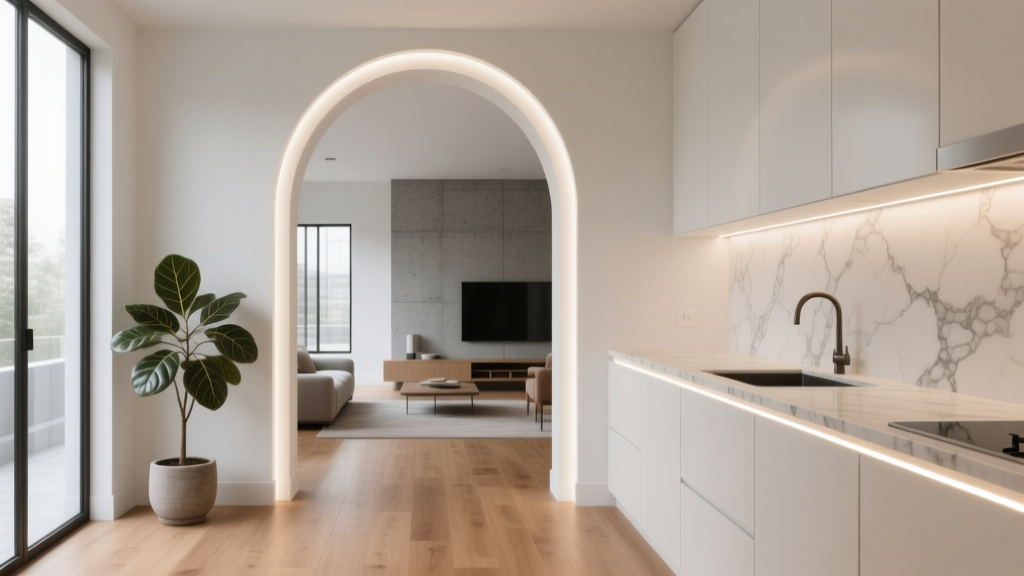 Kitchen Arched Doorway to Kitchen Design - The Decor Mag
 World Kitchens Essentials: Core Tools, Ingredients, and Techniques Across Seven Global Cuisines