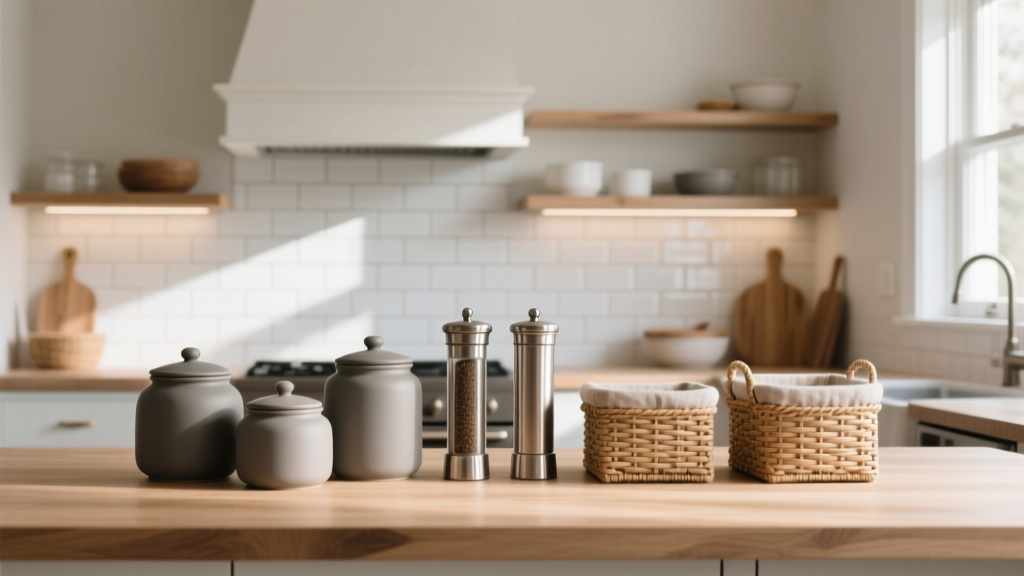
Best Kitchen Specialty Ingredient Storage - The Decor Mag
Specialty ingredients are the secret weapon of a well-loved kitchen: the smoked paprika that upgrades weeknight chicken, the imported olive oil you save for salads, the vanilla beans, matcha, dried mushrooms, and that rotating cast of flours, grains, and spice blends that make your cooking feel personal. The challenge is that specialty ingredients are also the most vulnerable to clutter, spoilage, and “out of sight, out of mind” waste—especially in kitchens that weren’t designed with them in mind.
Thoughtful specialty ingredient storage is more than organization; it’s a kitchen renovation decision that affects workflow, food quality, and daily joy. The right pantry layout, humidity control, and container system can extend freshness, reduce duplicates, and make your kitchen look intentionally styled rather than perpetually busy.
This guide breaks down the best kitchen specialty ingredient storage solutions for real homes—whether you’re planning a full kitchen remodel or simply upgrading how you store spices, oils, baking supplies, and bulk pantry items. Expect practical measurements, material comparisons, budget ranges, and mistakes to avoid, all grounded in today’s kitchen design trends and timeless functionality.
Start with a Smart Inventory: What Counts as “Specialty”?
Before choosing pull-outs or custom inserts, define what you actually store. Specialty ingredients typically fall into categories with different storage needs (light, heat, air, moisture, and accessibility):
- Spices & spice blends: whole spices, smoked salts, infused sugars
- Baking & pastry: vanilla beans, cocoa, leaveners, specialty flours, nuts
- Oils & vinegars: EVOO, nut oils, rice vinegar, balsamic, fish sauce
- Tea, coffee & drink add-ins: loose-leaf tea, matcha, syrups, bitters
- Bulk staples: grains, legumes, specialty rice, pasta shapes
- Umami & international staples: miso, gochujang, curry pastes, dried seaweed
Practical tip: Do a 10-minute cabinet audit. Pull everything “special” onto the counter and group it. This tells you whether you need more drawer-based storage (best for spices), tall pantry zoning (best for bulk), or cool/dark storage (best for oils).
Layout Strategies That Work in Real Renovations
Zone storage by how you cook (not by package type)
Kitchen organization works best when it follows your workflow. In many renovations, the biggest upgrade is moving specialty ingredients closer to where they’re used:
- Cooking zone (near cooktop): everyday spices, finishing salts, oils used for sautéing
- Prep zone (near main counter): vinegars, sauces, spice blends, aromatics like garlic/shallot
- Baking zone (near mixer/outlet and measuring tools): flours, sugars, cocoa, extracts
- Beverage zone (near kettle/coffee): tea, coffee, sweeteners, syrups
Measurement guideline: Aim to store the most-used specialty ingredients within one step of the prep area or cooktop. If you’re reaching across the kitchen for cumin every night, the layout—not your habits—is the problem.
Pick the “right home” for each ingredient type
- Spices: drawers beat upper cabinets for visibility and back-saving access.
- Oils: keep away from heat and light; a pull-out near (but not beside) the range is ideal.
- Bulk dry goods: tall pantry pull-outs or deep drawers with bins.
- Refrigerated specialty items: a dedicated fridge bin prevents them from disappearing behind leftovers.
Best Storage Solutions by Ingredient Category
1) Spices: Drawer Inserts, Tiered Racks, and Label Systems
Best practice: Store spices in a drawer in consistent containers with readable labels. This is one of the most impactful upgrades for kitchen organization and daily cooking speed.
Recommended measurements:
- Spice drawer depth: 18–21 inches is ideal for flat-lay jars.
- Drawer height: 3–5 inches interior height works for most spice jars; 6 inches if you keep taller grinders.
- Angled insert: 10–20° tilt improves label visibility.
Materials comparison:
- Solid wood inserts: warm, premium look; stable; can be refinished. Best for custom kitchen renovations. Requires occasional wiping and avoiding soaking.
- Bamboo inserts: budget-friendly, attractive, moisture-resistant; can warp if repeatedly saturated.
- Acrylic inserts: modern and easy to wipe; shows dust and scratches more readily.
Product-style recommendations (what to look for):
- Adjustable drawer spice inserts sized for 18", 24", or 30" drawers
- Uniform glass spice jars with shaker and wide-mouth options
- Waterproof label set (preferably with both top and side labels)
Budget range:
- $25–$80: adjustable bamboo insert
- $80–$250: upgraded insert + uniform jars and labels
- $300–$900+: custom built-in drawer insert (especially with specialty cabinetry)
Maintenance advice: Keep spices away from steam. If your spice drawer is next to the dishwasher, add a thin insulating liner and avoid storing delicate powders (like paprika) nearest the dishwasher side.
2) Oils & Vinegars: Dark, Cool, and Contained
Light and heat degrade oils quickly, and “pretty bottle on the counter” can be a quality killer if it sits by the range or in direct sun. Current kitchen design trends lean toward cleaner countertops, and oils are a perfect candidate to move into a dedicated pull-out.
Best storage choices:
- 9"–12" pull-out cabinet with a spill tray near the prep zone (not adjacent to the oven)
- Deep drawer with dividers for upright bottles (excellent if you prefer drawers over pull-outs)
- Dark glass cruets for daily oil, refilled from bulk bottles stored in a pantry
Measurements to plan for:
- Vertical clearance: 12–14 inches to accommodate tall bottles
- Spill tray lip: at least 1/4 inch to contain drips
- Pull-out width: 9 inches can hold 6–10 bottles depending on diameter
Budget range:
- $40–$120: retrofit bottle organizers and drip trays
- $200–$600: quality pull-out hardware installed into an existing cabinet
- $500–$1,500+: new narrow pull-out cabinet integrated into a kitchen remodel
Maintenance advice: Line oil storage with a removable, washable tray. Wipe caps weekly to prevent sticky residue that attracts dust.
3) Baking Ingredients: Airtight, Pest-Resistant, and Scoop-Friendly
Baking ingredients are storage-intensive and benefit from “decanting”—transferring from bags into airtight containers. The goal is freshness, easy measuring, and fewer flour avalanches.
Container recommendations:
- Airtight containers with gasket seals for flour, sugar, and powdered ingredients
- Square/stackable shapes maximize pantry space compared to round canisters
- Wide-mouth containers that fit a 1-cup scoop comfortably
Practical sizing guide:
- 5 lb flour bag: choose a 4–6 quart container
- 4 lb sugar bag: choose a 4–5 quart container
- Brown sugar: slightly smaller container (about 3–4 quarts) helps limit air exposure
- Vanilla beans: store in an airtight glass tube or small jar in a dark drawer
Where to place baking storage: If you bake often, plan a dedicated baking zone with a drawer for measuring cups/spoons and a nearby shelf or drawer for canisters. This is a timeless renovation move that makes a kitchen feel customized.
Budget range:
- $60–$180: a starter set of airtight containers + labels
- $200–$500: expanded set + drawer dividers + under-shelf lighting in pantry
- $800–$2,500+: dedicated baking cabinet with roll-out shelves or appliance lift (common in higher-end kitchen renovations)
Maintenance advice: Wash and fully dry containers before refilling to avoid clumping. For nut flours and whole nuts, consider fridge or freezer storage to prevent rancidity.
4) Bulk Dry Goods: Deep Drawers, Pull-Out Pantries, and Clear Bins
Bulk ingredients can overwhelm shelves fast. The most functional approach is to combine visibility (clear bins) with accessibility (roll-outs or deep drawers). This aligns with current kitchen organization trends that favor “pantry systems” over random shelving.
Best design approaches:
- Tall pantry cabinet with pull-out trays: great for grains, pasta, and snacks
- 30"–36" wide deep drawers with peg or divider systems for bins
- Door-mounted racks for small packets (yeast, gelatin, spice refills)
Measurements that prevent frustration:
- Pull-out tray depth: 20–22 inches for standard tall pantry cabinets
- Tray height spacing: 8–10 inches between shelves for jars and bins
- Drawer weight rating: look for 75–100 lb rated slides for heavy grains
Budget range:
- $30–$120: a set of clear bins + labels (quick win)
- $250–$900: retrofit pull-out pantry shelves
- $1,500–$6,000+: full-height pantry cabinet with premium hardware in a remodel
Maintenance advice: Add a “bin reset” reminder every quarter. Wipe crumbs, check for expired items, and keep a small vacuum or handheld brush nearby.
5) Refrigerated Specialty Ingredients: Bin Systems That Stop Food Waste
Items like miso, curry pastes, specialty mustards, tahini, capers, anchovy paste, and artisanal jams disappear easily. A dedicated refrigeration strategy prevents buying duplicates.
- Create a “Specialty Condiments” bin (clear, handle-front) on the middle fridge shelf
- Use narrow bins for tubes and small jars; wider bins for taller bottles
- Label the bin so everyone in the household returns items to the same place
Budget range: $20–$80 for quality fridge bins and labels.
Maintenance advice: Once a month, pull the bin, wipe the shelf, and check dates. This single habit reduces fridge clutter dramatically.
Materials and Finishes: What Holds Up in a Busy Kitchen
Specialty ingredient storage touches food containers often, so durability and cleanability matter as much as style.
- Solid wood (maple, oak, walnut): timeless and warm; best for drawer inserts and pantry shelves; avoid harsh cleaners.
- Plywood with durable finish: stable and cost-effective; great for pantry interiors.
- Powder-coated metal: ideal for pull-out frames, bottle organizers, and racks; resists rust and wipes clean.
- Acrylic/clear plastic: excellent for bins; choose thicker options to avoid cracking.
Trend meets timeless: Today’s kitchen design trends favor concealed storage and calm visuals (minimal counters), but the best kitchens still prioritize visibility where it matters—like spices in a drawer and bulk goods in clear, labeled containers.
Lighting and Visibility Upgrades That Make Storage Work
Pantry storage fails when you can’t see what you own. Two upgrades deliver outsized results:
- Integrated pantry lighting: LED strips or puck lights with door-activated switches. Expect $50–$250 for DIY-friendly options; $300–$1,000+ installed in a remodel.
- Labeling system consistency: same label style, same placement (front center for bins; lid + side for spices).
Practical tip: Use high-contrast labels (black on white) for fast scanning, especially in lower-lit pantries.
Common Mistakes to Avoid
- Storing oils beside the range: heat speeds oxidation; move them to a cooler pull-out.
- Overbuying matching jars before measuring: confirm drawer height and pantry shelf spacing first.
- Choosing round canisters for bulk goods: they waste space; go square/stackable.
- Hiding spices in upper cabinets: they become cluttered and hard to access; use a drawer whenever possible.
- Skipping spill protection: oils, vanilla, and sauces need trays or washable liners.
- Creating a pantry with fixed shelves only: without pull-outs, items get lost in the back.
Budget Planning: Where to Spend for the Biggest Impact
If you’re balancing kitchen renovation costs, prioritize upgrades that change daily function:
- High impact, lower cost: spice drawer insert + labels ($80–$250), clear pantry bins ($30–$120)
- Mid-range, big convenience: pull-out shelves in pantry base cabinets ($250–$900)
- Renovation-level upgrades: narrow oil pull-out, tall pantry cabinet, or dedicated baking zone ($1,500–$6,000+ depending on cabinetry and hardware)
Design approach recommendation: Invest in high-quality drawer slides and pull-out hardware. Smooth, quiet operation is a daily luxury—and it prevents sagging and failure under heavy ingredients.
FAQ: Kitchen Specialty Ingredient Storage
How do I store spices for maximum freshness?
Keep spices in airtight containers in a cool, dark drawer away from the cooktop steam. Buy smaller quantities of rarely used spices, and label with purchase dates if you want to track freshness.
Are open shelves a good idea for specialty ingredients?
Open shelves look great for a curated set of jars, but they expose ingredients to light, grease, and dust. Use open shelves for frequently used, sealed items (like salt cellar and a few canisters) and store most specialty ingredients in closed cabinetry or a pantry.
What’s better: a pull-out pantry or a walk-in pantry?
A tall pull-out pantry cabinet is often more efficient in average-size homes because everything is reachable and visible. Walk-in pantries can work beautifully, but they need strong lighting and planned shelving depths (avoid deep dead zones) to prevent clutter.
Do I need to decant everything into matching containers?
No. Decant high-use bulk items (flours, sugars, grains) for function and pest resistance. For infrequent items, keep original packaging and corral them in labeled bins to avoid unnecessary work and cost.
Where should I store specialty oils like walnut or sesame oil?
Store them in a cool, dark cabinet or pantry, ideally in a narrow pull-out away from heat sources. Nut oils can go rancid quickly—refrigeration is a good option if you don’t use them often.
What’s the simplest upgrade if I’m not renovating?
Create a spice drawer (even a small one), add a consistent label system, and use two or three clear pantry bins for categories like “Baking,” “International,” and “Backstock.” This alone reduces duplicates and makes cooking smoother.
Next Steps: Build a Storage Plan You’ll Keep Using
Choose one category to improve first—spices, oils, baking supplies, or bulk goods—then match the storage solution to your real cooking habits and available cabinet dimensions. Measure your drawers, decide what should live near the cooktop versus the pantry, and upgrade with containers and inserts that make ingredients visible and easy to grab. If you’re planning a kitchen remodel, prioritize drawer-based spice storage, pull-out pantry access, and a dedicated zone for the ingredients you use most.
For more kitchen renovation guidance, pantry organization ideas, and timeless kitchen design inspiration, explore the latest at thedecormag.com.
More Articles
 Personality in Kitchen Design: Ideas for 2026
 How to Organize Family Life: Practical Systems for Calm, Connection, and Consistency
 Kitchen Pantry Organization That Saves Time
 Best Kitchen Specialty Pan Storage - The Decor Mag
 Kitchen Natural Stone Backsplash Guide - The Decor Mag
 How to Design a Kitchen Work Triangle - The Decor Mag
 Kitchen Slab Backsplash Seamless Look - The Decor Mag
 Best Kitchen Lazy Susan Options - The Decor Mag
 Kitchen Garden Connection Ideas | The Decor Mag
 Wood and Colors Compared: How Species, Finishes, and Pigments Shape Kitchen Design Decisions