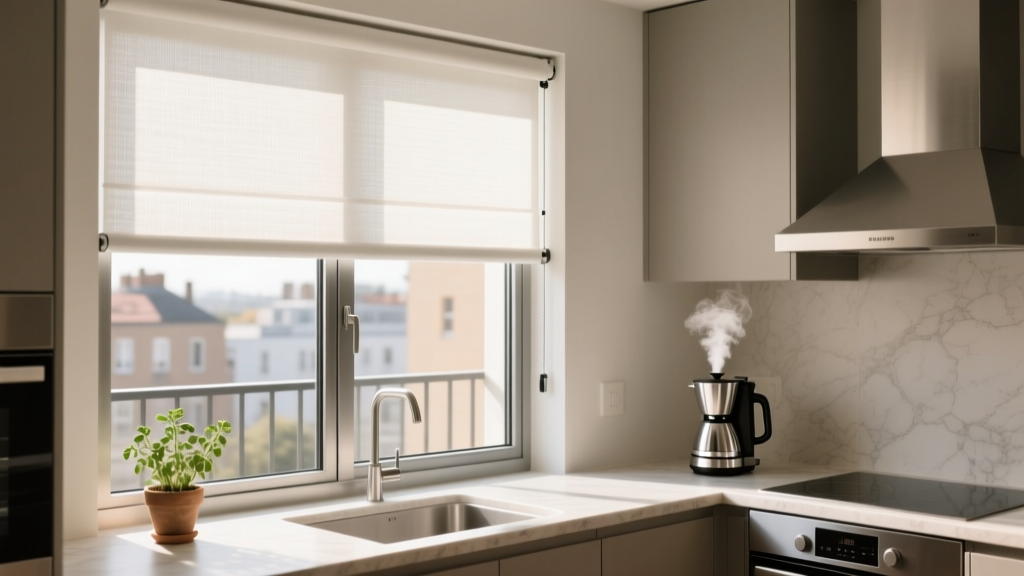
Kitchen Window Treatments for Steam & Grease (2026)
If your kitchen windows are currently dressed in nothing but bare glass—or worse, that beige builder-grade mini-blind the previous owner left behind—you're missing one of the fastest ways to transform the entire room. Window treatments in the kitchen aren't just about privacy; they're about light control, heat management, and tying your design scheme together.
Why Kitchen Windows Are Different
Kitchen windows face a unique set of challenges that living room or bedroom windows simply don't. Steam, grease splatter, cooking odors, and frequent temperature swings all take a toll on fabrics and hardware. That's why your first filter when choosing treatments should always be: "Can this survive near a stove?"
I learned this the hard way after hanging a gorgeous linen Roman shade above my sink. Three months of pasta-boiling steam later, the bottom rail was warping and the fabric had absorbed every cooking smell imaginable. Lesson learned.
Top Kitchen Window Treatment Options
1. Faux Wood Blinds
These are the workhorse of kitchen windows. Unlike real wood, faux wood (PVC or composite) won't warp from humidity. They wipe clean with a damp cloth, come in a range of finishes that mimic real wood grain, and cost a fraction of the price.
- Best for: Windows near sinks and stoves
- Average cost: $30-80 per window (DIY installation)
- Pro tip: Choose 2-inch slats over 1-inch for a more modern, less "apartment-complex" look
2. Cellular (Honeycomb) Shades
Cellular shades are my go-to recommendation for kitchen windows that face direct sun. The honeycomb structure traps air, providing real insulation value—your kitchen stays cooler in summer and warmer in winter. Many now come with a DualShield or Top-Down/Bottom-Up feature, letting you lower the shade from the top to keep the counter lit while maintaining privacy at eye level.
3. Café Curtains
Nothing says "French country kitchen" quite like café curtains. These cover only the lower half of your window, leaving the top open for natural light. They're inexpensive, easy to swap seasonally, and since they're fabric, you can throw them in the wash whenever they pick up cooking grease.
Install café curtain rods at the midpoint of your window frame, not at the top. The visual weight of the fabric on the bottom half grounds the space while the clear glass above keeps the room feeling airy.
4. Roller Shades with a Solar Fabric
If your kitchen gets harsh afternoon sun through west-facing windows, solar roller shades are the answer. They filter UV rays (protecting your countertops and flooring from fading) while still letting you see outside. The fabric looks like a fine mesh from the inside but appears nearly opaque from the street.
What to Skip in the Kitchen
| Treatment | Why It Fails in Kitchens |
|---|---|
| Real wood blinds | Warp and crack from steam and heat cycles |
| Heavy drapes | Absorb grease and odors; fire hazard near gas stoves |
| Paper shades | Humidity makes them sag and tear within months |
| Shutters (in budget kitchens) | Great look but $300+ per window—hard to justify in a rental |
My Go-To Combination
In my own kitchen, I use faux wood blinds on windows near the cooking zone and café curtains on the breakfast nook window. It gives me the durability I need where it matters most and the warmth and personality I want where I sit down to eat. The total cost was under $150 for four windows, installed in an afternoon.
Whatever you choose, measure twice before ordering. Kitchen windows often have handles, cranks, or tile surrounds that affect how your treatment fits—and returning custom-cut blinds is never fun.
More Articles
 Kitchen Vintage Inspired Hardware Guide - The Decor Mag
 Best Kitchen Small Appliance Storage - The Decor Mag
 How to Choose Kitchen Cabinet Door Styles - The Decor Mag
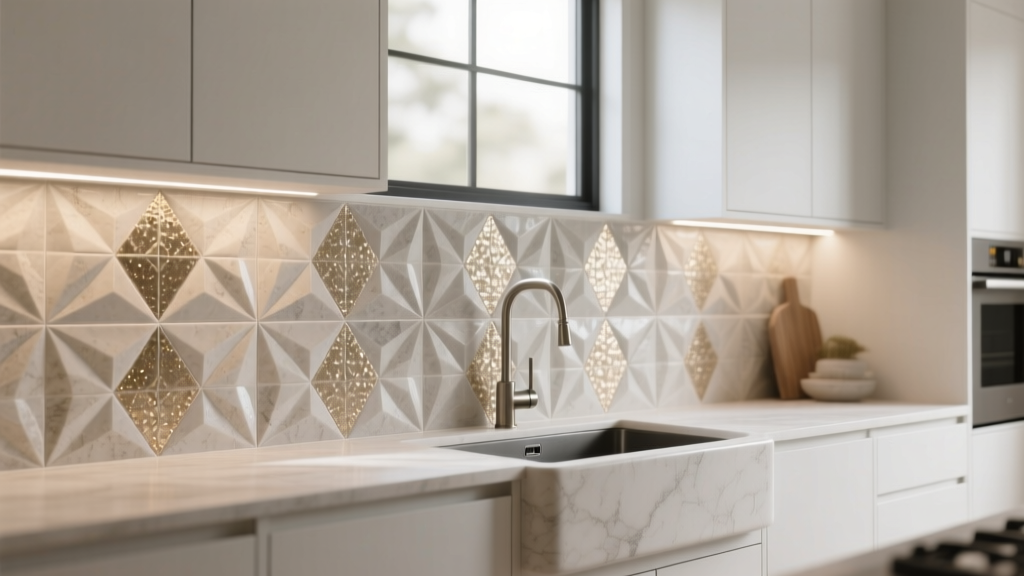 Kitchen Textured Backsplash Tile Trends - The Decor Mag
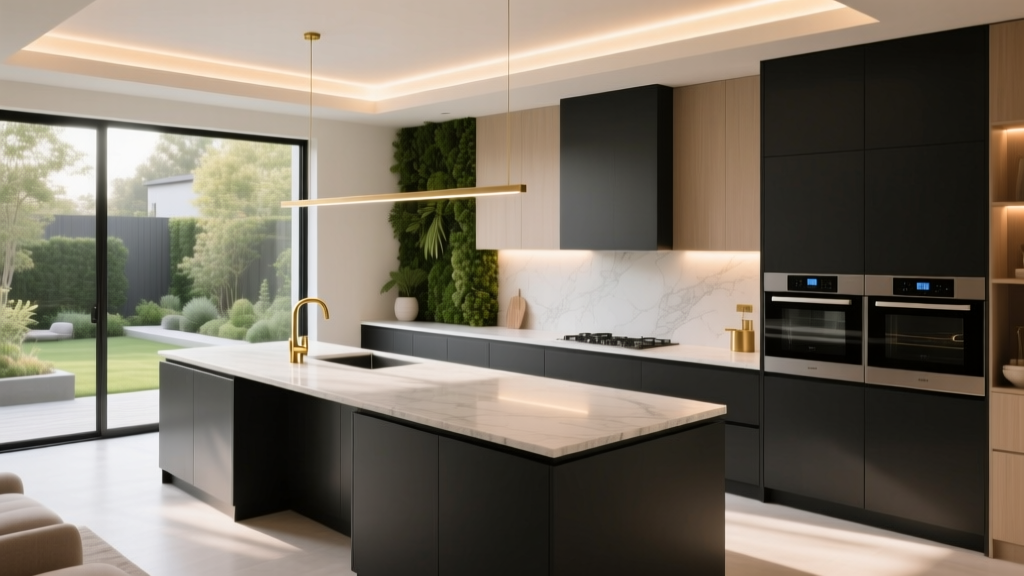 Modern Kitchen Design Trends for 2026 - The Decor Mag
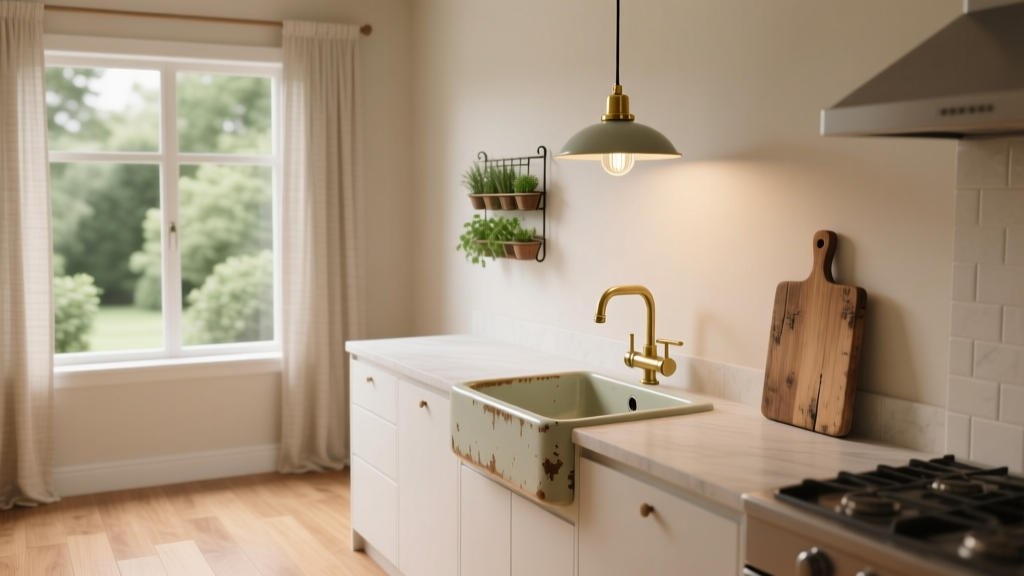 Vintage Kitchen Decor: Ideas & Tips (2026)
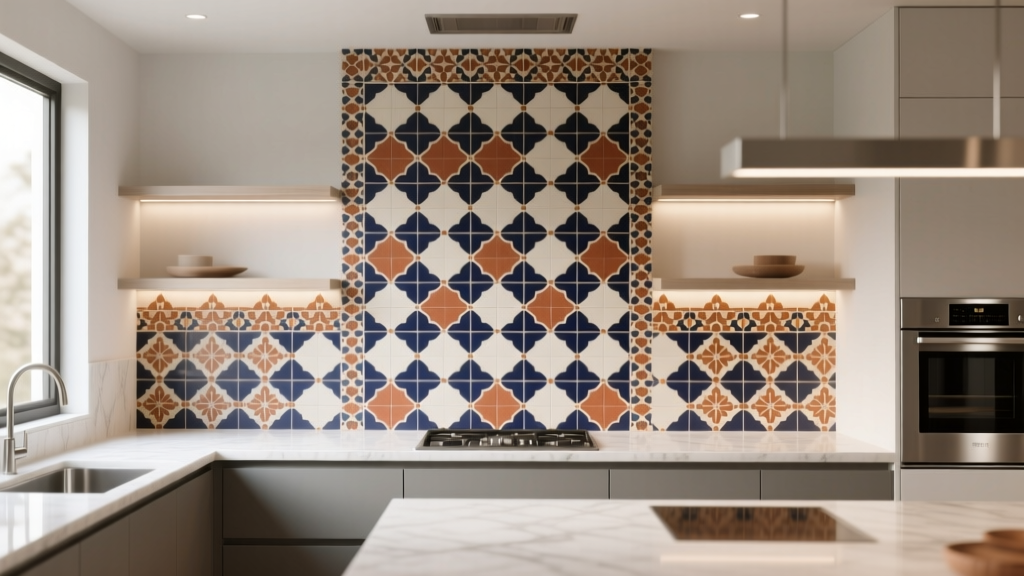 Kitchen Zellige Tile Backsplash Guide - The Decor Mag
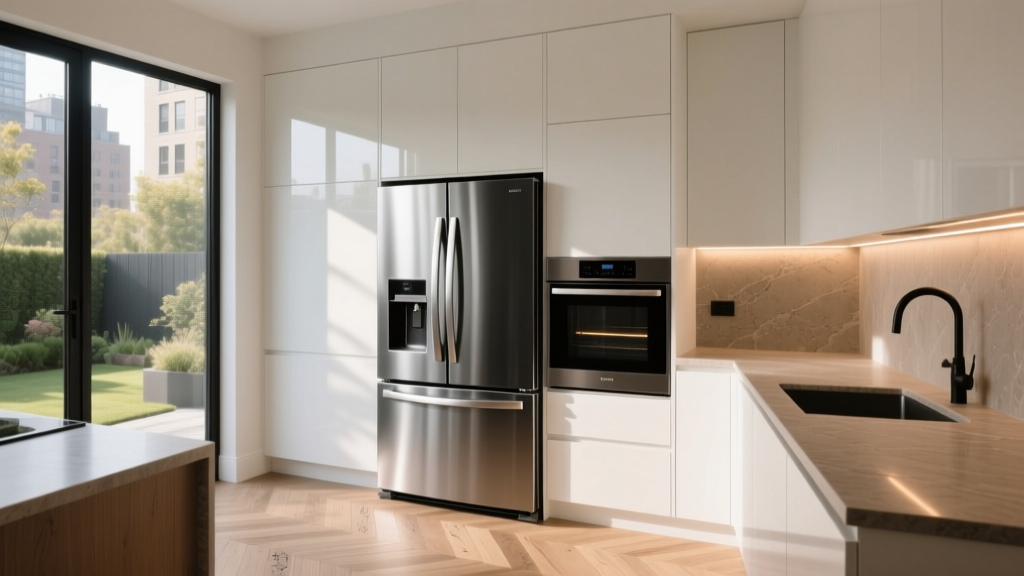 Kitchen Stainless Steel Appliance Guide - The Decor Mag
 Kitchen Pantry Organization That Saves Time
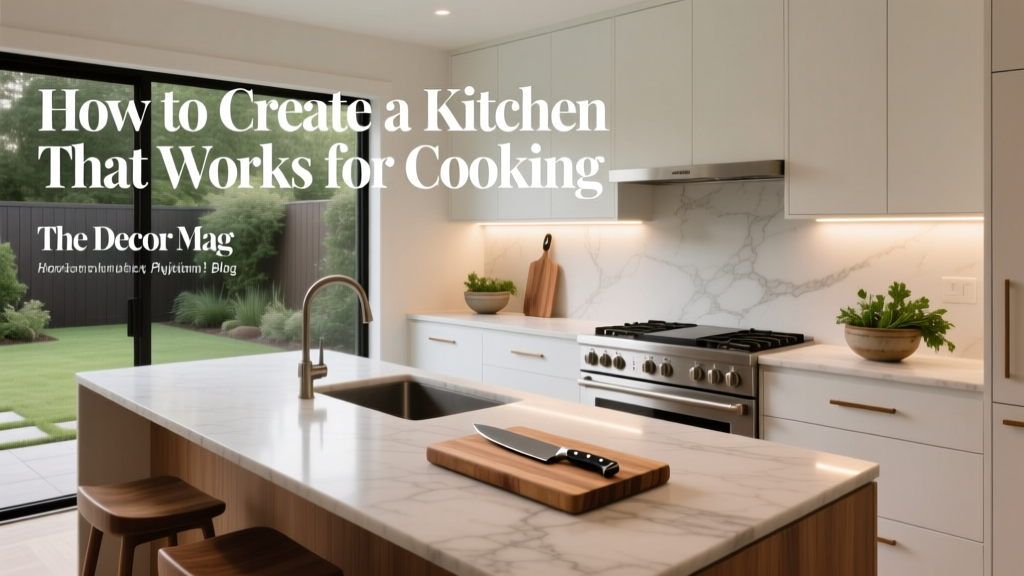 Kitchen Design for Cooking: Functional Ideas (2026)