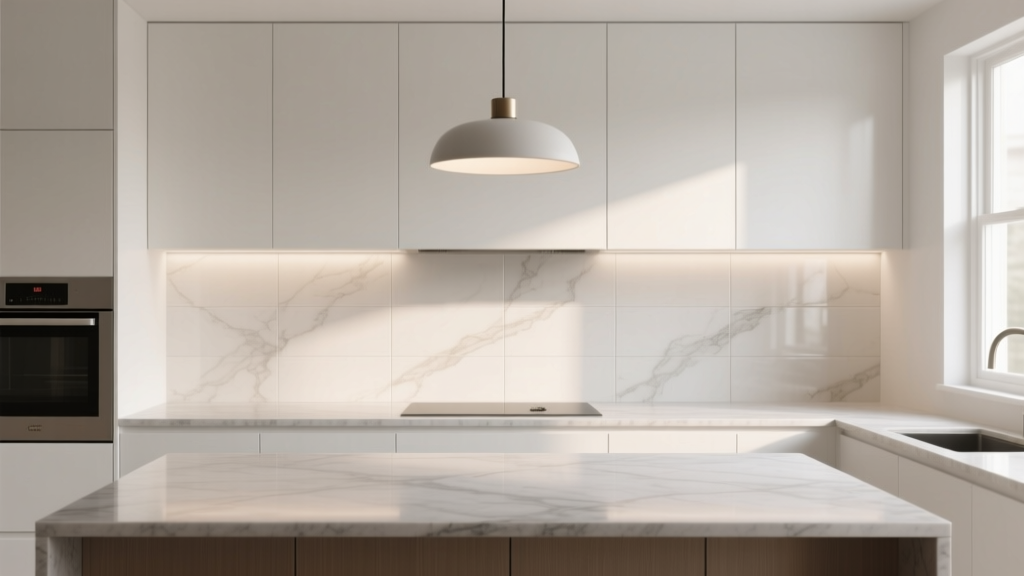
How to Choose the Perfect Kitchen Countertop - The Decor Mag
Your kitchen countertop is where real life happens: morning coffee, homework sessions, holiday prep, quick lunches, and the occasional DIY project. It’s also one of the most visible (and expensive) surfaces in a kitchen renovation. Choose well, and it becomes a hardworking design anchor that makes the whole space feel more functional and intentional. Choose poorly, and even a beautiful kitchen can feel fussy, fragile, or outdated within a few years.
With so many kitchen countertop materials—quartz, granite, marble, butcher block, porcelain slab, laminate, concrete, and more—the decision can feel overwhelming. The best approach is practical: match the material to your cooking habits, maintenance preferences, budget, and the overall kitchen design style. The “perfect” countertop isn’t the most expensive one; it’s the one that suits your lifestyle and supports your renovation goals for the long haul.
This guide walks you through how to evaluate materials, plan the right layout and thickness, estimate costs, avoid common pitfalls, and land on a countertop choice that looks great and performs even better.
Start With How You Use Your Kitchen
Before comparing samples, get clear on daily wear and tear. A countertop in a busy family kitchen needs different strengths than a showpiece kitchen used lightly.
Ask yourself these practical questions
- How often do you cook? Daily cooking favors durable, low-maintenance surfaces like quartz or granite.
- Do you bake and roll dough? You may love natural stone’s coolness (marble is classic, but high-maintenance) or consider a dedicated baking zone.
- Do you prep directly on the counter? If you’re likely to cut without a board (we’ve all done it), avoid softer materials that scratch easily.
- Are stains a deal-breaker? Wine, turmeric, tomato sauce, coffee, and oils quickly reveal which materials are forgiving.
- Who cleans up? If you want simple wipe-down care, prioritize non-porous materials.
- Do you entertain? You may want a “statement” island with a more dramatic slab while keeping perimeter counters practical.
Kitchen Countertop Material Comparison (What Works Where)
Choosing a countertop is about balancing durability, aesthetics, maintenance, and cost. Below are the most popular options in today’s kitchen renovation market, including current kitchen design trends like warm neutrals, natural veining, textured finishes, and mixed-material kitchens.
Quartz (Engineered Stone): Best All-Around for Most Renovations
Why homeowners love it: Quartz is non-porous, low maintenance, and comes in a wide range of colors and patterns—especially marble-look designs that pair beautifully with modern, transitional, and Scandinavian-inspired kitchens.
- Pros: Highly stain-resistant, consistent appearance, no sealing required, strong for daily use.
- Cons: Not heat-proof (hot pans can cause damage), visible seams may occur on large runs.
- Best for: Busy households, open-concept kitchens, white kitchens, and contemporary kitchen design.
- Maintenance: Mild dish soap + soft cloth; use trivets for hot cookware.
- Cost range: $60–$120+ per sq ft installed (premium designs and thicker edges cost more).
Design recommendation: Pair a warm white quartz with subtle veining (not overly busy) with brushed brass or matte black hardware for a timeless look.
Granite: Natural Beauty With Strong Performance
Why it lasts: Granite remains a classic kitchen countertop material because it’s hard, heat-resistant, and naturally unique. Many current kitchen trends lean toward lighter granites with softer movement that mimic quartzite looks.
- Pros: Heat-resistant, scratch-resistant, natural stone character, long lifespan.
- Cons: Porous (needs sealing), some patterns can feel visually busy in small kitchens.
- Best for: Home chefs, traditional kitchens, rustic and organic modern styles.
- Maintenance: Seal every 1–3 years depending on stone and use; wipe spills quickly.
- Cost range: $50–$120 per sq ft installed (rare slabs can exceed this).
Quartzite: The Natural Stone for “Marble Look” Durability
Quartzite (not to be confused with quartz) is a natural stone often chosen for dramatic veining with better durability than marble.
- Pros: Very hard, heat-resistant, often stunning veining, can be more stain-resistant than marble when sealed.
- Cons: Needs sealing, can be expensive, variations require careful slab selection.
- Best for: Statement islands, luxury kitchen renovations, homeowners who want natural stone without marble’s softness.
- Maintenance: Seal regularly; use cutting boards to protect the finish.
- Cost range: $80–$200+ per sq ft installed.
Marble: Beautiful, Timeless, and High-Commitment
Marble remains iconic, especially in classic kitchens and high-end renovations. It’s also the material most likely to show etching and stains.
- Pros: Unmatched elegance, cool surface for baking, natural veining.
- Cons: Prone to etching from acids (lemon, vinegar), can stain, scratches more easily.
- Best for: Baking stations, low-traffic kitchens, homeowners who embrace patina.
- Maintenance: Seal frequently; clean with stone-safe cleaner; avoid acidic cleaners.
- Cost range: $90–$250+ per sq ft installed.
Smart compromise: Use marble on an island or coffee bar and choose quartz for perimeter counters.
Porcelain Slab: Sleek, Heat-Resistant, and Trend-Forward
Porcelain countertops are a growing trend in modern kitchen design. Large-format slabs can create a minimal, seamless look and handle heat exceptionally well.
- Pros: Heat-resistant, stain-resistant, UV-stable (great for sunny kitchens), thin profile options.
- Cons: Can chip on edges if impacted; fewer fabricators specialize in it; seams require expertise.
- Best for: Contemporary kitchens, waterfall islands, indoor-outdoor kitchen transitions.
- Maintenance: Simple wipe-down; protect edges from heavy impacts.
- Cost range: $70–$160+ per sq ft installed.
Butcher Block (Wood): Warm, Inviting, and Great for Zones
Wood countertops bring instant warmth and are popular in cozy modern farmhouse and Scandinavian kitchens. They’re best used strategically rather than everywhere for many households.
- Pros: Warm look, softer and quieter than stone, can be refinished, budget-friendly options exist.
- Cons: Vulnerable to water damage near sinks, can scratch and stain, requires regular oiling.
- Best for: Prep zones, coffee stations, kitchen islands (when sink isn’t installed).
- Maintenance: Oil every 3–6 weeks initially, then every 6–8 weeks; wipe standing water immediately.
- Cost range: $35–$100+ per sq ft installed (species and thickness matter).
Design recommendation: Mix butcher block on a small prep run with quartz or granite perimeter counters for an intentional, layered kitchen design.
Laminate: Budget-Friendly and Better Looking Than Ever
Modern laminate has improved dramatically, with realistic stone looks and matte finishes that work well for rental upgrades or budget kitchen renovations.
- Pros: Affordable, easy to clean, many colors/patterns, quick installation.
- Cons: Can burn or chip; seams can swell if water penetrates; not repair-friendly.
- Best for: Tight budgets, laundry/kitchenette spaces, quick refresh renovations.
- Maintenance: Use cutting boards and trivets; avoid soaking seams near sinks.
- Cost range: $20–$50 per sq ft installed.
Concrete & Stainless Steel: Specialty Choices With Strong Style
- Concrete: Custom, industrial/organic modern look; can crack or stain if not sealed well. $70–$150+ per sq ft installed.
- Stainless steel: Professional kitchen vibe, heat-proof, hygienic; shows fingerprints and scratches. $80–$200+ per sq ft installed.
Layout, Thickness, and Measurements That Make a Countertop Feel “Right”
Standard dimensions to plan around
- Countertop height: Typically 36 inches from finished floor to top of counter.
- Countertop depth: Standard is 25–25.5 inches (allows a slight overhang past 24" base cabinets).
- Edge overhang: Usually 1–1.5 inches beyond cabinet faces.
- Island seating overhang: 12 inches is comfortable for knees; 15 inches feels generous. Add brackets/support if overhang exceeds your fabricator’s recommendation (often around 12–15 inches depending on material).
- Walkway clearances: Aim for 42 inches between counters for one cook; 48 inches for two cooks or heavy traffic kitchens.
Thickness and edge profiles
- 2 cm vs 3 cm stone: 3 cm looks substantial and needs less edge build-up; 2 cm can be sleek but often needs laminated edges for a thicker look.
- Waterfall edges: Popular in modern kitchen trends, especially with quartz or porcelain slabs; budget extra for material and labor.
- Finish choices: Polished reflects light and shows fewer fingerprints; honed/matte looks soft and current but may show smudges and etching more on certain stones.
Budget Planning: What Your Countertop Really Costs
Countertop pricing is influenced by material, slab size, thickness, edge detailing, cutouts, and installation complexity. When estimating, consider not just the “per square foot” price but the add-ons that often surprise homeowners.
Typical add-on costs to ask about
- Sink cutout(s): often included up to a point; confirm fees for extra or specialty sinks
- Cooktop cutout: may be additional
- Undermount sink installation: ask if included
- Backsplash: full-height slab backsplashes increase cost but look high-end and are easier to clean than grout
- Edge upgrades: ogee, mitered edges, and thick buildups cost more
- Seams: extra seams can add labor; fewer seams often requires larger slabs
Budget-friendly countertop strategy (that still looks custom)
- Use a durable mid-range material (quartz or granite) on perimeter counters.
- Spend on one focal feature: a waterfall island, a porcelain slab backsplash behind the range, or a dramatic-vein island slab.
- Keep edge profiles simple (eased or pencil) for a clean, timeless look and lower fabrication costs.
Design Approaches That Work in Real Kitchens
1) Match countertop movement to cabinet style
- Flat-panel cabinets (modern): look best with subtle veining or solid countertops for a calm, architectural feel.
- Shaker cabinets (transitional): pair well with gentle veining, light speckles, or warm neutrals.
- Ornate or raised-panel cabinets: keep countertop patterns quieter to avoid visual overload.
2) Choose undertones intentionally
- Warm kitchens: creamy whites, greige, taupe veining, warm woods, brushed brass.
- Cool kitchens: crisp whites, blue-gray veining, chrome or polished nickel, cooler grays.
- Mixed metals and woods: neutral countertops with soft movement keep the design cohesive.
3) Consider a countertop + backsplash pairing
- Timeless: quartz or granite countertop + classic subway tile backsplash
- Trending (and practical): slab backsplash (same material as countertop) for a seamless, easy-clean wall
- Warm, textured look: neutral countertop + zellige-style ceramic tile backsplash (note: more grout maintenance)
Maintenance and Longevity: Choose What You’ll Actually Keep Up With
Maintenance cheat sheet
- Lowest maintenance: quartz, porcelain, laminate
- Moderate maintenance: granite, quartzite (sealing)
- Highest maintenance: marble, butcher block, concrete
Everyday care tips that prevent damage
- Use trivets—even “heat-resistant” stone can suffer thermal shock under extreme temperature changes.
- Wipe acidic spills quickly (wine, citrus, vinegar), especially on marble and some quartzites.
- Use cutting boards to protect both the countertop and your knives.
- Avoid abrasive powders and scrub pads that can dull polished finishes.
- For natural stone, use pH-neutral, stone-safe cleaners.
Common Mistakes to Avoid When Choosing a Kitchen Countertop
- Choosing based on a tiny sample only: Always view a full slab (or at least large sample) when possible; veining and color can vary dramatically.
- Ignoring lighting: Check your countertop choice in the lighting you’ll actually have—daylight, warm LEDs, and under-cabinet lighting can shift the tone.
- Prioritizing looks over lifestyle: If you don’t want to baby your counters, skip high-maintenance stones in high-traffic zones.
- Underestimating seam placement: Ask your fabricator where seams will land—especially on islands and near sinks.
- Forgetting the sink and faucet plan: Undermount vs farmhouse sinks, faucet hole count, and accessories (soap dispensers, filtered water taps) should be decided early.
- Going too trendy without a timeless anchor: Bold patterns can be beautiful, but balance them with classic cabinetry, simple hardware, or timeless flooring.
FAQ: Choosing the Perfect Kitchen Countertop
What is the most durable kitchen countertop material?
For most homeowners, quartz offers the best mix of durability and low maintenance. Quartzite and granite are also very durable, but they require periodic sealing.
Is quartz better than granite for a kitchen renovation?
Quartz is typically easier to maintain because it’s non-porous and doesn’t need sealing. Granite handles heat better and offers natural variation. The better choice depends on whether you value low upkeep (quartz) or natural stone character and heat resistance (granite).
How much countertop overhang do I need for island seating?
Aim for 12 inches minimum for comfortable knee space. If you want bar-style seating or taller stools, 15 inches can feel more spacious. Confirm support requirements with your fabricator, especially for stone or porcelain.
Do I need a backsplash if I have a great countertop?
Yes—at least a minimal backsplash is recommended for daily cooking splatter and moisture protection. A 4-inch countertop backsplash is functional, but many homeowners prefer tile or a full-height slab backsplash for a more finished kitchen design.
What countertop is best for a busy family kitchen?
Quartz is a top pick for family kitchens because it resists stains and cleans easily. If you prefer natural stone, choose a well-sealed granite in a mid-tone pattern that disguises crumbs and smudges.
How do I choose a countertop color that won’t look dated?
Look for neutral, nature-inspired tones that coordinate with fixed elements like flooring. Soft whites, warm greiges, taupes, and gentle veining tend to age well. If you love bold color, consider using it on a smaller surface (like an island) while keeping perimeter counters classic.
Next Steps: How to Make Your Final Countertop Choice
- Collect 3–5 countertop finalists that fit your budget and maintenance comfort level.
- View slabs in person (or request large samples) and check them under your kitchen lighting plan.
- Decide on sink, faucet, and backsplash early to avoid last-minute layout issues.
- Request a detailed quote that lists cutouts, edge profiles, seam count, installation, and removal of existing counters.
- Plan for protection and care—buy trivets, cutting boards, and the right cleaners before installation day.
The perfect kitchen countertop supports your cooking style, simplifies daily cleanup, and elevates your kitchen renovation with a surface that feels both current and timeless. For more kitchen design inspiration, organization ideas, and renovation guides, explore the latest at thedecormag.com.
More Articles
 Best Kitchen Counter Appliance Rotation - The Decor Mag
 Kitchen Integrated Appliance Paneling - The Decor Mag
 Create Care and Maintenance: A Practical, Brand-Specific Guide for Modern Kitchens
 Kitchen Pantry Organization That Saves Time
 The Ultimate Sustainable Kitchen Guide: Practical, Proven, and Planet-Positive Actions
 Best Kitchen Table Linen Storage - The Decor Mag
 Best Kitchen Trash Can Hideaway Solutions - The Decor Mag
 Kitchen Integrated Look Appliance Paneling - The Decor Mag
 How To Match Styling With Fluted Cabinet Doors, Countertops, and Hardware
 Industrial Kitchen Design Inspiration - The Decor Mag