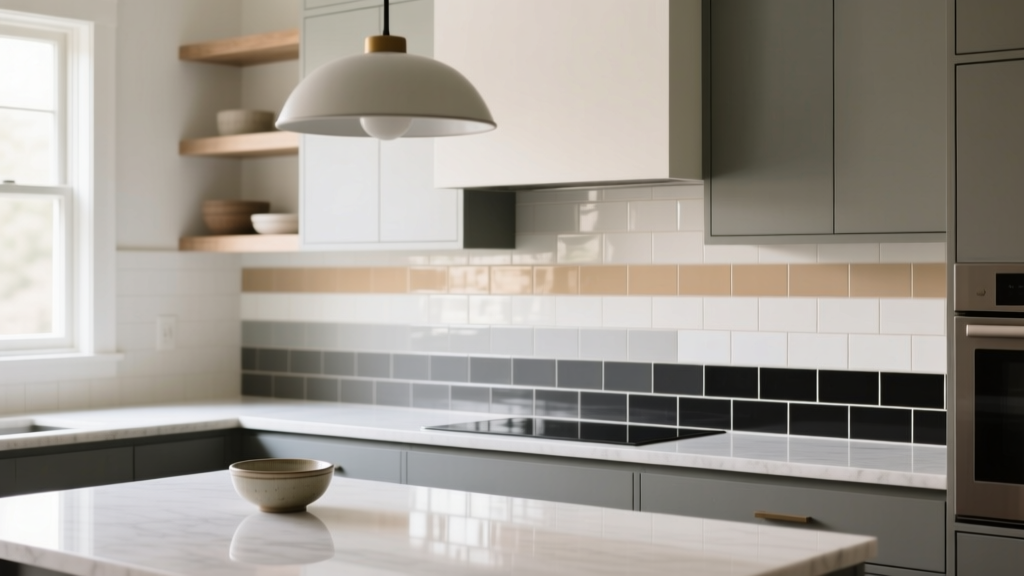
How to Choose Kitchen Backsplash Grout Color - The Decor Mag
Backsplash tile gets most of the attention in a kitchen renovation, but grout is the quiet design decision that can make the whole wall look polished—or painfully busy. Because grout lines repeat across every tile, the color you choose influences contrast, pattern clarity, perceived cleanliness, and even how large your backsplash feels. It’s also one of the most cost-effective ways to steer the overall style of your kitchen design without changing the tile itself.
For homeowners updating a kitchen, grout color matters for practical reasons too. Cooking splatters, steam, and daily wipe-downs all hit the backsplash first. The right grout can reduce visible staining, simplify maintenance, and keep a fresh look for years. The wrong grout can highlight every drip or create a “dirty” cast even when the space is clean.
This guide walks through how to choose backsplash grout color based on tile material, layout, lighting, cabinet and countertop pairings, and real-life cleaning habits—plus cost ranges, product recommendations, and common mistakes to avoid.
Start With the Three Grout Color Strategies
Nearly every successful kitchen backsplash grout decision fits into one of these approaches. Choosing your strategy first makes the rest simpler.
1) Match the tile (seamless and timeless)
- Best for: small tiles (subway, mosaic), visually busy counters, minimalist kitchens
- Look: grout recedes; the backsplash reads as one surface
- Why it works: forgiving, calm, and classic—especially for white, beige, or soft gray tile
2) Contrast the tile (graphic and trend-forward)
- Best for: feature backsplashes, simple slab counters, modern or industrial kitchens
- Look: emphasizes pattern and grid; makes tile layout a design feature
- Watch-outs: higher visual “noise,” and mistakes in tile spacing are more noticeable
3) Blend with other finishes (cohesive and custom)
- Best for: open-concept homes, mixed materials, transitional kitchens
- Look: grout ties into countertops, cabinet color, hardware, flooring, or paint
- Pro tip: choose grout that echoes the countertop undertone (warm vs cool) for a high-end feel
Key Factors That Should Decide Your Grout Color
Tile size, grout line width, and layout pattern
Grout color reads differently depending on how much grout you’ll actually see. A 3" x 6" subway tile with 1/8" joints creates a subtle grid; a small mosaic with 1/8" joints creates a grout-dominant surface.
- Common grout joint widths: 1/16", 1/8", 3/16"
- Rule of thumb: The wider the grout joint, the more your grout color becomes the backsplash’s main color.
Layout impact:
- Running bond (classic subway): forgiving; matching grout looks timeless
- Herringbone or chevron: contrast grout highlights movement; matching grout keeps it elegant
- Stacked (horizontal or vertical): contrast grout looks crisp and modern, but requires precise tile alignment
- Hex mosaics: go slightly darker than the tile to hide staining while keeping pattern visible
Lighting: under-cabinet LEDs change grout color
Backsplashes are often lit by under-cabinet lighting, which can shift grout undertones dramatically. Warm 2700K LEDs make grays look beige; cool 4000K LEDs can make warm whites look yellow.
- Best practice: test grout samples under your actual kitchen lighting at night and in daylight.
- If you’re upgrading lighting: choose grout after selecting bulb temperature (most homeowners prefer 3000K for kitchens—bright but still warm).
Countertops and cabinets: match undertones, not names
“White” tile and “white” grout can still clash if undertones differ. Compare undertones side by side:
- Warm undertones: cream, ivory, beige, greige, gold veining
- Cool undertones: crisp white, blue-gray, charcoal, silver veining
Quick pairing guidance:
- Warm wood cabinets + creamy tile: warm white or light greige grout
- White shaker cabinets + marble-look quartz: soft gray grout that matches veining
- Dark cabinets + light tile: mid-gray grout for balance (or dark grout for a bold grid)
Cleanliness and daily use (be honest about cooking habits)
If you cook often, grout color should work with real life. Bright white grout can stay beautiful, but it demands more maintenance and better products.
- Most forgiving for busy kitchens: light to mid gray, greige, or “warm gray” grout
- Most demanding: pure white grout, especially with textured tile or wide joints
- Dark grout reality check: it can show soap residue, hard-water marks, and fading over time
Best Grout Colors for Popular Backsplash Tile Materials
Ceramic and porcelain tile
These are the most common backsplash materials in kitchen renovation projects because they’re affordable, durable, and easy to clean.
- For white subway tile: “warm white” or “bone” for warmth; “silver” or light gray for a modern edge
- For colored tile (sage, navy, terracotta): match tile for a saturated, seamless look or choose a soft neutral that complements the countertop
- For handmade-look zellige: avoid high-contrast grout unless you want a rustic grid; matching grout enhances the variation
Natural stone (marble, limestone, travertine)
Stone is porous and can stain, so grout selection should focus on both beauty and protection.
- Best look: grout that matches the stone’s background tone (often warm white, light beige, or pale gray)
- Avoid: very dark grout with light marble—pigment can stain and the contrast can overpower the veining
- Sealant: plan to seal stone and grout (even if using a stain-resistant grout)
Glass tile
Glass reflects light and can make grout lines more visible. Many glass tiles also require specific grout types.
- Best choices: bright white, light gray, or a coordinated tint that enhances the glass color
- Installation note: check manufacturer guidance—some glass tiles require non-sanded grout to prevent scratching
Metal, mixed mosaics, and statement tiles
For mosaic sheets with mixed finishes, grout is your “unifier.”
- Safest approach: pick up the dominant neutral (often light gray or greige)
- Design approach: if your countertop has strong movement, choose a quiet grout to reduce visual clutter
Product and Material Recommendations (Grout Types That Perform Well)
Beyond color, grout type affects staining, cracking risk, and ease of cleaning—key for kitchen organization and maintenance routines.
Cement-based grout (sanded or unsanded)
- Pros: cost-effective, widely available, many colors
- Cons: more prone to staining without sealer
- Use: sanded for wider joints (typically 1/8" and up), unsanded for narrower joints or delicate surfaces
- Maintenance: usually needs sealing, then periodic resealing depending on use
Single-component / premixed grout
- Pros: better stain resistance, consistent color, convenient
- Cons: higher cost than cement grout
- Great for: homeowners who want lower maintenance and reliable color
Epoxy grout (premium performance)
- Pros: highly stain-resistant, durable, no sealing required in most cases
- Cons: more expensive, more time-sensitive installation
- Best for: serious cooks, light grout colors in high-splash zones, busy households
Tip for better results: If you’re hiring a contractor, ask what grout they are most comfortable installing. A perfectly installed cement grout can outperform a rushed epoxy job.
Design Recipes: Grout Color Pairings That Consistently Work
Classic white kitchen (timeless, bright, resale-friendly)
- Tile: white 3" x 6" subway
- Grout: warm white, bone, or very light gray
- Joint width: 1/16"–1/8" for a clean look
- Why it works: subtle definition without a “grid” effect
Modern contrast (graphic and current)
- Tile: white subway or stacked tile
- Grout: charcoal or medium gray
- Joint width: keep tight (1/16"–1/8") so it looks intentional, not busy
- Works best with: simple countertops (solid quartz) and clean cabinet lines
Warm organic kitchen (wood, clay, natural textures)
- Tile: creamy ceramic, handmade-look, or light terracotta
- Grout: sand, beige, warm greige
- Design trend tie-in: organic modern kitchens are trending—this grout choice supports that soft, earthy palette
Marble or marble-look slab counters (elevated and cohesive)
- Tile: white tile or marble mosaic
- Grout: pale gray that matches the veining (not the background)
- Result: coordinates backsplash with countertop for a custom look
Cost Ranges and Budget Considerations
Grout itself is a small portion of a kitchen backsplash budget, but grout type and color choices can affect labor time and future maintenance costs.
- Cement grout materials: $15–$40 per bag (coverage varies by joint width and tile size)
- Premixed / single-component grout: $40–$90 per bucket
- Epoxy grout: $80–$150+ per unit
Installed backsplash costs (tile + labor) vary widely by region, tile, and complexity:
- Typical installed range: $25–$60 per sq ft
- High-end or complex layouts (herringbone, mosaics): $60–$120+ per sq ft
Budget tip: If you’re using an affordable ceramic tile, upgrading to a stain-resistant grout (single-component or epoxy) is often a smart place to spend for long-term ease—especially behind the range or sink.
How to Test Grout Color Before You Commit
Grout color on a tiny sample card rarely matches real life. Test it the way designers do:
- Buy a tile sample (or save a few tiles from your order).
- Create a mock-up board at least 12" x 12" using the real tile spacing and planned grout width.
- Test 2–3 grout shades (for example: warm white, light gray, medium gray).
- Evaluate in multiple conditions:
- daylight
- under-cabinet lights on
- kitchen overhead lights on
- Let it fully dry before deciding—grout often dries lighter than it looks when wet.
Maintenance Advice: Keep Grout Looking New
- Clean weekly: wipe backsplash with a pH-neutral cleaner and microfiber cloth.
- Avoid harsh acids: vinegar and strong acidic cleaners can degrade grout and damage natural stone.
- Use a soft brush for lines: a small nylon brush works better than abrasive pads.
- Seal when needed: cement grout often benefits from sealing; follow manufacturer schedules (commonly every 1–3 years depending on use).
- Address stains fast: splatters near the cooktop can set quickly, especially oils.
Organization tip for renovation planning: keep your grout color name and product line in your kitchen binder or notes app. If you ever need a repair, matching later is much easier.
Common Mistakes to Avoid
- Choosing grout from a color chart alone: always test with your tile, lighting, and countertop.
- Going too high-contrast on uneven tile: handmade or wavy tiles look best with softer grout contrast.
- Ignoring undertones: a “bright white” grout can look pink next to warm counters or blue next to cool marble.
- Picking white grout for a heavy-cooking kitchen without a maintenance plan: it can be done, but choose a stain-resistant grout and commit to gentle regular cleaning.
- Using the wrong grout type for the tile: glass and polished stone may require unsanded or specialty grouts to prevent scratching.
- Forgetting grout width is a design decision: changing from 1/16" to 1/8" can significantly change the overall look.
FAQ: Kitchen Backsplash Grout Color
What grout color is best for a white subway tile backsplash?
For a timeless kitchen design, choose warm white/bone for a soft, clean look or light gray to define the pattern slightly and hide everyday splatters. If you want a modern grid, medium gray or charcoal can work, especially with stacked layouts.
Is dark grout harder to keep clean than light grout?
It depends on your water and cleaning habits. Dark grout hides food stains but can show mineral deposits, soap residue, and fading in high-scrub areas. Light-to-mid gray is often the most forgiving balance for most kitchens.
Should grout match the tile or the countertop?
Match the tile when you want a seamless backsplash. Match the countertop’s undertone (especially veining) when you want the backsplash to feel custom and cohesive. If your countertop is bold, matching the tile usually keeps the space calmer.
Do I need to seal backsplash grout?
Cement-based grout typically benefits from sealing, especially in the cooking zone. Many epoxy grouts and some single-component grouts don’t require sealing. Always follow the grout manufacturer’s instructions and consider sealing if you cook frequently.
What grout width should I use for a kitchen backsplash?
Many homeowners choose 1/16"–1/8" for subway tile backsplashes. Use 1/16" for a sleeker look if your tile is very consistent; use 1/8" when tile edges vary slightly (common with handmade-look tile) or when you want more definition.
Can I change grout color without replacing the tile?
Yes. Options include grout colorant (a tinted sealer) for a refresh, or removing and regrouting for a more permanent change. Colorant is budget-friendly, but results depend on grout condition and proper prep.
Next Steps: Make Your Grout Choice With Confidence
Pick your grout strategy (match, contrast, or blend), narrow to 2–3 shades that align with your kitchen’s undertones, and test them on a real mock-up under your lighting. If low maintenance is a priority, consider upgrading to a stain-resistant grout type—often a small line item that pays off every week you clean.
For more kitchen renovation guidance, backsplash ideas, and practical home organization upgrades, explore the latest at thedecormag.com.
More Articles
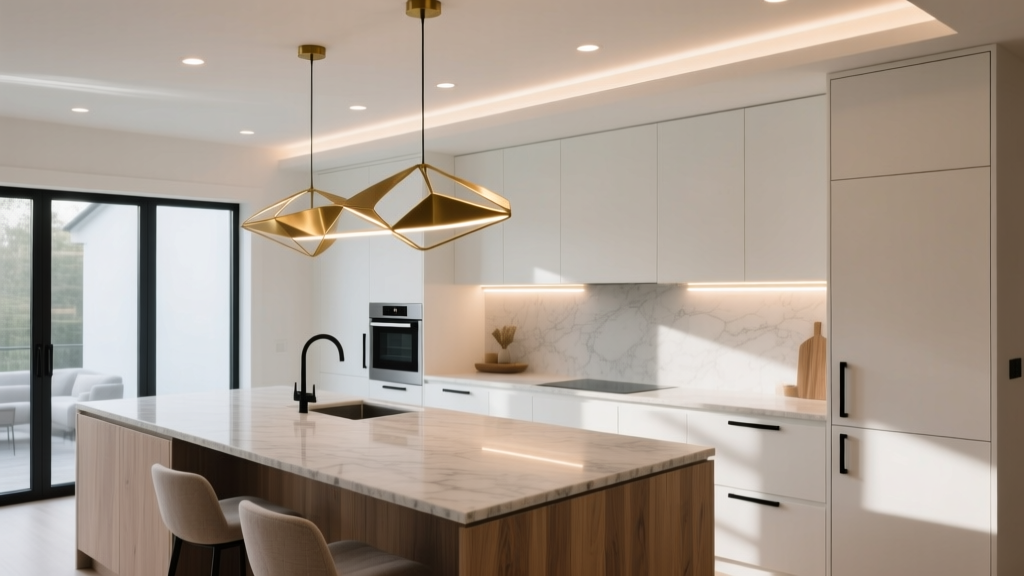 Best Kitchen Lighting for Function & Style (2026)
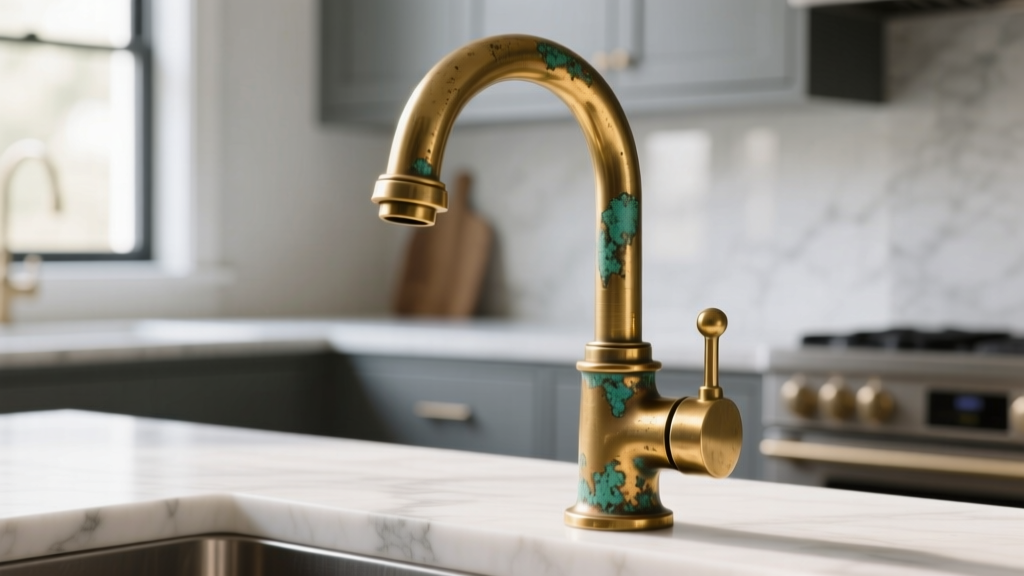 Kitchen Patina Brass Faucet Beauty - The Decor Mag
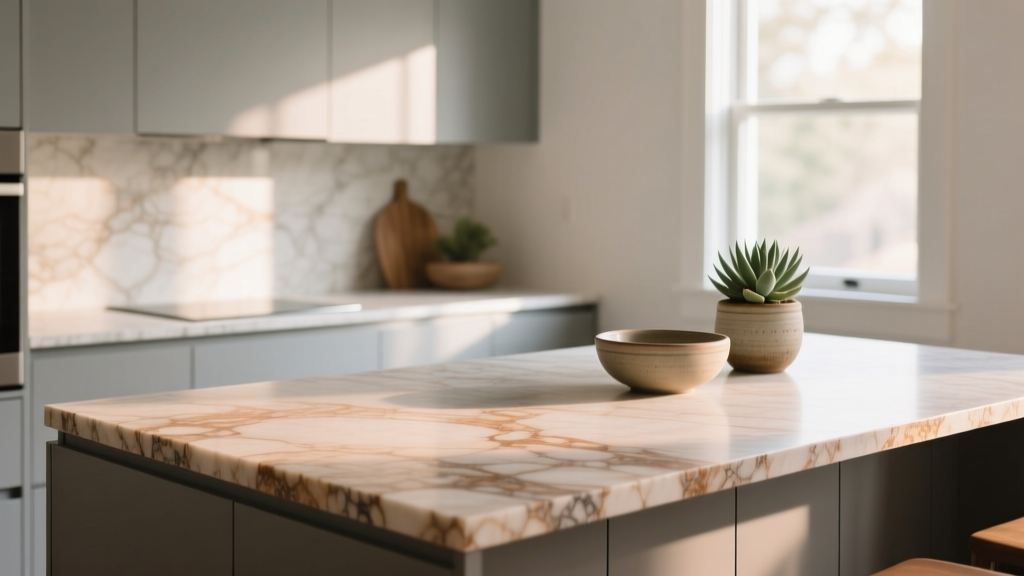 Kitchen Leathered Quartzite Countertops - The Decor Mag
 Wall Trends 2026: Material Innovation, Adaptive Surfaces, and Human-Centered Design in Residential Kitchens
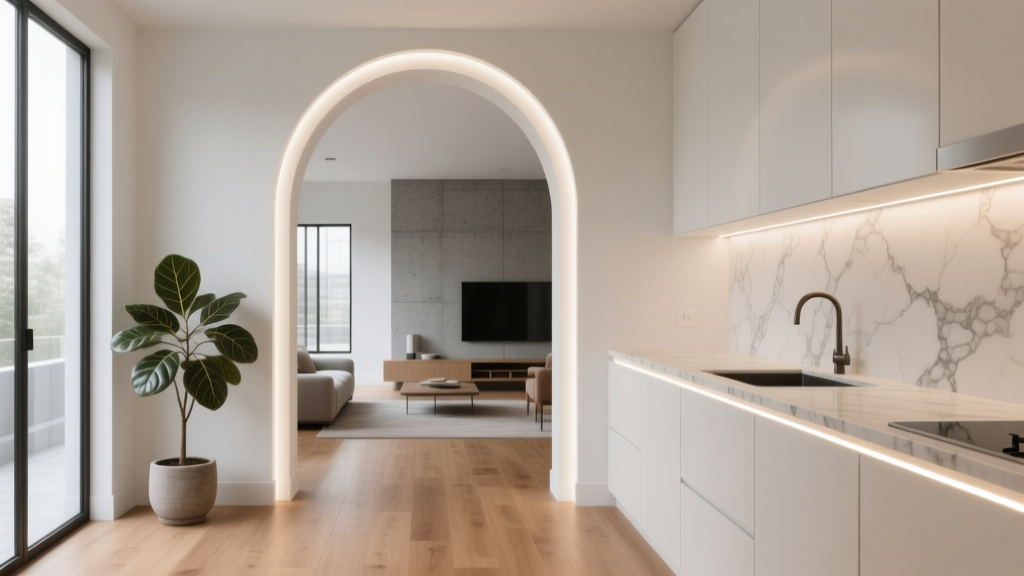 Kitchen Arched Doorway to Kitchen Design - The Decor Mag
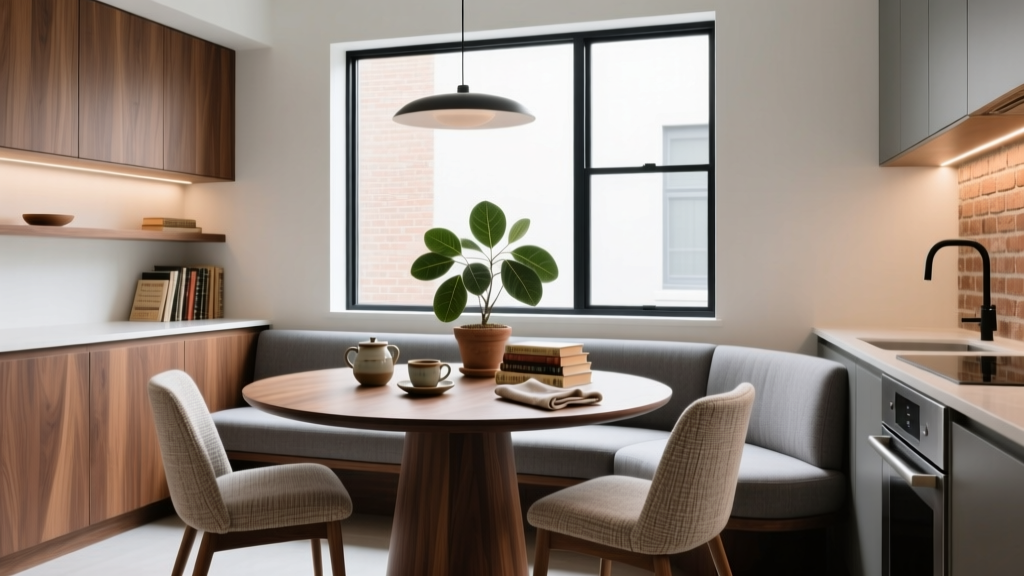 Kitchen Breakfast Nook Design Inspiration - The Decor Mag
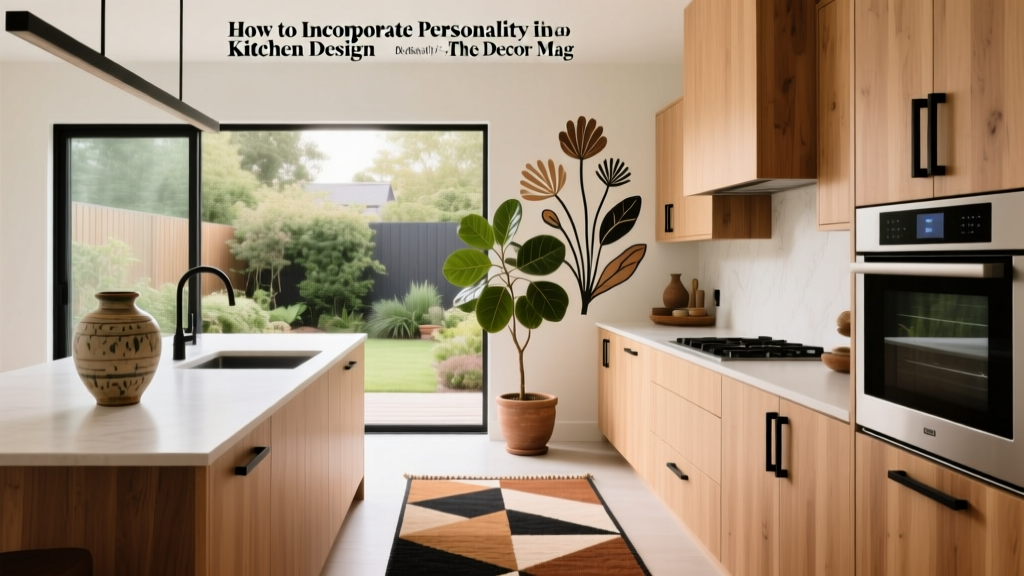 Personality in Kitchen Design: Ideas for 2026
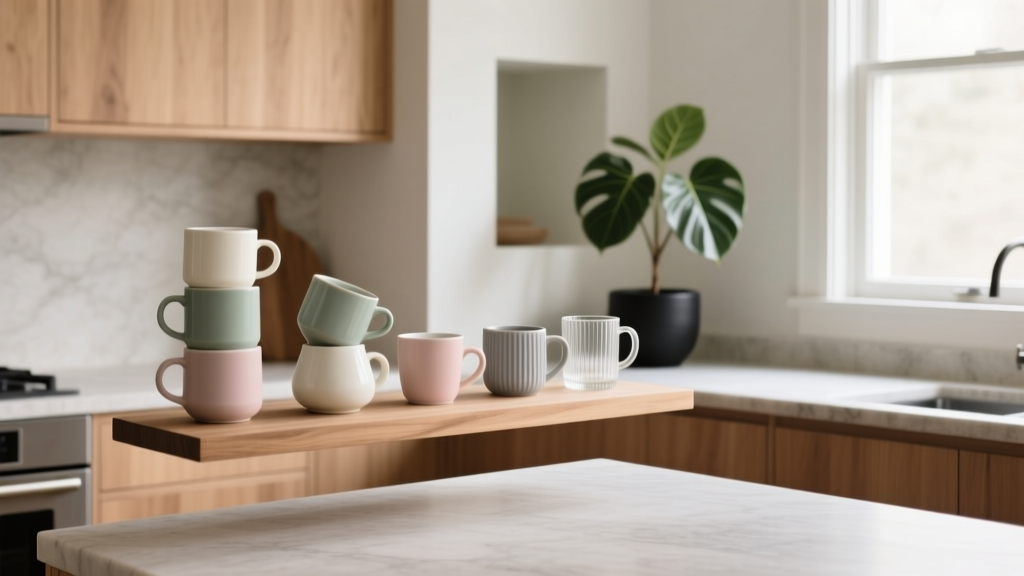 Best Kitchen Mug Display Ideas - The Decor Mag
 Family Dining Tables: Durability Meets Design
 Textiles on a Budget: Smart, Stylish, and Sustainable Kitchen Linen Solutions