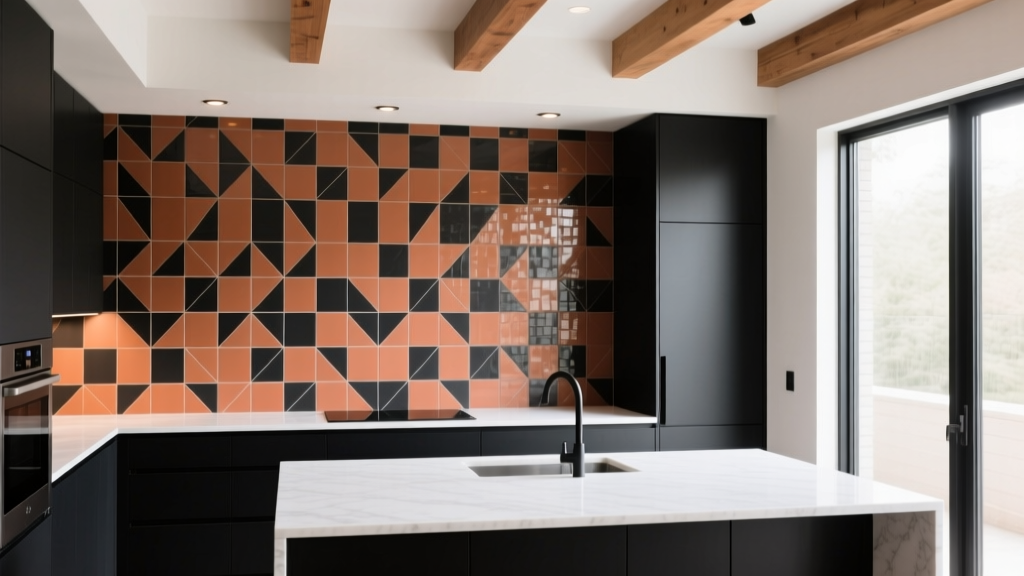
Kitchen Backsplash Ideas That Stand Out - The Decor Mag
A kitchen backsplash is one of the smallest surfaces in your renovation plan, yet it has an outsized impact on how the entire kitchen feels. It’s the visual bridge between countertops and cabinets, the daily splash-guard behind your sink and cooktop, and often the detail that makes a kitchen look “finished” instead of “fine.” When homeowners ask what upgrade delivers the most style per square foot, a standout backsplash is usually near the top of the list.
Beyond aesthetics, backsplash choices affect cleaning time, long-term durability, and even resale appeal. A porous, high-maintenance tile might look beautiful on day one but become frustrating in a busy household. On the other hand, a thoughtfully chosen, easy-care surface can elevate your kitchen design while protecting walls for years. The ideas below balance current kitchen design trends with timeless functionality—so your kitchen renovation feels fresh now and still works hard later.
Backsplash Planning Basics: Measurements, Placement, and Proportions
Standard heights and where to stop
- Typical countertop-to-cabinet backsplash height: 18 inches (may be 15–20 inches depending on cabinet mounting and countertop thickness).
- Behind a range: Many designers extend the backsplash to the bottom of the range hood, or all the way to the ceiling for a focal point.
- Behind a sink: Consider extending higher if you have open shelving or a window ledge that collects splashes.
- Full-height slab backsplash: From countertop to upper cabinets or ceiling—minimal seams, maximum drama.
How much tile to buy (and why waste factors matter)
Measure backsplash area in square feet: length (ft) × height (ft) for each section, then add them together. Purchase extra for cuts and future repairs:
- +10% waste for standard subway or stacked tile layouts
- +15% waste for herringbone, chevron, or diagonal patterns
- +20% waste for mosaics, handmade tile, and complex cuts around outlets
Grout and joint widths that affect the look
- Rectified porcelain: 1/16"–1/8" grout lines for a crisp, modern look
- Ceramic subway tile: 1/8" is common; 3/16" gives a more traditional feel
- Handmade/zellige: 1/8"–3/16" accommodates irregular edges
Material Choices That Turn a Backsplash Into a Feature
1) Classic subway tile—updated with layout and grout
Subway tile remains a timeless kitchen backsplash option because it’s affordable, widely available, and easy to clean. To make it stand out, focus on scale, layout, and grout.
Design approaches:
- Oversized subway: 4"×12", 4"×16", or 3"×12" for a more contemporary look
- Vertical stack: A current kitchen design trend that adds height and a clean rhythm
- Running bond with contrasting grout: Graphic and practical for hiding minor stains
Cost range (installed): $15–$40 per sq. ft., depending on tile quality and labor rates.
Maintenance: Use a stain-resistant grout (or grout additive) and seal cement-based grout annually if recommended by the manufacturer.
2) Porcelain tile—high performance with endless styles
Porcelain is one of the best materials for busy kitchens: dense, low-porosity, and resistant to staining. It can convincingly mimic marble, concrete, terrazzo, or even linen textures.
- Best for: High-traffic family kitchens, rental properties, and low-maintenance remodels
- Trend-forward look: Large-format porcelain (12"×24" or bigger) to reduce grout lines
Cost range (installed): $20–$60 per sq. ft. Large formats can increase labor cost due to handling and wall prep.
Maintenance: Mild dish soap and water; avoid abrasive scrubbers that can dull polished finishes.
3) Natural stone—marble, limestone, slate (beautiful, but needs care)
Natural stone backsplashes offer unmatched depth and variation. Marble is popular in luxury kitchen renovation projects, while slate and honed limestone can create a warmer, organic look.
- Standout idea: Bookmatched stone slabs behind the range for a dramatic focal point
- Practical note: Stone is porous—especially marble and limestone—so it can stain near cooking zones
Cost range (installed): $40–$150+ per sq. ft. (slabs and premium stone are higher).
Maintenance: Use a penetrating sealer (schedule varies by stone and finish), wipe splatters quickly, and avoid acidic cleaners on marble (vinegar, lemon, harsh descalers).
4) Slab backsplash (quartz, quartzite, granite)—sleek and seamless
A full-height slab backsplash is one of the most elevated backsplash ideas for modern kitchens. Matching the countertop material creates a cohesive look and minimizes grout lines.
- Quartz: Uniform and easy-care; great for bright, clean kitchen design
- Quartzite/granite: Natural movement and durability; more variation, often more cost
Cost range (installed): $60–$200+ per sq. ft. Pricing depends on the slab, thickness, and fabrication details (outlet cuts, edges).
Maintenance: Quartz is generally low-maintenance; natural stone slabs may require sealing. Use a non-abrasive cleaner.
5) Zellige and handmade-look tile—texture that catches the light
Handmade and zellige-style tiles are a top backsplash trend because their irregular surfaces create movement and a warm, artisan feel—even in minimalist kitchens.
- Best colors for standout impact: soft white with tonal variation, deep green, inky blue, or warm clay
- Layout tip: Simple stacked or running-bond layouts work best—let the texture be the star
Cost range (installed): $35–$120 per sq. ft., depending on authenticity and labor complexity.
Maintenance: Choose a grout color that complements variation. Seal if recommended, and avoid harsh degreasers that can dull glaze over time.
6) Metal backsplashes (stainless steel, brass, copper)—chef-grade edge
Metal backsplashes bring a professional-kitchen vibe and pair well with modern cabinetry and industrial lighting. Stainless steel is especially practical behind a range.
- Stainless steel sheet: Sleek, sanitary, and heat-resistant
- Brass/copper: Adds warmth; can patina beautifully but requires polishing if you want it shiny
Cost range (installed): $30–$100+ per sq. ft. Custom fabrication can increase costs.
Maintenance: Use cleaners formulated for the metal type. Avoid steel wool on stainless to prevent scratches.
Layouts and Patterns That Make a Backsplash Stand Out
Herringbone and chevron: movement and detail
These patterns instantly read as custom. They’re ideal for a feature zone behind the range or sink.
- Pro tip: Keep grout close in color to the tile if you want the pattern to feel refined rather than busy.
- Budget note: Labor is higher due to cutting and alignment; plan for 15–20% extra tile.
Vertical stack: a modern, height-enhancing look
Vertical stacked tile draws the eye upward, making ceilings feel taller. It pairs well with flat-panel cabinets and minimalist hardware.
- Best tile size: 2"×8", 2"×10", or 4"×12
- Where it shines: Narrow kitchens and galley layouts needing visual lift
Mixed materials: focal point plus practical zones
Combine a bold feature backsplash behind the range with a simpler, budget-friendly tile elsewhere. This approach balances cost, maintenance, and impact.
- Example combo: slab quartz behind the range + classic porcelain subway along the perimeter
- Design rule: Repeat at least one element (color, finish, or grout tone) to keep it cohesive
Color and Finish Ideas for Today’s Kitchens (and Why They Last)
- Warm whites and creamy neutrals: Softer than bright white, works with wood tones and brushed metals
- Earthy greens and clay tones: On-trend but grounded; pairs well with oak, walnut, and black accents
- Glossy finishes: Reflect light—great for smaller kitchens; shows smudges more than matte
- Matte finishes: Modern and calming; choose high-quality tile to avoid chalky appearance
Quick coordination guide:
- If your countertops have bold veining, choose a quieter backsplash (solid or subtle texture).
- If countertops are plain, use the backsplash to add pattern or color.
- Match undertones: warm backsplash with warm countertops/cabinets; cool with cool for a more seamless look.
Budget Considerations: Where to Spend and Where to Save
Typical budget ranges
- Budget-friendly: $300–$1,000 (small kitchen, ceramic tile, standard layout)
- Mid-range: $1,000–$3,000 (porcelain, feature layout, upgraded grout, more cuts)
- High-end: $3,000–$10,000+ (slab backsplash, premium stone, custom fabrication, full-height installs)
Smart splurges
- Upgraded grout: Stain-resistant or epoxy grout in splash-heavy zones
- Full-height behind the range: Creates a focal point without tiling every wall expensively
- Quality trim/edges: Metal Schluter-style edging or well-finished stone edges look custom
Places to save without looking “cheap”
- Use a simple field tile and let lighting, hardware, or paint carry style.
- Choose porcelain marble-look instead of real marble for similar visual impact with less maintenance.
- Limit premium tile to a statement section (range wall) and use affordable tile elsewhere.
Maintenance and Cleaning: Keep the “Standout” Look
- Daily/weekly: Wipe with warm water + mild dish soap; dry to prevent water spots (especially on glossy tile).
- Grease control: Near the cooktop, use a pH-neutral degreaser approved for tile/stone.
- Grout care: Avoid bleach-heavy cleaners that can weaken grout over time; spot-clean with a soft brush.
- Sealing: Cement grout and many natural stones need periodic sealing—follow product specs rather than a one-size schedule.
Common Backsplash Mistakes to Avoid
- Choosing tile before countertops: Countertops are a bigger investment and set the tone. Select countertop first, then backsplash.
- Ignoring outlet placement: Outlets break up patterns. Plan tile layout so outlets land symmetrically or in less noticeable positions when possible.
- Underestimating grout color: Grout can make a tile look modern, rustic, busy, or bland. Test a small board with real grout.
- Skipping wall prep: Large-format tile and slab backsplashes require flatter walls; uneven drywall causes lippage and poor adhesion.
- Too many competing finishes: If you already have veined counters, busy floors, and bold cabinets, a high-pattern backsplash can overwhelm the kitchen.
- Not planning termination points: Decide how the tile ends at cabinet edges, windows, or open walls (trim, pencil tile, metal edge, or wraparound return).
FAQ: Kitchen Backsplash Ideas and Renovation Questions
What’s the easiest backsplash to maintain?
Large-format porcelain tile and slab backsplashes (quartz or well-sealed stone) are among the easiest because they reduce grout lines. Fewer seams usually means faster cleaning.
How high should a kitchen backsplash go?
Standard height is about 18 inches between countertops and upper cabinets. For a standout look, extend tile to the hood or ceiling behind the range, or consider a full-height backsplash for a streamlined, modern kitchen design.
Is epoxy grout worth it?
Epoxy grout costs more and can increase labor time, but it’s highly stain-resistant and great for messy cooking zones. If your kitchen sees heavy use, it can be a smart upgrade.
Can I install backsplash tile over existing tile?
Sometimes, yes—if the existing tile is firmly bonded, relatively flat, and properly cleaned/roughed up. Many pros prefer removing old tile to ensure a flat substrate and avoid thickness issues around outlets and trim.
Should the backsplash match the countertop?
Not necessarily. Matching creates a calm, cohesive look (especially with slab backsplashes). Contrasting can be stunning when done intentionally—aim to coordinate undertones and keep one surface visually quieter.
What backsplash works best behind a gas range?
Heat-resistant, easy-clean materials like porcelain tile, ceramic tile, or stainless steel are reliable choices. Avoid highly porous stone in heavy-splatter zones unless you’re committed to sealing and quick wipe-downs.
Next Steps: Choose a Backsplash That Looks Great and Works Hard
Start by measuring your backsplash areas and deciding where you want the “feature moment”—often the range wall or sink zone. Then pick your countertop (if it’s part of your kitchen renovation), narrow down 2–3 backsplash materials that fit your maintenance preferences, and test tile samples in your kitchen lighting. If you’re using a pattern like herringbone or chevron, confirm your waste factor and labor budget early to avoid surprises.
For more practical kitchen renovation advice, space-saving organization ideas, and timeless home decor inspiration, explore the latest kitchen features on thedecormag.com.
More Articles
 Best Kitchen Paper Towel Holder Options - The Decor Mag
 Best Kitchen Stool and Bar Seating Picks - The Decor Mag
 Wood and Colors Compared: How Species, Finishes, and Pigments Shape Kitchen Design Decisions
 Kitchen Wood Beams Ceiling Design - The Decor Mag
 How to Choose Kitchen Sink Configuration - The Decor Mag
 Friendly vs. Solutions: A Practical, Kitchen-Tested Comparison of Two Leading Countertop Materials
 Warm & Inviting Kitchens: Design Tips (2026)
 Kitchen Honed Marble Countertop Beauty - The Decor Mag
 Best Kitchen Lazy Susan Options - The Decor Mag
 Safety-First Bedroom Inspiration: Essential Design Principles, Verified Products, and Measured Layouts