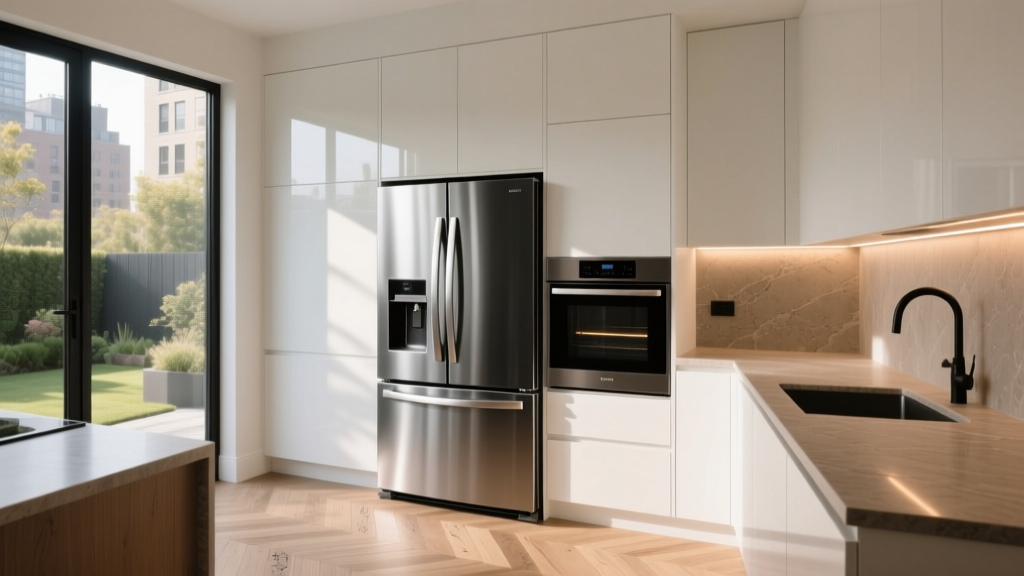
Kitchen Stainless Steel Appliance Guide - The Decor Mag
Stainless steel appliances have become the go-to choice for kitchen renovations because they strike a rare balance: modern style, broad resale appeal, and everyday practicality. Whether you’re planning a full kitchen remodel or simply upgrading a range or refrigerator, stainless steel can help your space feel cleaner, brighter, and more cohesive—especially when paired with the right cabinet finish, hardware, and lighting.
That said, “stainless steel” isn’t a single, one-size-fits-all product. Finishes vary, fingerprints can be a real issue, and mismatched brands can create a patchwork look. This guide breaks down the types of stainless finishes, appliance dimensions and clearance needs, layout planning, cost ranges, maintenance, and the design decisions that make stainless steel feel intentional rather than generic.
Why Stainless Steel Still Wins in Kitchen Design
Kitchen design trends come and go, but stainless steel remains a classic because it works across styles—from contemporary slab-front cabinets to traditional shaker doors. It also complements popular renovation choices like quartz countertops, warm wood tones, mixed metals, and layered lighting.
- Timeless visual neutrality: Stainless reads like a “bridge” between warm and cool palettes.
- Perceived cleanliness: A consistent metallic finish looks crisp with under-cabinet lighting and natural daylight.
- Durability: Quality stainless resists corrosion and holds up well in high-traffic family kitchens.
- Resale-friendly: Buyers often see stainless as an upgrade compared to white or black appliances.
Understanding Stainless Steel Finishes: What You’re Really Buying
Brushed vs. Polished Stainless
Most kitchen stainless is brushed, meaning it has fine grain lines that help disguise minor scratches. Polished stainless is shinier and more reflective, but it shows fingerprints and smudges more readily.
- Brushed stainless: Best for busy kitchens and families; hides wear better.
- Polished stainless: Best for sleek, modern kitchens where you’re comfortable cleaning frequently.
Fingerprint-Resistant Stainless (Worth It?)
Fingerprint-resistant stainless has a clear coating or special texture that reduces visible smudges. It’s a strong choice for households with kids, frequent entertaining, or high-touch areas like refrigerator doors.
Practical recommendation: If your refrigerator is the most-used surface in your kitchen (it usually is), prioritize fingerprint-resistant stainless on that appliance first. You can mix finishes, but try to keep the overall “temperature” and sheen similar.
“Black Stainless” and Trend-Forward Alternatives
Black stainless remains popular in contemporary kitchens, especially with matte black hardware and moody cabinet colors. It can look striking, but it may scratch differently than traditional stainless, and color matching across brands is notoriously inconsistent.
- Best use: Statement kitchens with controlled lighting and a clear style direction.
- Watch out: Brand-to-brand variations can look mismatched even when both claim “black stainless.”
Material Reality Check: Not All “Stainless” Is Equal
Many appliances use stainless on the door skin while sides may be painted steel. That’s normal, especially for refrigerators that sit between cabinets. If the sides will be exposed (end of a run or freestanding), ask whether the unit has stainless sides or plan for a cabinet panel/end panel.
Planning Your Appliance Package: Layout, Sizes, and Clearances
A cohesive kitchen renovation starts with layout planning. Stainless steel appliances look best when they fit properly and align with cabinetry lines and sightlines. Before ordering anything, confirm your measurements—twice.
Standard Appliance Widths (Quick Reference)
- Ranges: 30" standard; 36" pro-style; 48" for luxury/statement cooking zones
- Cooktops: 30" and 36" most common
- Wall ovens: 24", 27", 30" widths (often 30" in North America)
- Refrigerators: 30", 33", 36" common; counter-depth often 36"
- Dishwashers: 24" standard; 18" compact
- Microwaves: 24"–30" wide (built-in, drawer, or over-the-range formats)
Clearance and Workflow Must-Haves
Even premium appliances underperform when they’re crammed into tight spaces. Plan for usability, door swing, and airflow.
- Walkway clearance: 36" minimum; 42"–48" is more comfortable in high-traffic kitchens.
- Work aisles (between cabinets and islands): 42" for one cook; 48" for multiple cooks.
- Refrigerator door swing: Ensure doors open fully without hitting an island or wall; allow space for drawers to pull out.
- Dishwasher clearance: A fully open dishwasher door should not block the main walkway; aim for at least 21" clear in front of it.
- Ventilation spacing: Follow manufacturer specs; many ranges need a specific distance to combustibles and hood mounting height.
Choosing Counter-Depth vs. Standard-Depth Refrigerators
Counter-depth refrigerators create a built-in look and improve kitchen flow by reducing protrusion into walkways. They often sacrifice some capacity compared to standard-depth models.
- Counter-depth: Cleaner lines, better for tighter layouts and islands opposite the fridge.
- Standard-depth: More storage; can project several inches beyond counters—plan around it.
Design tip: If you want the built-in look without built-in pricing, consider counter-depth plus a deeper refrigerator cabinet surround (where feasible) and matching panels/end panels for a custom feel.
Designing Around Stainless Steel: Cabinetry, Countertops, and Hardware
Cabinet Colors That Pair Beautifully with Stainless
- Warm whites and creams: Timeless and bright, especially with brushed stainless.
- Greige and taupe: A popular renovation choice that softens stainless’s cool tone.
- Natural wood or white oak: A top current kitchen design trend; adds warmth and texture.
- Deep navy or forest green: Creates contrast; looks especially sharp with stainless and warm brass accents.
Countertop Pairings (Material Comparisons)
- Quartz: Low maintenance, stain resistant, consistent patterns; great for busy kitchens. Cost commonly $60–$120/sq ft installed.
- Granite: Natural variation, heat resistant; requires periodic sealing. Often $50–$120/sq ft installed.
- Marble: Classic luxury look; etches easily and needs care. Often $80–$200+/sq ft installed.
- Butcher block: Warm and inviting; needs oiling and is more prone to wear. Often $40–$100/sq ft installed.
Practical recommendation: If you love the look of marble with stainless appliances but want less maintenance, choose a quartz with subtle veining and pair it with a honed or matte backsplash tile for a softer, elevated feel.
Hardware and Fixture Finishes (Mixing Metals Without Chaos)
Stainless appliances play nicely with mixed metals—one of today’s most popular kitchen trends—when there’s a clear plan.
- Choose a “primary” metal for cabinet hardware (e.g., brushed nickel, black, or brass).
- Use a “secondary” metal for lighting or plumbing (e.g., warm brass pendants with stainless appliances).
- Repeat each finish at least twice to make it look intentional.
Appliance Recommendations by Kitchen Type (Practical, Not One-Size-Fits-All)
For Busy Family Kitchens
- Fingerprint-resistant stainless refrigerator with easy-clean handles
- Slide-in range for a built-in look without custom cabinetry
- Quiet dishwasher (look for lower decibel ratings if listed; quieter matters in open-concept layouts)
- Counter-depth fridge if the kitchen is a main traffic corridor
For Entertainer-Friendly Kitchens
- 36" range or cooktop if you have the space and cook often
- Wall oven + microwave drawer to free up counter space and improve flow
- Undercounter beverage fridge near the living area to reduce traffic through the main work zone
For Small Kitchens and Condos
- 18" dishwasher or dishwasher drawer when space is tight
- 24" range in compact layouts (verify ventilation and electrical requirements)
- Counter-depth fridge to maintain a clear walkway
- Integrated or built-in microwave to preserve prep space
Budget and Cost Ranges: What Stainless Steel Appliances Typically Cost
Pricing varies by finish, brand tier, features, and availability. Use these ranges to plan your kitchen renovation budget (appliances only, before installation):
- Dishwasher: $500–$1,500 (premium/luxury: $1,500–$2,500)
- Refrigerator: $1,200–$3,500 (built-in: $6,000–$15,000+)
- Range (30"): $800–$3,000 (pro-style 36": $3,000–$10,000+)
- Wall oven: $1,200–$3,500 (double oven: $2,500–$7,000+)
- Microwave: $250–$1,200 (drawer: $900–$1,800)
- Vent hood: $300–$2,500 (custom/statement: $2,500–$8,000+)
Budget planning tip: Set aside 10%–20% of your appliance budget for installation costs, hookups, delivery fees, and any electrical/plumbing adjustments—especially if you’re switching from gas to electric or adding a dedicated circuit.
Maintenance and Cleaning: Keeping Stainless Steel Looking New
Stainless steel is durable, but it rewards the right cleaning method. The wrong products can create hazing, streaks, or micro-scratches.
Everyday Cleaning Routine
- Use a soft microfiber cloth with warm water and a drop of mild dish soap.
- Wipe with the grain (follow the direction of the brushed lines).
- Rinse with a clean damp cloth if needed.
- Dry immediately to prevent water spots.
What to Avoid
- Abrasive pads and powders (they can scratch)
- Chlorine bleach (can damage stainless over time)
- Ammonia-heavy glass cleaners used frequently (may cause streaking and dullness)
Dealing with Fingerprints and Smudges
- Keep a dedicated microfiber cloth in a nearby drawer for quick touch-ups.
- Use a stainless cleaner sparingly and buff with the grain for a uniform finish.
- Consider handle choice: tubular or textured handles can hide fingerprints better than flat polished pulls.
Common Mistakes to Avoid When Choosing Stainless Steel Appliances
- Buying before finalizing the layout: Appliance sizes impact cabinet planning, filler panels, and clearances.
- Mixing stainless finishes blindly: Different brands can vary in tone (cool vs. warm), sheen, and handle style. If possible, view samples in the same lighting.
- Ignoring ventilation: A powerful range needs a properly sized hood and ducting. Under-ventilating is a frequent renovation regret.
- Forgetting door swing conflicts: Refrigerator and dishwasher doors can collide with islands, walls, or each other in tight kitchens.
- Overpaying for features you won’t use: Prioritize performance basics (reliable cooling, even baking, quiet cleaning) over novelty modes.
- Not planning for panels or exposed sides: If the fridge end is visible, confirm whether it’s stainless on the side or budget for an end panel.
FAQ: Stainless Steel Appliances in Kitchen Renovations
Do all stainless steel appliances match?
No. Stainless steel tone and sheen vary by brand and product line. For the most cohesive look, buy a matched appliance package or compare units side-by-side under similar lighting. Handles are often the bigger visual mismatch than the steel itself.
Are fingerprint-resistant stainless appliances harder to clean?
They’re usually easier for day-to-day smudges, but you should still avoid abrasive cleaners. Use mild soap and water, then dry well. Some coatings can look uneven if heavy oils are used, so buff gently with a clean microfiber cloth.
Is stainless steel still on trend for kitchen design?
Yes—especially when paired with warmer materials (white oak, warm whites, natural stone looks) and layered finishes. The current trend is less “all-metal industrial” and more balanced: stainless appliances with warm textures and thoughtful lighting.
What’s the best layout for stainless appliances in an open-concept kitchen?
Focus on a clean sightline wall (often the range wall) and keep the refrigerator from protruding into walkways. Counter-depth refrigeration, a well-centered hood, and consistent handle styles help the kitchen look calm from adjoining living areas.
Should I choose a stainless vent hood or a custom hood surround?
Stainless hoods are timeless and easy to coordinate with stainless appliances. Custom hood surrounds (plaster, wood, or cabinet-matched) are trending and can soften the look—great if you want stainless appliances without a “commercial kitchen” feel.
How long do stainless steel appliances typically last?
Lifespan varies by product category and usage, but many homeowners see roughly 10–15 years from well-maintained major appliances. Reliability and service availability in your area often matter more than a long feature list.
Next Steps: Build a Stainless Steel Plan That Feels Custom
Start by measuring your space, confirming clearances, and deciding what matters most: capacity, cooking performance, quiet operation, or a seamless built-in look. Choose a stainless finish that fits your household (fingerprint-resistant is often worth it), then design around it with warm cabinet tones, durable countertops, and consistent hardware.
If you’re planning a kitchen renovation, bring these details to your designer or contractor:
- Appliance spec sheets (exact model numbers)
- Room measurements and current utility locations
- Desired layout (island vs. peninsula, pantry placement, main work zone)
- Budget range and must-have features
For more renovation planning, kitchen organization ideas, and design-forward appliance styling tips, explore the latest guides and inspiration on thedecormag.com.
More Articles
 Industrial Kitchen Design Inspiration - The Decor Mag
 Best Kitchen Flooring Options for Durability - The Decor Mag
 How to Choose Kitchen Lighting Temperature - The Decor Mag
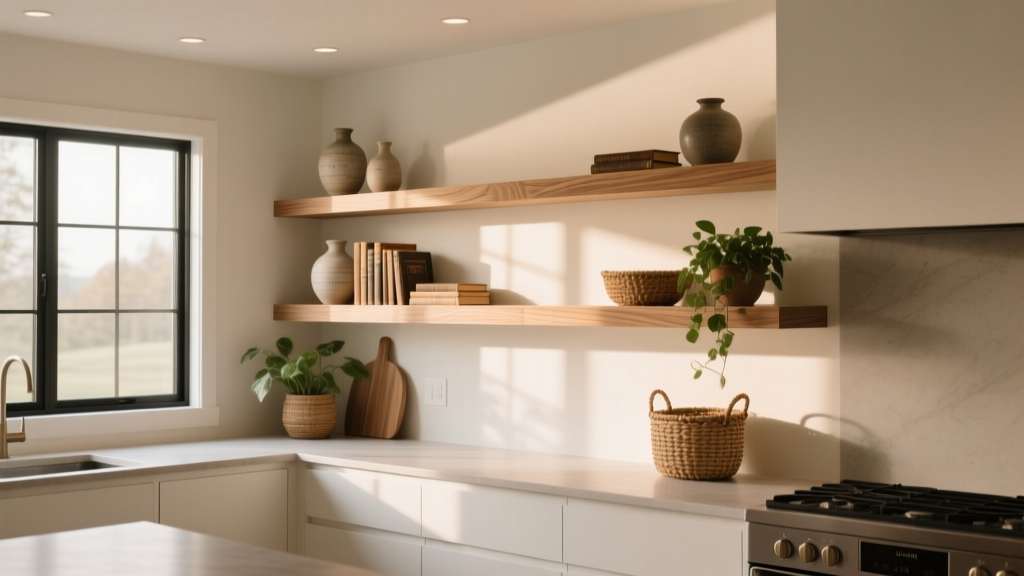 Open Shelf Kitchen Styling Tips - The Decor Mag
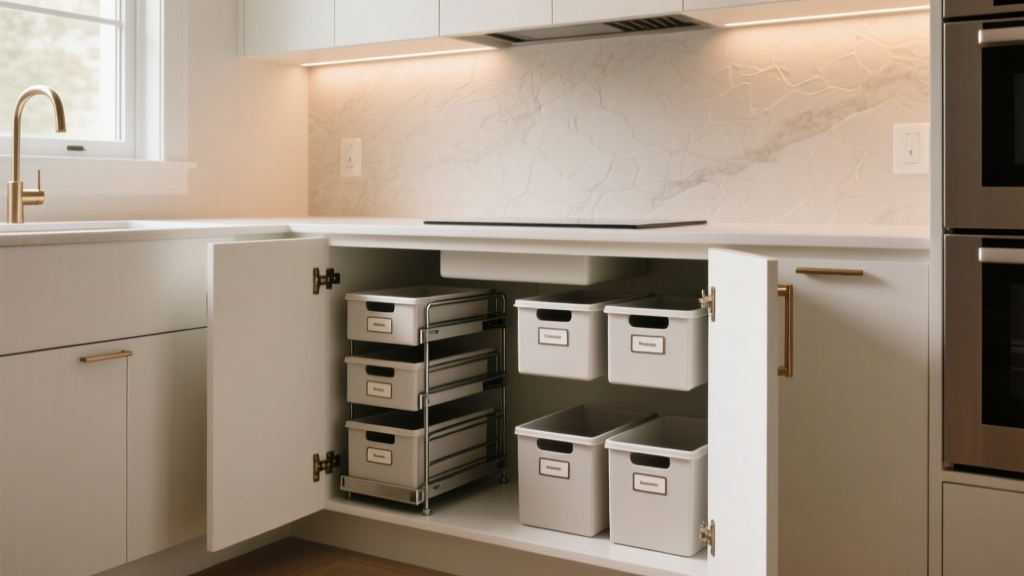 Best Kitchen Under-Sink Organization - The Decor Mag
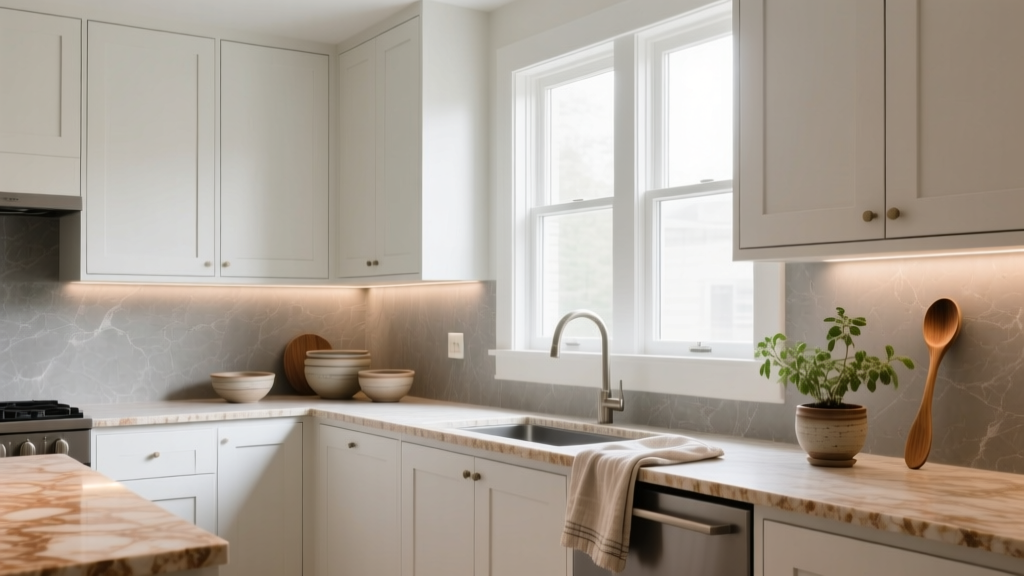 Kitchen Shaker Cabinet Timeless Appeal - The Decor Mag
 Open Kitchen Safety Tips: Practical, Evidence-Based Strategies for Modern Home Cooks
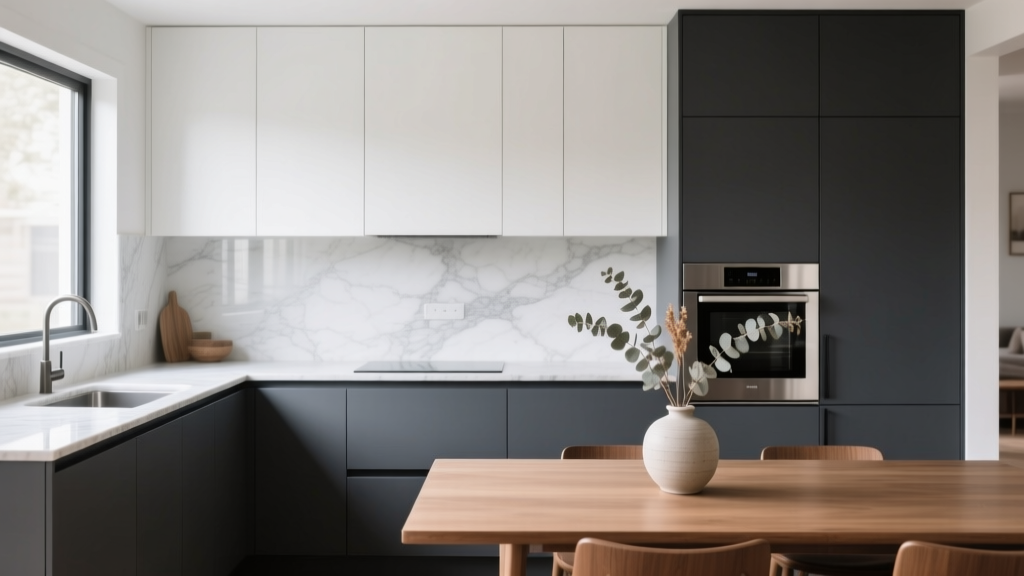 Kitchen Two-Tone Cabinet Ideas - The Decor Mag
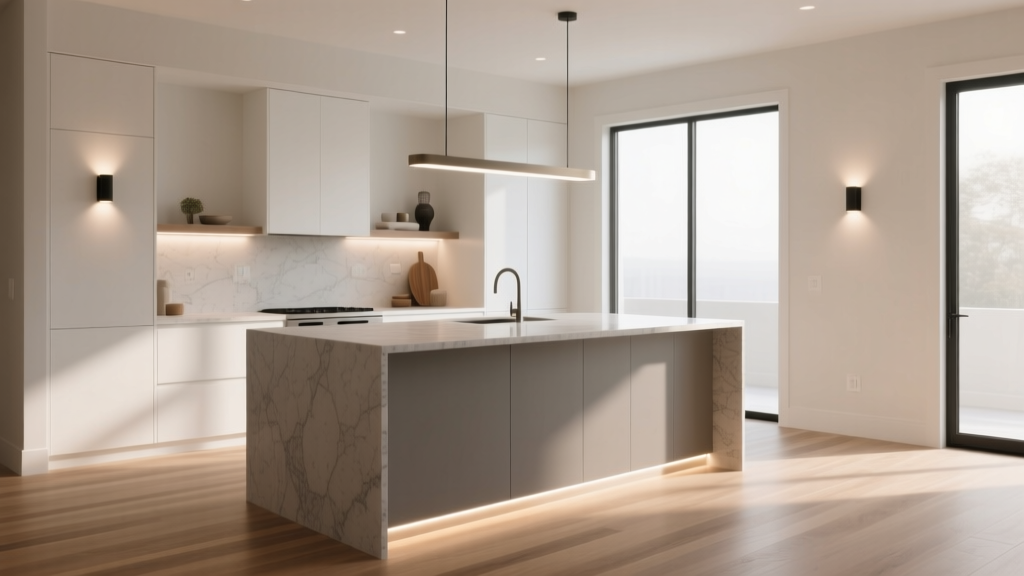 Kitchen Island Size: Choose Right for Your Space (2026)
 Minimalist Alternatives to Essential Kitchen Tools: Smart Substitutions That Reduce Clutter Without Compromising Performance