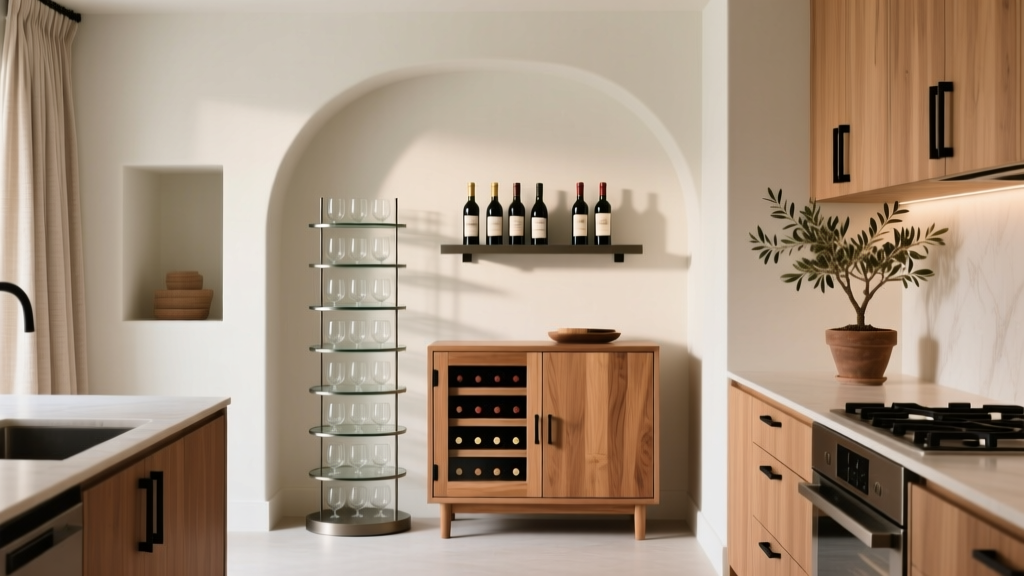
Best Kitchen Wine Storage Solutions - The Decor Mag
Wine storage has moved from the dining room sideboard to the heart of the home. Today’s kitchens are expected to work harder: they’re cooking zones, entertaining hubs, coffee bars, homework stations—and for many homeowners, the place where a favorite bottle should be within easy reach. Thoughtful kitchen wine storage protects your collection, reduces countertop clutter, and makes hosting feel effortless.
During a kitchen renovation (or even a weekend refresh), adding the right wine storage is one of the highest-impact upgrades you can make for daily convenience and resale appeal. The best solutions balance three essentials: temperature stability, safe bottle positioning, and smart placement that doesn’t disrupt workflow. Whether you’re storing six bottles or sixty, the goal is the same—make it look intentional, keep wine in good condition, and integrate it seamlessly into your kitchen design.
This guide covers standout options—from built-in wine fridges and custom racks to pantry-ready organizers—along with measurements, material recommendations, cost ranges, and common mistakes to avoid.
Start With the Basics: What Wine Needs (and What Your Kitchen Offers)
Ideal storage conditions (practical targets)
- Temperature: 45–65°F is generally safe; long-term aging is happiest around 55°F. Kitchens often run warmer, especially near ovens and sunny windows.
- Light: UV light can degrade wine. Keep bottles out of direct sunlight and harsh under-cabinet glare.
- Vibration: Constant vibration can disturb sediment and affect aging. Avoid storing bottles on top of refrigerators or near dishwashers.
- Position: Cork-finished bottles are best stored horizontally (or slightly angled) to keep corks from drying. Screw tops can be stored upright.
- Humidity: 50–70% helps protect corks; most kitchens are drier, which is another reason enclosed storage or a wine cooler can help.
Quick self-check: how much storage do you really need?
Before choosing a solution, estimate your “working collection.” Many homeowners find this simple approach useful:
- Everyday rotation: 6–12 bottles for weekly use and guests.
- Entertaining buffer: Add 6–24 bottles if you host often.
- Special bottles: Add space for gifts, champagne, or aging reds.
Rule of thumb: Plan for 25–40% extra capacity so storage doesn’t overflow onto counters.
Best Built-In Wine Storage Solutions for Renovations
1) Under-counter wine refrigerators (the gold standard)
If you want reliable temperature control in the kitchen, an under-counter wine fridge (also called a wine cooler) is the most practical, renovation-friendly choice. It fits into base cabinetry like a dishwasher and instantly elevates kitchen organization.
Typical dimensions:
- 15-inch wide models: often 20–30 bottle capacity; great for compact kitchens or bar zones.
- 24-inch wide models: often 40–60 bottle capacity; a popular choice for entertaining kitchens.
- Height: Most are designed for standard 34.5-inch counter height with adjustable leveling legs.
- Ventilation: Front-venting is ideal for built-ins; rear-venting units need airflow clearance and are better for freestanding use.
Design trend: Integrated and panel-ready appliances are hot in current kitchen design. Panel-ready wine fridges can blend into modern, minimalist cabinetry, while stainless frames suit transitional and contemporary kitchens.
Cost range (installed):
- Budget: $300–$900 (basic single-zone, smaller capacity)
- Mid-range: $1,000–$2,500 (quieter, better shelves, reliable temp control)
- Premium: $3,000–$8,000+ (panel-ready, dual-zone, advanced humidity control)
Material + feature recommendations:
- Dual-zone cooling if you regularly store both reds and whites (or wine + beverages). If you mostly drink one style, a high-quality single-zone is often enough.
- Wood-front shelves reduce vibration and look warmer than chrome.
- UV-resistant glass doors protect bottles while showcasing labels.
Maintenance tips: Vacuum the grille quarterly, wipe door seals monthly, and avoid overpacking bottles—air circulation helps maintain stable temperatures.
2) Full-height wine walls and tall cabinets (dramatic + functional)
A tall wine cabinet or “wine wall” creates a focal point and adds major storage without sacrificing prep space. This is especially effective in open-concept kitchens where your wine storage becomes part of the decor.
Best layouts:
- Tall pantry-style cabinet: wine racks below, glassware above, and a small counter niche for opening/pouring.
- Wine wall + beverage center: combine a 24-inch wine fridge with adjacent racking and a drawer fridge for mixers.
Measurements to plan around:
- Standard bottle: about 12" long x 3" diameter (allow 3.5–4" per bottle slot for comfortable clearance).
- Champagne bottles: wider diameter; include a few 4–4.5" slots or adjustable cubbies.
- Depth: 12" minimum for standard horizontal racking; 14–15" if you want easier access or larger bottles.
Cost range:
- DIY-ready modular inserts: $150–$800
- Semi-custom cabinet configuration: $1,500–$6,000
- Full custom wine wall: $7,000–$20,000+ (depending on size, lighting, doors, and materials)
3) Island wine storage (space-smart, entertaining-friendly)
A kitchen island can do more than seat guests. Island wine storage is a timeless approach that keeps bottles accessible without crowding perimeter cabinetry.
Best island storage options:
- Horizontal cubbies on the end panel (great for 6–20 bottles).
- Drawer-style bottle storage in a deep base drawer (prevents bottles rolling around).
- Integrated wine fridge on the seating side or prep side for quick pours.
Design tips:
- Place wine storage on the side of the island away from ovens and cooktops to limit heat exposure.
- Allow at least 15–18 inches of drawer depth for bottle-friendly inserts.
- If adding a wine fridge, plan for electrical + ventilation early in your renovation.
Cost range: $200–$1,200 for built-in racking inserts; $1,000–$5,000+ if adding an appliance and cabinetry modifications.
Best Wine Storage Solutions Without a Full Renovation
1) Pantry wine zones (high function, low visual clutter)
Turning a pantry shelf into a dedicated wine zone is one of the easiest kitchen organization wins. It keeps bottles away from heat and light, and it’s perfect for homeowners who prefer a clean countertop.
Recommended setup:
- Bottom shelf placement: reduces vibration and prevents accidents.
- Stackable wine racks (metal or bamboo) to avoid bottles rolling.
- Label system: a simple tag (reds/whites/sparkling) keeps things tidy.
Cost range: $30–$250 depending on rack material and capacity.
2) Countertop and wall-mounted racks (small footprint, big style)
For a compact kitchen, wall-mounted wine racks can add storage without using valuable cabinet space. They also align with current kitchen design trends that favor open shelving—when done sparingly.
Material comparisons:
- Powder-coated steel: durable, modern, easy to wipe clean; great for contemporary kitchens.
- Solid wood (walnut, oak): warm, timeless; best sealed with a durable finish to resist kitchen humidity changes.
- Acrylic: visually light, sleek; shows dust and smudges more easily.
Placement advice: Avoid walls adjacent to ovens or radiators. Keep away from direct sunlight and consider a darker corner near the dining area or beverage station.
Cost range: $40–$400 for most wall or counter racks.
3) Beverage cart or bar cabinet (flexible for renters and entertainers)
A bar cabinet gives you a dedicated wine-and-glassware home without construction. Choose one with enclosed doors if your kitchen gets bright light or if you want a cleaner look.
What to look for:
- Closed storage for bottles + open shelf for frequently used glassware.
- Easy-clean surfaces like sealed wood, quartz-top carts, or metal trays.
- Locking casters for safety and stability.
Cost range: $150–$1,200 depending on materials and brand.
Materials and Finishes That Hold Up in Real Kitchens
Wood vs. metal vs. composite (what works best?)
- Hardwood (walnut, oak, maple): premium feel, less likely to scratch than soft woods; seal with a moisture-resistant finish. Ideal for custom cabinets and wine walls.
- Powder-coated metal: excellent durability, resists rust, works in modern and industrial kitchen design; minimal maintenance.
- Bamboo: budget-friendly and attractive; can warp if exposed to consistent humidity swings—better for pantries than right next to cooking zones.
- MDF with veneer: cost-effective for built-ins; choose high-quality edge banding and avoid wet areas.
Lighting: make it beautiful without damaging wine
- Use LED lighting (low heat, energy efficient).
- Avoid halogen puck lights inside wine cubbies.
- Pick warm white (2700–3000K) for a cozy, upscale look—especially in a beverage station.
Layout Ideas: Where Wine Storage Works Best
1) The beverage station (a trend that’s becoming a staple)
Dedicated beverage stations are a major kitchen renovation trend because they reduce traffic in the main prep zone. Pair wine storage with a small sink, an ice drawer, or a coffee bar for maximum everyday usefulness.
Best pairings:
- 15" wine fridge + 18" cabinet for glassware
- 24" wine fridge + drawer fridge for sodas and mixers
- Wine rack cubbies + pull-out trash/recycling for corks and foils
2) Near (but not inside) the cooking zone
Wine storage should be convenient, but avoid placing it directly next to:
- Ovens and ranges
- Dishwashers (heat + vibration)
- Exterior walls with large temperature swings (in some climates)
If placement options are limited, prioritize a wine fridge for temperature stability.
Budget Planning: What to Spend and Where to Save
- Save on: modular racks for pantries, simple countertop organizers, standard-size 15" wine coolers.
- Spend on: quiet compressors, front-venting built-ins, quality shelving, and cabinet-grade materials for custom wine walls.
- Don’t overspend on capacity you won’t use: a well-placed 24–40 bottle solution often fits real-life needs better than a massive system that eats storage for everyday items.
Realistic budget snapshots:
- $100–$300: pantry rack system + labels + shelf liner
- $500–$1,500: compact wine fridge (freestanding or basic built-in) + small rack
- $2,000–$6,000: under-counter built-in + cabinetry modifications + lighting
- $7,000–$20,000+: full custom wine wall or tall cabinet system with premium finishes
Common Mistakes to Avoid
- Storing wine above the fridge: heat and vibration are hard on bottles, and it’s an awkward, unsafe grab.
- Placing wine storage in direct sunlight: even “decorative” storage near a bright window can damage wine over time.
- Ignoring ventilation for built-ins: a rear-venting unit boxed into cabinetry will run hot, loud, and fail sooner.
- Choosing racks that don’t fit mixed bottle sizes: include a few wider cubbies for champagne and odd-shaped bottles.
- Overdoing open storage: too many visible bottles can look cluttered and collect grease/dust in a busy kitchen.
- Forgetting the workflow: keep wine and glassware near where you serve—ideally away from the main prep triangle to avoid congestion.
Care and Maintenance: Keep Wine Storage Looking Great
- Dust and degrease regularly: kitchen air carries oils. Wipe racks monthly with a mild soap solution; dry thoroughly.
- Protect wood finishes: avoid harsh cleaners; use a damp cloth and dry immediately.
- Check bottle stability: tighten wall rack hardware twice a year and confirm anchors are secure.
- Maintain wine fridges: clean filters/vents, keep the interior dry, and confirm the temperature with a simple fridge thermometer.
FAQ: Kitchen Wine Storage Solutions
What’s the best place in a kitchen to store wine?
A cool, dark spot away from heat and vibration is ideal. Many homeowners get the best results with an under-counter wine fridge in a beverage station or a pantry wine zone on a lower shelf.
Do I really need a wine fridge for kitchen storage?
If you’re storing wine for more than a few weeks—or your kitchen runs warm—yes, a wine fridge is the most reliable way to protect flavor and longevity. For short-term storage of everyday bottles, a pantry rack can be sufficient.
How much clearance do I need for a built-in wine cooler?
Follow the manufacturer’s specs, but in general you’ll need a correctly sized cabinet opening (commonly 15" or 24" wide) and front ventilation for true built-in installation. Leave enough room to fully open the door and pull shelves out comfortably.
Is it okay to store wine upright in the kitchen?
For cork-finished bottles, long-term upright storage can dry the cork and risk oxidation. Store cork bottles horizontally or angled. Screw-top bottles can be stored upright without concern.
What materials are best for kitchen wine racks?
Powder-coated steel is the most durable and low-maintenance. Sealed hardwood is a beautiful, timeless choice for custom cabinetry. Bamboo works well in pantries but may not be as stable right next to cooking zones.
How do I make wine storage look intentional, not cluttered?
Keep visible storage limited to a curated selection, use consistent bottle orientation, and add soft LED lighting. If you have a larger collection, store most bottles behind closed doors or in a wine fridge with a UV-resistant glass door.
Next Steps: Choose the Right Wine Storage for Your Kitchen
Start by measuring your available space and deciding whether you need temperature-controlled storage. If you’re renovating, plan electrical, ventilation, and cabinetry openings early—wine fridges and wine walls work best when designed into the layout from day one. If you’re upgrading without construction, create a pantry wine zone or add a compact rack and keep bottles away from heat and sunlight.
For more kitchen renovation ideas, kitchen organization tips, and design inspiration—from beverage stations to timeless cabinet layouts—explore more articles at thedecormag.com.
More Articles
 Kitchen Island Prep Stations: Summer Party Command Center
 Best Kitchen Appliance Maintenance Schedule - The Decor Mag
 Best Kitchen Small Appliance Storage - The Decor Mag
 Kitchen Patina Brass Faucet Beauty - The Decor Mag
 Kitchen Herringbone Backsplash Installation - The Decor Mag
 Kitchen Window Treatments for Steam & Grease (2026)
 Chef Kitchen Design: Transform Your Space (2026)
 Best Kitchen Lazy Susan Options - The Decor Mag
 Best Kitchen Stool and Bar Seating Picks - The Decor Mag
 Kitchen Unlacquered Brass Hardware Patina - The Decor Mag