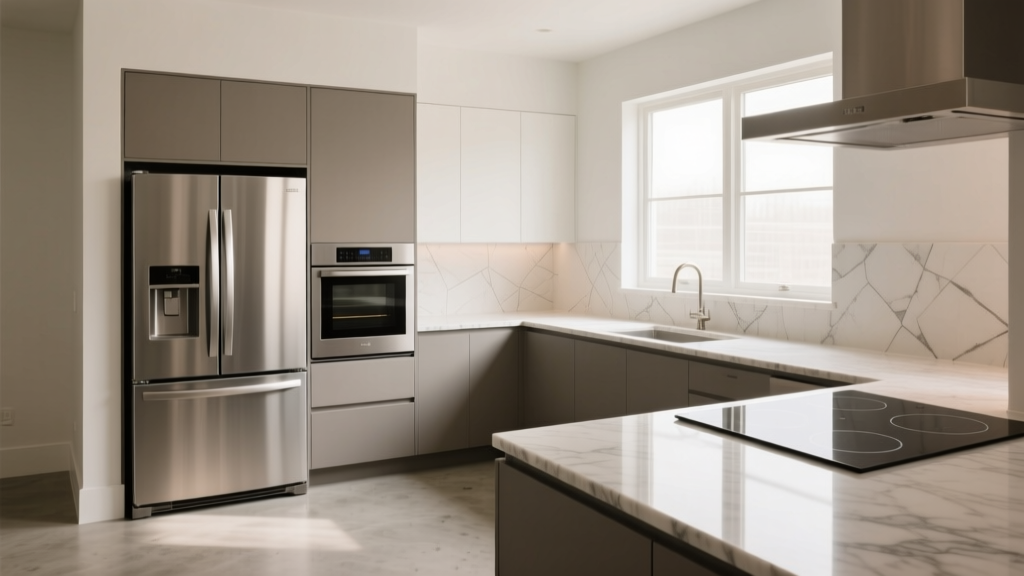
How to Choose Kitchen Appliances That Last - The Decor Mag
Kitchen appliances are some of the hardest-working elements in any home. They’re used daily, asked to perform under heat, moisture, grease, and heavy loads, and they influence how efficiently your kitchen functions from morning coffee to weeknight dinners and holiday hosting. When you’re planning a kitchen renovation (or simply upgrading piece by piece), durability isn’t a “nice to have”—it’s what protects your investment, your time, and your sanity.
Long-lasting appliances also support better kitchen design. Choosing the right sizes, finishes, and configurations can improve traffic flow, reduce clutter, and make your space feel custom even on a modest budget. Pair that with smart maintenance and a realistic plan for future repairs, and you can build a kitchen that looks current while staying functional for years.
This guide breaks down what “lasting” really means, how to evaluate appliance quality, the best materials and layouts for longevity, budget ranges you can plan around, and the common mistakes that shorten appliance life. You’ll also find practical measurements, maintenance tips, and a quick FAQ for renovation planning.
What “Long-Lasting” Appliances Really Mean
Durability is a mix of build quality, correct installation, sensible use, and serviceability. The most reliable kitchen appliances typically share these traits:
- Proven parts and repair access: Readily available components, good service network, and designs that aren’t sealed shut.
- Stable, simple features: Fewer fragile add-ons and gimmicks that fail early.
- Quality materials: Metal where it matters (hinges, rails, racks), robust coatings, and solid insulation.
- Appropriate sizing for the household: Appliances that aren’t constantly overloaded or underused.
A practical benchmark: many homeowners expect 10–15 years from major appliances. Some categories can go longer with the right selection and care (especially ventilation and certain cooktops), while others are more sensitive to water quality, heat, and electronics.
Start With Your Kitchen Layout: Longevity Begins in the Plan
Even the best appliance can fail early if it’s squeezed into the wrong opening, poorly ventilated, or installed without the clearances it needs. Durable kitchen renovation decisions start with layout and accurate measurements.
Key Measurements and Clearances (Use These Before You Buy)
- Range opening: Most freestanding ranges are 30 inches wide; allow a snug fit with manufacturer-recommended side clearance and a heat-safe backsplash.
- Counter depth: Standard is 24 inches deep. “Counter-depth” fridges are typically 24–27 inches deep (box), but doors/handles add more.
- Refrigerator clearance: Plan at least 1 inch on sides and top if recommended, plus room for doors to open without hitting walls or islands. For tight spaces, choose a hinge that allows wider drawer access.
- Dishwasher opening: Standard is 24 inches wide. Ensure the floor is level and the water line and drain hose aren’t kinked.
- Vent hood height: Common guidance is 24–30 inches above electric cooktops and 28–36 inches above gas ranges (always confirm the hood and range specs).
- Aisle spacing: Aim for 36 inches for a one-cook kitchen and 42–48 inches for busy or two-cook kitchens. Better flow reduces bumps, spills, and wear.
Design Trend + Timeless Function: Integrated Looks, Serviceable Installs
Current kitchen design trends favor panel-ready dishwashers and integrated refrigerator columns for a streamlined, “furniture-like” look. You can absolutely embrace this trend while still prioritizing longevity:
- Ensure panels are correctly weighted and aligned to prevent hinge strain.
- Confirm service access—appliances should be removable without dismantling half the cabinetry.
- Choose standardized sizes (24-inch dishwasher, 30-inch range) when possible; odd sizes can make replacements expensive later.
Materials and Finishes That Hold Up (and What to Avoid)
Finish choice isn’t only aesthetics—it impacts scratch resistance, corrosion, and how often you’ll need to replace parts due to rust or wear.
Stainless Steel: The Practical Classic
- Best for: Longevity, resale appeal, timeless kitchen design.
- Look for: Smudge-resistant coatings if you have kids; higher-quality handles and robust door hinges.
- Maintenance: Clean with mild soap and water, wipe with the grain, and avoid abrasive pads.
Matte Finishes (Black, White, “Graphite”): Trendy, Choose Carefully
- Best for: Modern kitchens, contrast with warm wood tones, minimal glare.
- Watch out for: Some matte coatings can show oils or polish unevenly. Verify cleaning guidance and warranty coverage for finish issues.
Interior Materials: Where Durability Really Shows
- Dishwasher tubs: Stainless steel tubs generally resist staining and handle heat better than plastic, and can support better drying performance.
- Oven racks and rails: Heavier-gauge racks glide better and warp less over time.
- Refrigerator shelving: Tempered glass shelves with metal trim tend to feel sturdier and clean up well.
Choose Appliances by Category: What Lasts, What Fails, and What to Prioritize
Refrigerators: Reliability Over Novelty
Refrigerators run 24/7, so small inefficiencies and weak components show up quickly. For longevity, prioritize a strong cooling system and durable door construction.
- Top durability picks: Simple French-door or top-freezer designs with fewer motorized features.
- Be cautious with: Complex door-in-door gimmicks, multiple ice makers, and heavily electronic touch panels—more parts mean more failure points.
- Water and ice: If you want a dispenser, plan for filtered water and replace filters on schedule to prevent clogging and leaks.
Typical cost range: $900–$2,500 for most quality options; $3,000–$8,000+ for built-ins or columns.
Ranges, Cooktops, and Wall Ovens: Build Quality You Can Feel
Cooking appliances take direct heat, impact, and frequent cleaning. Long-lasting performance comes from sturdy grates, stable burners/elements, and even heat control.
- Gas ranges: Look for heavy continuous grates, sealed burners for easier cleaning, and solid knobs (metal feels better than thin plastic).
- Induction cooktops: A strong choice for modern kitchen renovations—fast, efficient, easier on the kitchen temperature, and no open flame. Choose models with robust glass and good pan detection.
- Wall ovens: Consider simpler control layouts for longevity. Verify replacement part availability for control boards.
Typical cost range:
- Freestanding ranges: $800–$3,500
- Induction cooktops: $1,200–$4,000
- Wall ovens: $1,500–$4,500 (double ovens $2,500–$7,000+)
Dishwashers: Focus on Quiet, Drying, and Leak Protection
A dishwasher that lasts protects your cabinetry as much as your dishes. Water leaks are one of the fastest ways to turn a small appliance issue into a costly kitchen renovation repair.
- Prioritize: Stainless tub, solid racks with metal-reinforced tines, and a reputable leak-detection system (auto shut-off is a plus).
- Look for: A filter that’s easy to access and clean, plus strong door hinges.
- Noise level: 38–48 dBA is considered quiet; quieter machines tend to be better insulated, which can correlate with a more premium build.
Typical cost range: $600–$1,500 for most homeowners; $1,600–$2,500+ for premium or panel-ready models.
Ventilation: The Most Underrated “Appliance” for Longevity
Ventilation is a kitchen design decision that protects everything else—cabinets, walls, air quality, and even appliance performance. Grease and moisture shorten the life of finishes and electronics.
- Choose a hood sized to the cooktop: Ideally the hood is as wide as the cooking surface (often 30 inches or 36 inches).
- Ducted is best: Ducting to the exterior generally performs better than ductless recirculating, especially for serious cooks.
- Maintenance: Clean filters monthly if you cook often; grease buildup stresses the motor.
Typical cost range: $300–$1,200 for many under-cabinet or chimney hoods; $1,200–$3,500+ for premium inserts and custom hood liners (plus installation/ductwork).
Product and Design Approaches That Age Well
Instead of chasing the newest feature set, build your kitchen appliance plan around timeless functionality and easy organization.
Practical “Buy It Once” Recommendations
- Prioritize performance basics: temperature stability, strong door seals, sturdy racks, effective ventilation, and easy-to-clean surfaces.
- Choose standard widths: 24-inch dishwasher, 30-inch range/cooktop, 36-inch fridge where space allows. Standard sizing simplifies future replacements.
- Create an appliance landing zone: Provide 15 inches of countertop landing space near the fridge and oven if possible. Less crowding equals fewer dings and better workflow.
- Plan for small appliance organization: Appliance garages, pull-out shelves, or a dedicated coffee station reduces clutter and prevents cord/heat damage.
Smart Features: Helpful When They’re Passive
Smart appliances can be useful, but the more complex the interface, the more you’re relying on boards, sensors, and software support. For longevity, favor “quiet” smart features:
- Leak alerts (dishwasher) and diagnostic codes
- Temperature alerts (refrigerator/freezer)
- Simple app controls rather than a fragile, oversized screen
Budget Planning: Where to Spend and Where to Save
A durable kitchen renovation budget balances performance and future repairability. Here’s a practical way to allocate funds:
- Spend more on: ventilation, dishwasher (leak protection + racks), and your primary cooking appliance (range/cooktop/oven) if you cook often.
- Spend moderately on: refrigerator—pay for better cooling and layout, not just a bigger screen or extra ice features.
- Save on: secondary appliances you use lightly (microwave drawer vs. standard microwave, warming drawers) unless your lifestyle demands it.
Bundle pricing: Appliance packages can offer savings, but don’t let a discount force you into a weak dishwasher or an oversized fridge that doesn’t fit your kitchen layout. Mix-and-match is often the better long-term value.
Maintenance Habits That Add Years to Appliance Life
Small routines prevent the most common failures—overheating, leaks, corrosion, and strain on motors.
- Refrigerator: Vacuum coils (where accessible) every 6–12 months; keep door gaskets clean; don’t block interior vents with tall containers.
- Dishwasher: Clean the filter every 2–4 weeks; run a cleaning cycle monthly; check spray arms for debris; don’t overload racks.
- Range/oven: Wipe spills promptly; avoid harsh abrasives on enamel; confirm gas burners are seated properly to prevent uneven flame and soot.
- Vent hood: Clean or replace filters regularly; listen for changes in motor noise (a sign it’s struggling).
Common Mistakes That Shorten Appliance Lifespan
- Buying before measuring: Not accounting for door swing, handle depth, or ventilation clearances leads to overheating and daily frustration.
- Ignoring ventilation: Skipping a quality hood (or relying on ductless when you cook heavily) increases grease buildup and moisture damage.
- Overloading circuits or using improper hookups: Poor electrical planning can cause nuisance trips, control board stress, or unsafe conditions.
- Choosing trendy features over serviceability: Complex screens and specialty dispensers can be expensive to repair and prone to failure.
- Not planning for future replacement: Custom openings without filler panels can make the next appliance upgrade far harder and more costly.
- Skipping maintenance: Clogged filters, dirty coils, and neglected gaskets can turn a solid appliance into an early replacement.
FAQ: Choosing Long-Lasting Kitchen Appliances
How long should kitchen appliances last in a well-designed kitchen?
Many major appliances fall in the 10–15 year range with good installation and maintenance. Vent hoods and some cooktops can last longer; refrigerators and dishwashers are more sensitive to water quality, airflow, and electronics.
Is stainless steel always the best finish for durability?
Stainless steel remains a top choice for longevity and timeless kitchen design, but a well-made matte finish can also hold up. Focus on the quality of the coating, handle construction, and cleaning recommendations rather than color alone.
Should I choose panel-ready appliances for a renovated kitchen?
Panel-ready appliances look seamless and align with current kitchen design trends, but ensure proper ventilation and service access. Use experienced installers to prevent hinge strain and alignment problems over time.
What’s the most common cause of dishwasher failure or damage?
Clogged filters, poor loading, and unnoticed leaks are major culprits. Choose a model with strong leak protection, clean the filter regularly, and avoid harsh detergents that can degrade seals.
Do smart appliances last as long as non-smart models?
They can, but reliability depends on complexity. Models with simple interfaces and practical alerts (leak, temperature) tend to age better than those relying on large touchscreens and intricate software features.
What’s a smart way to plan appliance upgrades if I can’t renovate all at once?
Start with the appliance that improves daily function the most—often the dishwasher or range—then plan replacements around standard sizes and finishes. Keep a file of model numbers, cutout dimensions, and installation notes so future swaps are straightforward.
Next Steps: Build a Kitchen That Works for Years
To choose kitchen appliances that last, start with a layout that supports airflow and service access, then select durable materials and proven configurations over fragile novelty. Commit to a few maintenance habits—filters, coils, seals—and your appliances will reward you with quieter operation, fewer repairs, and a kitchen that stays organized and enjoyable.
Before you purchase, do these three things:
- Measure openings and clearances (including door swing and handle depth).
- Match appliances to your cooking habits (heavy cooking needs strong ventilation and sturdy cooking gear).
- Plan for replacement and repair by sticking to standard sizes and ensuring service access.
For more renovation guidance, appliance planning tips, and timeless kitchen design ideas, explore the latest on thedecormag.com.
More Articles
 Best Kitchen Island Ideas for Every Size - The Decor Mag
 Kitchen That Grows With Your Family (2026)
 Kitchen Mixed Material Countertop Design - The Decor Mag
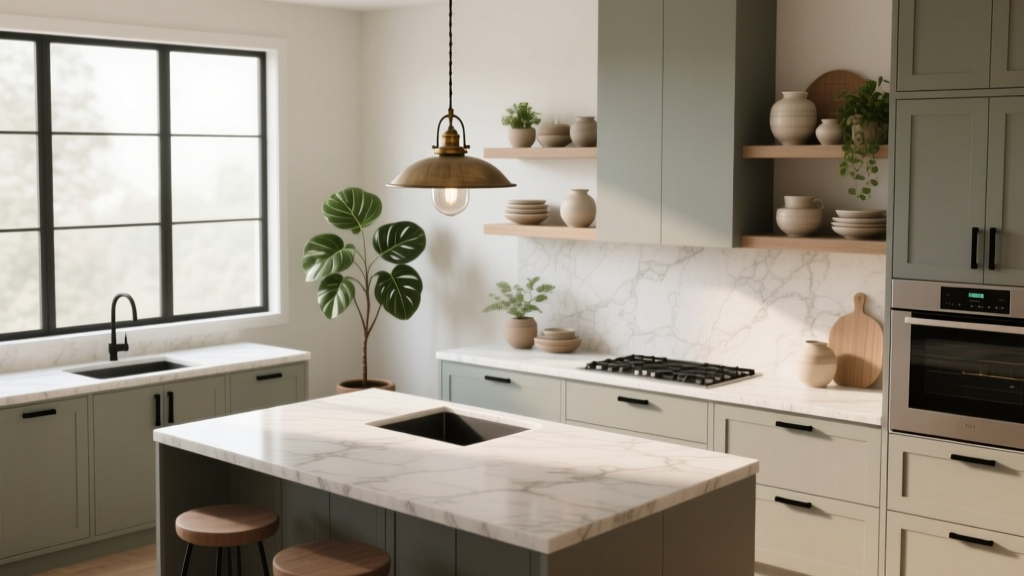 Kitchen Style & Function: Design Tips (2026)
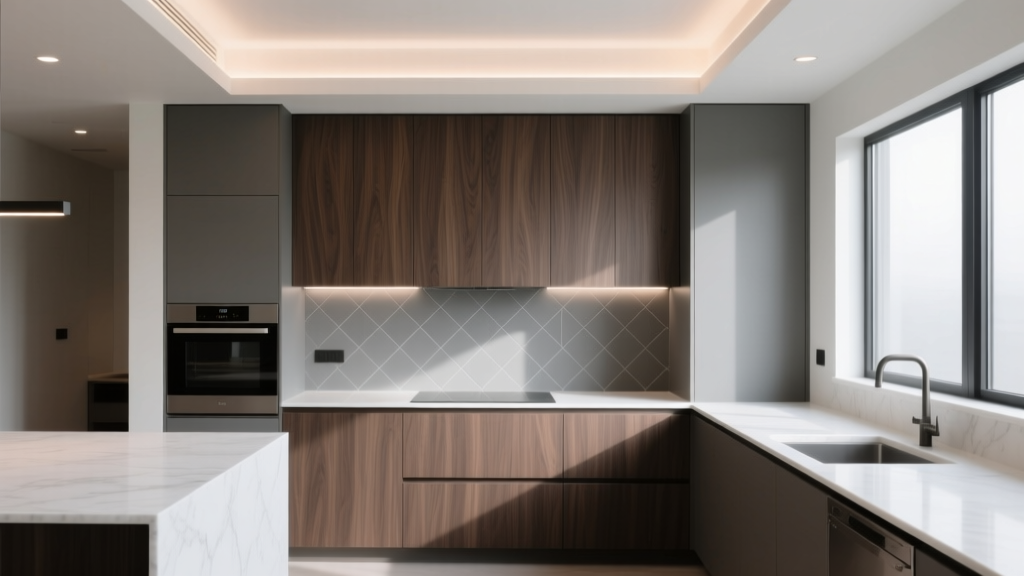 Kitchen Cabinet Finish Durability (2026)
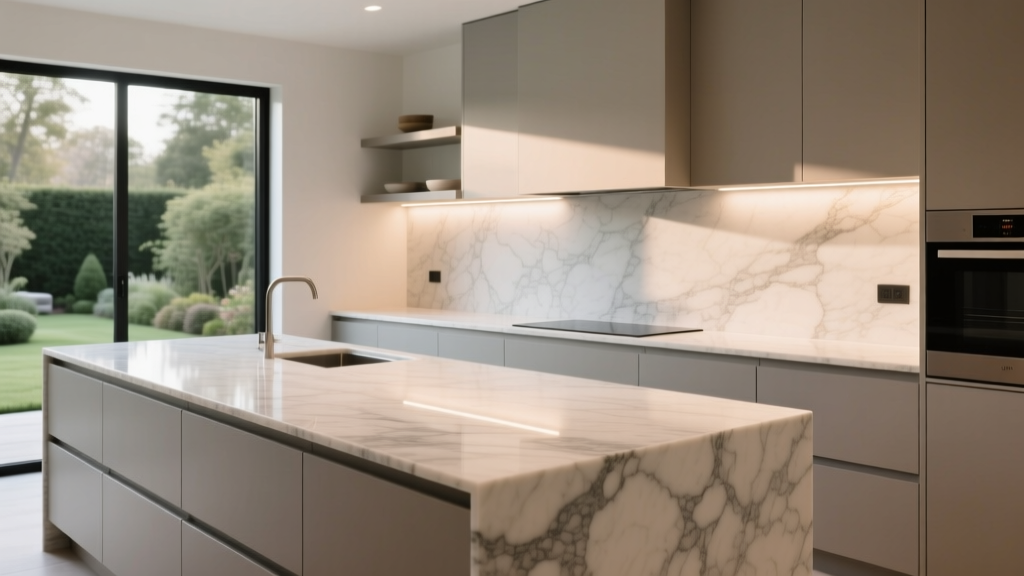 Kitchen Marble Countertop Pros and Cons - The Decor Mag
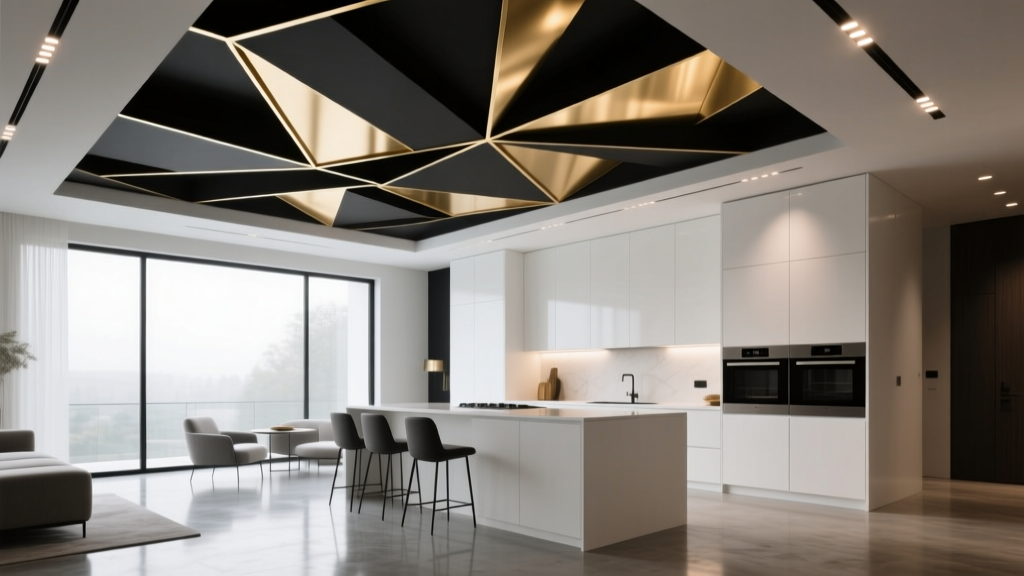 Kitchen Statement Ceiling Design Ideas - The Decor Mag
 Wall Trends 2026: Material Innovation, Adaptive Surfaces, and Human-Centered Design in Residential Kitchens
 Best Kitchen Wrap Storage Solutions - The Decor Mag
 How to Choose Kitchen Countertop Thickness - The Decor Mag