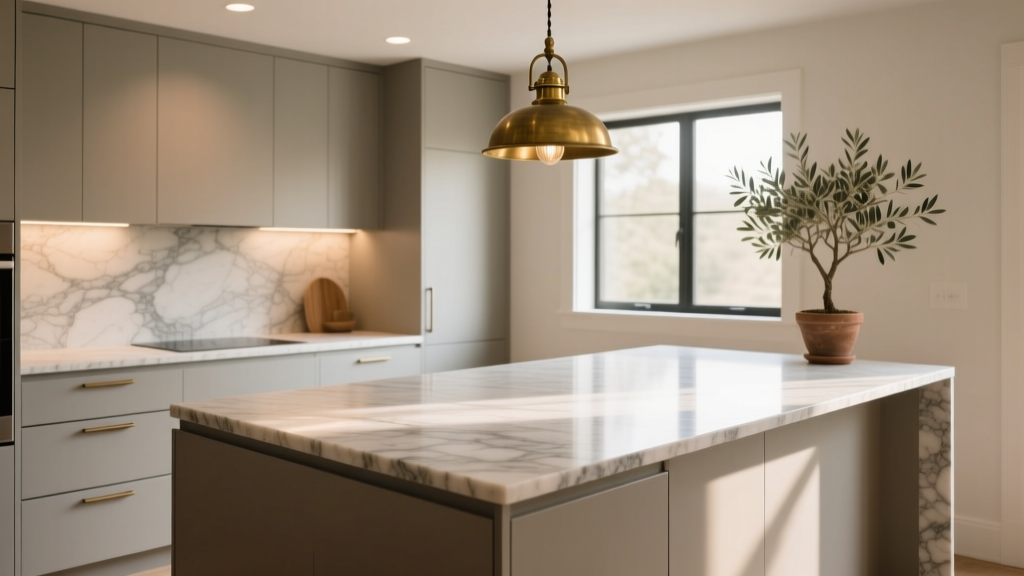
Kitchen Honed Finish Countertop Appeal - The Decor Mag
If your kitchen renovation wish list includes a space that feels inviting, looks elevated, and actually works for real life, the countertop finish deserves more attention than it typically gets. While most homeowners focus on the stone type—quartz vs. granite vs. marble—the finish (polished, honed, leathered) can shape everything from daily maintenance to how your cabinets and lighting read in the room.
A honed finish countertop has a smooth, matte surface with minimal shine. It’s increasingly popular in today’s kitchen design trends because it feels calm and modern, pairs beautifully with warm wood tones and soft whites, and hides certain everyday marks better than high-gloss surfaces. For families, avid cooks, and anyone aiming for a “designed but livable” kitchen, honed counters offer a balance of understated luxury and practical performance.
This guide breaks down what honed countertops are, which materials perform best, how to design around them, what they cost, and how to maintain them—so you can make a confident decision that fits your renovation budget and your lifestyle.
What Is a Honed Finish (and Why It Looks So Good)?
A honed finish is created by grinding the surface of stone (or certain engineered materials) to a smooth, flat feel without polishing it to a reflective shine. The result is a matte to satin appearance that softens patterns and reduces glare.
Honed vs. Polished vs. Leathered: Quick Comparison
- Honed: Matte/satin, smooth to the touch, subtle pattern, lower glare.
- Polished: Glossy, reflective, enhances color and veining, can show smudges more.
- Leathered: Low-sheen with texture, great grip and character, texture can trap crumbs if not wiped well.
Why homeowners love honed finish countertops
- Modern, relaxed look: Works in contemporary, transitional, and even classic kitchens.
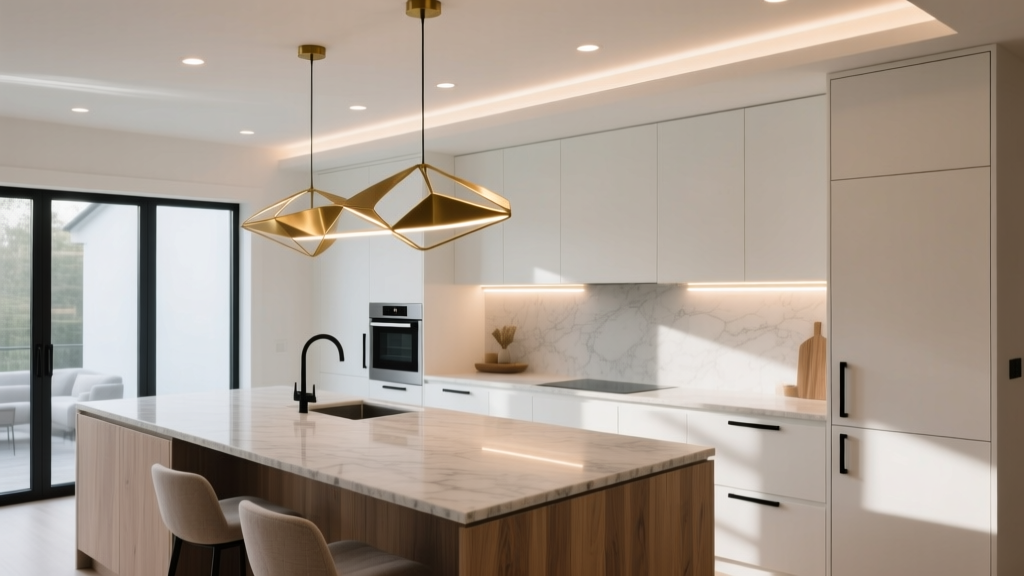
- Less glare under lighting: Especially helpful with abundant recessed lights or big pendants.
- Softens bold veining: Marble-look designs become more refined and less “busy.”
- Pairs well with current trends: White oak cabinetry, warm neutrals, mushroom tones, brushed brass, and unlacquered finishes.
Best Materials for a Honed Finish Countertop
Not every countertop material performs the same when honed. Some become more porous, some show oil darkening, and others are nearly carefree. Use this section as your short list when planning a kitchen renovation.
Quartz (Engineered Stone): Best for Low Maintenance
Many quartz brands offer matte or “suede” finishes that mimic honed stone. If you want the honed look with simpler upkeep, this is often the sweet spot.
- Pros: Non-porous, stain resistant, no sealing, consistent slabs.
- Watch-outs: Some matte quartz can show fingerprints or “ghosting” in certain lighting; heat resistance is limited (use trivets).
- Best for: Busy households, rental properties, and anyone prioritizing easy cleaning.
Granite: Durable and Forgiving in a Honed Finish
Granite is naturally tough, and a honed finish can make it feel more contemporary. Darker granites are especially forgiving for everyday use.
- Pros: Heat resistant, scratch resistant, timeless durability.
- Watch-outs: Still needs sealing; some lighter granites can stain if neglected.
- Design tip: Pair honed black granite with white oak cabinets and aged brass for a high-end, trend-forward look.
Marble: Unmatched Beauty, Higher Patina Potential
If your dream kitchen includes dramatic veining and a soft, European feel, honed marble is a classic choice. It will patina—often faster than polished marble—because etches blend into the matte surface and become part of the character.
- Pros: Iconic luxury, cool surface for baking, timeless appeal.
- Watch-outs: Etching from acids (lemon, vinegar) is inevitable; requires sealing and realistic expectations.
- Best approach: Use marble on a lower-traffic island or baking station, and choose a more durable perimeter countertop if needed.
Quartzite: Natural Stone That Bridges Beauty and Strength
Quartzite offers a natural-stone look with better durability than marble in many cases. In a honed finish, it reads sophisticated and less glossy.
- Pros: Strong, heat resistant, often more etch resistant than marble.
- Watch-outs: Can still stain if not sealed; pricing can be premium; slab variation is significant.
Soapstone: Deep, Moody, and Practical
Soapstone is naturally non-porous and often used in a matte/honed style. It darkens over time and can be oiled to deepen color.
- Pros: Naturally stain resistant, excellent for high-use kitchens, soft patina.
- Watch-outs: Softer stone—can scratch (scratches can be sanded out); limited color range.
Designing With Honed Countertops: Layout, Edges, and Styling
Honed finishes thrive when the rest of the kitchen design supports their softer, quieter presence. These decisions make the honed look intentional rather than “unfinished.”
Choose the Right Thickness (and Where to Splurge)
- Standard thickness: 2 cm or 3 cm slab (most common in the U.S.).
- Premium look: A 3 cm slab or a laminated edge to simulate a thicker profile.
- Waterfall edge: A honed waterfall island feels architectural and on-trend, but it increases material and labor costs.
Practical tip: If you want a thicker, custom look without a full waterfall, consider a mitered edge (often built to 4–6 cm). It’s a focused splurge that elevates the kitchen.
Edge Profiles That Complement a Matte Surface
- Eased edge: Clean, minimal, great for modern and transitional kitchens.
- Small radius (rounded) edge: Softens the look and feels comfortable for kids.
- Ogee edge: More traditional; works best if the rest of the kitchen is classic.
Island and Walkway Measurements That Improve Function
A beautiful honed countertop won’t matter if the kitchen doesn’t flow. Use these renovation-friendly guidelines:
- Clearance around island: Aim for 42 inches minimum; 48 inches is ideal for multiple cooks.
- Seating overhang: 12 inches minimum per stool; 15 inches is more comfortable for knees.
- Stool spacing: Plan 24 inches per seat to avoid crowding.
- Countertop depth: Standard is 25–25.5 inches including overhang; deeper counters (up to 27") can help hide small appliances.
Color Pairings and Cabinet Finishes Trending Now
- Honed black + white oak: Warm, modern, and timeless.
- Soft white/greige honed quartz + painted cabinets: A safe, bright renovation choice that suits resale.
- Honed marble-look quartz + warm metals: Brushed brass, champagne bronze, or patinated hardware.
- Honed soapstone + creamy cabinets: Cozy, elevated cottage or classic-inspired kitchens.
Recommended Design Approaches and Product Ideas
These recommendations help the honed finish shine—without making the kitchen fussy.
Backsplash Choices That Work With Matte Countertops
- Full-height slab backsplash: Seamless, easy to wipe, and high-end (best for quartz, granite, quartzite).
- Handmade-look ceramic tile: Adds texture to balance the smooth honed surface.
- Simple 3x12 or 4x4 tile: Timeless and budget-friendly, especially in warm white or soft greige.
Faucets and Hardware Finishes
- Brushed nickel: The most versatile “always looks clean” option.
- Brushed brass/champagne bronze: Warms up matte counters and fits current kitchen design trends.
- Matte black: Strong contrast; looks best when repeated (lighting, cabinet pulls, or window frames).
Organization Upgrades That Make a Bigger Impact Than Another Decor Item
- Pull-out trash/recycling: Keeps the honed surface clear and reduces clutter near the sink.
- Drawer dividers: Prevents countertop pileups (mail, utensils, chargers).
- Appliance garage or pocket doors: Hides coffee gear and toasters; ideal if you chose a statement honed stone.
- Under-cabinet lighting: Makes honed surfaces look rich and intentional at night; aim for warm white (around 2700K–3000K).
Cost Ranges and Budget Considerations
Countertop pricing varies by region, slab selection, edge detail, and installation complexity. These ranges are general planning numbers for a kitchen remodel.
Typical Installed Cost per Square Foot
- Honed quartz (matte finish): $60–$120/sq ft installed
- Honed granite: $50–$120/sq ft installed
- Honed marble: $80–$200+/sq ft installed
- Honed quartzite: $90–$250+/sq ft installed
- Soapstone (typically honed): $80–$200/sq ft installed
What pushes the budget up (fast)
- Waterfall edges: Adds material and fabrication labor
- Mitered thickness: Premium detailing and skilled fabrication
- Cutouts: Multiple sink cutouts, cooktop cutouts, or custom drainboards
- Exotic slabs: Rare patterns, high movement, limited availability
Budget-smart strategies without sacrificing the honed look
- Use a statement slab on the island and a simpler, durable option on the perimeter.
- Choose a standard eased edge instead of complex profiles.
- Skip the waterfall and invest in better lighting and storage—your kitchen will feel more expensive day to day.
Maintenance and Cleaning: Keeping Honed Counters Looking Their Best
Honed surfaces reward consistent, gentle maintenance. The goal is to prevent staining and preserve the even matte appearance.
Daily care (works for most materials)
- Wipe with a microfiber cloth and warm water.
- Use a pH-neutral stone cleaner for natural stone (avoid vinegar, bleach, and abrasive powders).
- Clean spills quickly—especially oil, wine, coffee, and citrus.
Sealing guidance for honed natural stone
- Granite/quartzite/marble: Seal at installation, then typically every 6–24 months depending on stone porosity and use.
- Soapstone: Usually does not require sealing; optional mineral oil can deepen color and even out patina.
Simple test: Place a few drops of water on the surface. If it darkens within a few minutes, it’s time to reseal (natural stone only).
Preventing etching and darkening (especially with honed marble)
- Use cutting boards and trays near prep zones.
- Keep a small “spill kit” handy: microfiber cloth + gentle cleaner.
- Consider a honed finish as a patina-friendly choice—minor marks blend rather than glaring under shine.
Common Mistakes to Avoid
- Choosing honed marble without accepting patina: If you want a countertop that stays pristine, opt for matte quartz or honed granite/quartzite instead.
- Skipping samples in your lighting: Matte finishes can read warmer or flatter depending on bulbs. View a large sample near windows and under your evening lighting.
- Assuming all “matte” quartz is identical: Some show fingerprints more than others. Ask to see a full slab or a large sample and test with a little water and oil (per vendor guidance).
- Overcomplicating edges and seams: Honed counters look best with clean detailing. Complex edges can feel mismatched with the finish.
- Using harsh cleaners: Acidic or abrasive products can damage natural stone and leave uneven spots on matte finishes.
FAQ: Kitchen Honed Finish Countertops
Do honed countertops stain more easily than polished?
On natural stone, honed surfaces can appear to stain more easily because the matte finish may show darkening when oils absorb. Proper sealing and quick wipe-ups help significantly. On quartz, staining isn’t typically an issue because it’s non-porous.
Are honed countertops harder to clean?
Not necessarily. They often show less glare and fewer obvious streaks than polished surfaces. The key is using a gentle cleaner and microfiber cloth, especially for natural stone.
Will a honed finish scratch more than polished?
The finish doesn’t automatically mean it scratches more; the material matters most. Softer stones (like soapstone and many marbles) scratch more than granite or quartzite. Quartz is scratch resistant but not scratch proof.
Can you refinish a countertop from polished to honed?
Sometimes, yes—especially with natural stone—through professional refinishing. It depends on the material and condition. It’s best to consult a stone fabricator; DIY attempts often lead to uneven sheen.
What sink styles look best with honed countertops?
Undermount sinks are the most common for a clean, modern look and easy wipe-in cleanup. For a more traditional style, a fireclay farmhouse sink pairs beautifully with honed black or soft white countertops.
Next Steps: How to Choose the Right Honed Countertop for Your Kitchen
To make your renovation decision easier, follow this short plan:
- Start with lifestyle: If you cook daily and want low maintenance, prioritize matte quartz, honed granite, or quartzite.
- Pick your “hero surface”: Decide whether the island or perimeter counters will be the statement.
- Confirm layout measurements: Aim for 42–48 inches of island clearance and 24 inches per stool for comfortable seating.
- Bring home samples: View them morning and night under your actual lighting.
- Ask about sealing and care: Get written maintenance guidance from your fabricator so there are no surprises.
A honed finish countertop can make a kitchen feel more intentional, warmer, and more livable—especially when paired with smart storage, good lighting, and a layout that supports how you actually use the space.
Explore more kitchen renovation ideas, countertop guides, and organization upgrades at thedecormag.com.
More Articles
 Best Kitchen Compost Bin Options - The Decor Mag
 Kitchen Sink Styles and Materials Compared - The Decor Mag
 Kitchen Statement Ceiling Design Ideas - The Decor Mag
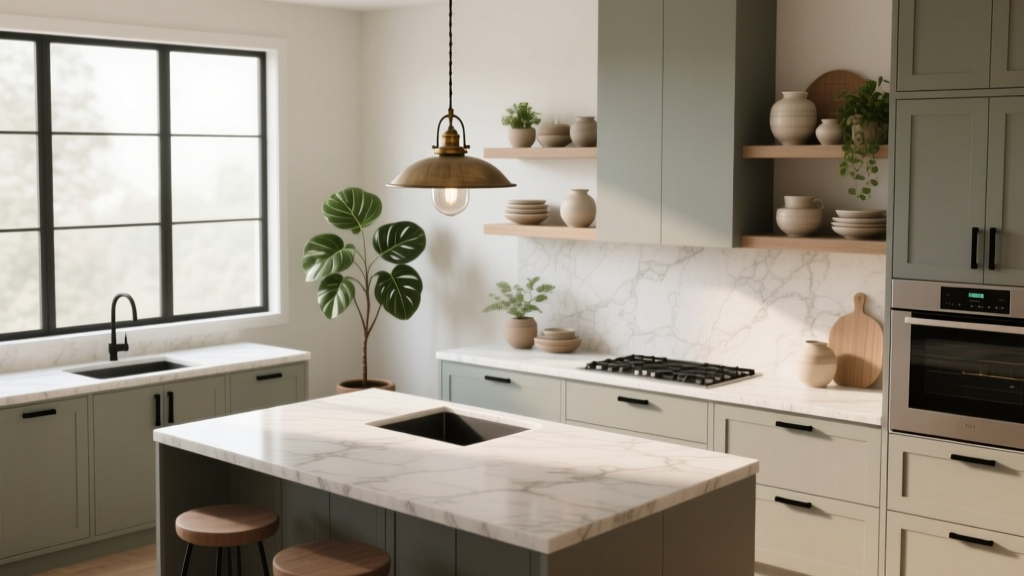 Kitchen Style & Function: Design Tips (2026)
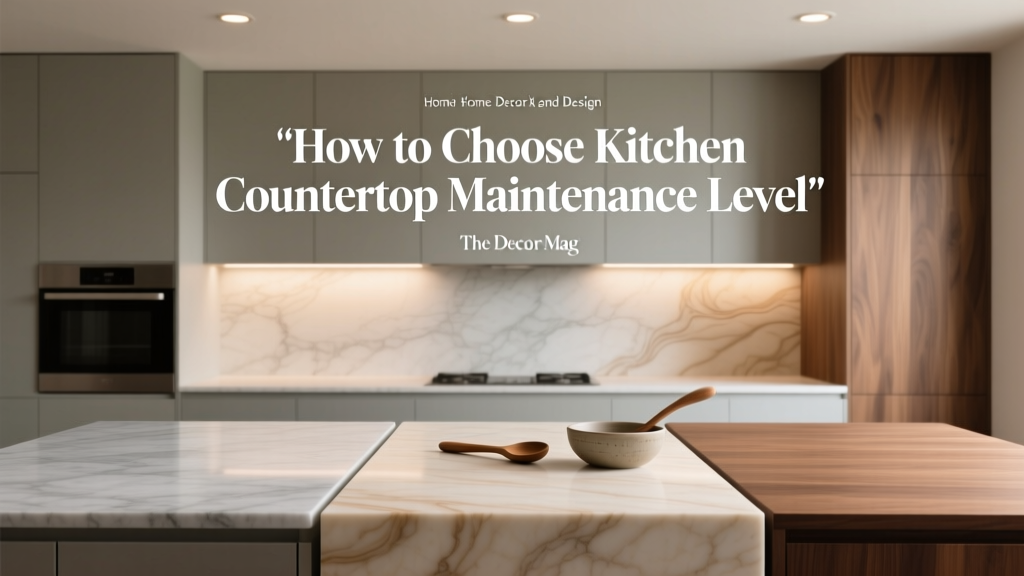 Kitchen Countertop Maintenance: Choose Your Level
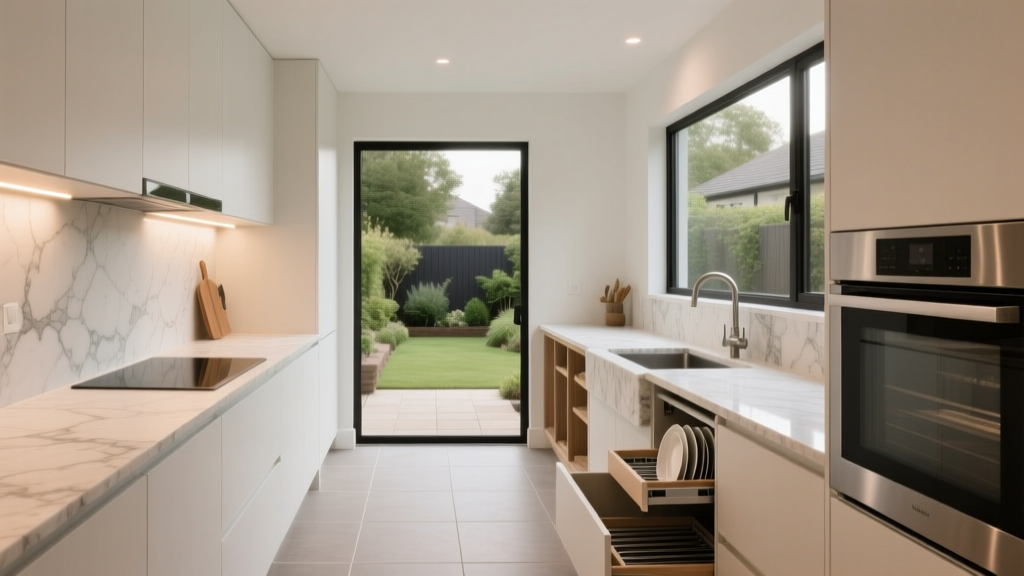 How to Design a Kitchen with a Scullery - The Decor Mag
 Safety vs. Bedside: Why Kitchen Layout Decisions Must Prioritize Human Factors Over Aesthetic Convenience
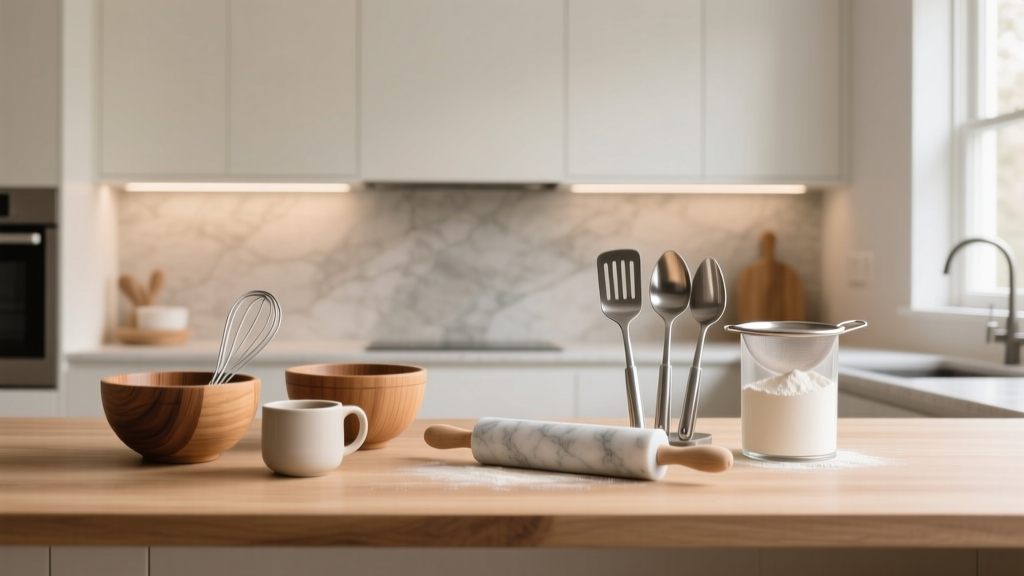 Baking Station Ideas for Kitchens (2026)
 Best Kitchen Lighting for Function & Style (2026)
 Kitchen Butcher Block Countertop Care - The Decor Mag