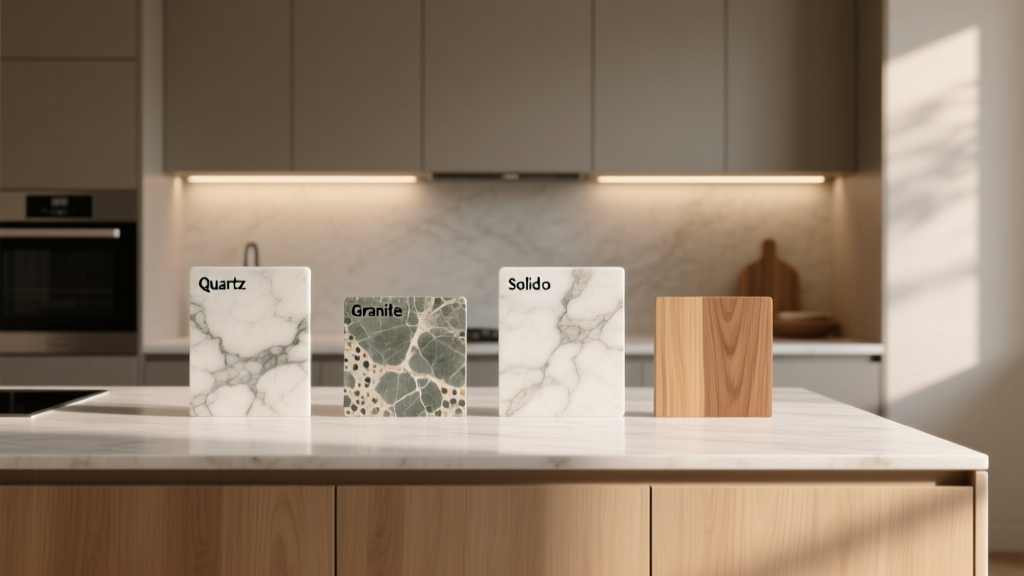
Kitchen Counter Materials for Your Lifestyle (2026)
Your kitchen countertops do more than hold groceries and catch crumbs. They’re where weekday breakfasts happen at full speed, where you prep holiday meals, where kids do homework, where friends gather with a glass of wine while you finish dinner. Because countertops take daily wear—and because they’re one of the biggest visual surfaces in the room—choosing the right kitchen counter material can make your renovation feel effortless for years or like a constant chore.
The “best countertop” isn’t universal. A pristine white surface might look stunning on a design board, but if you cook with turmeric, host often, or have young kids, stain resistance and impact durability may matter more than a specific look. On the other hand, if you rarely cook and love a high-end, natural statement, you can prioritize veining, softness, and unique stone character.
This guide walks you through the practical decision points—durability, maintenance, budget, design trends, and layout—so you can choose a countertop that fits your lifestyle and elevates your kitchen design.
Start with Your Lifestyle: The 60-Second Self-Assessment
Before comparing materials, identify how your kitchen actually functions. Use these questions to narrow your options quickly:
- How often do you cook? Daily cooking demands heat, scratch, and stain resistance.
- Who uses the kitchen? Kids, roommates, and frequent guests increase the chance of spills and chips.
- Are you okay with maintenance? Some materials require sealing, careful cleaning, and quick wipe-ups.
- Do you bake a lot? Pastry lovers often prefer cooler surfaces (stone) for rolling dough.
- What’s your style? Modern minimal, warm transitional, or classic traditional affects color and finish.
- How long will you stay? Planning to sell in 3–5 years may favor broadly appealing, durable choices.
Quick matching guide
- Busy family kitchen: Quartz, porcelain slabs, granite (sealed), or butcher block (if you’ll maintain it).
- Frequent entertainer: Quartz or granite for resilience; consider a statement island in natural stone.
- Serious home cook: Stainless steel near the range; quartz or granite elsewhere; avoid high-maintenance stones if you’re messy.
- Design-forward, low cooking: Marble, soapstone, or dramatic quartzite if you accept patina and care.
- Budget renovation: Laminate, butcher block, or entry-level granite remnants.
Key Performance Factors (What Really Matters Day-to-Day)
Every countertop material is a tradeoff. Focus on these performance categories when comparing options:
- Stain resistance: How well it handles wine, coffee, oil, tomato sauce, citrus, turmeric.
- Scratch resistance: Especially important if you tend to slide appliances or skip cutting boards.
- Heat resistance: Whether it tolerates hot pans (many “heat-resistant” surfaces can still crack from thermal shock).
- Chip/impact resistance: Crucial for edges, overhangs, and households with heavy cookware.
- Maintenance: Sealing frequency, cleaning products, and how fast you must wipe spills.
- Seams and fabrication: Large islands and L-shapes create seams; some patterns hide them better.
- Longevity and resale value: Timeless materials often perform well with future buyers.
Countertop Materials Compared (Pros, Cons, Costs, and Best Uses)
Quartz (Engineered Stone)
Best for: Busy households, low-maintenance kitchen renovations, consistent color and pattern.
- Pros: Non-porous (excellent stain resistance), no sealing, wide style range (marble-look, concrete-look), consistent slabs.
- Cons: Can be damaged by high heat; avoid placing hot pans directly on it. Some ultra-white options can show scratches over time.
- Maintenance: Mild soap and water; avoid harsh abrasives; use trivets for hot cookware.
- Typical installed cost: $70–$150+ per sq ft (premium patterns and thick edges cost more).
Design recommendation: For a timeless look, choose a soft white or warm off-white base with subtle veining and pair with a slightly eased edge (not razor-sharp). This plays well with current trends like warm woods, mixed metals, and creamy paint colors.
Granite (Natural Stone)
Best for: Home cooks who want durability, natural pattern, and strong resale appeal.
- Pros: Very heat resistant, hard surface, unique natural movement, wide price range.
- Cons: Porous to varying degrees; requires sealing; darker stones can hide crumbs but show fingerprints depending on finish.
- Maintenance: Seal every 1–3 years (varies by stone and use). Wipe spills promptly; avoid acidic cleaners.
- Typical installed cost: $50–$120 per sq ft (exotics can be higher).
Practical tip: Choose a honed or leathered finish if you dislike glare and want a more forgiving surface for water spots—popular in today’s “quiet luxury” kitchens.
Quartzite (Natural Stone)
Best for: Homeowners who love marble-like veining but want better scratch resistance.
- Pros: Very hard; typically more scratch resistant than marble; dramatic natural patterns.
- Cons: Still porous; sealing needed; can be pricey; some slabs etch or stain depending on mineral composition.
- Maintenance: Seal 1–2 times per year at first, then adjust based on how it performs in your kitchen.
- Typical installed cost: $90–$200+ per sq ft.
Design recommendation: Use quartzite on an island as the “hero” surface, and pair with a more predictable perimeter material if you’re managing budget or worried about staining.
Marble
Best for: Bakers, design lovers, and homeowners who accept patina as part of the story.
- Pros: Iconic beauty; cool surface for pastry; timeless in traditional and modern kitchens.
- Cons: Etches easily from acids (lemon, vinegar, wine); can stain and scratch; requires vigilant care.
- Maintenance: Seal regularly; clean spills fast; use cutting boards; embrace soft wear or choose a honed finish for a more forgiving look.
- Typical installed cost: $80–$200+ per sq ft.
Best-use strategy: Consider marble for a baking station or a lower-traffic area instead of the entire kitchen if you want the look without constant worry.
Porcelain Slabs (Sintered Surfaces)
Best for: Sleek, modern kitchens and homeowners who want high performance with a stone-like look.
- Pros: Excellent heat and UV resistance, very stain resistant, can mimic marble or concrete, great for indoor-outdoor continuity.
- Cons: Can chip on edges; fabrication quality matters; fewer installers have deep experience compared to quartz/granite.
- Maintenance: Simple cleaning; avoid heavy impact on corners; choose a robust edge detail.
- Typical installed cost: $80–$180 per sq ft.
Trend watch: Porcelain is popular for full-height slab backsplashes (minimal grout lines) and waterfall islands.
Butcher Block (Wood)
Best for: Warm, inviting kitchens; homeowners who enjoy hands-on maintenance; budget-friendly upgrades.
- Pros: Warmth and character, quieter than stone, can be sanded and refinished, often lower cost.
- Cons: Can scratch, dent, and stain; vulnerable to water damage around sinks; needs regular oiling or sealing.
- Maintenance: Oil (mineral oil or conditioning oil) every 3–6 weeks initially, then as needed; wipe standing water promptly.
- Typical installed cost: $30–$80 per sq ft (species and thickness matter; installation and finishing add cost).
Smart layout idea: Use butcher block on a coffee bar or prep zone and pair with quartz or granite around the sink and range for durability.
Laminate
Best for: Tight budgets, rental refreshes, and homeowners who want quick impact without major construction.
- Pros: Affordable, huge range of colors/patterns, easy to clean, comfortable feel.
- Cons: Not heat resistant; can chip; seams can swell if water penetrates; not easily repairable like wood.
- Maintenance: Gentle cleaners; use cutting boards and trivets; keep sink edges dry.
- Typical installed cost: $20–$50 per sq ft.
Budget tip: Choose a laminate with a subtle matte finish and a modern edge profile to avoid the “dated” look.
Stainless Steel
Best for: Serious cooks, modern industrial kitchens, and ultra-hygienic prep spaces.
- Pros: Heat-proof, non-porous, seamless options with integrated sinks, easy sanitation.
- Cons: Shows scratches and fingerprints; can feel “commercial” if not balanced with warm materials.
- Maintenance: Wipe with microfiber; follow grain; use stainless cleaner for shine.
- Typical installed cost: $80–$200+ per sq ft depending on gauge and fabrication.
Design approach: Pair stainless on a range wall run with wood cabinets or oak shelving to keep the space welcoming.
Layout and Measurement Tips That Influence Material Choice
Countertop performance depends on how it’s used—and where. A smart layout can make a more delicate material work beautifully.
Standard dimensions to plan around
- Counter depth: 24–25 inches (standard), deeper custom counters can reach 27–30 inches for more prep space.
- Counter height: 36 inches standard (adjust for tall users if you’re customizing).
- Island clearance: Aim for 42 inches around islands (48 inches for multiple cooks or heavy traffic).
- Seating overhang: 12 inches is typical for knees; 15 inches for more comfort (may require brackets depending on material).
Zone-based material pairing (a designer’s shortcut)
- Sink zone: Prioritize water resistance and stain resistance (quartz, granite, porcelain). Avoid unsealed wood right at the sink.
- Cooking zone: Prioritize heat tolerance (granite, porcelain, stainless). Use trivets with quartz.
- Prep zone: Prioritize scratch resistance and easy cleaning (quartz, granite, stainless).
- Serving/entertaining zone: You can be more style-driven (marble, statement quartzite), especially if it’s used lightly.
Budget Planning: Where the Money Actually Goes
Countertops are priced by square footage, but your final bill depends on design and fabrication choices. Plan your kitchen renovation budget with these cost drivers in mind:
- Edge profiles: Simple eased edges are usually included; ogee and intricate profiles cost more.
- Thickness: 2cm vs 3cm slabs; laminated edges to look thicker can add labor.
- Cutouts: Undermount sink cutouts, cooktop cutouts, and faucet holes add fabrication cost.
- Seams: More seams can reduce waste but may add labor; bold veining may require bookmatching (higher cost).
- Backsplash: Full-height slab backsplash is a premium upgrade but minimizes grout maintenance.
- Removal and plumbing: Demolition, sink reconnect, and possible cabinet leveling should be in your budget.
Realistic budget bands (installed, typical kitchens)
- Value-focused: Laminate or butcher block, $1,200–$3,500 for many kitchens.
- Mid-range: Quartz or granite, $3,500–$8,500.
- Premium: Quartzite, marble, porcelain slab, specialty stainless, $8,500–$20,000+ depending on size and complexity.
Current Kitchen Design Trends (That Also Hold Up Long-Term)
Trends are most useful when they support functionality. These are popular right now and still grounded in timeless kitchen design principles:
- Warm neutrals: Creamy whites, greige, and soft taupes pair beautifully with quartz, quartzite, and warm-veined stone.
- Honed and leathered finishes: Less glare, more forgiving, tactile look that fits modern and traditional kitchens.
- Full-height backsplashes: Slab backsplash in quartz/porcelain for easier cleaning and a seamless, elevated look.
- Mixed materials: Durable perimeter counters with a statement island (or a wood prep insert) for visual depth.
- Integrated organization: Built-in charging drawers, appliance garages, and pantry zones reduce countertop clutter—making any surface look better.
Maintenance Rules by Material (Simple and Realistic)
Want your counters to look new longer? Follow these universal habits, then tailor to your surface:
- Use cutting boards even if your counter “won’t scratch.” Knives dull, and micro-scratches add up.
- Use trivets for hot pans—especially on quartz and laminate.
- Wipe acidic spills quickly (citrus, vinegar, wine) on marble and some quartzites.
- Avoid abrasive powders unless the manufacturer recommends them.
- Test your stone sealer by placing a few drops of water on the surface; if it darkens after 10–15 minutes, it’s time to reseal.
Common Mistakes to Avoid When Choosing Countertops
- Choosing only by appearance: A gorgeous slab that stains easily can become stressful in a busy kitchen.
- Ignoring your sink and faucet plan: Undermount vs drop-in affects water exposure and cleaning ease.
- Not viewing full slabs: Samples can’t show movement, veining, or how seams will land.
- Skipping edge durability: Sharp edges chip more easily; consider a small radius or eased profile.
- Underestimating maintenance: If you’re not the “wipe immediately” type, choose non-porous surfaces.
- Forgetting about lighting: Glossy surfaces reflect under-cabinet lighting; honed finishes soften reflections.
- Not planning landing space: Aim for at least 15–18 inches of clear counter next to the fridge and oven for real-life convenience.
FAQ: Choosing Kitchen Counter Material
What is the most durable countertop for a busy family kitchen?
Quartz is often the best all-around choice for busy households because it’s non-porous, stain resistant, and low maintenance. Porcelain slabs are also highly durable, especially for heat resistance, but edge chipping depends on fabrication quality and design.
Is quartz or granite better for resale value?
Both perform well for resale. Granite has long-standing buyer familiarity, while quartz is widely popular in current kitchen remodels for its clean look and easy maintenance. The winner is usually the one that fits the kitchen’s style and looks well-installed with minimal seams.
Can I put hot pans on quartz?
It’s risky. Quartz can discolor or crack from thermal shock. Use trivets and hot pads as standard practice, especially near the cooktop and oven.
How do I choose a countertop color that won’t feel dated?
Favor natural-looking neutrals: warm whites, soft greiges, and subtle stone-inspired patterns. Extremely busy patterns can date faster, and ultra-bright whites can look harsh in warm lighting. View samples under your kitchen lighting (day and night).
Should my backsplash match my countertop?
Matching creates a seamless, high-end look—especially with a slab backsplash. For a more budget-friendly approach, choose a backsplash that complements the countertop undertone (warm vs cool) and cabinet finish while adding texture through tile.
What countertop is best for a small kitchen?
Lighter countertops (soft white, light greige) help small kitchens feel larger. Quartz and porcelain are popular because they come in consistent patterns that keep the space calm. Consider a thinner edge profile for a streamlined look.
Next Steps: How to Decide with Confidence
To choose the right kitchen counter material for your lifestyle, narrow your shortlist to 2–3 surfaces, then validate them with real-world checks:
- Write your “non-negotiables” (stain resistance, low maintenance, heat tolerance, budget).
- Bring home samples and view them next to cabinet doors, flooring, and paint in your actual lighting.
- Ask fabricators smart questions about seams, edge profiles, sink cutouts, and warranty details.
- Plan your zones (sink/cook/prep/serve) and consider mixing materials for performance and style.
- Protect your investment with a simple care routine and the right accessories (cutting boards, trivets, drying mats).
Your countertops should support how you live—making your kitchen renovation feel beautiful, functional, and easy to maintain every day. For more kitchen design inspiration, renovation planning tips, and organization ideas, explore the latest guides and home trends on thedecormag.com.
More Articles
 How to Plan a Kitchen Renovation on a Budget - The Decor Mag
 Kitchen Integrated Appliance Paneling - The Decor Mag
 Best Kitchen Compost Bin Options - The Decor Mag
 Best Kitchen Mug Display Ideas - The Decor Mag
 Kitchen Stainless Steel Appliance Guide - The Decor Mag
 Best Kitchen Stool and Bar Seating Picks - The Decor Mag
 How to Choose the Right Kitchen Hood Vent - The Decor Mag
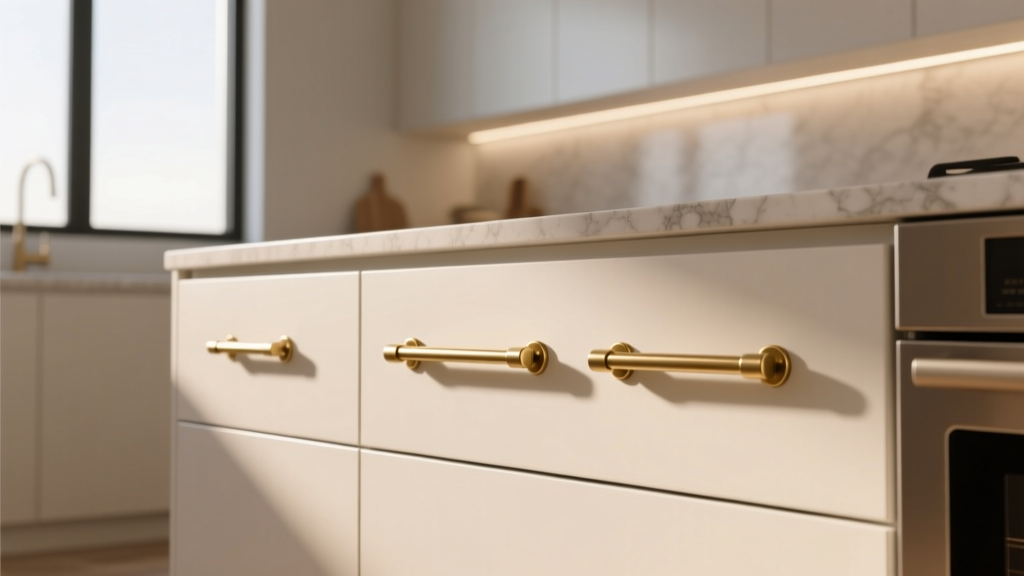 How to Choose Kitchen Cabinet Pull Length - The Decor Mag
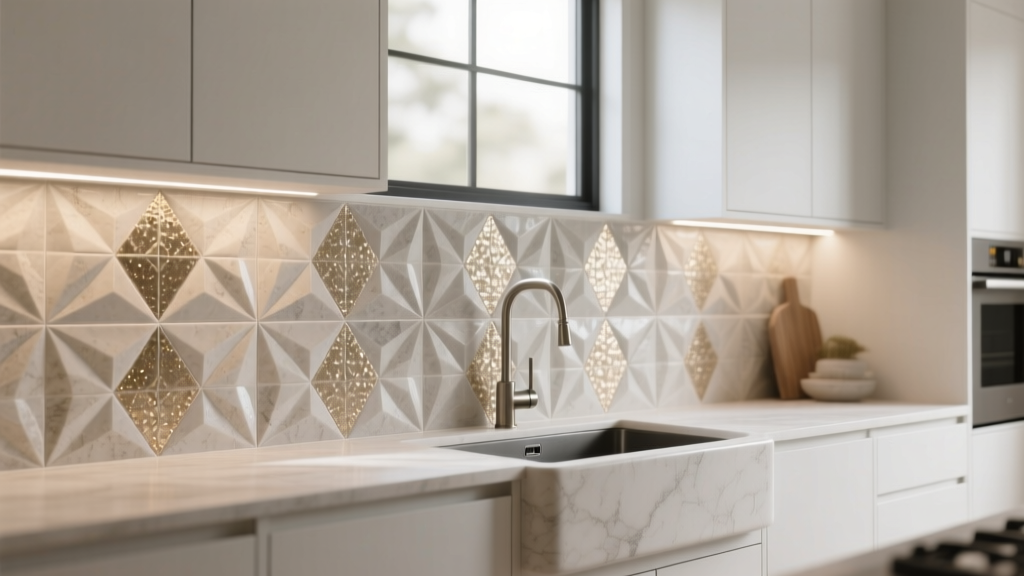 Kitchen Textured Backsplash Tile Trends - The Decor Mag
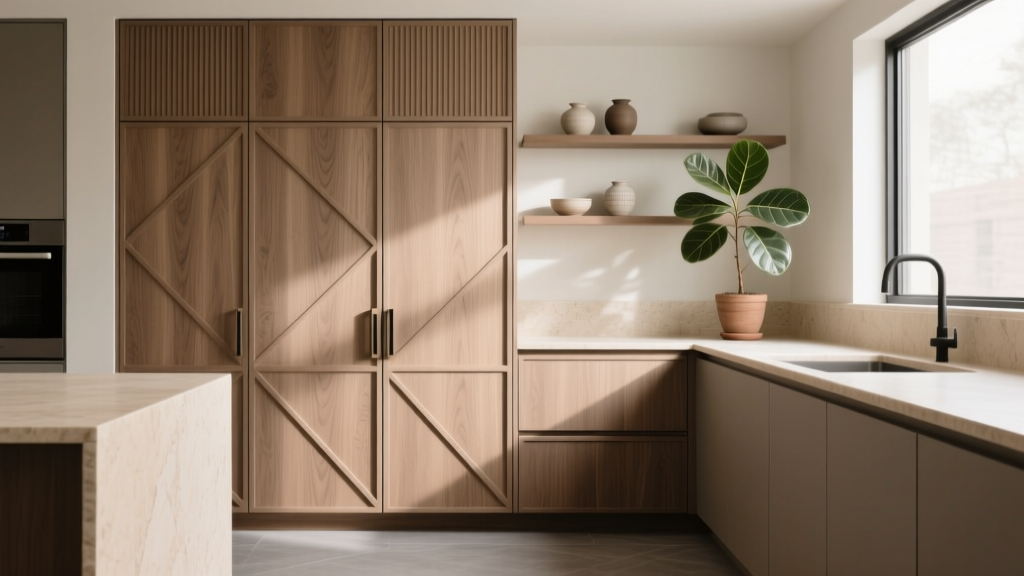 Kitchen Textured Cabinet Door Trends - The Decor Mag