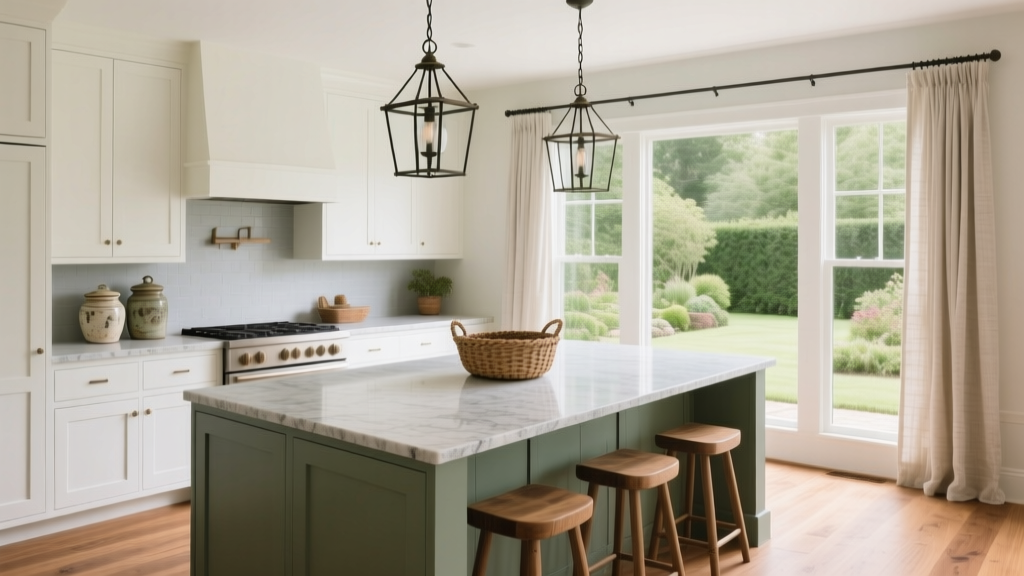
Farmhouse Kitchen Decor Inspiration - The Decor Mag
Farmhouse kitchen decor continues to be one of the most requested styles in kitchen design because it feels instantly livable. The look balances warmth and practicality: surfaces that can take daily wear, storage that supports real cooking, and finishes that age gracefully instead of looking dated after a year. For homeowners planning a kitchen renovation—or simply refreshing a tired space—farmhouse style offers a clear path to a kitchen that feels welcoming without sacrificing performance.
Today’s farmhouse kitchens are also more flexible than the stereotype. You can lean classic (shaker cabinets, apron-front sink, warm woods), modern farmhouse (clean lines, mixed metals, streamlined lighting), or rustic farmhouse (reclaimed textures, patina, exposed beams). The best results come from focusing on timeless functionality—good layout, durable materials, and smart organization—then layering in farmhouse character with finishes and decor.
This guide breaks down materials, layouts, product ideas, cost ranges, and common renovation mistakes, with practical measurements and maintenance tips you can use right away.
What Makes a Kitchen “Farmhouse” (Without Looking Themed)?
Farmhouse style is less about specific props and more about a set of design principles: simple shapes, tactile materials, and hardworking details. Aim for a kitchen that feels collected and functional, not staged.
Core farmhouse design elements
- Simple cabinetry: Shaker or flat-panel doors, minimal ornamentation, quality hardware.
- Natural materials: Wood, stone, brick, ceramic, iron, and linen textures.
- Contrast with softness: Pair durable surfaces with warm lighting and soft neutrals.
- Visible function: Open shelves, hanging rails, and pantry systems that look good because they’re organized.
- Comfort-forward layout: Wide aisles, seating that encourages gathering, and clear work zones.
Current trends that still feel timeless
- Warm whites and “greige”: Creamy cabinet tones replacing stark bright white.
- Mixed metals: Unlacquered brass paired with matte black or brushed nickel.
- Natural wood accents: White oak islands, floating shelves, or slatted vent hoods.
- Statement range hoods: Plaster, wood-wrapped, or simple metal forms.
- Layered lighting: Larger pendants + discreet task lighting + ambient glow.
Farmhouse Kitchen Layout Ideas (With Measurements That Work)
A farmhouse kitchen should feel generous and navigable. Before choosing finishes, validate that the layout supports daily cooking, cleanup, and storage.
Best layouts for farmhouse kitchens
- Classic U-shape: Maximizes counter space and keeps work zones close. Great for medium kitchens.
- L-shape + island: The most common renovation layout; adds seating and storage while maintaining flow.
- Galley kitchen (modern farmhouse): Efficient and budget-friendly; lean into symmetry, warm materials, and strong lighting.
- Open-concept great room kitchen: Use an island, lighting, and flooring transitions to define zones.
Practical clearance and sizing guidelines
- Walkway clearance: 36 inches minimum; 42 inches is more comfortable; 48 inches for high-traffic or two-cook kitchens.
- Island clearance: Aim for 42 inches around an island; minimum 36 inches if space is tight.
- Island size: A practical minimum is about 24 inches deep by 48 inches long; 36 inches deep supports seating better.
- Seating spacing: Plan 24 inches of width per stool; 15 inches of knee space depth minimum, 18 inches is more comfortable.
- Work triangle (sink–range–fridge): Keep total distance efficient; avoid placing a major walkway through the triangle.
Farmhouse-friendly zones to plan for
- Baking station: A 30–36 inch counter run with drawers for tools and flour/sugar storage.
- Coffee or beverage nook: A small counter, an outlet, and closed storage for mugs and supplies reduces clutter.
- Drop zone: A tray or drawer near the entry for mail/keys prevents countertop piles.
Materials & Finishes: Farmhouse Choices That Hold Up
Durability is the secret ingredient in farmhouse kitchen design. The palette should feel warm, but the materials must handle heat, spills, and constant use.
Cabinetry: Shaker, paint quality, and wood options
- Shaker cabinets: The most timeless farmhouse cabinet door style; works in classic and modern farmhouse kitchens.
- Painted vs. stained: Painted perimeter cabinets + stained wood island is a reliable way to add depth.
- Best woods for painted cabinets: Maple and MDF (for flat stability) are common; use quality primers and durable topcoats.
- Best woods for stained accents: White oak for a contemporary farmhouse look; walnut for richer contrast.
Cost range: Stock cabinets often start around $3,000–$10,000 for a typical kitchen. Semi-custom commonly lands $10,000–$25,000+. Custom cabinetry can run $25,000–$60,000+ depending on size, materials, and storage features.
Countertops: Quartz vs. butcher block vs. stone
- Quartz (engineered stone): Low maintenance, consistent appearance, strong stain resistance—ideal for busy households. Choose warm veining and softer whites to avoid a “clinical” look.
- Butcher block: Peak farmhouse charm and warmth. Best when used strategically (island or baking area) rather than everywhere. Requires regular oiling and careful water management.
- Granite: Natural variation and strong performance; needs periodic sealing depending on stone type.
- Marble: Beautiful but etches easily; better for low-traffic zones or homeowners who embrace patina.
Cost range (installed, typical): Butcher block $40–$100/sq ft; quartz $70–$140/sq ft; granite $60–$130/sq ft; marble $100–$250+/sq ft.
Backsplash: Subway tile and beyond
- Classic 3x6 subway tile: A farmhouse staple. Consider a warm white or handmade-look ceramic for character.
- Vertical stack: A modern farmhouse trend that still reads timeless when the tile is simple.
- Beadboard backsplash: Cozy and affordable; use a durable, washable paint and protect the range area with tile or a stainless panel.
- Natural stone or zellige: Adds texture; budget for extra tile and experienced installation due to variation.
Cost range: Basic ceramic tile materials can start around $2–$8/sq ft; premium tile can be $15–$40+/sq ft. Installed backsplash work commonly totals $800–$2,500+ depending on size and complexity.
Flooring that feels farmhouse but performs like a modern kitchen
- Engineered hardwood: Warmer and more stable than solid wood in many climates; choose a durable finish and a matte sheen for a natural farmhouse look.
- LVP (luxury vinyl plank): Budget-friendly, water-resistant, and comfortable underfoot; look for thicker wear layers for longevity.
- Porcelain tile: Excellent durability and water resistance; wood-look porcelain can deliver farmhouse warmth with lower maintenance.
Cost range (installed): LVP $3–$8/sq ft; engineered hardwood $8–$15/sq ft; porcelain tile $10–$20+/sq ft.
Signature Farmhouse Features Worth Considering
Apron-front (farmhouse) sink: style and reality check
An apron-front sink anchors the farmhouse look, but the material choice matters for daily use.
- Fireclay: Classic, glossy, and durable; can chip if heavy cookware hits the edge.
- Cast iron enamel: Very durable; can be heavy and may require cabinet reinforcement.
- Stainless steel apron-front: More forgiving, less chip risk, and fits modern farmhouse kitchens well.
Cost range: $250–$1,500+ for the sink, plus installation and possible cabinet modifications. Budget extra if you’re retrofitting into existing cabinets.
Range hood moments (without overspending)
- Wood-wrapped hood: Creates a focal point; can be stained to match open shelves or island.
- Plaster-look hood: A current trend that feels organic; keep the form simple for longevity.
- Budget approach: Use a standard insert and build a straightforward surround; spend on ventilation performance first.
Open shelving: how to do it neatly
Open shelves work best when you treat them like a display with limits.
- Ideal depth: 10–12 inches deep for dinner plates; 8–10 inches for mugs and small bowls.
- Best placement: Use shelves away from the range to reduce grease buildup.
- Styling rule: Keep 70–80% practical items (everyday dishes) and 20–30% decor.
Color Palettes and Decor Layers That Read Farmhouse
Farmhouse color palettes that don’t feel dated
- Warm white + natural oak: Soft, bright, and modern.
- Cream + matte black accents: High contrast with warmth.
- Sage green + brass: A popular kitchen trend that still feels classic when used on lower cabinets or an island.
- Dusty blue + warm neutrals: Works well with butcher block or warm quartz.
Decor that adds character without clutter
- Lighting: Pair simple pendants (glass, enamel, or aged metal) with under-cabinet task lighting.
- Textiles: Linen café curtains, washable cotton runners, and neutral seat cushions soften hard surfaces.
- Wall moments: A vintage-inspired print, a small gallery wall, or a peg rail with a few essentials.
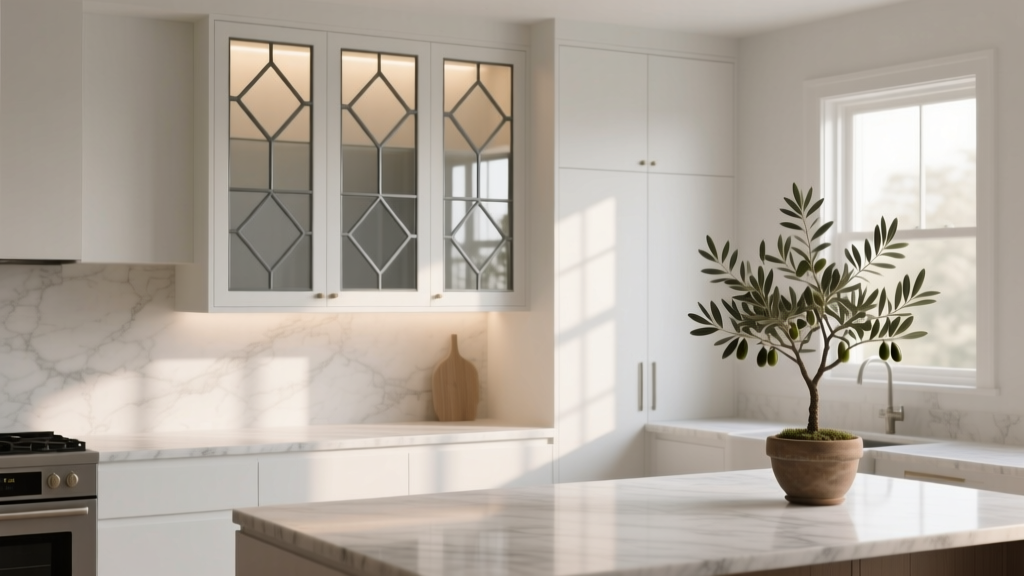
- Greenery: Herbs near a window, a single olive branch in a ceramic vase, or a bowl of citrus adds life.
Organization Ideas for a Functional Farmhouse Kitchen
Farmhouse style shines when the kitchen is orderly. Smart kitchen organization reduces the need for decorative “filler” and helps your renovation feel premium.
Storage upgrades worth the investment
- Deep drawer stacks: Use 10–12 inch deep drawers for pots and pans; add peg organizers for lids.
- Pull-out trash and recycling: Keeps visual clutter down and improves workflow near the sink.
- Pantry pull-outs: Great for narrow spaces; reduces forgotten items and duplicates.
- Tray dividers: Store baking sheets vertically near the oven (a 9–12 inch wide cabinet works well).
Countertop clutter control (fast fixes)
- Create a beverage station so mugs, pods/beans, and sweeteners live together.
- Add a charging drawer or a hidden outlet area to remove cords from sight.
- Use a single large tray for oils/salt on the counter instead of multiple items scattered around.
Budget Planning: Where to Spend vs. Save
Farmhouse kitchens can be done on a modest budget or at a high-end level. The key is allocating funds to durability and layout first, then aesthetics.
Typical budget ranges (very general)
- Cosmetic refresh ($1,500–$7,500): Paint, hardware, lighting, faucet, simple backsplash updates, shelving swaps.
- Mid-range renovation ($15,000–$40,000): New cabinets (stock/semi-custom), countertops, appliances mix, new flooring, improved lighting, minor layout adjustments.
- Major renovation ($45,000–$100,000+): Layout changes, custom cabinetry, premium appliances, structural work, upgraded ventilation and electrical.
Spend here for long-term satisfaction
- Cabinet hardware and hinges: Daily touchpoints; choose solid metal pulls/knobs and soft-close mechanisms.
- Ventilation: A properly sized hood improves comfort and reduces grease buildup on cabinets and shelves.
- Work surfaces: Durable countertops and a functional sink setup pay off every day.
Save here without sacrificing the look
- Decorator lighting: Choose fewer, better fixtures; supplement with under-cabinet LEDs.
- Open shelves: Less expensive than uppers in small doses (but don’t remove all upper storage).
- Accent materials: Use reclaimed wood or beadboard selectively rather than everywhere.
Maintenance Advice for Farmhouse Materials
- Butcher block: Oil regularly (frequency depends on use and climate); wipe spills quickly; avoid standing water near the sink.
- Painted cabinets: Clean with a mild soap solution and soft cloth; avoid abrasive sponges that dull sheen or burnish paint.
- Unlacquered brass: Expect patina; if you prefer a consistent finish, choose a living finish intentionally and avoid harsh cleaners.
- Grout: Use a quality grout sealer where appropriate; select slightly darker grout for a forgiving, lived-in farmhouse look.
- Matte finishes: Beautiful and modern; use gentle cleaners to prevent shiny “spot polishing.”
Common Mistakes to Avoid in Farmhouse Kitchen Decor
- Going too themed: A few authentic textures beat a room full of signs and novelty décor.
- Overdoing open shelving: It looks airy in photos but can become high-maintenance fast. Balance with closed storage.
- Choosing bright, icy white everywhere: It can read stark and highlight clutter. Warmer whites feel more farmhouse and forgiving.
- Ignoring lighting layers: Pendants alone won’t light prep zones. Add under-cabinet task lighting and ambient ceiling lighting.
- Forgetting the “work” in workflow: Pretty details can’t fix a cramped aisle or a poorly placed trash pull-out.
- Buying trendy finishes without testing: Always view countertop and paint samples in your kitchen lighting before committing.
FAQ: Farmhouse Kitchen Design and Decor
What’s the difference between modern farmhouse and rustic farmhouse?
Modern farmhouse uses cleaner lines, fewer distressed finishes, and more streamlined lighting and hardware (often mixed metals). Rustic farmhouse leans into reclaimed wood, patina, and heavier textures. Both benefit from shaker cabinets, warm neutrals, and practical storage.
Are farmhouse sinks practical for everyday use?
Yes—especially deeper single-bowl options for large pans. Choose a durable material (stainless apron-front is the most forgiving) and confirm cabinet compatibility before ordering, since some installations require a special base cabinet.
What countertop is best for a farmhouse kitchen with kids?
Quartz is usually the easiest: high stain resistance, minimal maintenance, and plenty of warm, marble-look options that suit farmhouse style. If you love butcher block, consider using it on an island or baking station rather than around the sink.
How can I add farmhouse style without renovating the whole kitchen?
Focus on high-impact swaps: cabinet hardware, a bridge-style faucet, warm pendant lighting, a simple subway tile backsplash, and a few wood accents (cutting boards, stools, floating shelves). Add organization inserts to reduce countertop clutter for a more polished look.
Do farmhouse kitchens have to be white?
No. Warm whites are common, but sage green, dusty blue, greige, and natural wood tones all fit farmhouse design. A two-tone approach—painted perimeter cabinets with a wood island—adds depth while staying timeless.
What flooring looks farmhouse but is easiest to maintain?
Porcelain tile and quality LVP are the easiest for water resistance and cleanup. If you prefer real wood character, engineered hardwood offers a warmer feel with better stability than solid wood in many kitchens.
Next Steps: Plan Your Farmhouse Kitchen With Confidence
Start by identifying what you need the kitchen to do better—more prep space, better storage, easier cleanup, improved lighting—then choose farmhouse finishes that support those goals. Prioritize layout clearances, durable surfaces, and a smart storage plan. Once the functional foundation is strong, add farmhouse personality with warm paint tones, natural wood accents, mixed metals, and a few well-chosen vintage-inspired details.
- Measure your current clearances (aisles, island spacing, seating) and note what feels tight.
- Create a simple materials palette (2–3 finishes + 1 accent wood) to keep the look cohesive.
- Choose one “hero” feature—apron-front sink, statement hood, or a wood island—then keep the rest quiet and classic.
- Upgrade organization (deep drawers, pull-outs, tray dividers) to make the kitchen feel instantly more custom.
For more farmhouse kitchen decor inspiration, kitchen renovation guides, and practical organization ideas, explore the latest features on thedecormag.com.
More Articles
 Kitchen Pot Filler Faucet Guide - The Decor Mag
 Friendly vs. Solutions: A Practical, Kitchen-Tested Comparison of Two Leading Countertop Materials
 Best Kitchen Prep Bowl Collection Display - The Decor Mag
 Meal Prep Kitchen Design: Functional Ideas (2026)
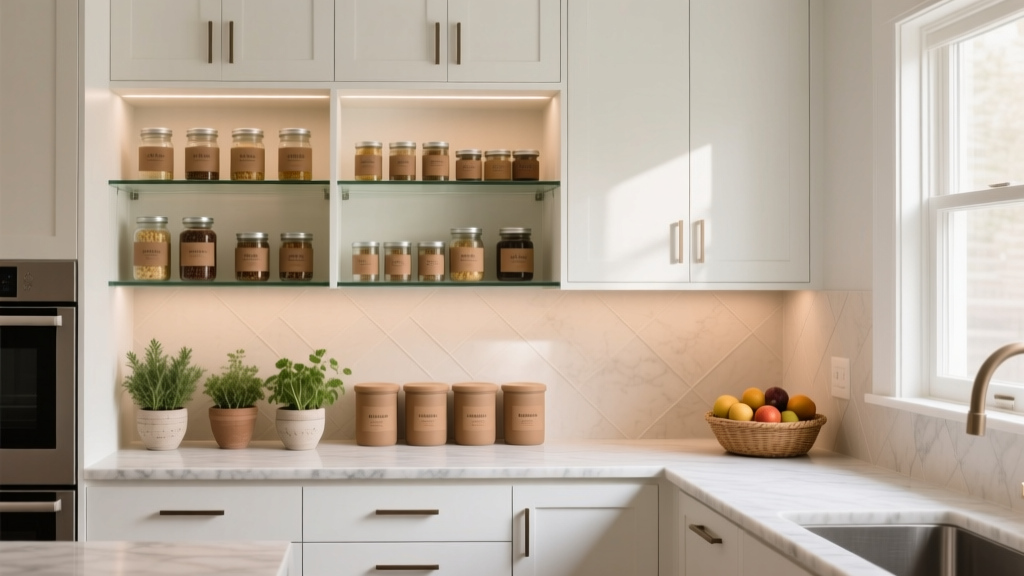 Kitchen Pantry Organization: Pro Tips (2026)
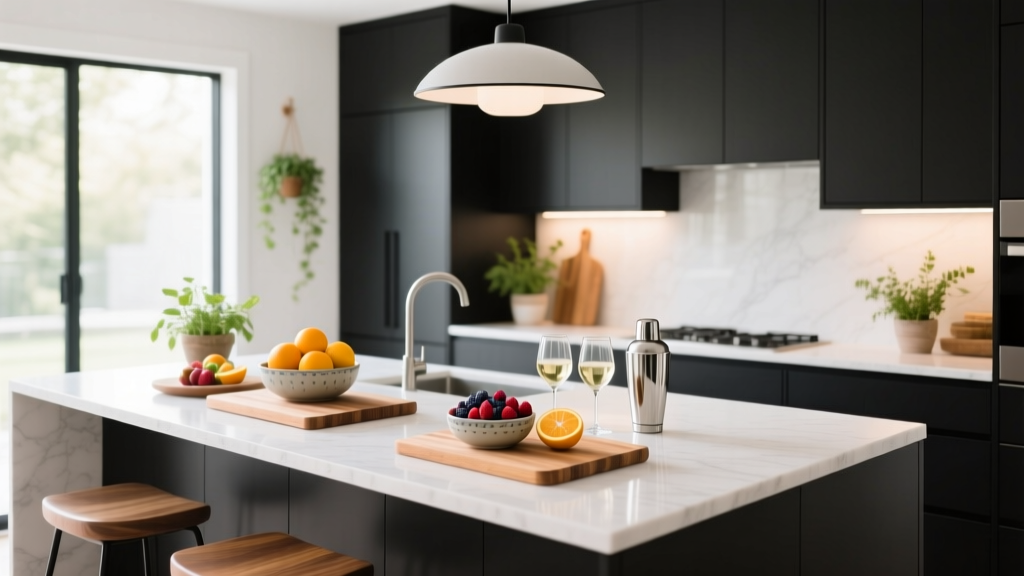 Kitchen Island Prep Stations: Summer Party Command Center
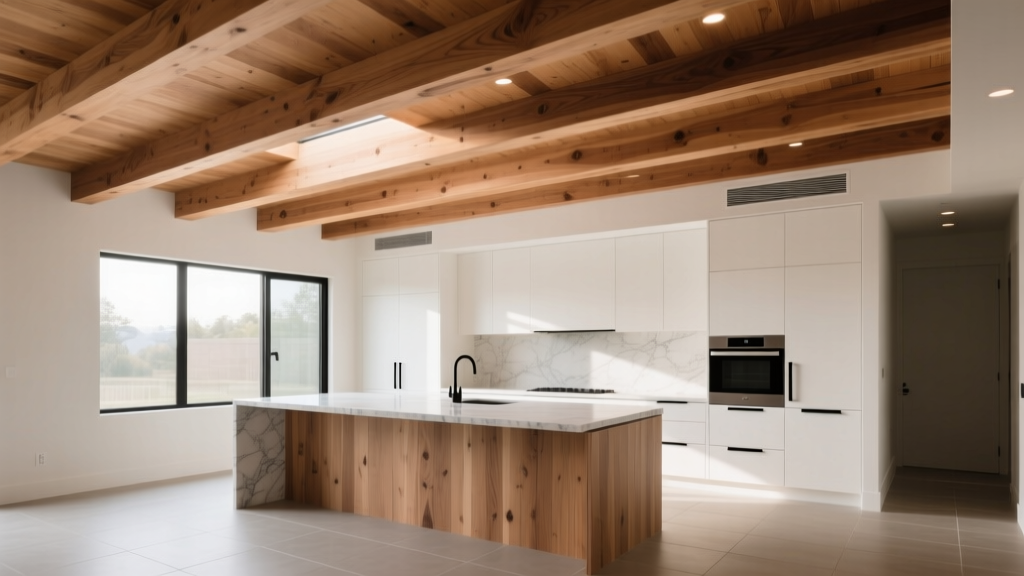 Kitchen Wood Beams Ceiling Design - The Decor Mag
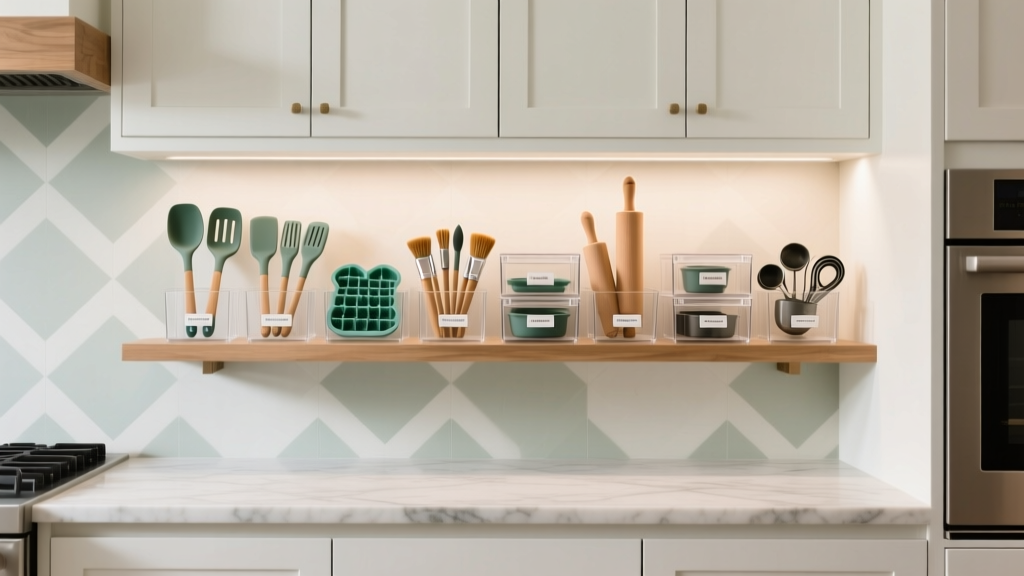 Best Kitchen Baking Tool Organization (2026)
 Kitchen Leaded Glass Cabinet Doors - The Decor Mag
 Kitchen Appliances Compared on a Budget: Smart, Reliable Choices Under $300