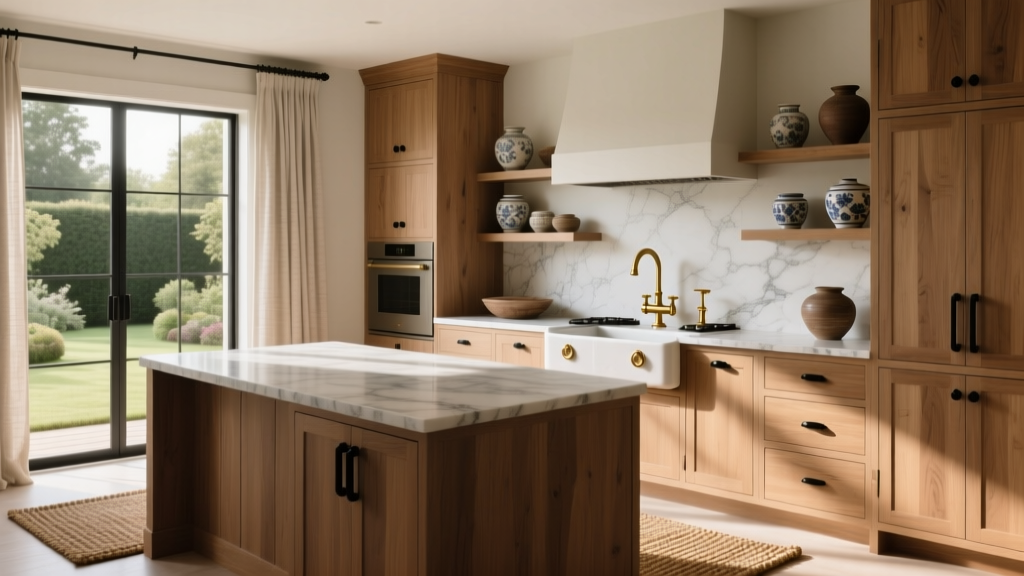
Heirloom Kitchen Design: Timeless Ideas for 2026
Most kitchens are designed to look good for a reveal—and then struggle through real life. Cabinet doors loosen, finishes chip, drawers stick, and layout quirks make everyday cooking feel harder than it should. Designing a kitchen with heirloom quality flips that script: it prioritizes enduring materials, proven construction, and a layout that stays useful through changing tastes, technology, and family needs.
If you’re planning a kitchen renovation (or improving your current space), this guide breaks down the choices that matter most: layout, cabinetry, countertops, hardware, appliances, lighting, and organization—plus cost ranges, maintenance advice, and common mistakes that derail long-term value.
What “Heirloom Quality” Means in Kitchen Design
An heirloom kitchen is built the way classic furniture is built: with solid joinery, repairable parts, and materials that age gracefully. The goal isn’t perfection; it’s longevity.
Hallmarks of an heirloom-quality kitchen
- Durable, repairable surfaces (that don’t need babying every day)
- Cabinet construction that resists sagging and racking over decades
- A layout with efficient clearances and flexible storage
- Timeless details (proportions, symmetry, simple profiles) that survive trend cycles
- Service-friendly choices (standard sizes, accessible plumbing/electrical, replaceable components)
Start with a Layout That Will Still Work in 20 Years
The most beautiful finishes can’t compensate for a kitchen that bottlenecks at the fridge or lacks landing space. For heirloom quality, prioritize a layout that supports daily routines: cooking, cleaning, storing, serving, and gathering.
Key kitchen measurements and clearances
- Work aisle width: 42 inches minimum for one cook; 48 inches if two people cook together.
- Walkways: 36 inches minimum; 42 inches is more comfortable in busy households.
- Island clearance: 42–48 inches on all working sides; avoid squeezing to “fit” an island.
- Countertop landing space: Aim for 15 inches on at least one side of the cooktop and 15 inches on the latch side of the refrigerator; 12 inches on the handle side if possible.
- Dishwasher-to-sink relationship: Place the dishwasher within 36 inches of the sink for easy loading.
- Seating spacing: Allow 24 inches of width per stool and 12–15 inches of knee space overhang for comfort.
Layouts that age well
- U-shaped kitchens: Excellent workflow and storage; add an opening or peninsula seating if space allows.
- L-shape + island: A proven favorite for open-plan living; keeps the work zone contained while offering gathering space.
- Galley kitchens: Underappreciated for efficiency; upgrade with full-height pantry storage and strong task lighting.
Trend-forward, timeless moves
- Dedicated pantry zones (tall cabinet pantries or a compact walk-in) for clutter-free counters
- Appliance garages or “breakfast cabinets” to hide small appliances without losing access
- Fewer upper cabinets balanced with tall storage, open shelving in small doses, and a strong backsplash statement
Cabinetry: The Foundation of Heirloom Quality
If the budget forces tradeoffs, invest here first. Cabinets take constant use, and repairability matters. Seek classic door styles and robust construction details that feel solid in the hand.
Best cabinet construction features
- Plywood boxes (3/4 inch preferred) over particleboard for better screw-holding and longevity.
- Solid wood face frames or high-quality frameless systems with thick panels and strong edge banding.
- Dovetail drawer boxes and full-extension, soft-close slides.
- Adjustable hinges and replaceable hardware components for easy tuning over time.
Materials that last (and how they compare)
- Solid hardwood (maple, white oak, walnut): Long-lasting and refinishable; costs more; dents are possible but often add character.
- Painted wood: Timeless and bright; shows chips at impact points; plan for touch-ups.
- High-quality MDF door fronts: Stable for paint; less prone to grain telegraphing; not as dent-resistant as hardwood.
- Thermofoil: Budget-friendly; can peel near heat sources over time; less “heirloom” but can work in low-use areas.
Door styles that don’t date quickly
- Shaker: The workhorse of timeless kitchen design—pairs with traditional or modern decor.
- Inset cabinetry: Beautiful, furniture-like craftsmanship; requires precise installation; higher cost.
- Simple slab fronts in wood: Modern but warm; choose real wood veneer and quality edges.
Cost ranges for cabinetry
- Stock cabinets: $150–$400 per linear foot (installed varies widely). Best when you choose upgraded hardware and avoid odd filler-heavy layouts.
- Semi-custom cabinets: $300–$800 per linear foot. Strong balance of flexibility and quality.
- Custom cabinetry: $800–$1,500+ per linear foot. Ideal for unique spaces, inset doors, and detailed storage planning.
Countertops and Backsplashes: Choose Patina Over Perfection
Countertops define daily maintenance. An heirloom-quality choice looks better after years of use, not worse. Think about heat resistance, stain resistance, repair options, and whether you want a “develops character” surface or a “stays consistent” surface.
Countertop material comparisons
- Quartz: Low maintenance, consistent pattern, strong stain resistance. Not as heat tolerant as stone; use trivets. Cost: $60–$120 per sq. ft. installed.
- Granite: Natural variation, good heat resistance, typically durable. Requires periodic sealing. Cost: $50–$120 per sq. ft. installed.
- Marble: Classic, luminous, and undeniably heirloom in feel. Etches and stains; best for bakers or those who embrace patina. Cost: $70–$200 per sq. ft. installed.
- Quartzite: Often mistaken for marble; generally harder and more durable than marble. Still needs sealing. Cost: $80–$200 per sq. ft. installed.
- Soapstone: Soft, deep color, heat tolerant, develops a rich patina; can scratch but is repairable. Cost: $80–$160 per sq. ft. installed.
- Butcher block: Warm and repairable; needs regular oiling and careful water management. Great as an accent zone. Cost: $40–$100 per sq. ft. installed.
Backsplash choices that stay timeless
- Handmade-look ceramic subway tile (slight variation reads upscale and enduring)
- Stone slab backsplash for fewer grout lines and an elevated, long-lasting look
- Simple mosaics in restrained palettes; avoid ultra-busy patterns unless the rest of the room is quiet
Maintenance tips
- Seal natural stone as recommended (often every 1–3 years depending on use and stone type).
- Use pH-neutral cleaners on stone; avoid vinegar or harsh abrasives.
- Choose grout wisely: Consider a high-performance grout for easier upkeep and stain resistance.
Hardware, Fixtures, and Finishes: Small Choices, Big Longevity
Heirloom kitchens feel satisfying to use. That often comes down to the parts you touch: pulls, knobs, faucets, and switches. This is also where mixing trends and timelessness is easiest—because these pieces can be swapped later.
Hardware that wears well
- Solid brass or stainless steel over lightweight plated finishes when possible.
- Classic shapes (simple bar pulls, understated knobs) that won’t look “era-specific.”
- Comfort check: Test pulls with your hand—sharp edges and tiny knobs get annoying fast.
Faucet recommendations for longevity
- Choose a reputable brand with readily available cartridges and parts.
- Finishes: Brushed nickel and stainless are forgiving; unlacquered brass develops patina; matte black can show mineral spots depending on water quality.
- Functions: A pull-down sprayer and a magnetic dock are practical upgrades that feel “luxury” daily.
Budget guidance
- Quality faucet: $250–$800+ (higher if you add filtration or touchless features).
- Cabinet hardware: $4–$25 per piece for good quality; statement pieces can run $30–$60+ each.
Appliances and Ventilation: Invest Where Performance Matters
Appliance trends come and go, but performance and serviceability are always in style. Heirloom-minded homeowners choose appliances that are reliable, repairable, and right-sized—then integrate them into a layout that makes cooking feel effortless.
Heirloom approach to appliance planning
- Prioritize ventilation: A strong range hood protects cabinets and finishes from grease and moisture.
- Right-size the range: A 30-inch range is plenty for many households; 36 inches adds flexibility but needs adequate hood capacity.
- Consider panel-ready appliances for a timeless, built-in look—especially dishwashers and refrigerators.
Cost ranges (typical)
- Range: $900–$6,000+ (pro-style and specialty ranges can exceed this).
- Refrigerator: $1,200–$8,000+ (built-in and column systems are higher).
- Dishwasher: $600–$1,800+ (quiet operation and better racks are worth it).
- Vent hood: $500–$3,500+ (plus ducting and installation).
Lighting: Build Layers for Beauty and Function
Lighting is a common weak spot in kitchen renovations. Heirloom quality means the kitchen looks good at 7 a.m. and 7 p.m., and you can prep food safely without shadows.
A simple heirloom lighting plan
- Ambient lighting: Recessed or ceiling fixtures for overall brightness.
- Task lighting: Under-cabinet LEDs (3000K is a warm, flattering default) to illuminate counters.
- Accent/decorative lighting: Pendants over the island, sconces near open shelving, or toe-kick lighting for a soft glow.
Practical specs
- Pendant height: Hang 30–36 inches above the countertop (adjust for ceiling height and sightlines).
- Color temperature: 2700K–3000K for warmth; keep it consistent throughout the kitchen.
- Dimmers: Put key lighting on dimmers to adapt to cooking, entertaining, and late-night use.
Organization That Feels Built-In (Not Bought Later)
Kitchen organization is where heirloom quality becomes daily calm. Instead of adding bins to fix a bad layout, build storage that matches how you cook and clean.
Built-in organization upgrades worth the cost
- Deep drawers for pots, pans, and plates (more ergonomic than base cabinets with shelves).
- Trash/recycling pull-out near prep space (15-inch or 18-inch base cabinet is common).
- Tray dividers for baking sheets and cutting boards (typically a 9–12 inch wide cabinet).
- Spice drawer near the cooktop, not above it (better visibility and less heat exposure).
- Corner solutions like a LeMans pull-out or optimized drawers (avoid dead corners whenever possible).
Simple zone planning for a clutter-free kitchen
- Prep zone: Knives, cutting boards, mixing bowls, oils, salt, compost.
- Cooking zone: Pots, pans, utensils, spices, sheet pans, oven mitts.
- Cleanup zone: Dishwasher, sink tools, dish soap, towels, bins.
- Pantry zone: Dry goods, snacks, small appliances, backstock.
Budget Planning: Where to Spend, Where to Save
Heirloom quality is less about maxing out every finish and more about placing money where it buys longevity and daily ease. A practical budget also leaves room for proper installation—because craftsmanship is part of the “material.”
Smart spending priorities
- Spend: Cabinet construction, drawer hardware, countertop durability, ventilation, and lighting.
- Save: Trend-driven decor items, easily swapped hardware (if necessary), and standard tile in classic shapes.
- Don’t skimp: Professional installation for stone, cabinetry leveling, and electrical work—poor install shortens the life of premium materials.
Typical renovation cost ranges (very general)
- Cosmetic refresh: $5,000–$20,000 (paint, hardware, lighting, minor upgrades).
- Mid-range kitchen renovation: $25,000–$60,000 (semi-custom cabinets, new counters, appliance upgrades).
- High-end renovation: $70,000–$150,000+ (custom cabinetry, layout changes, premium appliances, higher-end finishes).
Common Mistakes That Undermine Heirloom Quality
- Choosing a layout for looks over function: Oversized islands and cramped aisles age poorly.
- Over-trending permanent finishes: Loud cabinet colors, overly patterned counters, or niche tile patterns can limit longevity.
- Ignoring ventilation: Grease buildup dulls finishes and shortens cabinet life.
- Too much open shelving: It looks airy, but it requires constant styling and cleaning; use it sparingly.
- Not planning outlets: Include outlets in islands (code-permitting), pantry/coffee zones, and inside appliance garages.
- Under-lighting countertops: Relying on ceiling cans alone creates shadows where you prep food.
- Buying “luxury” materials without a maintenance plan: Marble is timeless, but it’s not low-maintenance. Choose based on your real habits.
FAQ: Designing a Kitchen with Heirloom Quality
Is quartz or granite better for an heirloom-quality kitchen?
Both can work. Quartz is lower maintenance and consistent, while granite offers natural variation and strong heat resistance. If you want a surface that stays uniform with minimal upkeep, choose quartz. If you want natural stone character and don’t mind periodic sealing, granite is a durable heirloom-friendly option.
What cabinet style looks timeless year after year?
Shaker doors are the most universally timeless. Inset cabinetry is also classic and furniture-like, but it typically costs more and requires precise installation. If you prefer modern design, simple wood slab fronts can stay timeless when paired with warm tones and quality materials.
How wide should my kitchen aisles be?
Plan for 42 inches minimum for a single-cook kitchen and 48 inches if two people regularly cook together. For walkways through the kitchen (not primary work aisles), 36 inches is the minimum, but 42 inches feels more comfortable.
What’s the best way to make a kitchen feel high-end without overspending?
Upgrade what you touch and use daily: full-extension soft-close drawers, under-cabinet lighting, a quality faucet, and a cohesive hardware finish. Keep the palette calm, choose classic tile, and invest in strong ventilation. These changes read “custom” without requiring the most expensive materials.
Are open shelves a good idea for a long-lasting kitchen design?
Open shelving can be beautiful, but it’s best as an accent rather than the primary storage. Too much open shelving becomes a maintenance burden and can make kitchens look cluttered over time. Limit it to one section for everyday dishes or decor you truly use.
How do I maintain an heirloom-quality kitchen?
Use gentle cleaners, wipe up spills quickly, and follow material-specific care: seal natural stone as needed, oil wood countertops regularly if you have them, and periodically tighten hardware. Also, keep your range hood filters clean—ventilation maintenance protects nearly every surface in the room.
Actionable Next Steps for an Heirloom-Quality Kitchen
- Audit your current pain points: Note where traffic jams happen, what clutters counters, and what storage feels wasted.
- Lock in your layout first: Confirm aisle clearances (42–48 inches) and add landing space near key appliances.
- Choose cabinetry based on construction: Plywood boxes, quality drawer slides, and timeless door styles.
- Select surfaces that match your lifestyle: Decide whether you want low-maintenance consistency (quartz) or natural patina (stone/soapstone/wood accents).
- Build a lighting plan with layers: Ambient + under-cabinet task lighting + decorative fixtures on dimmers.
- Plan organization zones: Specify drawers, pull-outs, and pantry storage before ordering cabinets.
A kitchen with heirloom quality doesn’t chase perfection—it’s designed for real life, built to endure, and detailed in a way that continues to feel right as the years pass. For more kitchen renovation guidance, organization ideas, and timeless decor inspiration, explore the latest on thedecormag.com.
More Articles
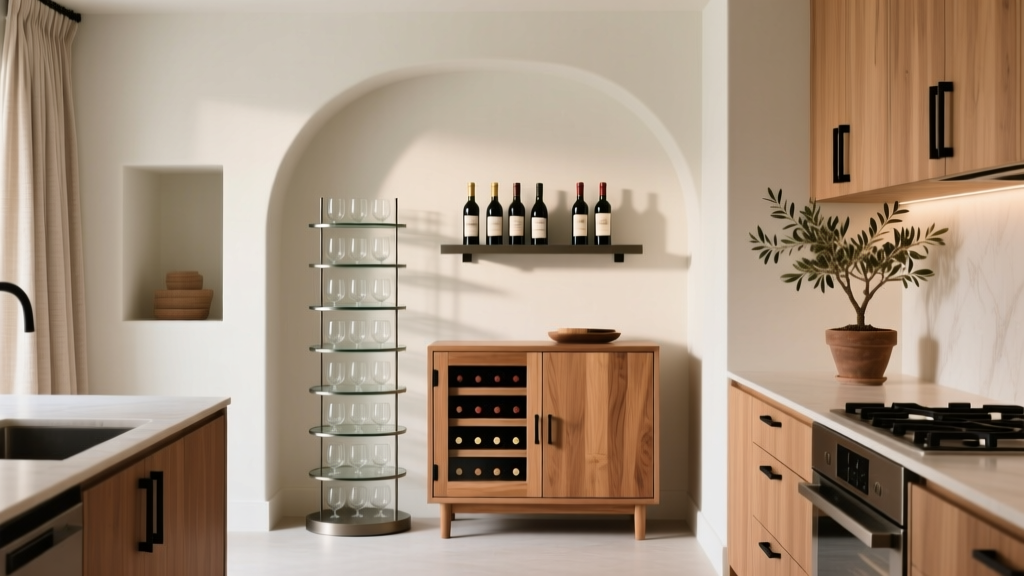 Best Kitchen Wine Storage Solutions - The Decor Mag
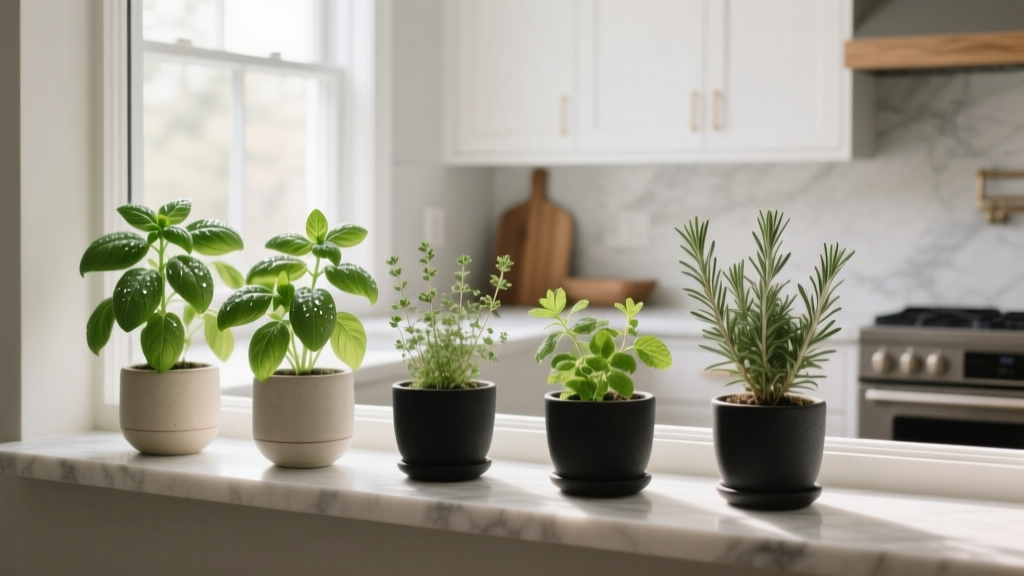 Best Kitchen Herb Garden Window Ideas - The Decor Mag
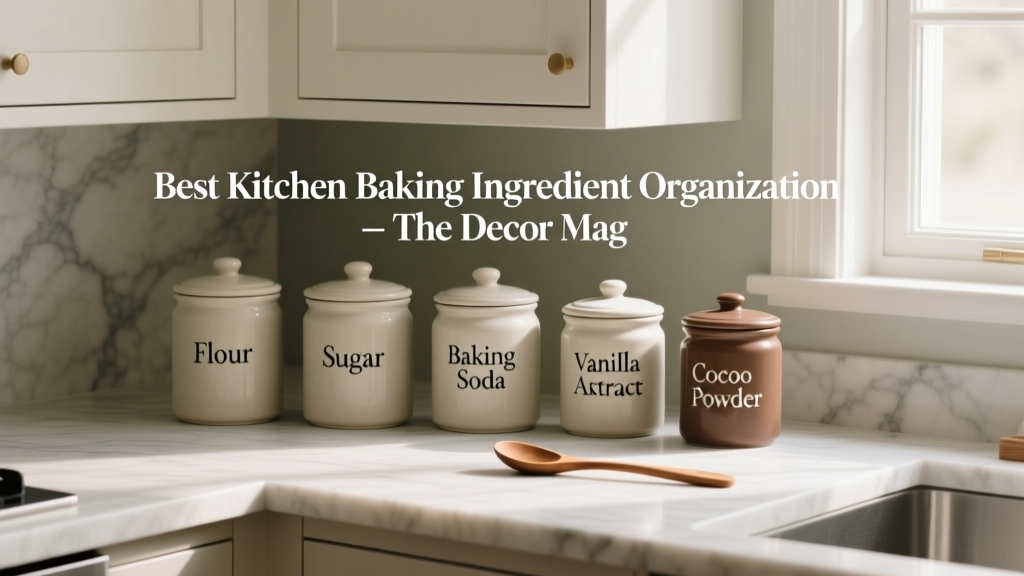 Best Kitchen Baking Ingredient Organization - The Decor Mag
 Kitchen Drawer Organization That Lasts (2026)
 Best Kitchen Drawer Organization Systems - The Decor Mag
 Kitchen Fluted Detail Cabinet Trend - The Decor Mag
 Kitchen Countertop Seam Placement: Pro Tips (2026)
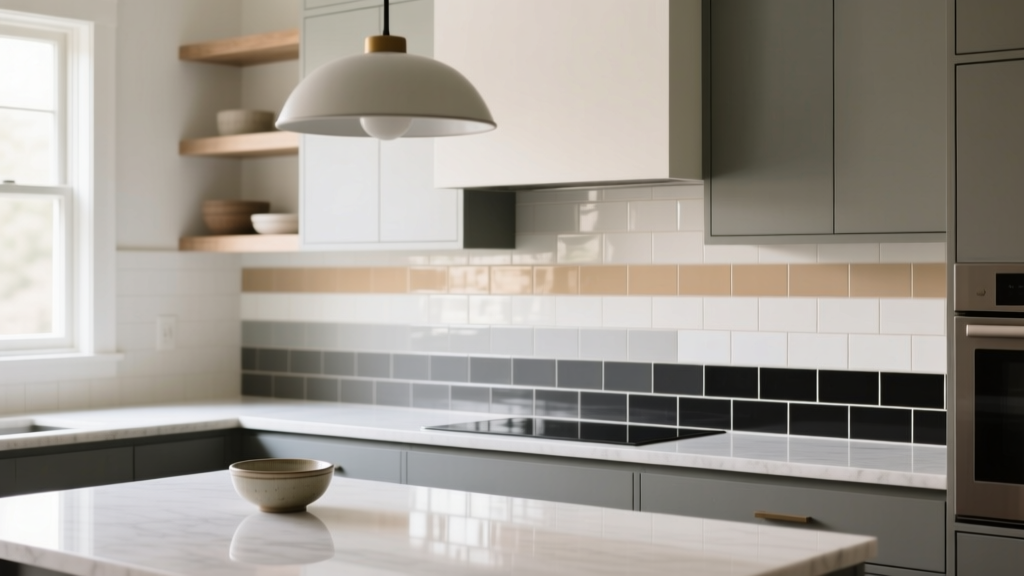 How to Choose Kitchen Backsplash Grout Color - The Decor Mag
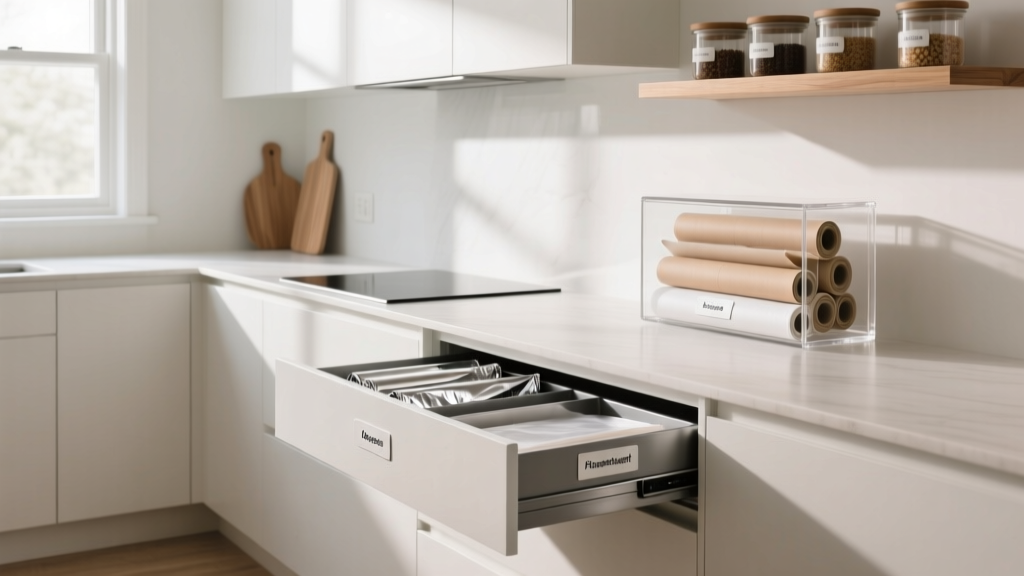 Best Kitchen Wrap Storage Solutions - The Decor Mag
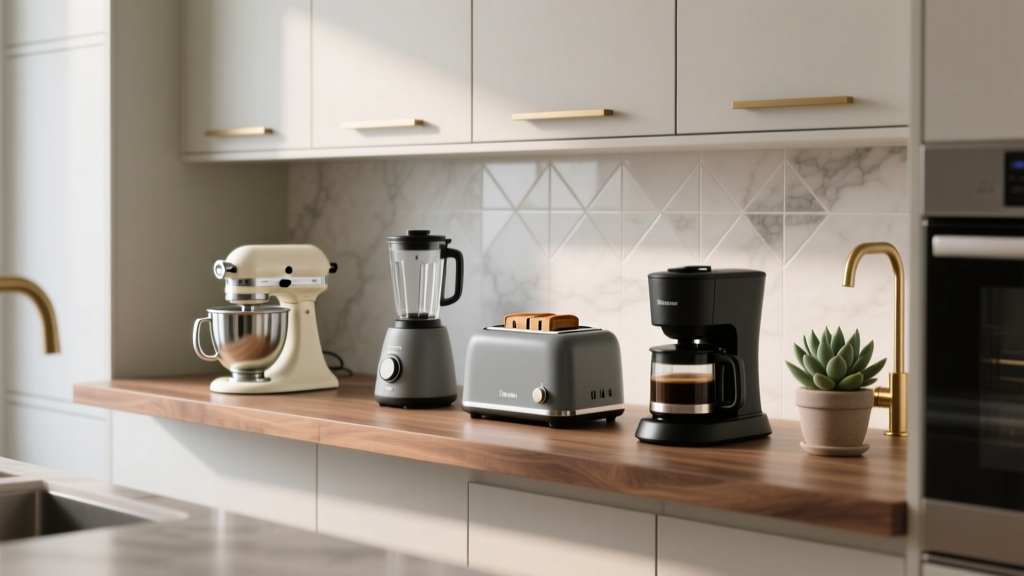 Best Kitchen Small Appliance Storage - The Decor Mag