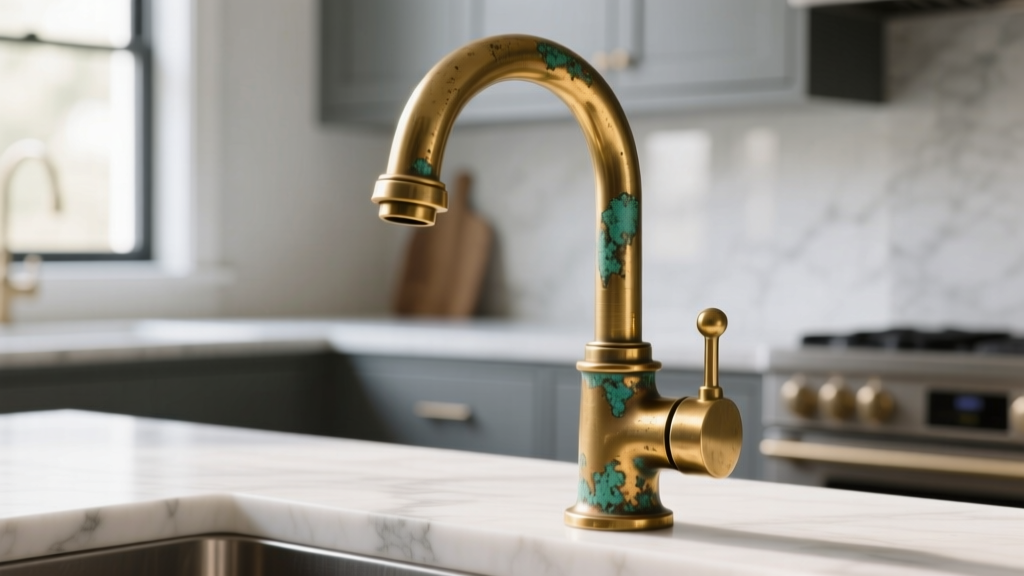
Kitchen Patina Brass Faucet Beauty - The Decor Mag
A kitchen faucet is one of the most-used fixtures in the home, yet it’s often treated like an afterthought. In a renovation—or even a simple refresh—the right faucet can pull the whole room together, elevating everyday tasks like washing produce, filling pots, and cleaning up after dinner. Patina brass faucets have become a standout choice because they offer the warmth of metal finishes without the “too shiny, too new” look that can make a kitchen feel sterile.
Patina brass (sometimes marketed as aged brass, antique brass, or living brass) brings character and softness to kitchens of all styles—from modern organic to classic transitional. The finish plays especially well with today’s kitchen design trends: natural stone, textured tiles, warm white cabinets, mixed metals, and wood accents. If you’re planning a kitchen renovation or improving a builder-grade space, choosing a patina brass kitchen faucet can deliver high impact with a relatively small footprint.
This guide covers how patina brass works, what to buy, where it looks best, how much to budget, and how to avoid common design mistakes—plus practical measurements and maintenance tips that homeowners wish they knew earlier.
Why Patina Brass Faucets Are Trending (and Why They Last)
Brass is having a strong moment in kitchen design, but the patina version is especially appealing because it reads warm, lived-in, and intentional. Unlike mirror-like polished brass, patina brass helps hide daily water spots and fingerprints and creates a bridge between old and new finishes.
What “Patina Brass” Really Means
- Patina brass finish: A factory-applied finish designed to look softened, aged, or gently darkened (often sealed to stay consistent).
- Living brass: An unsealed brass finish that naturally changes over time, developing darker areas and unique wear where it’s touched most.
- Antique/aged brass: Often similar to patina brass, but can skew darker or more brown, depending on the brand.
Timeless Functionality Meets Warm Design
Function still matters most in kitchen fixtures. Patina brass faucets deliver the same performance options as chrome or stainless—pull-down sprayers, touchless sensors, high-arc spouts—while bringing warmth that pairs beautifully with both classic and contemporary kitchens.
Choosing the Right Patina Brass Faucet: Practical Specs That Matter
Before you fall for a finish, confirm the faucet fits your sink, your layout, and the way you actually use your kitchen. These measurements and features impact daily comfort and long-term satisfaction.
Key Measurements (Use These as Your Shopping Checklist)
- Spout height: 8–10 inches works for most kitchens; 10–16 inches for a dramatic high-arc look (great for large pots, can splash more in shallow sinks).
- Spout reach: Typically 7–9 inches; aim for the water stream to hit near the center of the sink basin, not the back wall.
- Clearance to backsplash/windowsill: Leave at least 2 inches behind the faucet for handle movement and cleaning; check if the handle needs extra swing room.
- Mounting holes: Common setups are 1-hole (modern) or 3-hole (traditional). If you have 3 holes but want a single-hole faucet, plan for a deck plate or soap dispenser.
- Counter thickness compatibility: Many faucets accommodate up to about 1.5–2 inches; thicker stone may need an extension kit.
Feature Recommendations for Real Kitchens
- Pull-down spray head: Best for most homeowners; look for a strong magnetic docking system to avoid droop over time.
- Spray modes: Aerated stream + powerful spray is a practical minimum. Some models offer “sweep” or “blade” spray for stuck-on messes.
- Single-handle vs. bridge: Single-handle is easiest for quick temperature control; bridge faucets look charming in classic kitchens but take more counter space and can be slower to adjust.
- Touchless: Great for busy families and bakers; confirm you have space for the control box under the sink and an outlet (or plan for battery access).
- Water efficiency: Many are 1.5–1.8 GPM; check local codes and preferences for flow.
Where Patina Brass Looks Best: Pairings, Materials, and Layout Tips
Patina brass shines when it’s part of a cohesive kitchen design plan. Think of it as a “connector” finish—warm enough to soften white and gray, and rich enough to complement natural wood tones.
Cabinet Color Pairings That Work Every Time
- Warm whites and creams: Creates a soft, elevated look—ideal for transitional and modern farmhouse kitchens.
- Natural oak or walnut: Patina brass echoes the warmth of wood; great for Scandinavian, Japandi, and organic modern styles.
- Deep green, navy, charcoal: Brass adds contrast and sophistication; keep lighting warm (2700K–3000K) for a cohesive glow.
- Two-tone kitchens: Patina brass works especially well when upper cabinets are light and lowers are darker or wood.
Countertop and Backsplash Recommendations
Patina brass pairs best with materials that have depth and variation.
- Quartz: Choose warm-veined designs (cream, taupe, soft gray). Avoid overly cool, blue-white quartz if your brass leans golden.
- Marble: Beautiful with brass; use honed finishes to reduce etching visibility. Consider marble-look quartz for lower maintenance.
- Granite or quartzite: Great for busy kitchens; the movement in the stone complements the “aged” look of patina brass.
- Backsplash tile: Handmade-look ceramic, zellige-inspired tile, and fluted or textured subway tile amplify patina brass warmth.
Sink Pairings: Stainless, Fireclay, or Composite?
- Stainless steel sink: Most forgiving and budget-friendly. Patina brass adds warmth and makes stainless feel more custom.
- Fireclay apron-front: A classic pairing. Confirm faucet reach so water lands centrally in a deep farmhouse basin.
- Granite/composite sink: Durable and quieter than stainless. Choose warm tones (taupe, black) for a high-end look.
Layout Considerations: Island, Wall-Mount, and Prep Stations
- Main sink faucet (most homes): Invest here first—this is where quality and ergonomics pay off.
- Pot filler in patina brass: A strong trend in higher-end renovations. Mount 20–24 inches above the cooktop surface (confirm with your installer and local codes). Use it for filling pots, not as a cleaning substitute.
- Bar/prep sink faucet: A smaller matching or complementary patina brass faucet ties the kitchen together, especially in large layouts.
- Wall-mount faucet: Looks stunning with a statement backsplash. Plan rough plumbing early; spout reach and splash control are critical.
Product and Design Approach Recommendations
Best “Look” for Different Kitchen Styles
- Modern organic: High-arc pull-down faucet in patina brass + simple silhouette + warm white cabinets + natural stone.
- Transitional: Slightly curved spout, single-handle, subtle detailing. Pair with classic cabinet profiles and timeless pendants.
- Classic or cottage: Bridge faucet or traditional pull-down with cross handles. Works beautifully with beadboard, shaker cabinets, and softer lighting.
- Industrial: Patina brass can soften black metal accents. Keep forms simple and add a pro-style sprayer if you cook often.
Material and Construction: What to Look for
- Solid brass body: Often a marker of durability and weight. Many higher-quality faucets use brass bodies even if finished in different tones.
- Ceramic disc valve: Reliable, smooth operation and fewer drips over time compared to older washer systems.
- PVD or sealed finish (if you want consistency): Helps maintain the patina look with less change.
- Living finish (if you want evolution): Embraces change; expect darkening around handles and spout over time.
- Lead-free certification: Look for compliance with current safe drinking water standards (commonly listed as lead-free compliant).
Cost Ranges and Budget Considerations
Patina brass faucets span a wide price range based on brand, valve quality, finish technology, and features like touchless operation.
- Budget-friendly (approx. $150–$300): Often imported finishes and lighter-weight construction. Best for quick upgrades, rentals, or secondary sinks. Check warranty length and parts availability.
- Mid-range (approx. $300–$700): Strong sweet spot for most kitchen renovations. Expect better docking magnets, smoother handles, and more consistent finishes.
- Premium (approx. $700–$1,500+): Designer styling, robust internals, advanced spray functions, and top-tier finish options. Great for long-term homes and statement kitchens.
Installation and Hidden Costs
- Professional installation: Typically $150–$400 depending on region and complexity.
- Additional parts: Shutoff valves, supply lines, or a new sink strainer can add $30–$150.
- Touchless power: Outlet addition under sink can cost $150–$350 if needed.
- Deck plate/escutcheon: Sometimes included; if not, budget $20–$60 for a matching plate.
Maintenance: How to Keep Patina Brass Beautiful
The maintenance approach depends on whether your finish is sealed (more stable) or living (meant to change). Either way, gentle care preserves beauty and function.
Daily/Weekly Cleaning
- Wipe with a soft microfiber cloth after heavy use, especially if you have hard water.
- Use mild soap and warm water for regular cleaning.
- Dry the faucet to reduce mineral spotting.
What to Avoid
- Abrasive pads or powders (they can scratch and remove finish).
- Harsh cleaners containing bleach, ammonia, or strong acids.
- Vinegar soaks directly on the finish—safe for some surfaces, risky for many brass finishes.
Hard Water Tip (Without Damaging Finish)
If you see mineral buildup at the aerator, remove the aerator (often unscrews by hand or with a small tool), soak only the aerator in a descaling solution, rinse, and reinstall. This improves flow without exposing the entire faucet finish to harsh chemistry.
Common Mistakes to Avoid
- Mixing undertones without a plan: Patina brass can lean yellow, bronze, or brown. Compare it next to cabinet hardware, lighting, and your countertop sample in the same room lighting.
- Choosing style over ergonomics: A stunning faucet with poor reach or too-tall arc can cause constant splashing—especially with shallow sinks.
- Ignoring sink depth: High-arc faucets pair best with deeper basins (generally 8–10 inches deep). Shallow sinks may need a lower spout height to control splash.
- Not coordinating with accessories: Plan for a matching soap dispenser, air gap (if needed), or filtered water tap so the sink area looks intentional.
- Forgetting lighting temperature: Cool lighting (4000K+) can make brass look flat or greenish. Warm lighting (2700K–3000K) makes patina brass glow.
- Assuming “brass is brass” across brands: Finish names vary. Always order a sample or view in person when possible.
Action Plan: How to Choose the Right Patina Brass Faucet for Your Renovation
- Measure your sink and clearances: spout reach, height, backsplash distance, and hole configuration.
- Decide on finish behavior: sealed patina brass (stable) vs. living brass (evolves over time).
- Match to your kitchen design: bring home countertop/cabinet samples and compare in your actual lighting.
- Choose features based on habits: pull-down for daily cooking, touchless for busy households, bridge for classic charm.
- Budget for installation and extras: supply lines, shutoff valves, deck plate, and possible under-sink outlet.
- Protect the look: adopt gentle cleaning routines and handle mineral buildup at the aerator, not on the finish.
FAQ: Patina Brass Kitchen Faucets
Does patina brass go out of style?
Patina brass is less trend-dependent than bright polished brass because it feels grounded and classic. It works well with timeless materials (stone, wood, ceramic tile) and fits both traditional and modern kitchen design.
Will a patina brass faucet change color over time?
If it’s a sealed patina finish, change is minimal—mostly normal wear. If it’s living brass, it will darken and shift naturally, especially where hands touch the faucet most.
Can I mix patina brass with stainless appliances?
Yes. Stainless appliances are neutral; patina brass adds warmth at the sink and pairs well with stainless as long as the overall palette is balanced (repeat brass in hardware or lighting, or add warm wood tones).
What sink color looks best with patina brass?
White fireclay creates a classic contrast; stainless is versatile and budget-friendly; matte black or charcoal composite sinks look dramatic and modern. Choose based on how you use the sink and how much contrast you want.
Are patina brass faucets harder to keep clean than chrome?
Not necessarily. Patina finishes often hide fingerprints better than chrome. The key is avoiding abrasive cleaners and drying after heavy use if you have hard water.
Is a touchless patina brass kitchen faucet worth it?
For many households, yes—especially if you cook often. Just confirm you have space under the sink for the control box and a plan for power (battery access or an outlet).
Next Steps for a More Beautiful, Functional Kitchen
Start with your sink zone: measure carefully, choose a patina brass finish that complements your cabinet and countertop undertones, and prioritize a faucet shape and spray function that fits your cooking and cleanup routines. Small decisions—spout reach, sink depth compatibility, lighting temperature—make the difference between a faucet you admire and one you truly love using every day.
For more kitchen renovation inspiration, smart organization ideas, and timeless design guidance, explore more kitchen content on thedecormag.com.
More Articles
 How to Choose the Right Kitchen Hood Vent - The Decor Mag
 Best Kitchen Oil and Vinegar Storage - The Decor Mag
 Walk-In Pantry Kitchen Design Ideas (2026)
 Kitchen Cabinet Interior Finish: Best Choices (2026)
 Open Kitchen Safety Tips: Practical, Evidence-Based Strategies for Modern Home Cooks
 Kitchen Cabinet Soft Close: How to Choose (2026)
 Best Kitchen Towel Storage Ideas - The Decor Mag
 Kitchen Garden Connection Ideas | The Decor Mag
 How to Choose the Perfect Kitchen Countertop - The Decor Mag
 How to Choose Kitchen Backsplash Grout Color - The Decor Mag