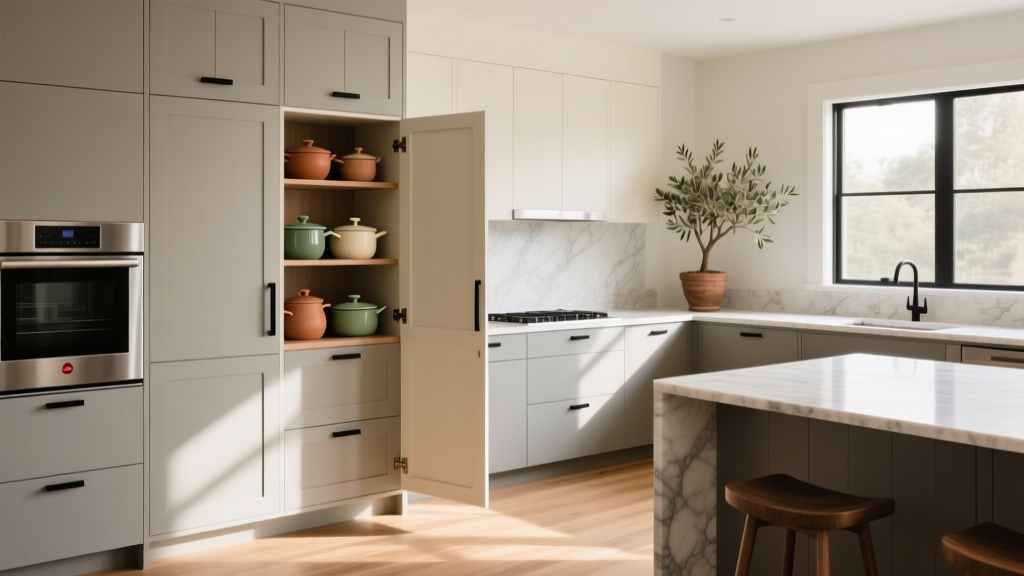
Kitchen Cabinet Color for Resale (2026)
Kitchen cabinets are one of the first things buyers notice—and one of the biggest signals of how “move-in ready” a home feels. Even when countertops, appliances, and lighting are updated, an off-putting cabinet color can make a kitchen read dated, dark, or overly personal. Since cabinets take up so much visual space, their color choice has an outsized effect on resale value and buyer confidence.
The challenge is balancing current kitchen design trends with timeless appeal. Homeowners renovating for resale often ask the same question: should you play it safe with a neutral, or make a statement that helps your listing stand out? The best answer is strategic: choose a cabinet color that flatters your home’s light, works with fixed finishes (floors and countertops), photographs well for online listings, and appeals to the widest pool of buyers—without looking bland.
This guide breaks down how to pick a kitchen cabinet color for resale, with practical measurements, material comparisons, cost ranges, and real-world tips that help your renovation look intentional, organized, and market-ready.
Start With Resale Reality: Who’s Buying, and What Do They Want?
Most buyers are looking for a kitchen that feels clean, bright, functional, and easy to personalize. Your cabinet color choice should support those goals.
Think “broadly appealing” rather than “fully custom”
- Neutrals sell because they work with many furniture styles and paint colors.
- High-contrast choices can photograph beautifully but may narrow buyer appeal if too bold.
- Warmth matters: Many buyers want a welcoming kitchen, not a sterile showroom.
Use your neighborhood as a guide
If nearby homes are updated with modern finishes, an all-honey-oak kitchen can look behind the market. If the area trends traditional, ultra-glossy modern cabinetry may feel out of place. A quick scan of local listings can reveal the dominant “buyer expectation” for your price bracket.
Assess Your Kitchen’s Fixed Elements First
Cabinet color should coordinate with the finishes you’re least likely to change. Before picking paint chips, identify your “non-negotiables.”
Most fixed elements (in order of influence)
- Flooring (especially hardwood, tile, or LVP with strong undertones)
- Countertops (granite veining, quartz patterns, solid surfaces)
- Backsplash (if staying)
- Appliances (stainless steel, black stainless, panel-ready)
- Large windows and light exposure (north vs. south-facing)
Undertones: the difference between “fresh” and “off”
Two whites can clash if undertones disagree. Use this quick guide:
- Warm undertones (yellow, cream, red): pair well with warm whites, greige, mushroom, beige, soft taupe.
- Cool undertones (blue, green, gray): pair well with crisp whites, cool grays, blue-grays, charcoal.
- Mixed undertones (many granites): often look best with balanced neutrals like greige or soft off-white.
Lighting check (simple, resale-focused method)
- View samples in morning, midday, and evening light.
- If your kitchen has under-cabinet lighting, test with it on.
- For resale photos, aim for a cabinet color that stays stable under 2700K–3000K warm-white bulbs (most common in homes).
Best Cabinet Colors for Resale (Timeless + Trend-Aware)
These colors consistently perform well because they’re adaptable, photograph nicely, and complement many kitchen renovation styles.
1) Warm white and creamy off-white
Warm whites help kitchens feel brighter without looking stark. They also pair beautifully with brass, black, and nickel hardware—making them flexible for staging.
- Best for: traditional, transitional, farmhouse, and “updated classic” kitchens
- Pairs well with: quartz that has warm veining, butcher block, light oak floors
- Pro tip: Choose a white with a subtle warmth if you have warm floors; choose a cleaner white if countertops are cool.
2) Greige (gray + beige) and soft taupe
Greige is a resale favorite because it bridges warm and cool palettes. It reads modern without being trendy, and it hides day-to-day smudges better than pure white.
- Best for: open-concept homes where the kitchen must flow with living areas
- Pairs well with: stainless appliances, white or marble-look quartz, medium-tone floors
- Design approach: Use greige cabinets with a slightly lighter wall color to keep the space airy.
3) Light, natural wood tones (white oak look)
Wood is back in a big way, especially in lighter, natural finishes that feel Scandinavian-inspired or modern organic. For resale, keep the wood tone light and the grain refined rather than rustic.
- Best for: contemporary, modern organic, coastal
- Pairs well with: white quartz, warm metals, simple slab or slim shaker doors
- Maintenance note: Choose a durable topcoat (conversion varnish or factory-finished lacquer) to resist water marks.
4) Two-tone kitchens (safe version)
Two-tone remains a current kitchen design trend, but for resale it’s smartest when the contrast is controlled.
- Resale-friendly formula: light uppers + slightly darker lowers (or a subtle island contrast)
- Good combos: white uppers + greige lowers; off-white perimeter + wood island
- Avoid: overly bold colors on most cabinets (bright teal, fire-engine red) unless your market strongly favors it.
5) Deep charcoal or soft black (as an accent)
Dark cabinets can look high-end and dramatic, but they’re best used thoughtfully for resale—often on an island or lower cabinets in a well-lit kitchen.
- Best for: spacious kitchens with strong natural light
- Pairs well with: white countertops, light floors, matte black or brushed brass hardware
- Practical tip: Choose a charcoal with a slight warmth to prevent it from feeling cold or flat in photos.
Match Color to Layout and Visual Balance
Your kitchen layout affects how a color “lands.” A shade that looks perfect on a small sample can feel heavy across a long wall of cabinets.
Use light colors to visually expand smaller kitchens
- If your kitchen is under 150 sq. ft., prioritize lighter cabinet colors (white, off-white, light greige).
- Consider a cabinet finish with a low-sheen satin to reflect light gently without showing every imperfection.
Use contrast to define zones in open-concept spaces
- For kitchens open to living/dining areas, two-tone or a contrasting island helps “anchor” the kitchen visually.
- Keep the perimeter neutral to maintain broad appeal, then add personality through lighting, bar stools, and decor (easy for buyers to swap).
Measurements that help cabinet color choices look intentional
- Upper cabinet height: 30"–42" is common. Taller uppers increase visual mass—often better with lighter colors.
- Standard counter height: 36". Dark lowers can work well because they ground the room below eye level.
- Island clearance: Aim for 42" walkways (or 48" in busy kitchens). If the kitchen feels tight, avoid dark colors that make it feel smaller.
Painted vs. Stained vs. Laminates: Material Choices Buyers Notice
Cabinet color isn’t just about the hue—finish and material quality influence perceived value.
Painted cabinets
- Pros: classic, flexible, easy to match with trendy hardware and lighting
- Cons: can chip at high-use edges; touch-ups may be visible
- Best for resale: durable factory finish or professional spray finish
Stained wood cabinets
- Pros: warmth, natural character, hides minor wear
- Cons: strong wood grain can limit style flexibility; orange/red stains look dated
- Best for resale: light oak, neutral walnut tones, matte/semi-matte topcoats
Thermofoil, laminate, and acrylic
- Pros: easy to clean, consistent color, modern look (especially matte)
- Cons: lower-end thermofoil can peel near heat sources; high-gloss shows fingerprints
- Best for resale: matte laminate in warm white, greige, or soft charcoal
Specific Product and Design Recommendations That Boost Resale Appeal
Color gets attention, but details sell the “updated kitchen” story. These upgrades often deliver strong buyer impact without requiring a full gut renovation.
Door style choices that pair well with resale-friendly colors
- Shaker: the safest choice; works with modern, transitional, and traditional homes
- Slim shaker: a trend-forward option that still feels timeless
- Simple slab: best in modern homes; pair with warm whites or natural wood for balance
Hardware that elevates neutral cabinet colors
- Brushed nickel: universally appealing, great with white/greige
- Matte black: crisp contrast, works well for modern and farmhouse
- Brushed brass: warm and current; looks high-end with off-white and wood tones
Organization upgrades buyers love (and real measurements)
- Soft-close hinges and slides: signals quality immediately during showings
- Pull-out trash/recycling: typically 2 x 35-qt bins fit a standard 18" base cabinet
- Drawer bases over doors: use 30"–36" drawer bases for pots/pans; improves function and perceived value
- Lazy Susan: best in a 36" corner base; makes corner storage feel intentional
Cost Ranges and Budget Planning
Your cabinet color strategy should align with your renovation scope. These ballpark ranges help you plan for a kitchen renovation that supports resale without overspending for your neighborhood.
Budget-friendly: repaint existing cabinets
- DIY materials: $200–$600 (primer, cabinet-grade paint, sanding supplies, rollers/sprayer rental)
- Professional painting: $2,500–$7,500+ depending on kitchen size, door condition, and prep work
- Best resale colors: warm white, off-white, light greige
Mid-range: reface cabinets (new doors, same boxes)
- Typical range: $6,000–$15,000+
- Best for: solid cabinet boxes with dated door styles or wood tones
- Color advantage: factory-finished doors in consistent, durable finishes
Full replacement: new semi-custom or custom cabinets
- Stock cabinets installed: $5,000–$12,000+
- Semi-custom installed: $12,000–$25,000+
- Custom installed: $25,000–$50,000+ (varies widely by region and scope)
- Resale tip: Spend on better interiors (soft-close, plywood boxes) and choose a classic cabinet color rather than a risky trend shade.
Maintenance Advice: Keep Resale-Friendly Colors Looking New
Buyers notice grime on white cabinets and fingerprints on dark finishes. Choosing the right sheen and cleaning routine keeps your kitchen looking listing-ready.
Best finishes for real life
- Satin: best all-around for painted cabinets—wipeable and forgiving
- Matte: stylish, hides fingerprints, but can mark if the paint system isn’t durable
- High gloss: modern look but shows smudges and surface flaws
Cleaning rules that protect the finish
- Use a soft microfiber cloth with mild dish soap and water.
- Avoid abrasive sponges and harsh degreasers on painted finishes.
- Wipe around hardware weekly—oil from hands builds up fastest here.
- Use a vent hood when cooking; less grease in the air means cleaner cabinet faces.
Common Mistakes to Avoid When Choosing Cabinet Color for Resale
- Choosing a color that clashes with countertops or floors: undertones matter more than the color family.
- Going too trendy on all cabinets: bold color is safer on an island than across the entire kitchen.
- Ignoring lighting: a north-facing kitchen can make cool whites look dull and gray.
- Using wall paint on cabinets: cabinet-grade coatings and proper prep prevent peeling and premature wear.
- Skipping test swatches: sample at least two cabinet colors on a door or large board (minimum 12" x 12"), then view over several days.
- Mismatched whites: mixing a bright-white cabinet with a creamy backsplash often looks accidental.
FAQ: Kitchen Cabinet Color for Resale
What cabinet color helps a house sell faster?
Warm white, creamy off-white, and light greige are consistently strong choices because they make kitchens feel bright, clean, and easy for buyers to personalize. They also photograph well for online listings, which drives showings.
Are dark cabinets bad for resale?
Not necessarily. Dark charcoal or soft black can look upscale, especially in larger kitchens with strong natural light and light countertops. For broader appeal, consider using dark color on the island or lower cabinets rather than the entire kitchen.
Should I match my cabinet color to my walls?
Matching can look flat. A resale-friendly approach is to keep cabinets slightly different from the wall color—either lighter cabinets with a warmer wall neutral, or greige cabinets with a soft white wall. The subtle contrast adds depth and looks more intentional.
Is it better to paint or replace cabinets before selling?
If your cabinet boxes are solid and the layout works, painting or refacing often provides a better return than full replacement. Replace cabinets when boxes are damaged, storage is inefficient, or the kitchen layout is a functional deal-breaker for buyers.
What’s the most timeless cabinet style and color combo?
Shaker-style cabinets in warm white or light greige, paired with simple hardware (brushed nickel or matte black), is one of the most timeless combinations. It suits a wide range of home styles and buyer preferences.
How do I choose between white and greige cabinets?
Choose white if your kitchen needs maximum brightening or you have darker floors. Choose greige if you want a warmer, more forgiving neutral that hides smudges better and blends easily with mixed finishes. If your countertop has strong veining, greige can be the calmer partner.
Actionable Next Steps for a Resale-Ready Cabinet Color
- Identify fixed finishes (flooring, countertops, backsplash) and their undertones.
- Narrow to 2–3 cabinet colors (warm white, off-white, greige are safe starting points).
- Test large samples (at least 12" x 12") in multiple lighting conditions.
- Decide on finish (satin is typically the best resale balance of durability and appearance).
- Elevate with details: updated hardware, soft-close, and a pull-out trash cabinet can make neutral cabinets feel premium.
- Plan your budget: repaint for the biggest visual change per dollar; reface or replace if the doors/layout are the real issue.
A well-chosen kitchen cabinet color makes your renovation feel cohesive, current, and welcoming—exactly what today’s buyers want when they’re comparing homes online and walking through in person.
Looking for more kitchen design inspiration, organization ideas, and renovation guides? Explore the latest at thedecormag.com.
More Articles
 How To Match Styling With Fluted Cabinet Doors, Countertops, and Hardware
 Best Kitchen Rug Options for Comfort - The Decor Mag
 Kitchen Leaded Glass Cabinet Doors - The Decor Mag
 Best Kitchen Small Appliance Storage - The Decor Mag
 Best Kitchen Oil and Vinegar Storage - The Decor Mag
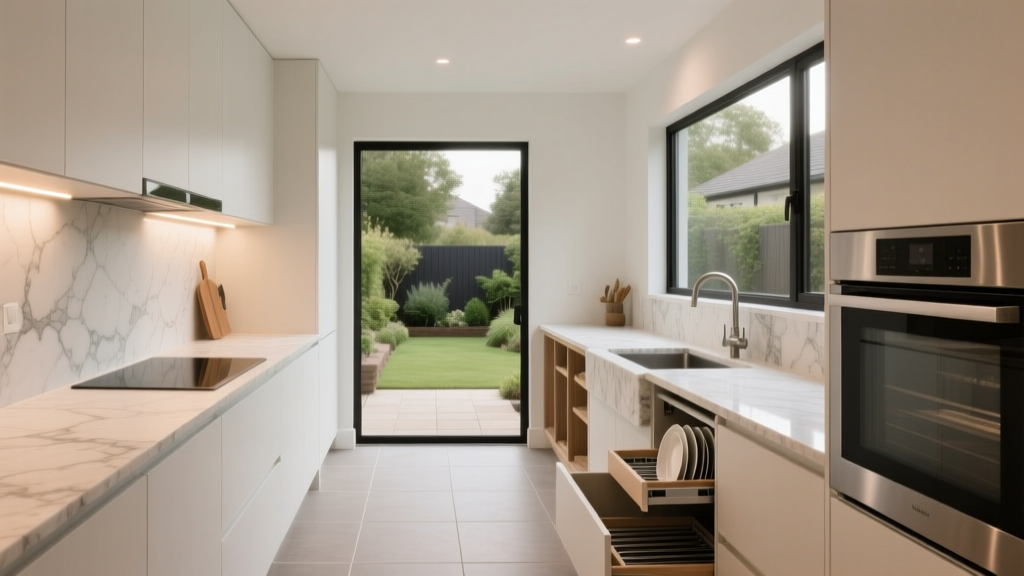 How to Design a Kitchen with a Scullery - The Decor Mag
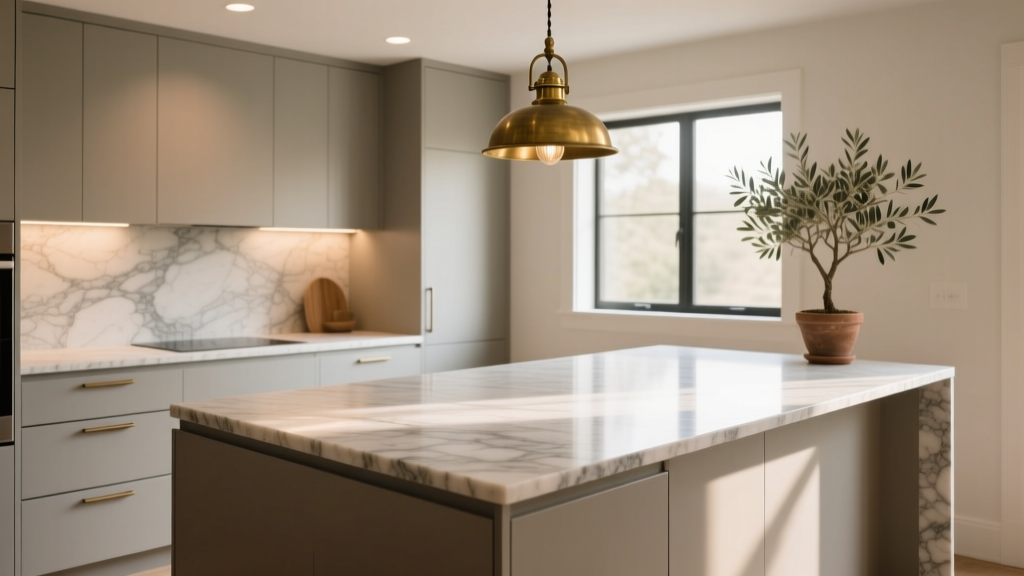 Kitchen Honed Finish Countertop Appeal - The Decor Mag
 The Practical Kitchens Kitchen Design & Buying Guide: Space, Function, and Real-World Value
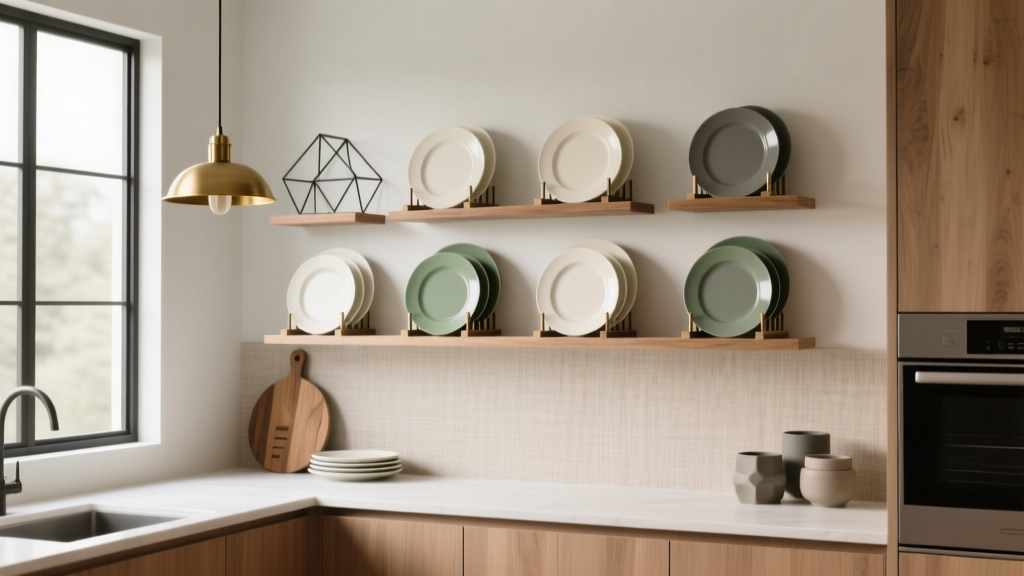 Best Kitchen Plate Rack Display Options - The Decor Mag
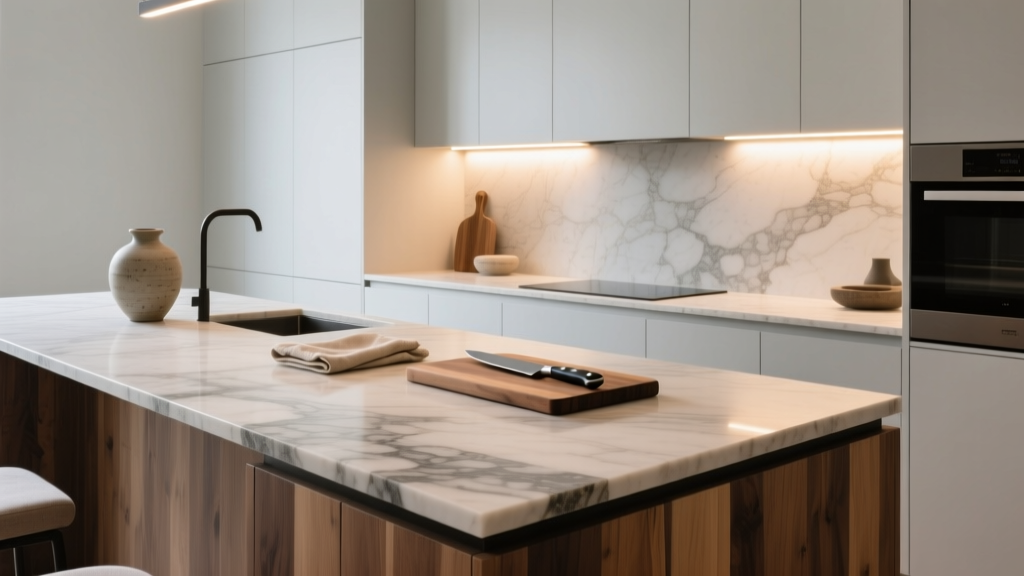 Kitchen Mixed Material Countertop Design - The Decor Mag