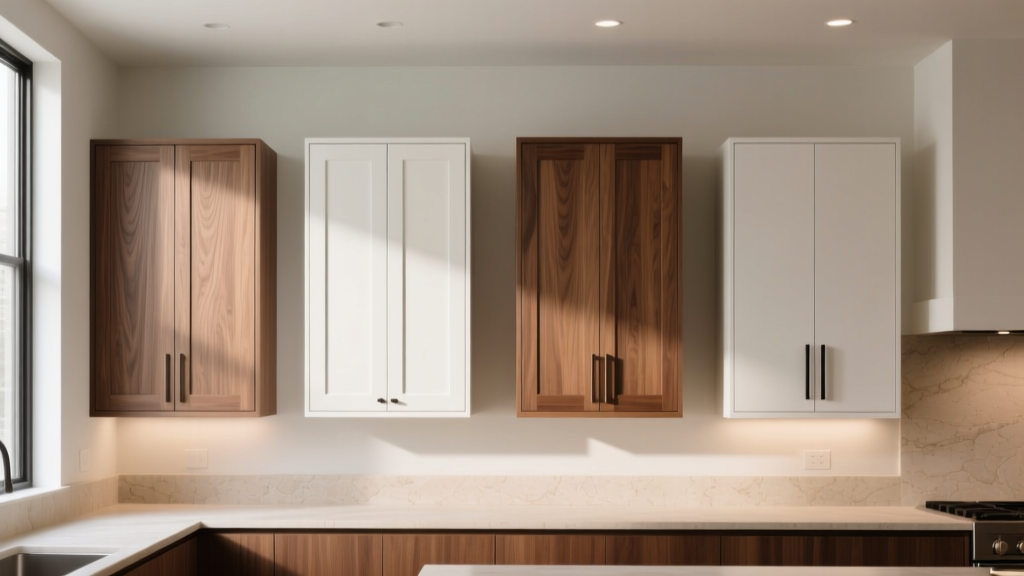
How to Choose Kitchen Cabinet Door Styles - The Decor Mag
Kitchen cabinet doors take up the most visual space in a kitchen, so the style you choose will shape the entire room—whether you’re going for warm and traditional, sleek and contemporary, or something in between. Door style also affects how your kitchen wears over time: the grooves that look charming on day one can be the same grooves that collect grease and dust a year later.
For homeowners planning a kitchen renovation, cabinet door style is one of the highest-impact decisions you’ll make for both design and daily function. It influences cleaning, durability, resale appeal, and even how large or bright the kitchen feels. With so many options—Shaker, slab, raised panel, glass-front, and more—this guide breaks down the decision in a practical, inspiring way, with cost ranges, material comparisons, and common mistakes to avoid.
If you’re upgrading existing cabinetry with new doors (a smart budget move) or choosing a full cabinet line, use the steps below to narrow your choices with confidence.
Start With Your Kitchen’s Architecture and Style Direction
Cabinet doors look best when they reinforce the home’s overall character. A modern slab door can feel out of place in a 1920s bungalow—just as an ornate raised panel can overwhelm a clean-lined condo kitchen.
Quick style matching guide
- Shaker (5-piece recessed panel): Works with modern farmhouse, transitional, Scandinavian, and classic kitchens. Timeless and highly resale-friendly.
- Slab (flat panel): Best for modern, minimalist, contemporary, and some mid-century inspired spaces.
- Raised panel: Traditional, colonial, and formal kitchens; adds depth and detail.
- Beadboard panel: Cottage, coastal, farmhouse; can feel casual and textured.
- Inset doors: Period homes, high-end traditional/transitional; tailored and furniture-like.
- Glass-front: Great for uppers, hutches, and display zones; pairs with most styles depending on frame profile.
Trend-aware, but not trend-trapped
Current kitchen design trends favor warmer whites, greige, natural wood tones, mixed materials, and fewer overly ornate details. Shaker and slim Shaker profiles are trending because they bridge modern and traditional. Slab doors are still popular for sleek kitchens, especially in matte finishes and natural wood veneers. If you want a look that stays relevant for 10–20 years, lean toward simple profiles with quality materials, then express trends through lighting, paint, hardware, and decor.
Understand the Main Kitchen Cabinet Door Styles
Shaker doors
Shaker doors have a flat center panel with a frame around it. They feel clean and balanced, and they suit nearly every layout—from small galley kitchens to open-concept great rooms.
- Best for: Most homeowners, especially if resale value matters
- Design tip: Choose a narrower rail/stile (around 2" to 2.5") for a more contemporary look; wider (2.5" to 3.5") reads more traditional.
- Cleaning: Easy; occasional dusting along the inner edge
Slab (flat-panel) doors
Slab doors are one smooth surface with no frame. They create a streamlined look and visually simplify busy spaces, making them especially strong in small kitchens.
- Best for: Modern kitchens, minimalist design, high-contrast palettes
- Design tip: Use integrated pulls or edge pulls for a true modern look, or add simple bar pulls for a softer approach.
- Cleaning: Easiest; wipe-down friendly
Raised-panel doors
Raised-panel doors have a center panel that “pops” forward, adding shadow lines and visual richness. They can be beautiful, but they add detail that can feel busy if your counters, backsplash, and lighting are already statement-makers.
- Best for: Traditional kitchens and larger spaces
- Design tip: Pair with quieter countertops (solid surface or subtle stone) to avoid visual overload.
- Cleaning: More crevices; expect extra wipe-down time
Inset cabinet doors
Inset doors sit flush within the cabinet frame rather than overlaying it. The result is a crisp, custom look, but the craftsmanship needs to be excellent for consistent reveals (the small gaps around the door).
- Best for: High-end renovations, classic architecture
- Measurement to know: Typical inset “reveal” is about 1/8" around doors and drawers; consistent reveals are the hallmark of quality.
- Practical note: Inset reduces interior opening slightly; plan storage carefully for tight kitchens.
Glass-front doors
Glass-front doors break up long runs of cabinetry and can make a kitchen feel lighter. They’re ideal for uppers—especially near a window wall or above a coffee station.
- Best for: Display zones, small kitchens needing visual openness
- Design tip: Use reeded or frosted glass if you want texture without “always tidy” pressure.
- Lighting tip: Add interior cabinet lighting (LED strips or puck lights) for a polished look.
Overlay vs. Inset: The Construction Detail That Changes Everything
Door style gets the attention, but overlay type affects both appearance and price.
- Full overlay: Doors cover most of the face frame, leaving a slim gap. Modern and clean; maximizes interior opening. Common in stock and semi-custom cabinetry.
- Partial overlay: More frame is visible between doors. Often found in budget lines or traditional looks.
- Inset: Doors sit inside the frame. Premium look; higher labor and precision requirements.
Budget impact: Inset cabinetry can cost 15%–30% more than comparable overlay construction due to hardware and craftsmanship.
Pick the Right Material for Your Lifestyle (and Your Climate)
When choosing kitchen cabinet door styles, don’t separate style from material. The same Shaker profile can perform very differently in MDF versus solid wood.
Material comparison
- Solid wood: Durable and repairable; can expand/contract with humidity. Best for stained finishes and long-term value. Expect more visible grain and natural variation.
- MDF (medium-density fiberboard): Very smooth for painted cabinets; stable and less prone to seasonal movement. Not ideal if exposed to repeated water (think sink base) without excellent finishing.
- Plywood (box construction more than doors): Strong and moisture-resistant; often a “quality marker” for cabinet boxes. Doors may still be MDF or wood depending on finish.
- Thermofoil (vinyl-wrapped): Budget-friendly, easy to wipe, but can peel or warp near heat (oven/dishwasher) over time. Choose higher-quality lines and use heat shields where needed.
- Laminate: Highly durable surface in many colors; great for slab doors and contemporary kitchens. Look for quality edge banding to prevent chipping.
Finish selection: paint vs. stain vs. wood tone
- Painted doors: Best on MDF or tight-grain woods (maple). Choose a durable finish (conversion varnish or high-quality factory finish) for kitchens that see heavy use.
- Stained doors: Best on solid wood; hides small dings and wears gracefully. Great for warm, organic kitchen design trends.
- Natural/white oak looks: Extremely popular right now; pairs well with quartz, matte black or brushed nickel hardware, and warm neutrals.
Match Door Style to Kitchen Layout and Visual Weight
The same door style can feel different depending on cabinet density and ceiling height. Use layout to guide your choice.
Small kitchens (galley, U-shape, compact L-shape)
- Choose slab or slim Shaker to reduce visual clutter.
- Consider lighter finishes (warm white, light oak) to reflect light.
- Use glass-front uppers sparingly (1–3 doors) to open the space without adding maintenance pressure.
Large kitchens and open-concept spaces
- Standard Shaker, inset, or raised panel can work well because the room can “hold” more detail.
- Mixing finishes is effective: for example, wood island + painted perimeter using the same door style for cohesion.
- Long cabinet runs benefit from a focal break: glass-front section, open shelving niche, or a hutch-style area.
Ceiling height considerations
- 8-foot ceilings: Keep upper doors simpler; consider extending cabinets to the ceiling to avoid dust-collecting soffit gaps. Use 30"–36" uppers plus a small stacked cabinet if needed.
- 9-foot+ ceilings: Stacked cabinets (two-tier uppers) look intentional and can add architectural interest, especially with Shaker or slab doors.
Hardware and Proportions: The Details That Make Doors Look Custom
Even budget-friendly kitchen cabinets can look elevated with thoughtful proportions and hardware.
Practical measurements for hardware placement
- Upper cabinets: Place knobs or pulls 2.5"–3" from the bottom corner of the door (or centered on the stile for Shaker).
- Base cabinets: Place hardware 2.5"–3" from the top corner of the door.
- Drawer pulls: Centered on the drawer face; for wide drawers (30"–36"), consider 8"–12" pulls or two knobs for balance.
Hardware style pairing
- Shaker: Works with almost anything—bar pulls, cup pulls, simple knobs.
- Slab: Edge pulls, integrated channels, or slim bars to keep the look clean.
- Raised panel: More traditional knobs and pulls, warmer metals (antique brass, oil-rubbed bronze).
Cost Ranges and Budget Considerations
Kitchen renovation budgets vary widely by region, cabinet brand, and installation complexity, but these ranges help set expectations for cabinet door style decisions.
- Cabinet refacing (new doors + drawer fronts, keep boxes): Typically $4,000–$12,000+ for an average kitchen. Great if your cabinet layout works and boxes are in good condition.
- Stock cabinets: Often $150–$300 per linear foot (cabinets only), with Shaker and slab commonly available.
- Semi-custom cabinets: Often $300–$650 per linear foot, with more door styles, finishes, and sizing flexibility.
- Custom cabinets: Often $650–$1,200+ per linear foot, where inset doors, specialty woods, and exact fit are more accessible.
Where to spend vs. save
- Spend on: High-quality hinges (soft-close), durable factory finishes, and moisture protection near sinks/dishwashers.
- Save on: Overly complex door profiles, too many glass-front doors, or niche finishes that may date quickly.
Maintenance Advice by Door Style
- Slab: Wipe with a microfiber cloth and mild soap; ideal for busy families and avid cooks.
- Shaker: Use a soft brush or cloth along the inner edge occasionally to remove dust/crumbs; avoid harsh degreasers that dull paint.
- Raised panel: Clean grooves regularly; grease can collect around decorative edges near the cooktop.
- Glass-front: Choose a glass cleaner that won’t streak; keep only your “pretty essentials” inside to reduce visual clutter.
Best everyday cleaner: Warm water + a drop of dish soap. Dry with a clean cloth to prevent water spotting, especially on darker finishes.
Common Mistakes to Avoid
- Choosing door style without considering cleaning: Highly detailed profiles look great but require more upkeep—especially near cooking zones.
- Ignoring finish durability: A low-quality painted finish may chip around pulls and trash pull-outs. Prioritize factory-finished doors when possible.
- Overusing glass-front cabinets: A few add airiness; too many demand constant styling and can make storage stressful.
- Forgetting the backsplash and countertop relationship: Busy doors + busy stone + patterned backsplash can feel chaotic. Pick one main “star.”
- Skipping samples: Always view a door sample in your kitchen’s lighting (day and night). Undertones shift dramatically under warm LEDs.
- Not planning for appliances and heat: Thermofoil too close to an oven can peel; ensure proper fillers, end panels, and heat shields.
A Simple Step-by-Step Process to Choose the Right Door Style
- Define your style goal: Modern, transitional, traditional, or coastal/farmhouse.
- Choose your “quiet base”: If countertops are bold, choose a simpler door (slab or Shaker). If countertops are subtle, you can add door detail.
- Decide overlay type: Full overlay for a cleaner look; inset for premium, tailored style.
- Select material and finish: Painted MDF for smooth paint; solid wood for stain and warmth; laminate for durability in modern kitchens.
- Confirm proportions: Rail width, drawer sizes, and whether you’ll use stacked uppers.
- Test hardware: Order 2–3 pulls/knobs and tape them in place; check comfort and scale from across the room.
FAQ: Choosing Kitchen Cabinet Door Styles
What is the most timeless kitchen cabinet door style?
Shaker is widely considered the most timeless. It suits a range of kitchen design styles, works with nearly any countertop material, and feels current even as trends shift.
Are slab cabinet doors hard to keep clean?
They’re among the easiest to maintain because there are no grooves. Fingerprints can show more on high-gloss or very dark finishes, so matte or satin sheens are often more forgiving.
Is MDF a good choice for kitchen cabinet doors?
For painted cabinet doors, MDF is a strong option because it resists wood grain telegraphing and seasonal movement. Choose a quality factory finish and be mindful around sink areas where repeated moisture exposure can be an issue if edges are damaged.
How many glass-front cabinet doors should I include?
For most kitchens, 2–6 glass-front doors is a practical range, usually on upper cabinets. Use them to break up a long run, highlight a coffee bar, or frame a focal area—without turning everyday storage into a display obligation.
Which cabinet door style is best for resale value?
Shaker in a neutral finish (warm white, light greige, or natural wood) is generally the safest for resale. Full overlay construction and soft-close hardware also appeal to buyers.
Can I change cabinet door style without replacing the whole kitchen?
Yes. Refacing or replacing doors and drawer fronts can dramatically update a kitchen layout you already like. Confirm your cabinet box condition, hinge type, and measurements so the new doors fit properly.
Next Steps: Make Your Choice with Confidence
To choose the right kitchen cabinet door style, focus on the intersection of home architecture, daily maintenance, material performance, and budget. Start by selecting a style family (Shaker, slab, raised panel, inset), then refine it with overlay type, finish, and hardware. Order samples, view them in your kitchen lighting, and test a couple of hardware options before you commit.
For more kitchen renovation guidance, cabinet organization ideas, and trend-forward decor inspiration, explore the latest articles at thedecormag.com.
More Articles
 Kitchen Statement Range as Focal Point - The Decor Mag
 How To Match Nightstand With Lighting: A Practical, Design-Forward Guide
 Kitchen Island Seating Overhang: How Much? (2026)
 How to Repair Sustainably: Practical Strategies for Extending the Life of Kitchen Appliances, Cookware, and Fixtures
 Create Care and Maintenance: A Practical, Brand-Specific Guide for Modern Kitchens
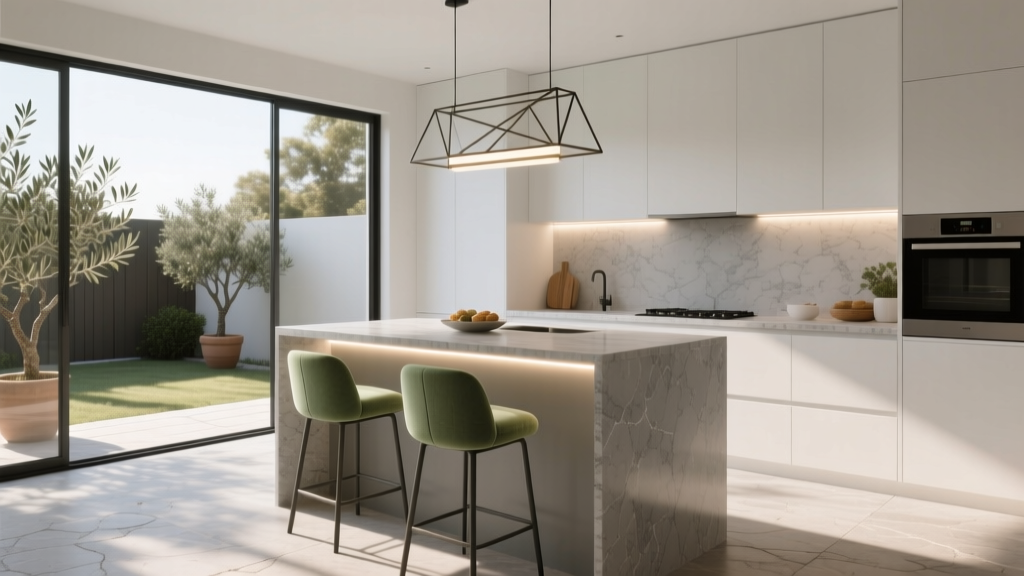 How to Design a Kitchen with a Breakfast Bar - The Decor Mag
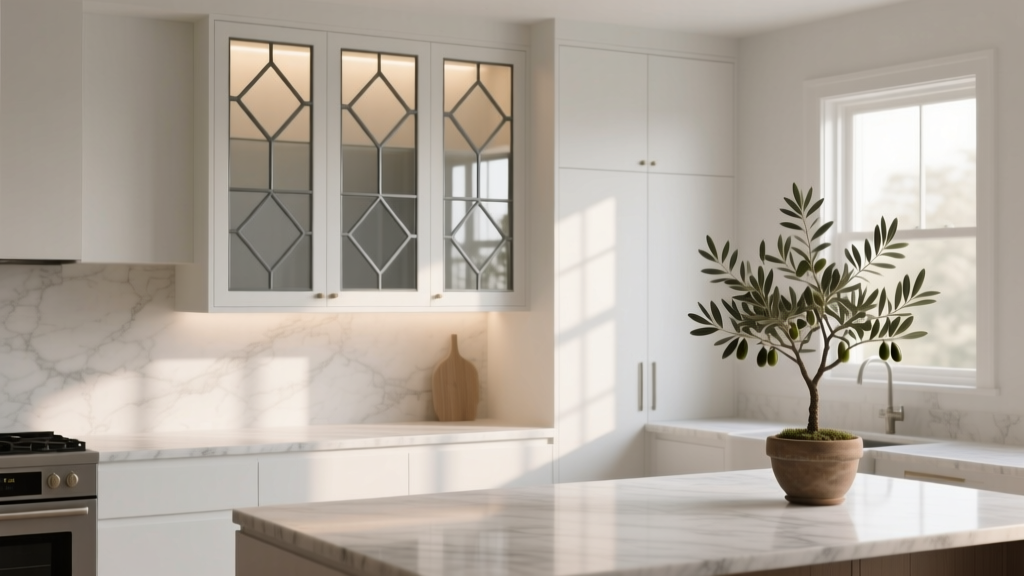 Kitchen Leaded Glass Cabinet Doors - The Decor Mag
 Best Kitchen Specialty Appliance Placement - The Decor Mag
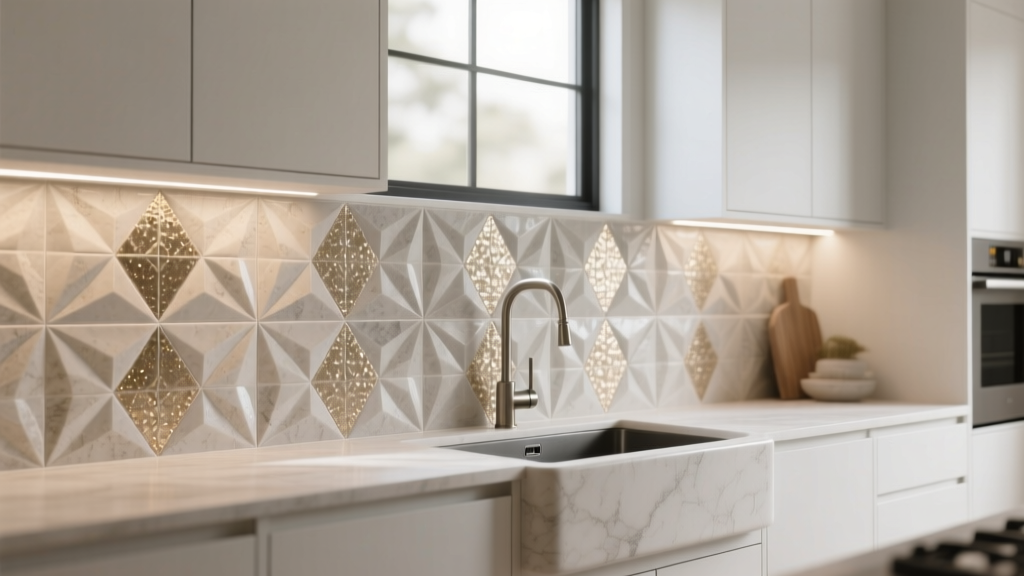 Kitchen Textured Backsplash Tile Trends - The Decor Mag
 Best Kitchen Baking Tool Organization (2026)