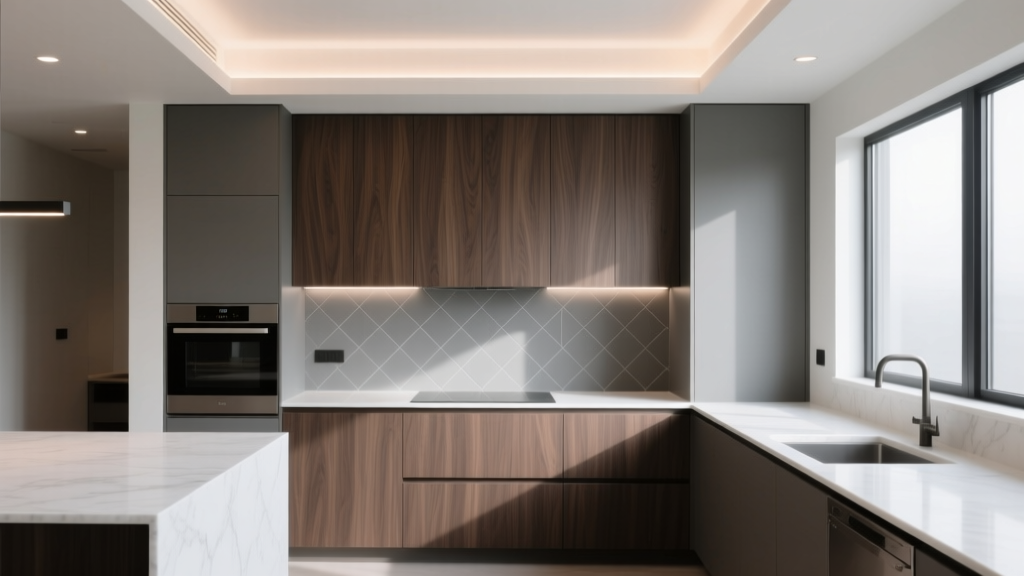
Kitchen Cabinet Finish Durability (2026)
Your kitchen cabinets take more daily wear than almost any other surface in your home. Between cooking steam, oily splatters, wet hands, cleaning sprays, and the constant push-pull of doors and drawers, the cabinet finish is doing heavy lifting—quietly protecting the wood (or engineered core) underneath while setting the style of your entire kitchen design.
Choosing a cabinet finish isn’t just a “color decision.” The right finish can prevent swelling, peeling, staining, and yellowing for years, especially in high-traffic kitchens with kids, pets, or serious home cooks. The wrong finish can make a new kitchen renovation feel tired and dingy far too soon—often around sinks, trash pull-outs, and cooktop zones where moisture and grease are relentless.
This guide breaks down the most durable kitchen cabinet finishes, how they perform in real-life kitchens, what they cost, and how to match finish type to your layout, lifestyle, and maintenance preferences—so your cabinetry looks beautiful and functions hard for the long haul.
What “Durable” Really Means for Kitchen Cabinet Finishes
Durability isn’t one thing. A finish that resists scratches may not resist yellowing, and a finish that’s easy to touch up may show fingerprints. When comparing options, use these performance criteria:
- Moisture resistance: Critical near sinks, dishwashers, and coffee stations.
- Heat and steam resistance: Essential around cooktops, wall ovens, and kettle zones.
- Scratch and chip resistance: Especially for drawers, trash pull-outs, and base cabinets.
- Stain and grease resistance: For kitchens with frequent frying, sautéing, or heavy use.
- UV resistance: Helps prevent fading in sunny kitchens.
- Cleanability: Some finishes tolerate stronger cleaners; others require gentler care.
- Repairability: Can you touch up nicks without refinishing everything?
High-wear zones to plan for
Walk through your kitchen like a cabinet finish inspector. These areas typically show wear first:
- Sink base cabinet: Drips, damp sponges, plumbing leaks.
- Trash/recycling pull-out: Frequent handling, bumps from bins.
- Dishwasher-adjacent cabinets: Steam bursts when the door opens.
- Cooktop cabinets and spice pull-outs: Heat, oil, and spice dust.
- Pantry doors: High touch, often slammed or bumped by baskets.
Finish Types Compared: Pros, Cons, and Best Uses
1) Factory-Applied Painted Finishes (Best all-around for many homes)
Most durable painted cabinets today are factory-finished using controlled spraying and curing. Common systems include catalyzed conversion varnish, 2K polyurethane, and baked-on enamel processes (varies by manufacturer).
- Durability: High, especially with catalyzed finishes.
- Look: Smooth, modern to transitional; great for trending colors like warm whites, greige, mushroom, deep green, and navy.
- Maintenance: Wipeable, but darker colors may show dust and smudges.
- Repairability: Moderate—small chips can be touched up, but perfect color matching can be tricky.
Best for: Busy family kitchens, open-concept homes where cabinetry is a focal point, and homeowners who want a clean, timeless look with strong protection.
2) Stained + Clear Coat (Excellent for hiding minor wear)
Stain emphasizes wood grain—popular with oak, maple, walnut, and white oak (a current kitchen design trend). Durability depends heavily on the clear topcoat.
- Durability: High when paired with a strong clear coat (conversion varnish or polyurethane).
- Look: Warm, natural, textured; ideal for organic modern and modern farmhouse styles.
- Maintenance: Easy; minor dings and scratches can blend into grain.
- Repairability: Often easier to “hide” wear than paint, but deep damage may require professional spot finishing.
Best for: Households that want a forgiving finish and a natural, timeless material story.
3) Thermofoil (PVC) and Foil-Wrapped Doors (Budget-friendly, mixed durability)
Thermofoil is a vinyl layer heat-wrapped over an MDF core. Quality varies widely.
- Durability: Good against stains and moisture; weaker near high heat (can peel at edges over time).
- Look: Often smooth and consistent; can mimic painted doors.
- Maintenance: Simple wipe-down; avoid abrasive pads.
- Repairability: Low—peeling or bubbling typically means replacing the door.
Best for: Rental properties, secondary kitchens, or tight budgets—especially in layouts where cabinets aren’t exposed to strong heat sources.
Tip: If choosing thermofoil, prioritize heat protection. Keep at least 3 inches of clearance from toaster ovens and air fryers, and use heat shields next to wall ovens if recommended by the cabinet manufacturer.
4) Laminate (HPL/TFL) Cabinets (Highly durable, modern, and underrated)
High-pressure laminate (HPL) and textured laminate finishes have come a long way. They resist scratches and stains extremely well and are common in contemporary kitchen renovation projects.
- Durability: Very high for scratch/stain resistance.
- Look: Modern, matte, textured, wood-look, or solid colors.
- Maintenance: Excellent; easy to clean.
- Repairability: Moderate to low; severe edge damage may require panel/door replacement.
Best for: Busy kitchens, minimalist and modern designs, and homeowners who prioritize low maintenance over natural wood grain authenticity.
5) On-Site Painted Cabinets (Best reserved for refinishing, not new installs)
Painting cabinets in place can look beautiful, but durability depends on prep, product quality, and cure time. For new kitchens, factory finishing is typically tougher.
- Durability: Variable; can be good with professional catalyzed products, but often less tough than factory finishes.
- Look: Great for cabinet refresh projects and color transformations.
- Maintenance: Gentle cleaners recommended; allow full curing (often 2–4 weeks) before harsh cleaning.
- Repairability: Good—touch-ups are usually easier when you control the paint product used.
Best for: Homeowners improving existing kitchens without a full cabinet replacement.
Choose the Right Sheen: Matte vs Satin vs Semi-Gloss
Sheen affects both style and practicality. A common sweet spot for durable kitchen cabinet finishes is satin, balancing cleanability and scratch visibility.
- Matte (0–10% sheen): Trend-forward and hides fingerprints well, but can show burnishing (shiny rub spots) over time in high-touch areas.
- Satin (20–35% sheen): Most versatile; cleans well without highlighting every nick.
- Semi-gloss (40–70% sheen): Very wipeable; can emphasize door imperfections and glare under strong kitchen lighting.
Recommendation: For family kitchens and resale-friendly renovation choices, aim for satin on doors and drawer fronts. Consider matte only if the product line is engineered for matte durability (ask for performance specs).
Material + Finish Pairings That Last
Solid wood vs MDF vs plywood: what matters for durability
- MDF (medium-density fiberboard): Extremely stable for painted doors (less seasonal wood movement), which helps prevent hairline cracks at joints. Choose moisture-resistant MDF where available.
- Solid wood: Great for stained doors; can expand/contract slightly with humidity changes, which can stress painted joints on certain door styles.
- Plywood boxes: Strong and moisture-resistant for cabinet interiors; excellent for long-term durability, especially in sink bases.
Best practice combo: Painted MDF doors + plywood cabinet boxes + factory catalyzed topcoat for a durable, low-maintenance kitchen.
Door style impacts how well a finish holds up
- Shaker doors: Timeless and popular, but painted Shaker doors can develop hairline cracks at rail/stile joints over time. Higher-quality construction and stable cores help.
- Slab (flat-panel) doors: A top trend in modern kitchens; fewer seams means fewer stress points—great for durability and easy cleaning.
- Detailed profiles: More grooves = more places for grime; beautiful but higher maintenance.
Layout-Specific Recommendations for a More Durable Kitchen
Your kitchen layout influences how cabinets get abused. Build durability into the plan, not just the finish selection.
Protect cabinets from water and steam
- Use a drip tray or protective mat in the sink base (cut to fit). Typical sink base widths are 30", 33", or 36".
- Choose a dishwasher with a steam deflector or add an aftermarket shield to protect the underside of adjacent countertop and cabinet edges.
- Consider a waterproof toe-kick or at least a sealed toe-kick edge in homes with frequent mopping.
Plan for impact resistance where it matters
- Add trash pull-out hardware with soft-close slides rated for 75–100 lb to reduce slamming.
- Use door bumpers and adjustable soft-close hinges on all doors.
- Keep 12–15 inches of landing space beside the cooktop to reduce hot-pan bumps against cabinet faces.
Cost Ranges and Budget Considerations
Cabinet finish choices are tied to both the door material and the finishing process. Use these ballparks to plan your kitchen renovation budget (pricing varies by region, brand, and cabinet line).
- Stock cabinets with standard painted or stained finish: $150–$350 per linear foot
- Mid-range semi-custom with upgraded catalyzed finishes: $300–$650 per linear foot
- Custom cabinets with premium finish systems and specialty colors: $600–$1,200+ per linear foot
- Cabinet refacing (new doors, finished ends, hardware): $6,000–$15,000+ for an average kitchen
- Professional cabinet repainting (on-site refinishing): $3,000–$10,000+ depending on size and prep needs
Where to spend for durability
- Factory finish upgrade (catalyzed topcoat or higher-performance system)
- Plywood boxes (especially at the sink base and heavily loaded drawers)
- Soft-close hinges and drawer slides (reduces wear and impact)
- Quality edge banding and sealed ends (protects against moisture infiltration)
Product and Design Approaches That Hold Up Over Time
- Choose lighter mid-tones for forgiveness: Warm whites, soft taupes, and light oak stains hide dust and minor wear better than ultra-matte black.
- Consider textured or grained finishes: A subtle woodgrain texture in laminate or a wire-brushed stain can camouflage micro-scratches.
- Use contrasting islands strategically: Trend-wise, two-tone kitchens are still strong. Put the more durable or forgiving finish on the perimeter (high touch), and use a deeper color on the island (less exposure to sink steam, depending on layout).
- Upgrade interior surfaces: Look for melamine or durable interior coatings that wipe clean easily—especially for pantry and trash cabinets.
Maintenance Tips to Extend Cabinet Finish Life
- Clean with a microfiber cloth and mild dish soap diluted in warm water.
- Avoid abrasive sponges and powdered cleaners that can dull sheen.
- Skip harsh chemicals (ammonia, bleach, heavy degreasers) unless the cabinet maker explicitly approves.
- Dry edges immediately—especially around sink doors and drawer fronts.
- Use cabinet hardware (pulls/knobs) to minimize skin oils on the finish.
Quick routine: Weekly wipe-down of high-touch areas (trash pull-out, fridge-side pantry, sink base). Monthly deeper clean around cooktop cabinets and handles.
Common Mistakes to Avoid
- Choosing finish based on color alone: Ask what the topcoat is and whether it’s factory-cured.
- Ignoring heat exposure: Thermofoil and some adhesives can fail near ovens and frequent countertop appliances.
- Overdoing matte without performance backing: Some matte finishes show shiny rub marks where hands repeatedly touch.
- Assuming all “white paint” is equal: Whites vary in undertone and yellowing resistance. Ask about UV stability.
- Skipping a sample test in your lighting: View door samples next to your countertop and backsplash under daytime and nighttime lighting.
- Not planning for water protection: A tiny leak can destroy a sink base cabinet regardless of finish if the box material isn’t well sealed.
FAQ: Choosing a Durable Kitchen Cabinet Finish
What is the most durable finish for kitchen cabinets?
Factory-applied catalyzed finishes (often conversion varnish or 2K polyurethane systems) tend to be the most durable for everyday kitchens, offering strong resistance to moisture, stains, and wear.
Are painted cabinets less durable than stained cabinets?
Not necessarily. A high-quality factory paint system can be extremely durable. Stained cabinets can be more forgiving for small dings because the wood grain helps camouflage wear.
Do matte cabinet finishes hold up in busy kitchens?
They can, but choose a matte finish designed for cabinetry performance. Some matte finishes can develop shiny “burnished” spots in high-touch areas. Satin is often the safer durability choice.
Is thermofoil a good choice for durability?
Thermofoil resists stains and wipes clean easily, but it’s more vulnerable to heat-related peeling at edges. It’s best for budgets and lower-heat zones, not cabinets hugging a wall oven.
How do I protect cabinets around the sink and dishwasher?
Use a fitted sink-base mat, wipe drips quickly, and install a dishwasher steam shield/deflector if your model doesn’t include one. Moisture management does more for durability than any single finish upgrade.
What sheen is best for kitchen cabinets?
Satin is the most practical all-around sheen for durable kitchen cabinet finishes—easy to clean while avoiding the glare and flaw-highlighting tendency of semi-gloss.
Actionable Next Steps for a Durable Cabinet Finish Decision
- Identify your kitchen’s stress points (sink base, trash pull-out, cooktop area) and prioritize durability there.
- Request finish specs from your cabinet supplier: ask whether the finish is factory-applied, catalyzed, and how it performs against moisture and household chemicals.
- Bring home door samples and test them: wipe with a damp cloth, check fingerprint visibility, and view in your actual lighting.
- Balance trend and timelessness: consider slab or Shaker doors in satin, with warm neutrals or natural wood tones that age gracefully.
- Plan simple protective upgrades (sink mat, soft-close hardware, steam shield) that preserve your finish day after day.
For more practical kitchen renovation guidance, cabinet styling ideas, and organization upgrades that make everyday cooking easier, explore more inspiration and expert tips on thedecormag.com.
More Articles
 Best Kitchen Counter Appliance Rotation - The Decor Mag
 Kitchen Unlacquered Brass Hardware Patina - The Decor Mag
 Best Kitchen Baking Sheet Vertical Storage - The Decor Mag
 How to Choose Kitchen Cabinet Pull Length - The Decor Mag
 Best Kitchen Dish Drying Rack Solutions - The Decor Mag
 Kitchen Brass Hardware Renaissance - The Decor Mag
 Best Kitchen Flooring Options for Durability - The Decor Mag
 Wood for Beginners: A Practical Guide to Choosing, Storing, and Using Hardwood for Smoking and Grilling
 Kitchen Island Prep Stations: Summer Party Command Center
 World Kitchens Essentials: Core Tools, Ingredients, and Techniques Across Seven Global Cuisines