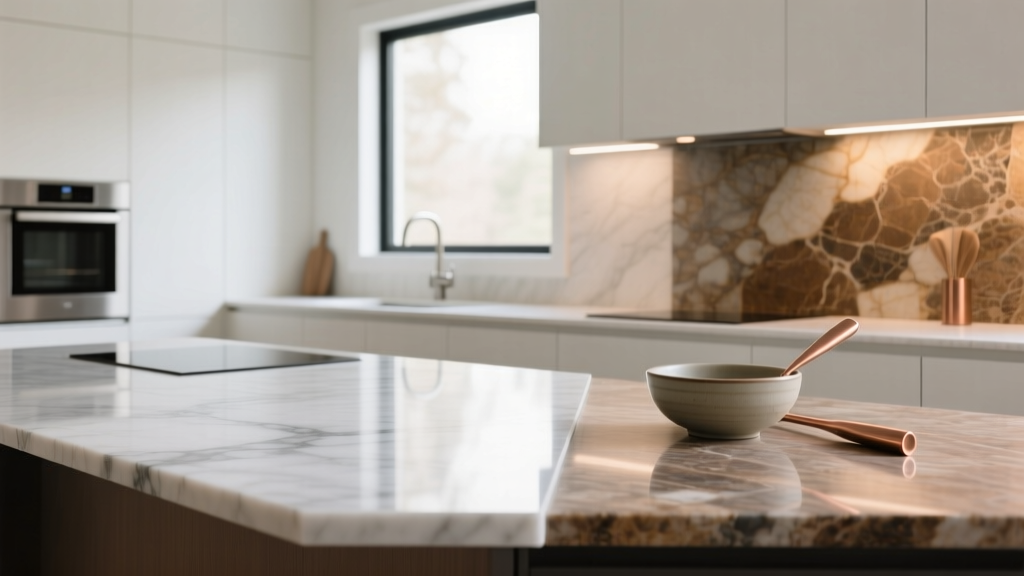
Kitchen Quartz vs Granite Countertops - The Decor Mag
Countertops do more than hold your cutting board and morning coffee—they set the visual tone of your kitchen, influence how you cook and clean, and often become the biggest line item (and biggest regret) in a renovation budget. Choosing between quartz vs granite countertops is one of the most common crossroads homeowners face because both materials are premium, durable, and widely available.
The right choice depends on how you live. A busy household that needs low-maintenance performance may lean one way; a homeowner who loves natural stone character may lean the other. Add in today’s kitchen design trends—waterfall edges, full-height slab backsplashes, and warm, natural palettes—and your countertop decision affects everything from cabinet color to lighting selection.
This guide breaks down the real-world differences: cost ranges, durability, maintenance, style, and how each material behaves in everyday kitchen use. You’ll also find layout and design recommendations, measurements to plan around, and common mistakes to avoid so your new countertops look great and work hard for years.
Quartz vs Granite at a Glance
- Quartz (engineered stone): Made from crushed quartz and resins. Consistent patterns, non-porous, low maintenance, strong for daily use.
- Granite (natural stone): Quarried stone cut into slabs. Natural variation, heat-resistant, requires sealing to prevent staining.
Quick decision guide
- Choose quartz if you want: easy upkeep, predictable color, strong stain resistance, modern or transitional kitchen design.
- Choose granite if you want: one-of-a-kind natural movement, strong heat resistance, and you’re comfortable with periodic sealing.
Material Composition and What It Means for Daily Use
Quartz countertops: engineered performance
Quartz countertops typically contain around 90–95% natural quartz with polymer resins and pigments. This manufacturing process creates a surface that’s highly consistent and generally non-porous, which matters for kitchen hygiene and stain resistance. Quartz is a favorite in family kitchens, open-concept layouts, and rentals where “set it and forget it” maintenance is a priority.
Best for: meal-prep kitchens, households with kids, frequent entertaining, light-colored countertops (white/cream/greige) where staining is a concern.
Granite countertops: natural beauty and variation
Granite is a natural igneous stone. Each slab has unique patterning—some subtle and speckled, others dramatic with veining and movement. Granite is typically porous to varying degrees, so sealing is part of ownership. If you love organic materials and the timeless appeal of stone, granite remains a classic in kitchen renovation projects.
Best for: homeowners who value natural variation, traditional and transitional kitchens, and cooks who frequently use hot pots and pans.
Durability: Scratches, Heat, Chips, and Stains
Heat resistance
- Granite: Generally excellent heat resistance. You still want trivets to avoid thermal shock, but it handles heat better than most surfaces.
- Quartz: More sensitive to high heat because of the resins. Brief contact may be fine, but repeated hot-pan placement can discolor or damage the surface.
Practical tip: Place a trivet zone near the cooktop—aim for 12–18 inches of landing space on at least one side of the range so you have a natural “hot pan” drop spot.
Scratch resistance and daily wear
- Quartz: Highly scratch resistant, but not scratch-proof. Cutting directly on the surface will dull knives and can still mar the finish over time.
- Granite: Also highly scratch resistant. Like quartz, it’s best treated as a work surface, not a cutting board.
Chipping and edge vulnerability
Both materials can chip, especially at sharp corners or thin overhangs. Edge profiles matter:
- Most durable edges: eased edge, small bevel, bullnose.
- More chip-prone: sharp square edges, intricate ogee profiles (beautiful, but vulnerable on busy islands).
Measurement to know: Standard countertop thickness is 2 cm (3/4") or 3 cm (1 1/4"). Many homeowners prefer 3 cm for a more substantial look without requiring plywood underlayment.
Stain resistance
- Quartz: Excellent stain resistance because it’s non-porous. Great for coffee, red wine, turmeric, and oil—wipe promptly for best results.
- Granite: Depends on the stone and sealer. Darker granites often hide more; lighter stones may show oils or pigments if not sealed.
Maintenance and Cleaning: What You’re Signing Up For
How to maintain quartz countertops
- Daily cleaning: mild dish soap + warm water, microfiber cloth.
- Avoid harsh chemicals: oven cleaner, paint stripper, and highly alkaline cleaners.
- Prevent heat damage: use trivets and avoid slow-cooker heat concentrated in one spot for hours.
Maintenance level: Low. No sealing required.
How to maintain granite countertops
- Daily cleaning: pH-neutral stone cleaner or mild soap + water.
- Seal periodically: many granites need sealing every 1–3 years (some more, some less).
- Wipe spills quickly: especially oils, wine, citrus, and sauces.
Maintenance level: Moderate. Sealing is straightforward, but it’s an ongoing task.
Simple at-home test: Put a few drops of water on the surface. If it darkens within 10–15 minutes, it’s time to reseal.
Design Impact: Color, Pattern, and Today’s Kitchen Trends
Quartz design advantages
Quartz shines in kitchens aiming for a clean, cohesive look. Because patterns are engineered, you can match slabs more predictably—useful for modern kitchens with large islands and full-height backsplashes.
Trend-forward quartz looks:
- Soft veined “marble-look” quartz in warm whites and creamy neutrals
- Muted greiges and taupes paired with oak or walnut cabinetry
- Concrete-look quartz for modern industrial kitchens
Granite design advantages
Granite brings authentic depth and natural movement. It pairs beautifully with timeless materials: wood floors, simple Shaker cabinets, and brushed metal hardware. If you want a kitchen that feels grounded and unique, granite delivers.
Timeless granite pairings:
- Mid-tone granite with white cabinets for a classic contrast
- Dark granite with warm wood cabinetry for a rich, traditional feel
- Subtle, fine-grain granite with slab-front cabinets for a modern twist
Backsplash and edge choices that elevate either material
- Full-height slab backsplash: Works beautifully with quartz or granite; reduces grout lines and looks high-end.
- Simple tile backsplash (2x8, 3x12, or 4x4): A budget-friendly way to balance a dramatic stone.
- Waterfall island panels: Popular in open-concept kitchens; best with calmer patterns so the look stays refined rather than busy.
Kitchen Layout Recommendations and Practical Measurements
Island planning for real life
- Walkway clearance: Aim for 42 inches around an island; 48 inches is ideal for two cooks or high-traffic kitchens.
- Island overhang for seating: 12 inches minimum; 15 inches is more comfortable for adults.
- Support needs: Overhangs beyond 12–15 inches may require brackets or corbels depending on slab thickness and manufacturer guidance.
Where each material makes the most sense
- Quartz on perimeter + statement island: Great for consistent color on the main run, with a contrasting island (or vice versa).
- Granite on the cooking zone: If you’re hard on surfaces near the range, granite’s heat tolerance is appealing.
- Quartz in a coffee bar or baking station: Easy cleanup, stain resistance, and a polished look in a dedicated “kitchen organization” zone.
Cost Ranges and Budget Considerations
Countertop cost depends on slab tier, thickness, edge profile, sink cutouts, and installation complexity (waterfalls and extra seams add cost). Pricing varies by region, but these ranges are helpful for budgeting a kitchen renovation.
Typical installed cost per square foot
- Quartz countertops: $60–$120+ per sq. ft. installed
- Granite countertops: $50–$120+ per sq. ft. installed
Common add-ons that affect price
- Undermount sink cutout: often $200–$500 depending on shop and complexity
- Cooktop cutout and reinforcement: varies, typically $150–$400
- Waterfall edge panels: frequently adds $800–$2,500+ depending on slab and labor
- Premium edge profiles: add $10–$40 per linear foot
Budget-smart approaches (without looking budget)
- Choose a simple edge (eased or small bevel) and spend on a standout backsplash or lighting.
- Use a calmer pattern on a large island to reduce seam visibility and fabrication complexity.
- Ask for remnant pricing for a laundry room, pantry counter, or compact coffee bar.
- Keep the sink and cooktop positions the same to avoid extra plumbing/electrical changes in your kitchen remodel.
Specific Recommendations: Materials, Products, and Design Approaches
Best quartz picks for busy kitchens
- Soft-veined, mid-tone quartz: hides crumbs and water spots better than bright white.
- Honed or matte finishes: offer a modern look and reduce glare; confirm stain-resistance with the manufacturer.
- Warm white quartz with subtle veining: pairs well with today’s trend toward warmer metals and natural wood tones.
Best granite picks for timeless appeal
- Medium-movement granite: gives character without overwhelming your kitchen design.
- Darker, tighter-grain stones: can be more forgiving in high-use kitchens.
- Leathered finish granite: adds texture and hides fingerprints; confirm cleaning preferences with your fabricator.
Sink and faucet pairing tips
- Undermount sinks look seamless with both quartz and granite and make wipe-down easy.
- Choose a single-bowl sink for large cookware or a low-divider double for multitasking.
- Pair with a pull-down faucet (high-arc) for functionality; coordinate finishes with cabinet hardware for a cohesive renovation.
Common Mistakes to Avoid
- Picking a countertop from a tiny sample only. Always view full slabs (or large panels) in similar lighting to your kitchen.
- Ignoring seam placement. Ask your fabricator where seams will land—especially on long runs and islands. Calm patterns hide seams best.
- Choosing pure white in a hard-water area without a plan. Water spots can show. Consider a slightly warmer or more patterned surface and keep a microfiber cloth handy.
- Skipping trivets because “stone is heatproof.” Granite tolerates heat better, but rapid temperature changes can still stress stone; quartz can discolor from hot cookware.
- Underestimating overhang support. Large countertop overhangs may need brackets; plan this early so the look stays clean and safe.
- Not matching your countertop to your lifestyle. If sealing feels like a burden, granite may become an annoyance rather than a joy.
FAQ: Quartz vs Granite Countertops
Is quartz or granite better for resale value?
Both add strong resale appeal in a kitchen renovation. Quartz often reads “newer” and low-maintenance to buyers, while granite is a recognized classic. The best resale move is choosing a color palette that works with many styles—warm whites, soft neutrals, and subtle patterns tend to age well.
Can I put hot pans on quartz countertops?
It’s not recommended. Quartz is heat resistant to a point, but the resins can be damaged by high temperatures or prolonged heat exposure. Use trivets, especially near the range and on islands where hot cookware is often placed.
Do granite countertops always need sealing?
Most granite benefits from sealing, though the frequency varies by stone type and finish. Many homeowners reseal every 1–3 years. A quick water-drop test helps you know when it’s time.
Which is more stain resistant: quartz or granite?
Quartz is generally more stain resistant because it’s non-porous. Granite can stain if it’s unsealed or if a spill sits long enough, especially oils and strongly pigmented liquids.
What thickness should I choose: 2 cm or 3 cm?
3 cm is popular for a substantial, furniture-like look and often needs less build-up. 2 cm can be a smart budget choice and works well when paired with a slightly thicker edge profile—ask your fabricator what’s typical in your area.
Are quartz countertops “natural”?
Quartz countertops contain natural quartz but are engineered with resins and pigments. Granite is fully natural stone. If “all-natural material” is a priority, granite is the closer match.
Actionable Next Steps for Your Kitchen Renovation
- Start with your lifestyle: Write down your top three needs (low maintenance, heat tolerance, natural variation, bright white look, etc.).
- Measure your layout: Confirm island clearances (aim for 42–48 inches) and plan at least 12–18 inches of landing space near the cooktop.
- Visit a slab yard or showroom: View full slabs in person and take cabinet/paint samples with you.
- Request a seam and layout drawing: Approve seam locations, vein direction, and overhang support before fabrication.
- Plan maintenance habits: If you choose granite, set a calendar reminder for sealing; if you choose quartz, commit to trivets and gentle cleaners.
Your countertops should support the way you cook, gather, and organize your kitchen—not just look good in photos. For more practical renovation guides, kitchen organization ideas, and design-forward inspiration, explore the latest at thedecormag.com.
More Articles
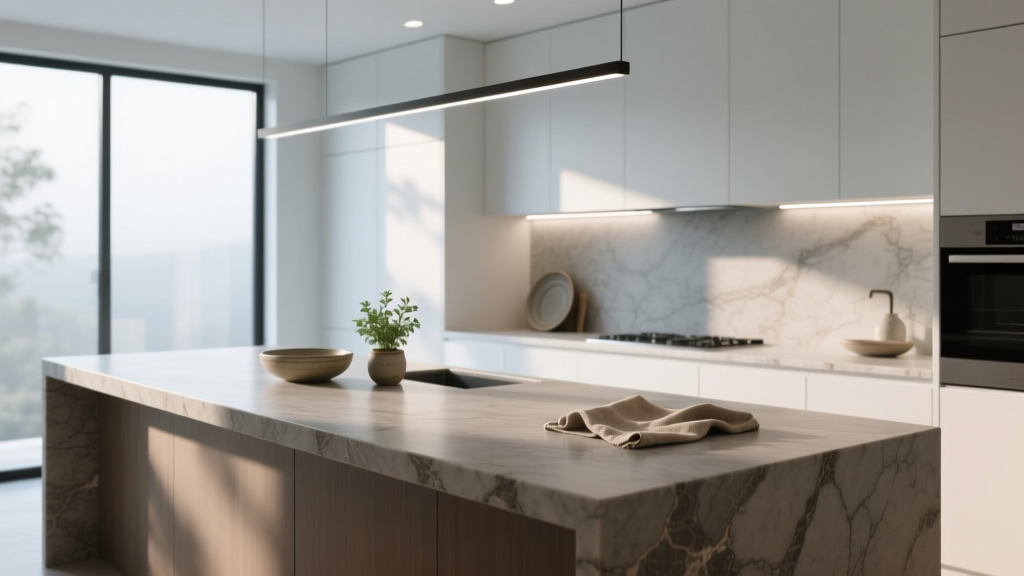 Kitchen Soapstone Countertop Guide - The Decor Mag
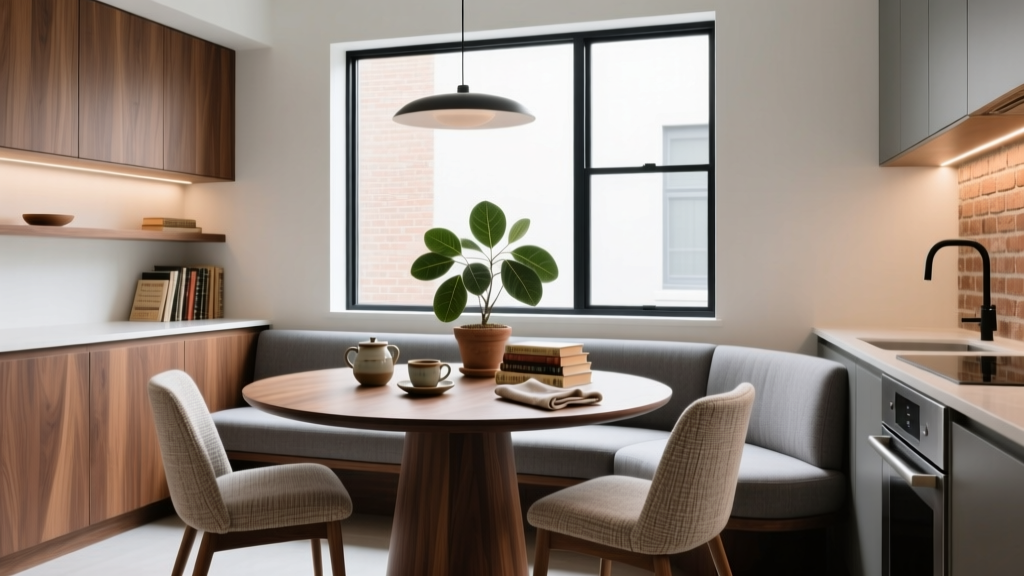 Kitchen Breakfast Nook Design Inspiration - The Decor Mag
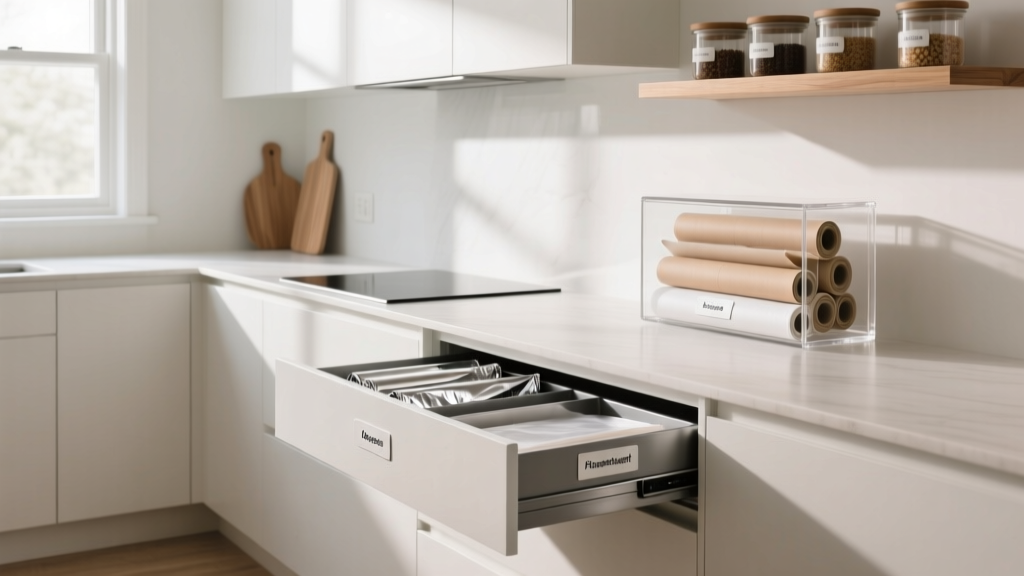 Best Kitchen Wrap Storage Solutions - The Decor Mag
 Best Kitchen Cutting Board Display | The Decor Mag
 Best Kitchen Island Ideas for Every Size - The Decor Mag
 Blue and Fluted Cookware Compared: A Kitchen Specialist’s Deep-Dive Analysis of Le Creuset vs. Staub
 Kitchen Pot Filler Faucet Guide - The Decor Mag
 Modern Kitchen Design Trends for 2026 - The Decor Mag
 How to Choose Kitchen Backsplash Grout Color - The Decor Mag
 Best Kitchen Specialty Appliance Placement - The Decor Mag