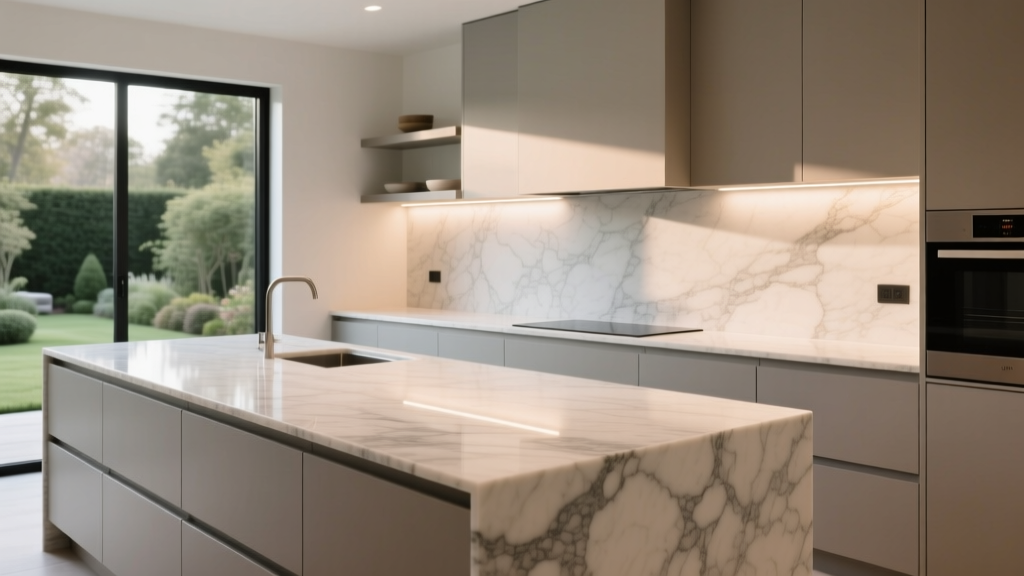
Kitchen Marble Countertop Pros and Cons - The Decor Mag
Few materials signal “dream kitchen” quite like marble. Its veining is naturally artistic, its surface feels cool and substantial, and it instantly elevates everything from a modern galley remodel to a classic farmhouse refresh. If you’re planning a kitchen renovation, marble countertops can be the feature that ties together cabinetry, hardware, lighting, and flooring into one cohesive design story.
At the same time, marble is one of the most talked-about countertop materials for a reason: it’s beautiful, but not always forgiving. Homeowners often fall in love with the look—then get surprised by etching, staining, or maintenance needs after installation. This guide breaks down the real-world pros and cons of kitchen marble countertops, compares marble to other popular surfaces, and offers practical design and maintenance advice so you can decide with confidence.
What Makes Marble a Popular Kitchen Countertop Material?
Marble is a metamorphic stone formed from limestone under heat and pressure. That process creates the signature veining and soft, luminous depth that many engineered alternatives try to imitate. In kitchen design, marble is often chosen for:
- Classic luxury: Works beautifully with traditional, transitional, and modern kitchens.
- Unique movement: No two slabs are identical—each island becomes a one-of-a-kind focal point.
- Cool-to-the-touch surface: Loved by bakers for pastry and dough work.
Marble also aligns with current kitchen design trends that favor natural materials, warm minimalism, and “quiet luxury” finishes—especially when paired with rift-sawn oak, creamy whites, brushed brass, or matte black fixtures.
Marble Countertop Pros
1) Timeless Beauty and Instant Visual Impact
Marble brings a softness and depth that’s difficult to replicate. In renovation projects, it can make even straightforward cabinet layouts feel custom.
Design tip: If you want marble to stand out without overwhelming the room, choose cabinets in a calm, low-contrast tone (warm white, greige, light oak) and let the stone do the talking.
2) Adds Value and High-End Appeal
In many markets, natural stone countertops are a selling feature. While ROI depends on local buyer preferences, marble often reads as premium and can boost perceived value—especially when used on a kitchen island or a statement perimeter run.
3) Great for Baking and Temperature Control
Marble stays cooler than many surfaces, making it ideal for:
- Rolling pie crusts and pastry dough
- Tempering chocolate (when paired with good technique)
- Working with butter-based recipes in warmer climates
Practical approach: If you bake often but worry about maintenance, consider a marble baking station (a smaller section of counter or an island top) while using a more durable material elsewhere.
4) Versatile in Many Kitchen Layouts
Marble works in popular kitchen layouts because it complements both sleek and detailed millwork:
- Galley kitchens: Brightens narrow spaces; pair with under-cabinet lighting to highlight veining.
- L-shaped kitchens: Use marble on the longer run to create a clean, continuous line.
- U-shaped kitchens: Consider marble for the island and a more forgiving surface on the perimeter for heavy prep zones.
- Open-concept kitchens: A marble waterfall edge can visually anchor the space and connect to living/dining areas.
Marble Countertop Cons
1) Etching from Acids Is the #1 Surprise
Marble contains calcite, which reacts with acids. Lemon juice, vinegar, wine, tomato sauce, and many cleaners can leave dull marks called etches. Etching is not the same as staining—it’s a change in the stone’s surface finish.
- Polished marble: Etches show as dull spots in reflected light.
- Honed marble: Etching is less noticeable, but the surface can develop a patina over time.
Reality check: If you want a countertop that looks the same on day 1,000 as it does on day 1 with minimal thought, marble may frustrate you.
2) Porosity and Staining Risk
Marble is porous. Even when sealed, it can absorb oils and pigments, especially around the cooktop and sink. Common culprits include:
- Olive oil, butter, and greasy foods
- Coffee and tea
- Curry, turmeric, berries
Best practice: Wipe spills quickly, especially dark liquids and oils. Use trays near the coffee station and olive oil bottles to prevent ring stains.
3) Scratching and Chipping
Marble is softer than granite and quartzite. It can scratch from ceramic knives, gritty cookware bottoms, or even abrasive scrubbers. Edges—especially sharp profiles—can chip.
Recommendation: Choose a forgiving edge profile (eased, half bullnose, or ogee in traditional kitchens) rather than a razor-sharp miter for busy family kitchens.
4) More Maintenance Than Many Alternatives
Marble requires a maintenance mindset: routine sealing, careful cleaning, and accepting some natural aging. For some homeowners, that patina is part of the charm; for others, it’s stress.
Marble vs. Other Countertop Materials (Quick Comparison)
| Material | Look | Durability | Maintenance | Typical Installed Cost (per sq. ft.) |
|---|---|---|---|---|
| Marble | Natural, high-end veining | Medium (etch/scratch risk) | Higher (seal + careful cleaning) | $70–$200+ |
| Quartz (engineered) | Consistent patterns; marble-look options | High (scratch resistant) | Low (no sealing) | $60–$150 |
| Granite | Natural speckled or patterned stone | High | Medium (seal occasionally) | $50–$150 |
| Quartzite (natural) | Natural veining; often marble-like | Very high | Medium (seal) | $80–$250+ |
| Porcelain slab | Modern; can mimic marble | Very high (heat + stain resistant) | Low | $70–$200+ |
Design-forward alternative: If you want the marble look with fewer worries, consider a high-quality marble-look porcelain slab (great for waterfall islands) or a quartzite with softer veining.
Cost Ranges and Budget Considerations
Marble countertop pricing varies by stone type, slab size, thickness, edge detail, and fabrication complexity. Typical costs for kitchen renovations include:
- Entry-level marble (e.g., Carrara): $70–$120 per sq. ft. installed
- Mid-range marble (more dramatic veining): $120–$180 per sq. ft. installed
- High-end/rare marble: $180–$300+ per sq. ft. installed
Budget planning tip: A mid-size kitchen with 40–60 sq. ft. of countertop can land anywhere from $2,800 to $10,800+ installed, depending on slab choice and fabrication.
What Drives the Price Up?
- Waterfall edges: More material + complex fabrication
- Thicker profiles: 3cm slabs or laminated edges
- Seams and layout: Large islands and L-shapes may require more slab yield
- Cutouts: Farmhouse sinks, cooktops, and pop-up outlets add labor
Smart Ways to Save Without Sacrificing Style
- Use marble on the island only, and choose quartz/granite on perimeter prep zones.
- Select a simple eased edge rather than complex profiles.
- Ask about remnants for smaller kitchens, coffee bars, or baking stations.
- Choose a standard thickness (often 2cm or 3cm depending on region) to avoid custom buildup.
Design Recommendations: Making Marble Work in Real Kitchens
Choose the Right Finish: Honed vs. Polished
- Honed marble: Matte/velvety, hides etching better, feels more relaxed and current. Great for busy family kitchens and “quiet luxury” spaces.
- Polished marble: Glossy and reflective, shows etching more, but highlights veining and looks formal.
Practical recommendation: If you’re nervous about etching, start with honed and embrace a gentle patina over time.
Best Marble Types for Kitchens (and When to Use Them)
- Carrara: Soft gray veining; classic choice for bright kitchens. Best if you’re okay with patina.
- Calacatta: Bolder veining, higher contrast; stunning on large islands and slab backsplashes.
- Statuario: Crisp white base with dramatic veining; often premium-priced and showpiece-worthy.
Layout tip: For an island, ask your fabricator about a bookmatched layout if you’re using two slabs—especially striking in open-concept kitchens.
Countertop Thickness, Overhangs, and Seating Measurements
Small measurement decisions make marble feel intentional rather than “added on.” Common guidelines:
- Standard counter height: 36 in.
- Standard depth: 25–26 in. (deeper if using oversized ranges or integrated panels)
- Island seating overhang:
- 12 in. for light seating (minimum)
- 15 in. for more comfortable knee space
- 18 in. for lounge-style seating (may require support brackets)
- Walkway clearance: 42 in. (minimum), 48 in. (comfortable for two cooks)
Support note: Marble is heavy. If you’re planning more than a 12-inch overhang, ask your fabricator about hidden steel brackets or corbels based on slab thickness and cabinet construction.
Pairing Marble with Cabinets, Hardware, and Backsplashes
- Warm white cabinets + honed marble: Timeless, soft, and bright.
- Natural wood (oak/walnut) + Calacatta: Trend-forward and grounded.
- Painted cabinets in deep tones (forest green, navy, charcoal): Marble becomes a light-reflecting contrast.
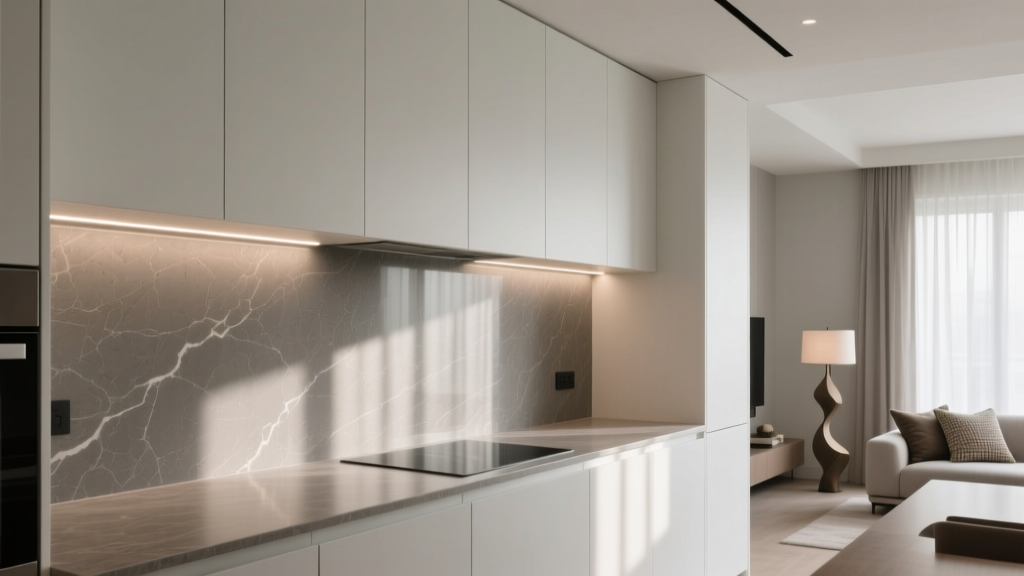
- Slab marble backsplash: Seamless, high-end look; reduce grout lines and simplify cleaning.
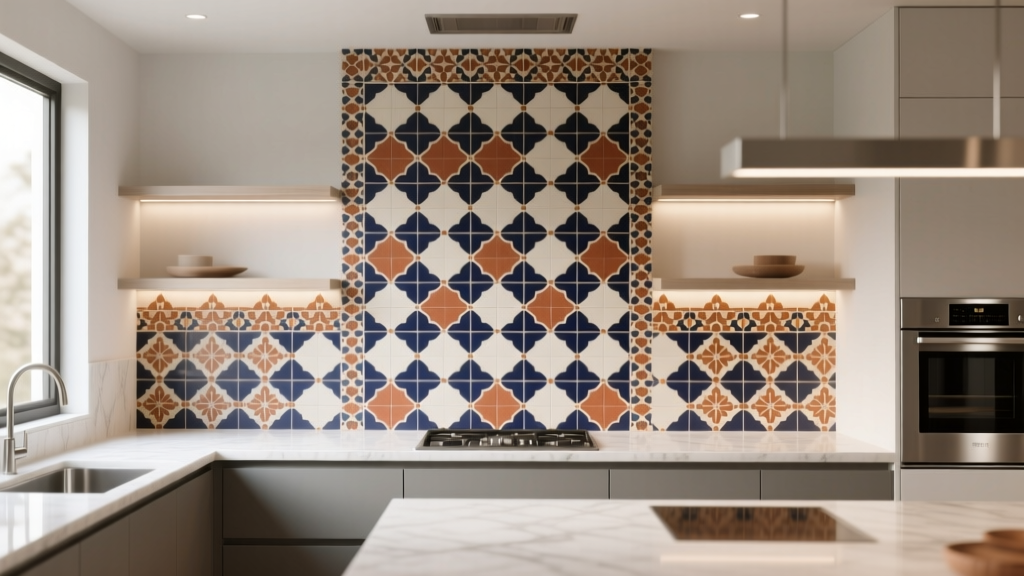
- Tile backsplash: Choose simple shapes (2x8, 2x10, zellige-look ceramic) so it doesn’t compete with heavy veining.
Maintenance and Daily Care (What Actually Works)
Cleaning: Keep It Simple
- Use a pH-neutral stone cleaner or mild dish soap with warm water.
- Wipe with a soft microfiber cloth; avoid abrasive pads.
- Skip vinegar, bleach, and “all-purpose” sprays unless they are stone-safe.
Sealing: How Often?
Sealing doesn’t make marble stain-proof, but it buys time. Many homeowners reseal every 6–12 months, depending on use and the specific marble.
Simple water test: Place a few drops of water on the surface. If it darkens within a few minutes, it’s time to reseal.
Heat and Cutting Rules
- Use trivets under hot pans, especially near seams and edges.
- Use cutting boards—not only for the stone, but to protect knife edges (marble can dull knives).
Stain and Etch Response Plan
- Etches: Often require a polishing compound or professional refinishing.
- Oil-based stains: May need a stone poultice and time.
- Don’t panic: Many marks can be improved; some homeowners choose to hone and refinish periodically to reset the surface.
Common Mistakes to Avoid
- Choosing polished marble for a high-acid cooking style (lots of citrus, vinegar-based sauces, wine reductions) without accepting etching.
- Using the wrong cleaners and accidentally etching the surface with acidic products.
- Skipping a realistic seam plan. Ask where seams will land and how veining will flow—especially on islands and long runs.
- Picking a razor-sharp edge profile in a busy kitchen where chips are likely.
- Underestimating the budget by forgetting cutouts, waterfall edges, backsplash slabs, and support brackets.
- Not planning landing zones. Place a 12–18 in. landing area near the sink, cooktop, and refrigerator to reduce daily wear on the marble.
Recommended Design Approaches (Best of Both Worlds)
- Marble island + durable perimeter: Use marble where it shines visually, and choose quartz, granite, or porcelain around the sink and cooktop for easier maintenance.
- Dedicated baking station: Install a 30–36 in. wide marble section for pastry work, paired with more resilient countertops elsewhere.
- Honed marble + integrated organization: Add a built-in tray for oils/spices, a pull-out cutting board, and a protected coffee zone to minimize staining risk while keeping countertops tidy.
- Slab backsplash behind the range: A matching marble backsplash adds impact and reduces grout cleanup in a splatter-prone area (seal it well).
FAQ: Kitchen Marble Countertops
Is marble a good choice for a family kitchen?
It can be, especially in a honed finish, but it’s best for families who are comfortable with a lived-in patina. If you want a worry-free surface for daily spills and crafts, consider quartz, porcelain, or quartzite for the main work areas.
Does sealing marble prevent stains and etching?
Sealing helps slow absorption and can reduce staining, but it won’t stop etching from acidic foods and cleaners. Think of sealer as extra insurance, not armor.
What’s better for kitchens: Carrara or Calacatta marble?
Carrara is typically softer-looking and often more budget-friendly; Calacatta tends to have bolder veining and higher contrast, often at a higher price. Choose based on your cabinet color, lighting, and how dramatic you want the focal point to be.
Can you place hot pans on marble?
Marble is heat resistant, but sudden temperature changes can stress stone and sealers. Use trivets to protect the finish and reduce risk near seams and edges.
How do I keep marble countertops looking clean and organized?
Use contained zones: a tray for oils/condiments, a sealed canister for coffee supplies, and a designated prep board. These small organization upgrades reduce direct contact and prevent rings and spills from becoming daily issues.
What countertop material looks like marble but is easier to maintain?
Porcelain slabs and high-quality quartz can capture the marble look with lower maintenance. Quartzite is a natural stone alternative with excellent durability, though it still benefits from sealing.
Actionable Next Steps for Your Kitchen Renovation
- Visit a stone yard and view full slabs in person; take cabinet, flooring, and paint samples with you.
- Decide whether you want a pristine look (consider porcelain/quartz/quartzite) or a natural patina (marble, especially honed).
- Request a seam and vein flow plan from your fabricator before approving fabrication.
- Build in countertop-friendly habits: cutting boards, trivets, and trays in high-use zones.
- Set a maintenance routine: stone-safe cleaner on hand and a reseal schedule based on usage.
If marble fits your lifestyle, it can be one of the most rewarding choices in kitchen design—both timeless and deeply personal as it ages with your home. For more countertop comparisons, layout planning advice, and kitchen organization ideas, explore the latest guides and inspiration on thedecormag.com.
More Articles
 Smart Kitchen Tech: How to Incorporate in 2026
 Kitchen Breakfast Nook Design Inspiration - The Decor Mag
 Kitchen Cabinet Fillers for Gaps (2026)
 Kitchen Fluted Cabinet Door Trends - The Decor Mag
 Kitchen Appliances Compared on a Budget: Smart, Reliable Choices Under $300
 Best Kitchen Lighting for Function & Style (2026)
 Kitchen Curved Architectural Details - The Decor Mag
 Best Kitchen Specialty Cooking Oil Storage - The Decor Mag
 Kitchen Slab Backsplash Seamless Look - The Decor Mag
 Kitchen Zellige Tile Backsplash Guide - The Decor Mag