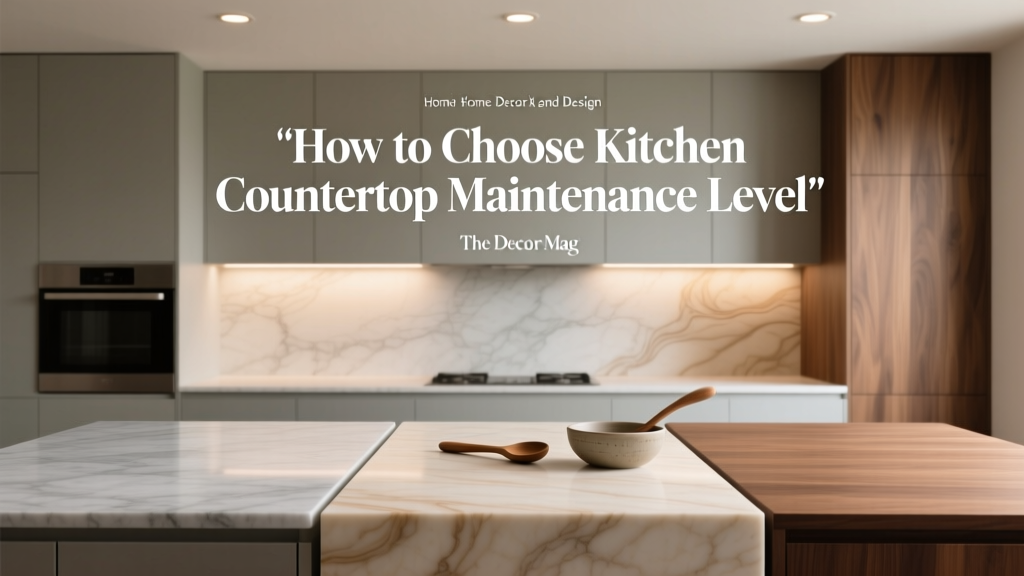
Kitchen Countertop Maintenance: Choose Your Level
Your kitchen countertops do more than hold groceries and prep dinner—they quietly dictate how your kitchen feels day to day. A countertop that fits your lifestyle makes cooking easier, keeps your renovation looking “new” longer, and reduces the mental load of constant wiping, sealing, and worrying about stains. The wrong choice can turn a beautiful kitchen design into a high-maintenance project that never ends.
Maintenance level is one of the most practical decisions in a kitchen renovation, right up there with layout, storage, and lighting. The best countertop isn’t simply the prettiest slab; it’s the one that matches how you actually live—whether that’s busy weeknight meals, weekend entertaining, kids doing homework on the island, or a low-fuss kitchen you can keep tidy in minutes.
This guide breaks down countertop maintenance in a clear, homeowner-friendly way. You’ll learn what “low,” “medium,” and “high” maintenance really means, compare popular countertop materials, and get practical tips on sealing schedules, cleaning products, design choices, and budget planning.
What “Maintenance Level” Really Means
When designers talk about countertop maintenance level, they’re referring to how often you’ll need to protect, clean, and repair the surface to keep it looking and performing well. Maintenance isn’t just about cleaning—it includes sealing, stain resistance, scratch resistance, heat tolerance, and how obvious wear becomes over time.
A simple maintenance checklist
- Daily care: Wiping, drying, and avoiding harsh cleaners
- Stain resistance: How easily oils, wine, coffee, turmeric, and sauces can penetrate
- Etching risk: How acids (lemon, vinegar, tomato) can dull or mark the surface
- Scratch resistance: How well it holds up to knives, grit, and sliding appliances
- Heat tolerance: Whether hot pans can scorch or crack the surface
- Sealing needs: None, occasional, or frequent sealing to prevent staining
- Repairability: Whether chips/scratches can be buffed out or require replacement
Quick self-assessment: choose your ideal maintenance tier
- Low maintenance: You want wipe-and-go countertops, minimal rules, and high stain resistance.
- Medium maintenance: You don’t mind some care (trivets, quick wipe-ups, occasional sealing) for a certain look.
- High maintenance: You’re willing to baby the surface for natural patina, luxury appeal, or a specific aesthetic.
Top Countertop Materials Ranked by Maintenance Level
Below is a practical comparison of the most common kitchen countertop materials used in today’s kitchen design and renovation projects.
Low-maintenance countertops (best for busy households)
Quartz (engineered stone)
Why it’s low maintenance: Quartz is non-porous, so it resists stains without sealing. It cleans easily with mild soap and water.
- Maintenance: Daily wipe; no sealing
- Watch for: Heat sensitivity—use trivets; avoid placing hot pans directly
- Best for: Families, frequent cooking, high-use kitchen islands
- Design trend: Subtle veining and “soft marble” looks; warm whites and greige tones
- Typical cost: $60–$120 per sq. ft. installed (premium designs can run higher)
Porcelain slab
Why it’s low maintenance: Extremely stain resistant, heat tolerant, and UV stable (great for bright kitchens).
- Maintenance: Simple wiping; no sealing
- Watch for: Edge chipping if something heavy hits a corner; fabrication quality matters
- Best for: Serious cooks, modern kitchens, indoor-outdoor continuity
- Design trend: Bookmatched slab looks; dramatic stone visuals with matte finishes
- Typical cost: $70–$140 per sq. ft. installed
Solid surface (acrylic)
Why it’s low maintenance: Non-porous and repairable; scratches can often be sanded out by a pro.
- Maintenance: Easy cleaning; no sealing
- Watch for: Heat and scratch sensitivity; use cutting boards and trivets
- Best for: Seamless looks, integrated sinks, practical kitchens
- Typical cost: $45–$90 per sq. ft. installed
Medium-maintenance countertops (balanced beauty + practicality)
Granite (natural stone)
Why it’s medium maintenance: Many granites are durable and stain resistant, but most benefit from periodic sealing depending on the slab’s porosity.
- Maintenance: Mild daily cleaning; seal every 1–3 years (varies by stone and sealer)
- Watch for: Some lighter granites can stain more easily; test before choosing
- Best for: Homeowners who want natural stone with reasonable upkeep
- Design trend: Leathered granite finishes for a softer, less glossy look
- Typical cost: $50–$120 per sq. ft. installed
Butcher block (wood)
Why it’s medium maintenance: Warm and timeless, but needs regular oiling and careful water management.
- Maintenance: Oil every 3–6 weeks initially; then every 6–8 weeks (typical household use)
- Watch for: Standing water, sink cutout swelling, heat marks, and scratches
- Best for: Baking zones, coffee bars, or as an accent on an island
- Design trend: Mixing materials—wood perimeter coffee nook with quartz main surfaces
- Typical cost: $35–$90 per sq. ft. installed (species and thickness matter)
High-maintenance countertops (gorgeous, but requires commitment)
Marble
Why it’s high maintenance: Marble is porous and prone to etching from acids. It can stain and show wear quickly—especially in high-traffic prep areas.
- Maintenance: Seal 1–2 times per year; wipe immediately; use cutting boards; avoid acidic spills
- Watch for: Etching (dull spots) is common; many owners accept it as patina
- Best for: Lower-use baking counters, statement islands, or homeowners who love a lived-in look
- Design trend: Honed marble for a softer, more forgiving finish
- Typical cost: $80–$200+ per sq. ft. installed
Soapstone
Why it’s high-to-medium maintenance: Very heat tolerant and acid resistant, but it can scratch and often darkens with oiling (optional, but many prefer the look).
- Maintenance: Optional mineral oil for even color; sand minor scratches
- Watch for: Visible marks if you prefer a pristine look
- Best for: Cooks who value function and don’t mind character
- Typical cost: $90–$180 per sq. ft. installed
Match Maintenance to How You Use Your Kitchen
If your kitchen is a high-traffic family hub
Choose countertops that tolerate mess, sticky fingers, and rushed cleanups:
- Best picks: Quartz, porcelain slab
- Smart design move: Use a slightly darker or warm mid-tone surface to hide crumbs and smudges better than bright, flat white.
If you cook daily and use heat often
Heat resistance and durability move to the top of your checklist:
- Best picks: Porcelain slab, granite, soapstone (excellent heat tolerance)
- Layout tip: Add a dedicated “hot zone” next to the cooktop: a 12–18 inch landing area on each side of the range is a practical target for safe pan placement.
If you entertain and want a showpiece kitchen island
You can balance beauty with practicality by placing the most delicate material where it’s used less for chopping and cooking.
- Best approach: Durable perimeter countertops (quartz or porcelain) + statement island (marble or a bold-veined quartz)
- Measurement to plan for: For comfortable seating, allow 24 inches of width per stool and 15 inches of overhang (12 inches minimum) depending on support requirements.
Design Choices That Reduce Countertop Upkeep
Choose the right finish: polished vs honed vs leathered
- Polished: More reflective; often more stain resistant; shows smudges and glare more easily.
- Honed: Matte/soft; can show etching less obviously on marble; may show fingerprints on darker stones.
- Leathered: Textured; hides fingerprints and water spots well; great for granite.
Edge profiles that help prevent chipping
Very sharp edges can chip more easily, especially on corners. Consider:
- Eased edge (slightly softened): clean and modern, less fragile than sharp square edges
- Half bullnose: softer feel, practical for families
- Mitered edge: creates a thicker look (popular trend) but relies on excellent fabrication
Backsplash and seam planning for easier cleaning
- Full-height slab backsplash (quartz or porcelain): fewer grout lines, faster wipe-down—popular in current kitchen renovation trends.
- Minimize seams near sinks where water and cleaners collect.
- Undermount sink + tight caulk line: reduces grime buildup around the rim.
Maintenance Routines and Recommended Products
Daily and weekly cleaning (most surfaces)
- Use a pH-neutral cleaner or mild dish soap with warm water.
- Wipe with a microfiber cloth to reduce streaks.
- Dry around the sink area to prevent water spots (especially on dark or textured finishes).
What to avoid (across many countertop materials)
- Abrasive powders and scratchy pads
- Bleach or high-alkaline cleaners (can dull some finishes)
- Strong acidic cleaners (especially risky on marble and some stones)
- Cutting directly on the surface (even “scratch resistant” tops last longer with a board)
Sealing guidance for natural stone
Sealing frequency depends on porosity and usage. A practical home test: place a few drops of water on the counter for 10 minutes. If the stone darkens, it’s time to seal.
- Typical sealing ranges: every 1–3 years for many granites; 6–12 months for more porous stones (varies widely).
- Product type: Look for a penetrating/impregnating sealer designed for food-prep surfaces.
Cost Ranges and Budget Planning
Countertop pricing depends on material, thickness, edge profile, cutouts (sink/cooktop), seam complexity, and your local fabrication market. Use these homeowner-friendly planning ranges:
- Budget-friendly (approx. $30–$60/sq. ft. installed): entry-level granite, some butcher block, some solid surface
- Mid-range (approx. $60–$120/sq. ft. installed): most quartz, many granites, some porcelain
- Premium (approx. $120–$200+/sq. ft. installed): high-end quartz designs, porcelain slabs with complex fabrication, marble, soapstone
Budget tip: mix materials to control cost and maintenance
A practical design approach is to use one primary low-maintenance surface for most counters, then add an accent material strategically:
- Example combo: Quartz on perimeter + butcher block on a small baking station
- Example combo: Porcelain on the island (heat tolerant, stain resistant) + cost-effective granite on perimeter
Common Mistakes Homeowners Make (and How to Avoid Them)
- Choosing marble for the main prep zone without accepting etching: If you want marble, consider a honed finish and use it on a lower-mess area, or choose a marble-look quartz for easier kitchen organization and cleanup.
- Assuming all granite is “no maintenance”: Some slabs are porous. Test and plan for sealing.
- Ignoring heat rules for quartz: Repeated hot-pan contact can discolor or crack it. Build habits—keep a trivet near the cooktop.
- Overlooking seam placement: Poor seams near sinks collect grime and can stain. Ask your fabricator to map seams intentionally.
- Picking a trendy color without considering daily mess visibility: Ultra-matte black can show dust; pure bright white can show sauce splatters. Choose finishes and patterns that suit your cleaning style.
- Not planning enough landing space: For functional kitchen design, aim for at least 15 inches of countertop landing area on the handle side of the refrigerator and 12 inches on one side of the cooktop (more is better if you cook often).
FAQ: Kitchen Countertop Maintenance Level
What is the lowest-maintenance countertop material?
For most homeowners, quartz and porcelain slab are the lowest-maintenance options because they’re non-porous (no sealing) and resist stains. Porcelain typically wins for heat resistance; quartz often wins for broad color availability and widespread installer familiarity.
Do I really need to seal granite countertops?
Many granite countertops benefit from sealing, but the frequency varies by slab. Some dense granites barely need it; more porous stones may need sealing every 1–2 years. Use the water-drop test to decide rather than relying on a one-size schedule.
Is marble a bad idea for kitchens?
Marble isn’t “bad,” but it is high maintenance. It can etch from lemon juice and vinegar and may stain if spills sit. Homeowners who love the natural patina often use marble on an island or baking station and choose a more durable surface for the main prep area.
How can I make my countertops easier to keep clean?
Prioritize a non-porous surface, minimize seams near the sink, consider a slab backsplash to reduce grout lines, and choose a finish that hides fingerprints (leathered granite or softly patterned quartz). Keep a microfiber cloth and a pH-neutral spray in a nearby cabinet for quick resets.
What countertop is best for resale value?
In many markets, quartz and natural stone (granite, some marbles) are strong for resale because buyers recognize them as durable and desirable. The best resale choice is typically a neutral, widely appealing surface with low visible maintenance needs.
Can I use one countertop material for the whole kitchen?
Yes—using one surface simplifies maintenance and creates a cohesive look. If you love variety, mixing materials works well too, as long as the main work zones stay low-maintenance and your accent material is placed where it won’t be abused.
Next Steps: Choose Your Maintenance Comfort Zone
Start by deciding how much daily and seasonal care you’re willing to do—then select materials that match that reality. Bring home samples, test them under your kitchen lighting, and ask fabricators direct questions about sealing, heat limits, edge durability, and seam placement. A smart countertop choice supports a functional kitchen layout, easier kitchen organization, and a renovation that stays beautiful long after the final install.
For more renovation guidance, countertop ideas, and practical kitchen design trends that last, explore the kitchen inspiration library on thedecormag.com.
More Articles
 Best Kitchen Prep Bowl Collection Display - The Decor Mag
 Best Kitchen Ladder for High Shelf Access - The Decor Mag
 Blue and Fluted Cookware Compared: A Kitchen Specialist’s Deep-Dive Analysis of Le Creuset vs. Staub
 Cheap vs Premium Real: What the Label Doesn’t Tell You About Butter, Cheese, and Olive Oil
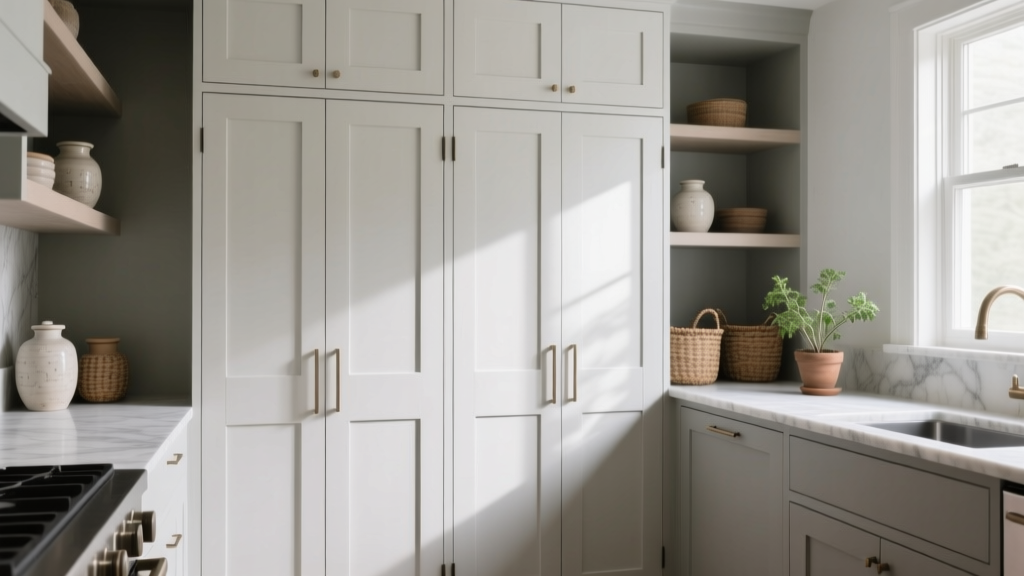 Best Kitchen Pantry Door Ideas - The Decor Mag
 Wall Trends 2026: Material Innovation, Adaptive Surfaces, and Human-Centered Design in Residential Kitchens
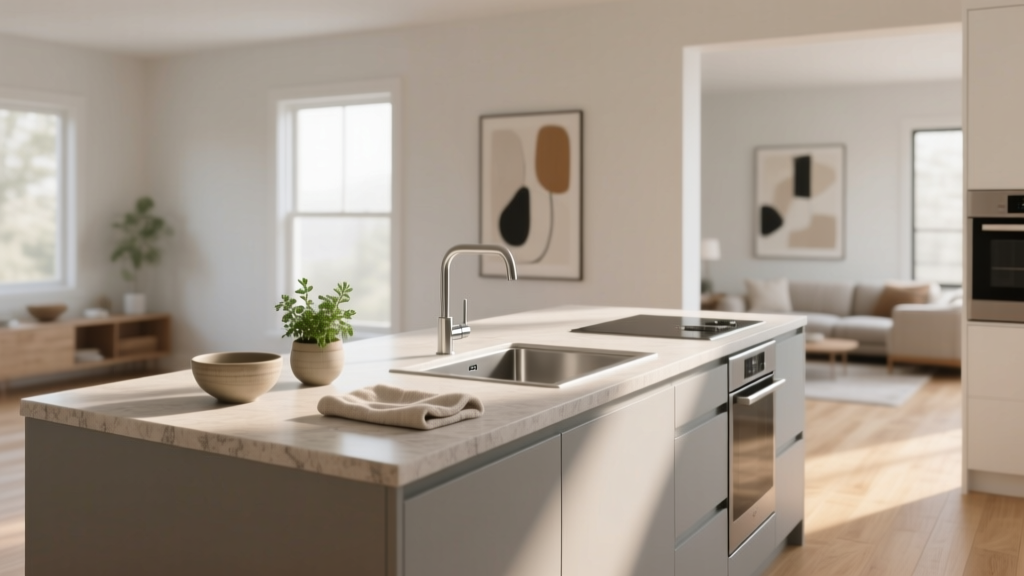 How to Choose Kitchen Counter Depth - The Decor Mag
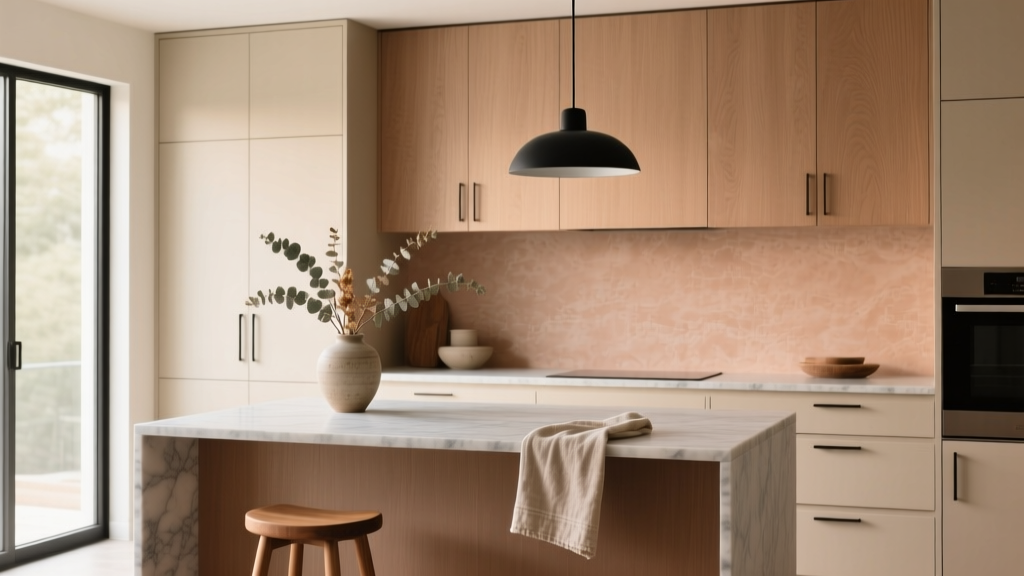 Kitchen Warm Neutral Cabinet Colors - The Decor Mag
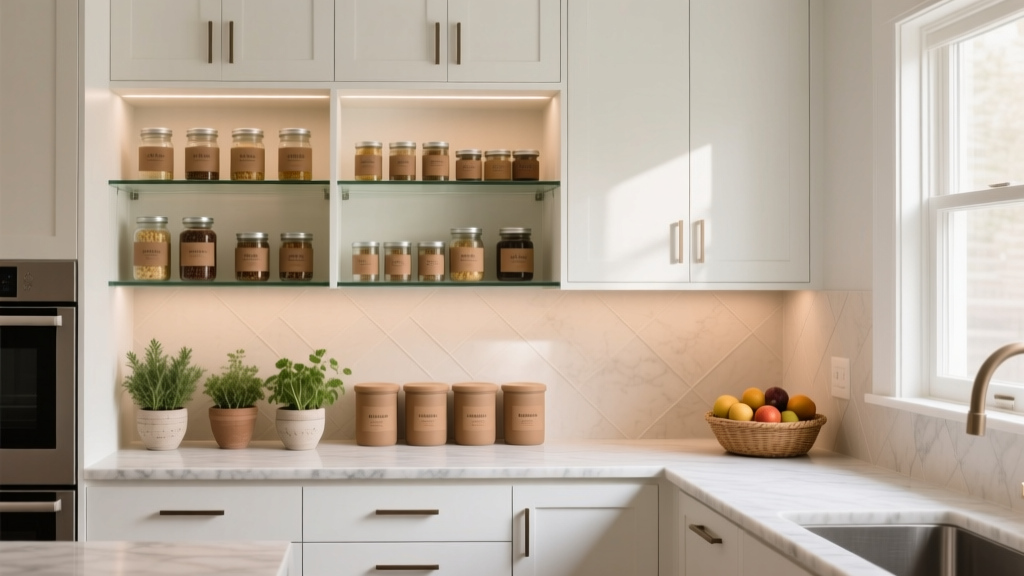 Kitchen Pantry Organization: Pro Tips (2026)
 Textiles on a Budget: Smart, Stylish, and Sustainable Kitchen Linen Solutions