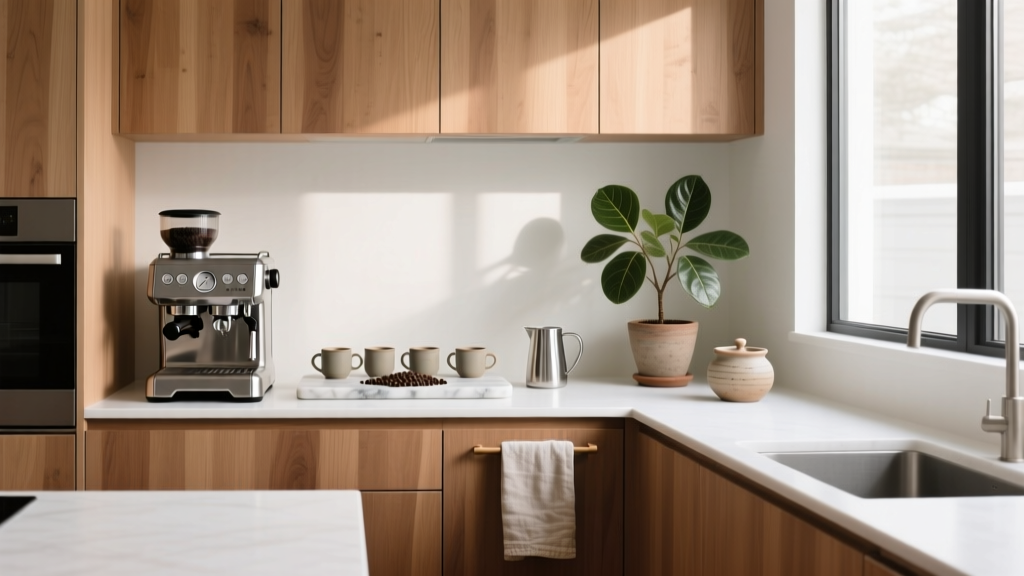
Coffee Station Ideas for Kitchens (2026)
A well-designed coffee station is one of those small kitchen upgrades that makes everyday life noticeably better. It keeps mugs, beans, and tools in one organized spot, reduces countertop clutter, and turns a daily habit into a moment that feels intentional—whether you’re brewing a quick weekday drip or making a weekend latte.
For homeowners planning a kitchen renovation, a coffee station can also be a smart “function zone” that improves workflow. It’s a dedicated area that keeps traffic away from the main prep and cooking surfaces, supports entertaining, and adds value through thoughtful storage and premium details. Even if you’re not remodeling, you can create a cohesive coffee bar with a few strategic changes to layout, lighting, and organization.
Below is a practical, design-forward guide to planning a coffee station that fits your kitchen’s size, style, and budget—complete with measurements, material recommendations, cost ranges, and common mistakes to avoid.
Plan Your Coffee Station Like a Kitchen “Zone”
Current kitchen design trends emphasize purposeful zones: prep, cook, clean, and serve. A coffee station is essentially a beverage zone—ideally positioned so it doesn’t compete with meal prep. Before you buy cabinetry or a new espresso machine, define how you’ll use the space.
Start with a Quick Needs Checklist
- Drink types: drip coffee, espresso, pour-over, tea, hot cocoa, iced coffee
- Frequency: daily for one person vs. family use vs. entertaining
- Appliances: espresso machine, grinder, kettle, drip maker, milk frother, ice maker
- Storage: beans/grounds, tea bags, sweeteners, syrups, filters, pods, mugs, spoons
- Water needs: sink access, filtered water, plumbed espresso machine, or refill pitcher
- Cleanup: drip tray rinse, knock box, compost, towel storage
Best Locations in a Kitchen Layout
Choose a spot that supports smooth traffic flow and keeps your main work triangle functional.
- Near the pantry: convenient for snacks, sugar, and backup supplies
- At the edge of the kitchen: ideal for entertaining—guests can serve themselves without hovering near the cooktop
- Adjacent to (but not blocking) the sink: helpful for refilling water and rinsing tools
- In a dry bar or butler’s pantry: a top trend in renovations; keeps appliances out of the main kitchen visual field
Avoid placing your coffee station directly next to the cooktop or primary prep area. Steam, grease, and constant movement make it harder to keep clean and can interrupt workflow.
Right-Size the Space: Practical Measurements That Work
Even a compact coffee station can feel custom when the dimensions are intentional. Use these guidelines for comfort and functionality.
Countertop Depth and Landing Space
- Standard counter depth: 24 inches
- Minimum “working” width: 30 inches (works for a single machine + mugs)
- Comfortable width: 48–60 inches (supports machine, grinder, tray, and a clear landing zone)
- Clear landing space: aim for at least 12–18 inches of open counter for assembling drinks
Upper Cabinets, Shelves, and Clearance
- Standard clearance: 18 inches between countertop and upper cabinets
- For espresso machines: consider 20–24 inches if your machine is tall or you’ll be filling a top reservoir
- Shelf depth: 8–10 inches for mugs and canisters; 10–12 inches if storing small appliances
Electrical Requirements
Most countertop coffee makers and grinders are fine with standard outlets, but espresso setups can be more demanding.
- Plan at least two outlets at the station (machine + grinder/kettle).
- Consider a dedicated circuit for high-wattage espresso machines, especially in a renovation.
- Under-cabinet outlets or outlet strips can improve aesthetics and reduce cord clutter.
Choose a Coffee Station Style: From Open Shelving to Appliance Garages
Timeless functionality matters more than a specific aesthetic, but today’s kitchen renovation trends offer a few standout approaches that look polished and stay practical.
1) The Countertop Coffee Bar (Fastest Upgrade)
Best for: renters, small kitchens, low-budget refreshes
- Use a tray to corral essentials and visually “zone” the area.
- Add a small shelf rail or wall shelf for mugs and syrups.
- Choose matching canisters for sugar, pods, and tea to reduce visual noise.
2) The Built-In Coffee Station Cabinet (Most Seamless for Renovations)
Best for: remodels, clutter-free kitchens, long-term durability
- Integrate base cabinets for concealed storage and a dedicated counter run.
- Add a pull-out trash/compost for grounds and filters.
- Include a drawer for spoons, frother parts, and accessories with inserts.
3) The Appliance Garage (Clean Look, Trend-Friendly)
Best for: minimalists, modern kitchens, busy families
- Use a pocket door, tambour door, or lift-up door to hide appliances when not in use.
- Install task lighting inside so it’s functional, not just pretty.
- Ventilation is key—avoid running machines in a fully enclosed space without airflow.
4) The Beverage Station + Mini Fridge (Entertaining Powerhouse)
Best for: large kitchens, frequent hosts, multi-drink households
- Add an undercounter beverage fridge for milk alternatives, creamers, cold brew, and sparkling water.
- Consider an ice maker if iced coffee is a daily ritual.
- Pair with open shelving or glass-front cabinets for a café-like display.
Materials and Finishes: What Holds Up to Heat, Spills, and Daily Use
Your coffee station will see water drips, heat, acidic spills, and frequent wiping. Choose materials that handle real life while matching your kitchen design.
Best Countertop Materials for a Coffee Station
- Quartz: low maintenance, stain resistant, consistent pattern. Great for coffee spills and syrup drips. Watch for direct heat—use a trivet under kettles or hot carafes.
- Porcelain/large-format sintered stone: highly heat resistant and durable, excellent for heavy use. Often priced higher but performs exceptionally.
- Granite: durable and heat tolerant; needs periodic sealing depending on stone type.
- Solid surface: seamless look and repairable; can be sensitive to high heat and scratching.
- Butcher block: warm and inviting; requires regular oiling and careful moisture management. Works best if you use trays and wipe spills quickly.
Backsplash Choices That Clean Easily
- Ceramic or porcelain tile: timeless, budget-friendly, easy to clean with the right grout.
- Slab backsplash (quartz/stone): minimal grout lines, sleek look, very easy maintenance.
- Stainless steel: commercial vibe, highly wipeable; shows fingerprints but cleans quickly.
Pro tip: Choose a stain-resistant grout (or epoxy grout) behind the coffee station. Coffee splatter and syrup drips can discolor traditional grout over time.
Hardware and Fixtures
- Cabinet pulls: go for finishes that match your kitchen hardware for a cohesive look (brushed nickel, matte black, unlacquered brass).
- Faucet add-ons: if your station is near a sink, a filtered water dispenser or pull-down faucet makes filling easy.
Storage and Organization: Make It Easy to Maintain
Great kitchen organization is what separates a “pretty corner” from a coffee station that works every single day. Build storage around how you move: grab mug, brew, add milk/sugar, stir, clean.
Smart Storage Components to Include
- Drawer inserts: for spoons, stir sticks, tea infusers, spare parts
- Pull-out shelf: for a heavy espresso machine or grinder (helps with access and cleaning)
- Vertical dividers: for trays, cutting boards (useful if your station doubles as a serving zone)
- Lazy Susan or pull-out pantry unit: for syrups, honey, cocoa, and backup supplies
- Mug storage: a dedicated drawer with pegs, open shelf, or upper cabinet with risers
Organization Setup That Looks Styled (Not Cluttered)
- Keep daily items on the counter: machine, grinder, a small canister, and a tray.
- Store weekly backups in a cabinet: filters, pods, beans, tea boxes.
- Move bulk extras elsewhere: pantry storage prevents the station from becoming a warehouse.
- Use uniform containers: clear airtight jars or matching canisters keep it cohesive.
Lighting and Styling: Make It Feel Like a Destination
Lighting is a renovation detail that’s easy to overlook, but it’s what makes a coffee station feel premium and intentional—especially in early mornings.
Best Lighting Options
- Under-cabinet LED strips: the most functional choice for task lighting
- Small sconce or picture light: adds warmth and a boutique café feel
- Interior cabinet lighting: ideal for appliance garages and glass-front uppers
Color temperature tip: Choose LEDs in the 2700K–3000K range for a warm, inviting glow that complements most kitchen finishes.
Styling Without Losing Function
- Add one piece of art or a framed print above the station.
- Use a tray in wood, stone, or metal to group items.
- Limit countertop décor to 1–2 accents (a small plant or a canister set).
Budget and Cost Ranges: What to Expect
Costs vary widely depending on whether you’re refreshing a corner or building a custom beverage center during a kitchen renovation.
Budget-Friendly Coffee Station: $100–$500
- Tray, canisters, mug hooks or a small shelf
- Cord management, basic under-cabinet puck lights
- Organization bins and drawer inserts
Mid-Range Upgrade: $500–$2,500
- Additional shelving or a freestanding cabinet
- Upgraded lighting (hardwired under-cabinet LEDs)
- Better storage solutions (pull-outs, inserts)
- Potential countertop swap for a small section (depending on material and labor)
Renovation-Level Built-In Coffee Station: $2,500–$10,000+
- Custom cabinetry, appliance garage doors, and electrical work
- Premium countertop and backsplash materials
- Optional additions: beverage fridge, filtered water tap, plumbing changes
Budget guidance: If you’re already renovating, allocating 3–7% of your cabinetry budget to a beverage/coffee zone can deliver outsized daily value without derailing the overall project.
Maintenance Advice: Keep It Clean and Running Smoothly
Designing for easy upkeep keeps your coffee station looking new.
- Protect counters: use a washable mat under machines that drip or vibrate.
- Descale schedule: follow your machine’s guidance; many households descale every 1–3 months depending on water hardness.
- Manage moisture: wipe counters daily; avoid storing beans above a steamy machine.
- Use airtight storage: keeps beans fresher and reduces oily residue in cabinets.
- Backsplash wipe-down: a weekly microfiber wipe prevents sticky buildup from syrups and sweeteners.
Common Mistakes to Avoid
- Not planning for outlets: relying on power strips across the counter looks messy and can be unsafe.
- Too little clearance above the machine: if you can’t lift a water reservoir or remove a grinder hopper easily, you’ll resent the setup.
- Skipping a landing zone: without 12–18 inches of open space, drink-making feels cramped.
- Overdoing open shelving: it can look cluttered fast; balance display with closed storage.
- Ignoring cleanup flow: no place for used filters, grounds, or a small towel leads to mess.
- Using high-maintenance materials: unsealed stone or porous grout behind the station can stain quickly.
FAQ: Coffee Station Design and Kitchen Organization
How much counter space do I need for a coffee station?
Aim for 30 inches minimum for a basic setup. If you want a grinder, syrup tray, and a clear working area, 48–60 inches feels far more comfortable.
Should a coffee station be near the sink?
Near is helpful, but not mandatory. If you can place it within a few steps of the sink, refilling and rinsing are easier. In renovations, a beverage station with a small prep sink is a premium upgrade.
What’s the best backsplash for a coffee bar?
Easy-clean surfaces win: porcelain tile with stain-resistant grout or a slab backsplash with minimal seams. Both resist staining and simplify daily wipe-downs.
Is an appliance garage worth it?
If you prefer a clean countertop look, yes—especially in modern or minimalist kitchen design. Just plan for lighting, ventilation, and outlet placement so it stays functional.
How do I keep my coffee station from looking cluttered?
Limit countertop items to daily essentials, use a tray to group them, and store backups in closed cabinets. Matching canisters and a single mug storage approach (shelf or cabinet, not both) help the space look intentional.
Can I add a coffee station without remodeling?
Yes. Start with zoning (tray + organization), add a shelf or cabinet if needed, and improve lighting. Even small updates can make your kitchen feel more customized and better organized.
Next Steps: Build a Coffee Station That Fits Your Kitchen
Choose a location that stays out of the main prep path, measure for comfortable clearance, and invest in storage that matches your daily routine. If you’re renovating, plan electrical early and select durable, low-maintenance materials that can handle heat and spills. If you’re upgrading without construction, focus on organization, lighting, and a cohesive set of containers to make the space feel designed.
For more kitchen renovation tips, storage ideas, and timeless design inspiration, explore more kitchen articles and guides on thedecormag.com.
More Articles
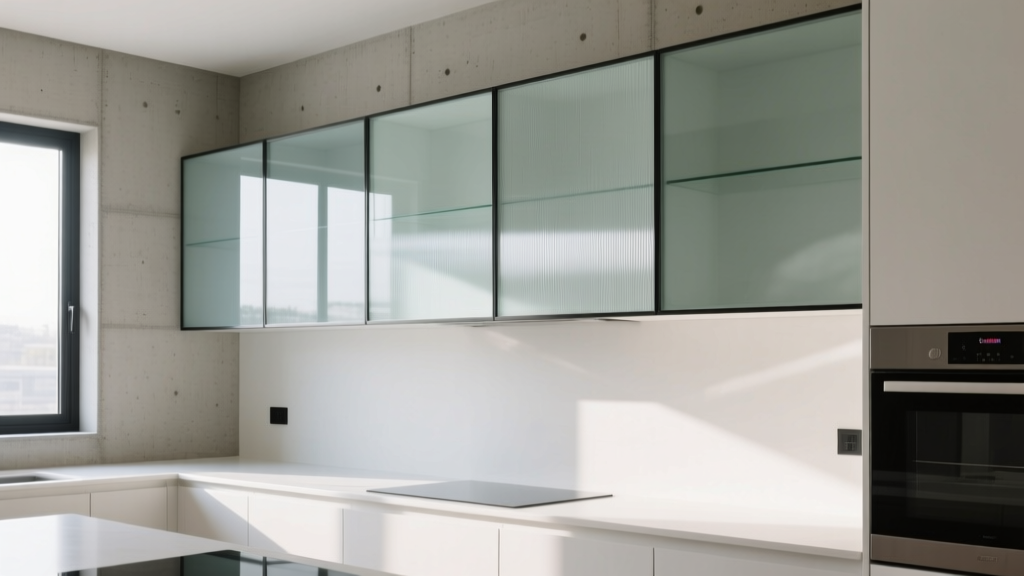 How to Choose Kitchen Cabinet Glass Type - The Decor Mag
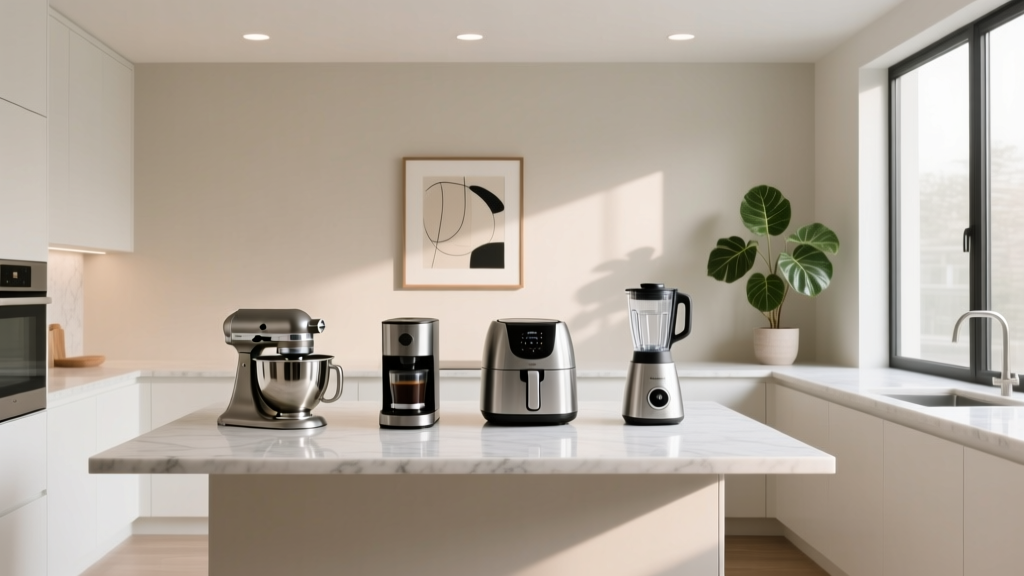 Best Kitchen Appliance Maintenance Schedule - The Decor Mag
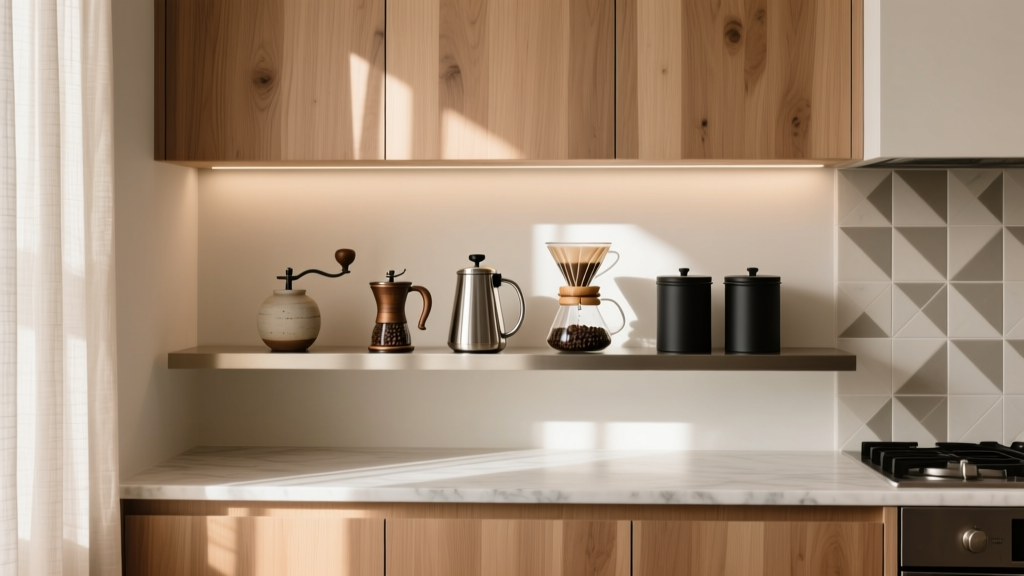 Best Kitchen Coffee Equipment Storage (2026)
 Best Kitchen Specialty Ingredient Storage - The Decor Mag
 Best Kitchen Oil and Vinegar Storage - The Decor Mag
 Best Kitchen Rug Options for Comfort - The Decor Mag
 Kitchen That Grows With Your Family (2026)
 Open Concept Kitchen Renovation: Pre-Demolition Guide
 Best Kitchen Colander Storage Solutions - The Decor Mag
 How to Design a Kitchen with Natural Light - The Decor Mag