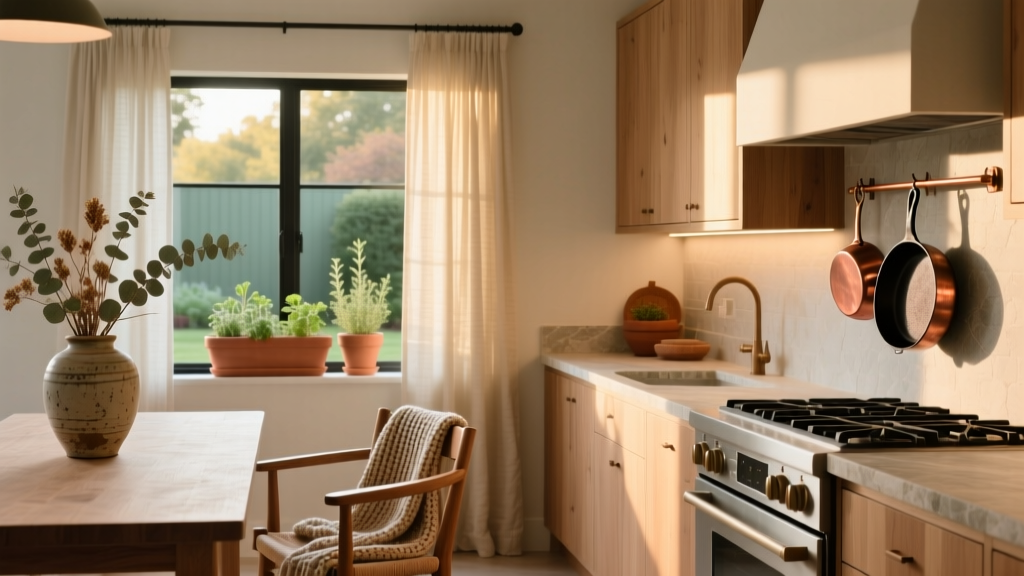
Warm & Inviting Kitchens: Design Tips (2026)
A warm, inviting kitchen isn’t defined by a single style—modern, traditional, farmhouse, and transitional kitchens can all feel welcoming. What makes the difference is how the space supports real life: easy movement, comfortable lighting, touchable materials, and thoughtful details that make people want to linger.
For homeowners planning a kitchen renovation (or even a refresh), “warm and inviting” is also a practical goal. When your kitchen feels comfortable, it’s used more—family meals happen more often, friends naturally gather, and the space becomes a true hub rather than a room you pass through.
The good news: you don’t have to overhaul everything to get there. A few strategic design choices—especially around layout, lighting, finishes, and organization—can shift the entire mood of your kitchen without sacrificing performance or resale value.
Start With a Layout That Encourages Conversation
Even the most beautiful finishes won’t feel inviting if the kitchen is awkward to move through. Warmth starts with flow: space to cook without collisions, and a place for others to sit, chat, or help.
Use practical spacing rules (and measure before you buy)
- Work aisle width: 42 inches minimum for one cook; 48 inches if two people cook together regularly.
- Island clearance: Aim for 36–48 inches around an island; closer to 48 inches near ovens and dishwashers.
- Seating clearance: Allow 24 inches of width per stool and 12–15 inches of knee space depth for comfort.
- Landing zones: Keep at least 15 inches of counter space next to the fridge handle side; 15–24 inches on at least one side of the cooktop and near the oven when possible.
Layouts that naturally feel more welcoming
- Kitchen island with seating: The most social choice—great for open-concept kitchen design. Consider a waterfall edge for a modern look, or a furniture-style island for warmth.
- Peninsula: A smart alternative when space is tight; it creates a “gathering edge” without requiring a full island footprint.
- Banquette breakfast nook: One of the coziest options. A built-in bench with a small table makes everyday meals feel special and adds storage under the seat.
Budget note: Moving plumbing and gas lines can quickly increase renovation costs. As a rough guideline, keeping the sink, dishwasher, and range in the same general locations can save $1,000–$5,000+ depending on your home’s structure and region.
Choose Materials That Add Warmth (Without Being High-Maintenance)
Inviting kitchens feel tactile and layered. The most effective approach is mixing a few “warm” materials (wood, warm metals, natural stone looks) with durable, easy-care surfaces.
Cabinetry: warm tones, softer sheens, and friendly details
- Wood or wood-look cabinetry: White oak, walnut, and rift-cut oak are current kitchen design trends that read timeless when paired with simple door profiles.
- Paint colors that feel warm: Creamy whites, greige, soft taupe, muted sage, and warm charcoal. Avoid overly cool bright whites if you want a cozy feel.
- Finish tip: Choose matte or satin over high-gloss for a softer, more welcoming look (and fewer visible smudges).
- Hardware: Warm metals—brushed brass, champagne bronze, antique brass—add instant warmth. Black hardware can work too, especially with wood tones, but pair it with warm lighting.
Cost range: Stock cabinets often start around $4,000–$10,000 for an average kitchen; semi-custom commonly runs $10,000–$25,000; custom can be $25,000–$60,000+ depending on size and features.
Countertops: compare feel, durability, and upkeep
- Quartz: Durable, low maintenance, consistent patterning. Great for busy households. Choose warmer veining (beige, taupe, soft brown) for an inviting look.
- Granite: Natural variation and depth; needs periodic sealing. Works beautifully with warm woods and traditional details.
- Quartzite: Natural stone look with excellent durability; often higher cost. Seal regularly and use cutting boards to prevent wear.
- Butcher block: The ultimate warm surface visually. Best used as an accent (island top or coffee station) because it requires regular oiling and careful moisture management.
Cost range (installed): Quartz and granite often fall around $60–$120 per sq ft; quartzite can run $90–$200+ per sq ft. Butcher block is typically $40–$100 per sq ft depending on species and thickness.
Backsplashes: add texture for a layered, cozy look
- Handmade-look ceramic tile: Slight variation reads warm and artisanal. A 2.5x8 inch or 3x12 inch elongated subway tile is a modern update on a classic.
- Zellige-style tile: Trend-forward and luminous; use a skilled installer for clean edges and grout lines.
- Slab backsplash: Seamless and easy to clean. Pair with warm cabinet tones so it doesn’t feel too sleek.
Maintenance tip: Use a grout sealer for cementitious grout, especially behind the cooktop. For daily care, a pH-neutral cleaner helps preserve tile and stone finishes.
Lighting Is the Fastest Way to Make a Kitchen Feel Cozy
Inviting kitchens rely on layered lighting: task lighting for work, ambient lighting for mood, and accent lighting for depth. This is one of the most impactful upgrades in kitchen renovation projects—and it’s also one of the easiest to phase in.
Use a layered lighting plan
- Ambient: Recessed lights or a ceiling fixture to fill the room.
- Task: Under-cabinet LED strips for counters; focused pendants over an island.
- Accent: Cabinet interior lighting, toe-kick lighting, or a small picture light over open shelving.
Warm color temperature and good color rendering
- Color temperature: Choose 2700K to 3000K for warmth. 3500K+ can feel clinical in kitchens aiming for cozy.
- CRI: Look for 90+ CRI LEDs so food and finishes look natural.
- Dimmers: Put major light zones on dimmers to shift from prep to entertaining.
Cost range: Under-cabinet LED systems can be $150–$800+ depending on quality and installation. Pendant lights range widely ($100–$1,000+ each). Dimmers typically cost $20–$80 per switch plus installation.
Add Softness Through Color, Texture, and Decor (Without Clutter)
Warmth often comes from what isn’t “built-in”: textiles, art, and personal touches. The key is selecting items that are easy to clean and don’t interfere with cooking.
Easy ways to soften hard surfaces
- Washable runner rug: Look for low-pile or washable styles with a non-slip pad. Common sizes: 2'6" x 7' for galley kitchens or 3' x 9' for longer runs.
- Window treatments: Woven wood shades add instant warmth; café curtains suit cottage and traditional kitchens.
- Upholstered or wood stools: Upholstery brings comfort; choose performance fabrics or wipeable faux leather for maintenance.
- Art and a focal point: A framed print, vintage sign, or small gallery wall can make the room feel lived-in—keep it away from grease zones.
Color palette approach that stays timeless
- Choose a neutral base (warm white, greige, or soft taupe).
- Add one natural material (wood cabinets, wood shelves, or butcher block).
- Layer 1–2 accent colors (muted green, terracotta, navy) through small items: towels, ceramics, rugs.
Trend to watch: Warm neutrals and organic-modern kitchens are leading current trends—think natural woods, softly veined counters, and mixed metals—while still aligning with timeless functionality.
Upgrade Organization: A Tidy Kitchen Feels More Inviting
Warm kitchens feel calm, and calm kitchens are easier to use. Smart kitchen organization reduces visual noise and keeps counters clear for cooking and gathering.
High-impact storage upgrades (great for renovations and refreshes)
- Deep drawer bases: Store pots, pans, and plates in drawers rather than lower cabinets. Look for full-extension glides.
- Pull-out trash and recycling: Keeps mess hidden and improves workflow near the sink.
- Pantry zones: Group breakfast items, snacks, and baking. Use labeled bins to reduce clutter.
- Drawer dividers: Prevent “junk drawer creep.” Choose adjustable inserts for utensils and tools.
- Appliance garage or coffee station: A dedicated area for small appliances keeps the main counter open.
Measurements that help:
- Drawer depth: 21 inches is common; 24 inches is luxurious if space allows.
- Upper cabinet height: 36–42 inches works well in many kitchens; pair with crown molding for a finished, inviting look.
- Open shelving: Keep shelves 10–12 inches deep so they don’t overwhelm the wall; reserve for everyday dishes to avoid dust buildup.
Cost range: Aftermarket organizers can be $20–$300 each; cabinet pull-outs and built-in systems may run $200–$1,000+ per cabinet depending on brand and installation.
Bring in “Human-Scale” Details That Invite People to Stay
Warmth is also emotional—your kitchen should feel like a place where people belong, not a showroom.
Design choices that read welcoming
- Seating that’s truly comfortable: Choose stools with backs when possible; prioritize a footrest and a seat height that matches the counter (typically 24–26 inches for a standard 36-inch counter).
- A space to set things down: Add a small tray or “drop zone” for keys, mail, or a purse—especially in open-concept layouts where the kitchen is a pass-through.
- Statement sink and faucet: A deep single-bowl sink is practical; a bridge faucet can add warmth in traditional kitchens, while a pull-down faucet suits modern homes.
- Natural elements: A bowl of citrus, a vase of branches, or potted herbs adds life without clutter.
Budget Planning: Where to Spend for Maximum Warmth
Whether you’re planning a full kitchen remodel or smaller improvements, spending strategically keeps the project grounded.
Quick budget guide
- Refresh ($500–$3,000): Paint, new hardware, warm LED bulbs, washable rug, upgraded faucet, organization inserts.
- Mid-range update ($8,000–$25,000): New countertops, backsplash, lighting plan, a few new appliances, refacing or semi-custom cabinetry in key areas.
- Full renovation ($30,000–$100,000+): New cabinets, improved layout, flooring, premium appliances, custom storage, upgraded ventilation, electrical and plumbing changes.
Best “warmth per dollar” upgrades
- Layered lighting (especially under-cabinet lights on dimmers)
- Warm hardware and a faucet finish that complements it
- Wood elements (stools, shelves, cutting boards, or a butcher block accent)
- A comfortable runner and a few coordinated textiles
Common Mistakes That Make Kitchens Feel Cold or Unwelcoming
- All-cool palette: Stark white with cool gray floors and blue-white lighting can read sterile. Balance with warmer tones and 2700K–3000K lighting.
- Too much open shelving: It can look cluttered fast and requires constant styling. Use it selectively.
- Ignoring ventilation: A kitchen that smells like yesterday’s dinner won’t feel inviting. Choose a properly sized range hood and clean filters regularly.
- Undersized islands: A tiny island can disrupt flow more than it helps. If you can’t keep 36–42 inches of clearance, choose a peninsula or a table instead.
- Gloss overload: High-gloss cabinets, shiny tiles, and polished stone all together can feel harsh. Mix in matte finishes and texture.
- Skipping outlets and charging zones: Visible cords and crowded counters kill the calm. Plan outlets inside drawers or in discreet locations where possible.
Maintenance Advice: Keep the Warm Look Looking Fresh
- Wood care: Use a gentle cleaner; avoid soaking. For butcher block, oil regularly (often monthly at first, then as needed) and wipe spills quickly.
- Quartz care: Mild soap and water is usually enough; avoid abrasive pads and harsh chemicals.
- Natural stone care: Use pH-neutral stone cleaner; reseal per manufacturer guidance (often every 1–3 years depending on use).
- Grout care: Seal cement grout; spot-clean with a soft brush. Consider epoxy grout for high-splash zones if budget allows.
- Lighting upkeep: Choose LED fixtures with replaceable drivers or reputable warranties; wipe grease from pendants and under-cabinet diffusers.
FAQ: Warm and Inviting Kitchen Design
What colors make a kitchen feel warm and inviting?
Warm whites (cream), greige, soft taupe, muted greens, and warm charcoals create a cozy base. Pair them with wood tones and warm metals (brass, bronze) for a balanced, welcoming feel.
How can I make my kitchen feel warmer without replacing cabinets?
Focus on changes with high visual impact: swap hardware to brushed brass or champagne bronze, install under-cabinet lighting at 2700K–3000K, add a washable runner, and introduce wood accents (stools, cutting boards, shelves).
Is an all-white kitchen still in style?
Yes, but the trend is shifting toward softer whites and layered materials. An inviting white kitchen typically includes warm lighting, mixed textures (ceramic tile, wood, woven shades), and warmer accents to avoid a stark look.
What’s the best lighting for a cozy kitchen?
Use layered lighting with LEDs in the 2700K–3000K range and 90+ CRI. Add dimmers for flexibility, under-cabinet task lighting for function, and a few decorative fixtures for personality.
What countertop looks warm but stays low maintenance?
Quartz is usually the easiest to maintain while still looking warm—choose designs with beige, taupe, or gold-toned veining. If you love real wood, consider a butcher block accent area rather than the entire kitchen.
How do I keep an open-concept kitchen from feeling too exposed?
Create defined zones: pendants over the island, a distinct rug runner in the work aisle, and a clear seating area. Using slightly warmer cabinet tones or a contrasting island color also helps the kitchen feel grounded and inviting.
Next Steps: Build Warmth One Decision at a Time
Start by assessing how your kitchen feels at night—lighting temperature and glare are often the biggest culprits. Next, look at flow and landing spaces: are people comfortable standing with you, or are they in the way? Then layer in warmth through wood tones, softer finishes, and a few tactile elements like a runner and window shade.
If you’re renovating, prioritize layout and lighting first, then choose durable materials with warmth built in. If you’re refreshing, focus on the “top five” upgrades: lighting, hardware, textiles, organization, and one natural element.
For more kitchen design inspiration, renovation planning advice, and organization ideas, explore the latest guides and real-home features on thedecormag.com.
More Articles
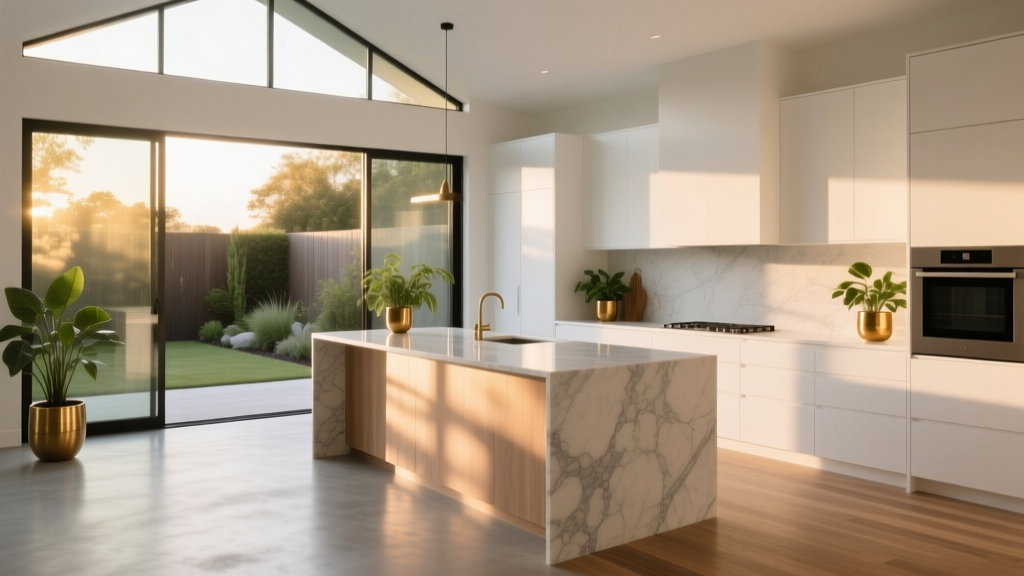 How to Design a Kitchen with Natural Light - The Decor Mag
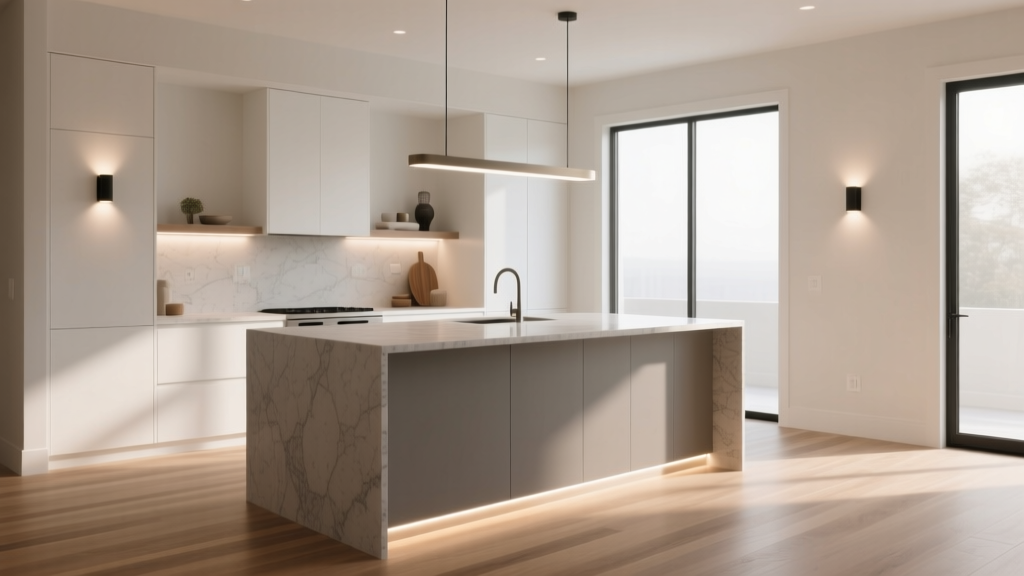 Kitchen Island Size: Choose Right for Your Space (2026)
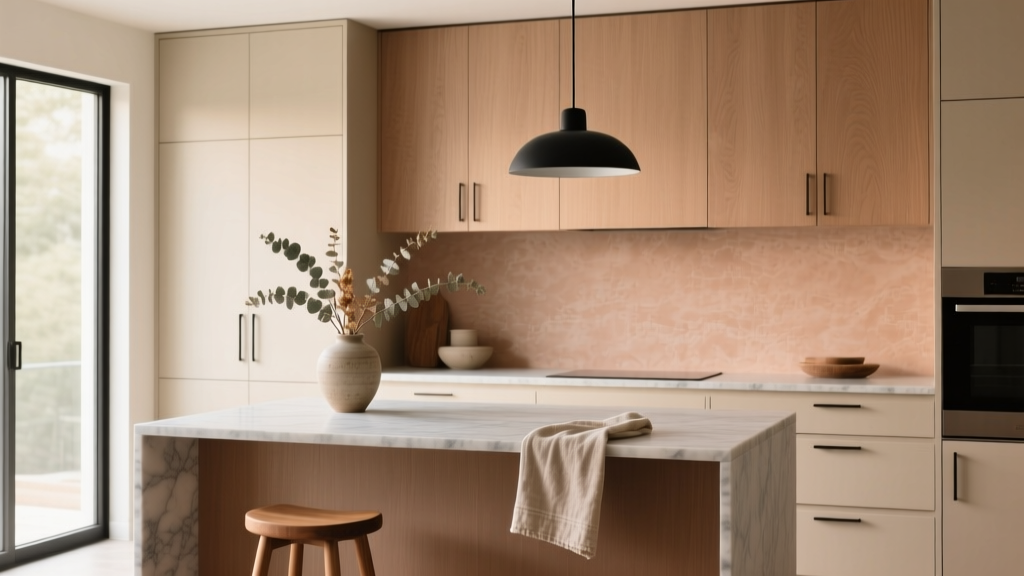 Kitchen Warm Neutral Cabinet Colors - The Decor Mag
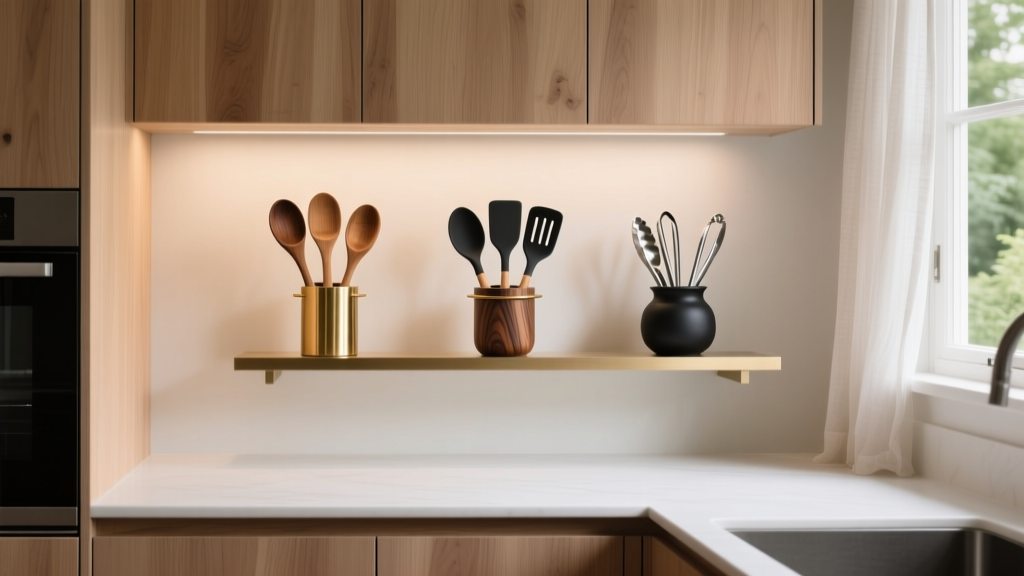 Best Kitchen Utensil Holder Picks - The Decor Mag
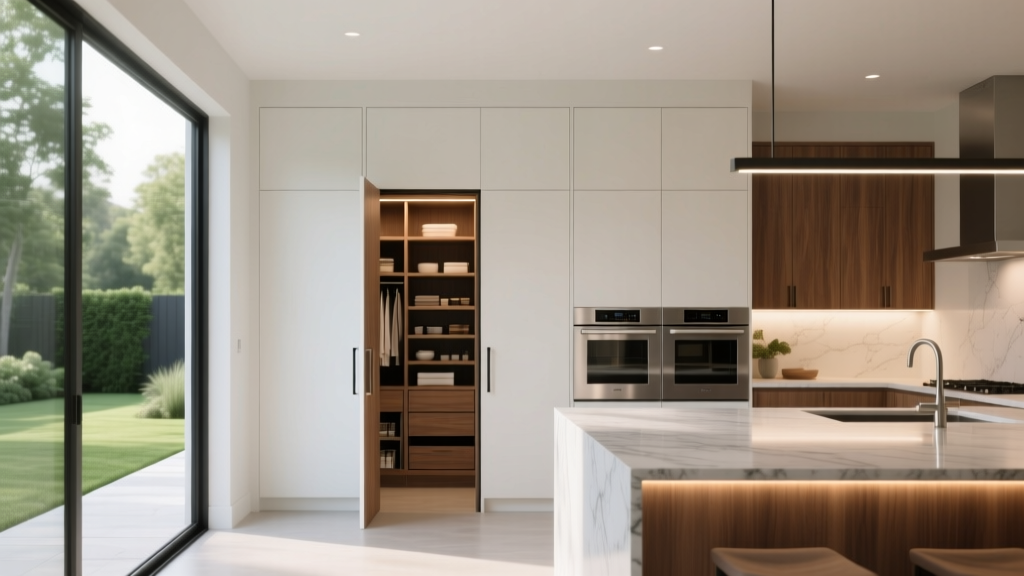 Walk-In Pantry Kitchen Design Ideas (2026)
 Wall Trends 2026: Material Innovation, Adaptive Surfaces, and Human-Centered Design in Residential Kitchens
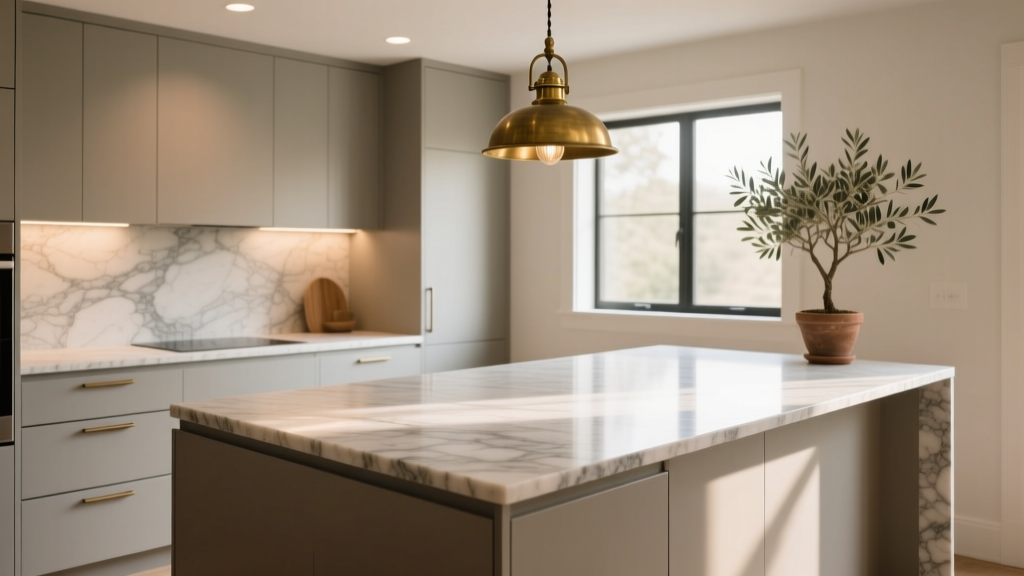 Kitchen Honed Finish Countertop Appeal - The Decor Mag
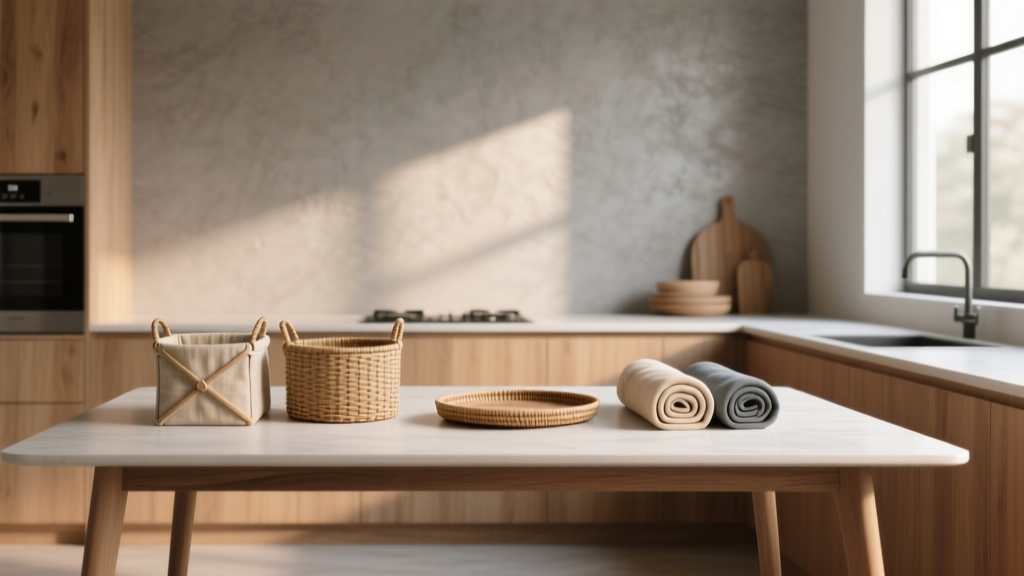 Best Kitchen Table Linen Storage - The Decor Mag
 Best Kitchen Baking Supply Organization - The Decor Mag
 Best Kitchen Mug Display Ideas - The Decor Mag