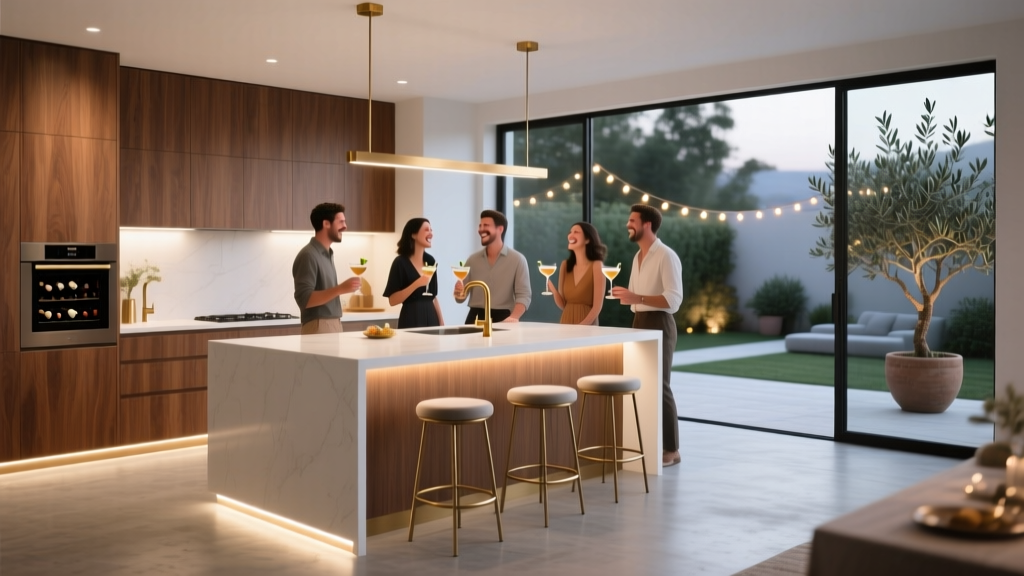
How to Design a Kitchen for Entertaining - The Decor Mag
The kitchen has shifted from a back-of-house workspace to the social heart of the home. When friends and family gather, they naturally gravitate toward the island, the snack zone, or the open doorway where conversation and cooking overlap. A kitchen designed for entertaining makes hosting feel effortless—less time juggling traffic jams and more time enjoying the people you invited.
Whether you host big holiday dinners or casual weeknight wine-and-appetizers, smart kitchen design can reduce stress, improve flow, and keep the space looking polished even when it’s working hard. The best entertaining kitchens blend today’s renovation trends—like large islands, integrated appliances, and layered lighting—with timeless principles: clear circulation paths, durable materials, and storage that supports real life.
Start With How You Entertain (Not Just How You Cook)
Before choosing finishes or appliances, define your entertaining style. This prevents the common renovation trap of building a “show kitchen” that looks great but feels awkward when guests arrive.
Ask these planning questions
- How many people do you host most often? (2–6, 8–12, 15+)
- Do guests gather while you cook? If yes, plan seating and “guest lanes” away from hot zones.
- What’s your hosting format? Buffet, plated dinners, grazing, cocktail parties, brunch.
- Do you need kid-friendly zones? Consider a low snack drawer and durable surfaces.
- Do you entertain outdoors? A beverage station near the patio door changes everything.
A simple zone list for entertaining kitchens
- Prep zone: main sink, trash/recycling, dishwasher, most-used tools
- Cooking zone: range/cooktop, ovens, spices, utensils
- Serving zone: platters, plates, warming drawer (optional), landing space
- Beverage zone: fridge drawers or beverage fridge, glassware, ice, coffee/tea
- Social zone: island seating or a banquette; comfortable sightlines to the cook
Choose an Entertaining-Friendly Layout
Great kitchen layouts prioritize circulation. The goal is to keep guests close enough to feel connected—but far enough away to avoid collisions with hot pans and open dishwashers.
Best layouts for entertaining
- Open-concept kitchen with island: ideal for mingling, casual seating, and buffet-style serving
- L-shaped with island: efficient work triangle plus a natural gathering hub
- U-shaped with a peninsula: keeps the cook “in the center” while creating a built-in guest boundary
- Galley kitchen (two-wall): works for entertaining when paired with a nearby dining zone or pass-through; focus on traffic control
Measurements that make hosting smoother
- Main walkway clearance: 42 inches minimum; 48 inches is ideal for two people passing (especially during parties).
- Space behind island seating: 44–54 inches from counter edge to the nearest obstruction (more if it’s a major passage).
- Seating width per person: 24 inches of counter length per stool (30 inches for plus-size comfort or frequent long hangs).
- Counter overhang for stools: 12 inches minimum; 15 inches is more comfortable.
- Landing space near appliances: at least 15 inches beside the oven and microwave; 12–18 inches by the fridge for unloading.
Traffic-proof your “work triangle” with a guest lane
The classic kitchen work triangle (sink–range–fridge) still matters, but for entertaining, add a second circulation path so guests can access drinks, snacks, or the patio without cutting through the cooking zone. If a second path isn’t possible, define boundaries with a peninsula, furniture-style island, or a change in lighting.
The Island: Social Hub and Workhorse
In current kitchen design trends, larger islands remain popular—but the best islands earn their footprint with function: prep space, storage, power, seating, and sometimes a second sink.
Entertaining island features worth considering
- Prep sink: keeps the main sink free for dishes or handwashing
- Outlet placement: include outlets on the side panels for slow cookers, phone chargers, and warming trays
- Trash/recycling pull-out: near the prep area for quick cleanup
- Microwave drawer: convenient for reheating without blocking a main walkway
- Mixed seating: 2–3 stools plus one end left open for standing guests (often the most-used “seat” at parties)
Island sizing guidelines
- Minimum functional island: about 24 x 48 inches (better if you can go larger)
- Comfortable entertaining island: 36–48 inches deep and 72+ inches long if space allows
- Don’t oversize: If clearances drop below 42 inches around the island, it will feel crowded during gatherings.
Build a Beverage Station (The #1 Hosting Upgrade)
If you do one entertaining-focused change, make it a dedicated beverage zone. It pulls traffic away from the cooking area and keeps guests feeling “at home” without rummaging through cabinets.
Beverage station components
- Undercounter beverage fridge: 24 inches wide is common; plan ventilation if required
- Ice maker or ice drawer: popular in high-use homes; alternatively, keep an ice bucket in the freezer
- Glassware storage: a drawer with pegs or a shallow cabinet near the fridge
- Coffee/tea shelf: add an appliance garage to hide clutter
- Water: filtered water dispenser, instant hot tap, or a dedicated chilled water pitcher area
Cost ranges for beverage upgrades
- Budget: $300–$900 for a compact beverage fridge + simple shelving
- Mid-range: $1,000–$2,500 for a quality undercounter unit + cabinetry tweaks
- High-end: $3,000–$8,000+ for built-in refrigeration, ice maker, and a fully custom beverage wall
Materials That Look Great Under Pressure
Entertaining kitchens need surfaces that tolerate spills, heat, and frequent wipe-downs. Current renovation trends lean toward warmer, natural finishes—wood tones, soft veining, textured tiles—paired with practical performance.
Countertop comparisons for entertaining
- Quartz: stain-resistant, low maintenance, consistent patterns. Great for heavy hosting. Watch: avoid placing hot pans directly on it (use trivets).
- Quartzite: natural stone with excellent durability and heat resistance; more variation and typically higher cost. Maintenance: seal periodically.
- Granite: durable and heat-tolerant; patterns can feel busier. Maintenance: sealing depends on the slab’s porosity.
- Marble: timeless and beautiful, but etches and stains easily—better for low-stress bakers than high-traffic parties.
- Porcelain slabs: stain-, heat-, and scratch-resistant; modern look. Note: edges can chip if impacted; choose a skilled fabricator.
Flooring options that handle crowds
- Porcelain tile: extremely durable and spill-friendly; choose a matte finish for slip resistance.
- Engineered hardwood: warmer underfoot and trending; more stable than solid wood. Use mats at sinks and entrances.
- Luxury vinyl plank (LVP): budget-friendly, water-resistant, and comfortable. Choose a thicker wear layer for longevity.
Best backsplash choices for busy kitchens
- Ceramic/porcelain tile: easy to clean; consider larger formats for fewer grout lines.
- Full-height slab backsplash: sleek, minimal grout, and visually expansive—great behind ranges.
- Grout tip: use epoxy grout or a high-performance grout sealer for stain resistance.
Lighting That Flatters Food and People
Entertaining-friendly kitchen lighting should be layered and dimmable. The goal is bright task light for cooking, then a softer glow for dinner and conversation.
A lighting plan that works
- Ambient: recessed ceiling lights or a flush mount for overall illumination
- Task: under-cabinet LED strips (3000K warm-white is a popular sweet spot)
- Decorative: pendants over the island or a statement fixture over a table
- Accent: toe-kick lighting or inside-glass cabinet lighting for evening ambiance
Practical lighting specs
- Dimmers: add to all key circuits; it’s a modest cost with huge payoff
- Pendant spacing: typically 24–30 inches between pendants; hang about 30–36 inches above the countertop
- Color temperature: 2700K–3000K for a welcoming glow; keep it consistent throughout the kitchen
Appliances and Features That Make Hosting Easier
Choose appliances based on how you serve and clean up. Entertaining often creates bottlenecks at the oven, fridge, and dishwasher.
High-impact appliance upgrades
- Double ovens or an oven + speed oven: improves timing when cooking multiple dishes
- Quiet dishwasher (under 45 dBA): lets you run it during the party without disrupting conversation
- 36-inch range: more burners and oven capacity for larger gatherings (if space and budget allow)
- Warming drawer: keeps food ready without overcooking; helpful for buffet-style serving
- Panel-ready appliances: trend-forward and visually calm; helps the kitchen feel like part of the living space
Budget ranges for common appliance moves
- Dishwasher upgrade: $700–$1,800 (premium quiet models can be higher)
- 36-inch range: $2,500–$10,000+ depending on brand and fuel type
- Wall oven + speed oven: $3,000–$8,000+
- Ventilation hood: $600–$3,500+ (custom surrounds can add cost)
Storage and Organization: Keep Clutter Out of Sight
An entertaining kitchen should look tidy quickly—even if you’re mid-prep. Smart kitchen organization reduces countertop clutter and gives everything a “home.”
Storage solutions that pay off
- Deep drawers for pots and pans: easier than base cabinets with shelves
- Pull-out pantry units: great for snacks and party supplies
- Dedicated “party cabinet”: store platters, linens, serving tools, candles, and vases together
- Trash + recycling + compost pull-out: place near prep and near the island if possible
- Appliance garage: hide coffee makers, toasters, and chargers while keeping them accessible
Practical drawer organization tips
- Use peg systems for plates and bowls so stacks don’t slide.
- Add a shallow “hosting drawer” with corkscrew, bottle stoppers, cocktail napkins, lighters, and serving spoons.
- Choose wipeable liners to make cleanup faster after spills.
Budget Planning: Where to Spend and Where to Save
Kitchen renovation costs vary widely by region, scope, and finish level. For entertaining-focused upgrades, prioritize the elements that change daily use: layout, storage, lighting, and durable surfaces.
Typical kitchen remodel cost ranges
- Cosmetic refresh: $5,000–$20,000 (paint, lighting, hardware, minor appliance upgrades)
- Mid-range remodel: $25,000–$75,000 (new cabinets, counters, appliances, improved lighting, modest layout changes)
- Major renovation: $80,000–$200,000+ (walls moved, new plumbing/electrical, custom cabinetry, premium appliances)
Spend vs. save guidance
- Spend: cabinet interiors and hardware, countertop durability, quiet dishwasher, ventilation, lighting plan
- Save: decorative pendants (choose value brands), open shelving (use sparingly), standard cabinet sizes, durable-look tiles instead of rare stone
Common Mistakes to Avoid in an Entertaining Kitchen
- Undersized walkways: less than 42 inches around the island creates constant bottlenecks.
- Placing the dishwasher where guests stand: an open door can block traffic; plan it off the main social zone.
- No landing space: guests need places to set drinks; cooks need places to set hot trays.
- All seating, no prep space: too many stools can reduce usable counter area and make the island feel cramped.
- Choosing delicate materials for a high-use home: marble and high-gloss cabinets can show wear quickly.
- Weak ventilation: lingering cooking odors can overwhelm an open concept. Match hood power to your cooking style and range output.
- Ignoring acoustics: hard surfaces amplify noise. Balance with rugs (runner), upholstered stools, or window treatments if possible.
Maintenance Advice for a Party-Ready Kitchen
- Quartz and stone counters: wipe spills quickly; use cutting boards and trivets; re-seal natural stone as recommended by the fabricator (often every 1–3 years).
- Grout: use a pH-neutral cleaner; avoid harsh bleach that can degrade sealers over time.
- Cabinet finishes: clean with mild soap and water; avoid abrasive pads on matte finishes.
- Stainless appliances: use microfiber cloths and follow the grain; consider fingerprint-resistant finishes for family-heavy entertaining.
- Range hood filters: clean monthly if you cook often; it keeps airflow strong and reduces odor buildup.
FAQ: Designing a Kitchen for Entertaining
How big should a kitchen island be for entertaining?
A practical minimum is about 24 x 48 inches, but for comfortable hosting, aim for 36–48 inches deep and 72 inches or longer if your room supports it. Keep at least 42 inches of clearance around it (48 inches is even better for party traffic).
What’s the best kitchen layout for hosting guests?
L-shaped kitchens with an island and open-concept kitchens with a strong social hub tend to work best. The key is separating the guest path to drinks and seating from the primary cooking zone so people aren’t crossing in front of the range or dishwasher.
Is a beverage station really worth it?
Yes—especially if you host more than a few times a year. A beverage fridge and glassware storage create a self-serve area that reduces interruptions and traffic near the main fridge and prep sink.
Which countertop material is most practical for entertaining?
Quartz is a top choice for low maintenance and stain resistance. Quartzite and porcelain slabs are excellent for durability and heat resistance, often at a higher price. Marble is beautiful but higher-maintenance due to etching and staining.
How can I make a small kitchen better for entertaining?
Focus on flow and zones: add a slim beverage station, use a rolling cart for extra landing space, choose stackable stools, and prioritize drawer storage. Good lighting and a clear countertop make even compact kitchens feel more guest-ready.
What’s a common renovation upgrade that improves entertaining without a full remodel?
Layered lighting with dimmers, improved organization (drawer inserts, pull-outs), and a quieter dishwasher are high-impact changes that can often be done without moving walls.
Next Steps: Plan Your Entertaining Kitchen With Confidence
Start by mapping your ideal hosting flow: where guests enter, where drinks live, where food gets served, and where cleanup happens. Measure your clearances, prioritize a beverage zone, and choose durable materials that stand up to real gatherings. If you’re renovating, bring a checklist of your zones and measurements to your designer or contractor—it keeps decisions grounded in how you actually live.
For more kitchen renovation tips, layout ideas, and organization upgrades, explore the latest kitchen design inspiration on thedecormag.com.
More Articles
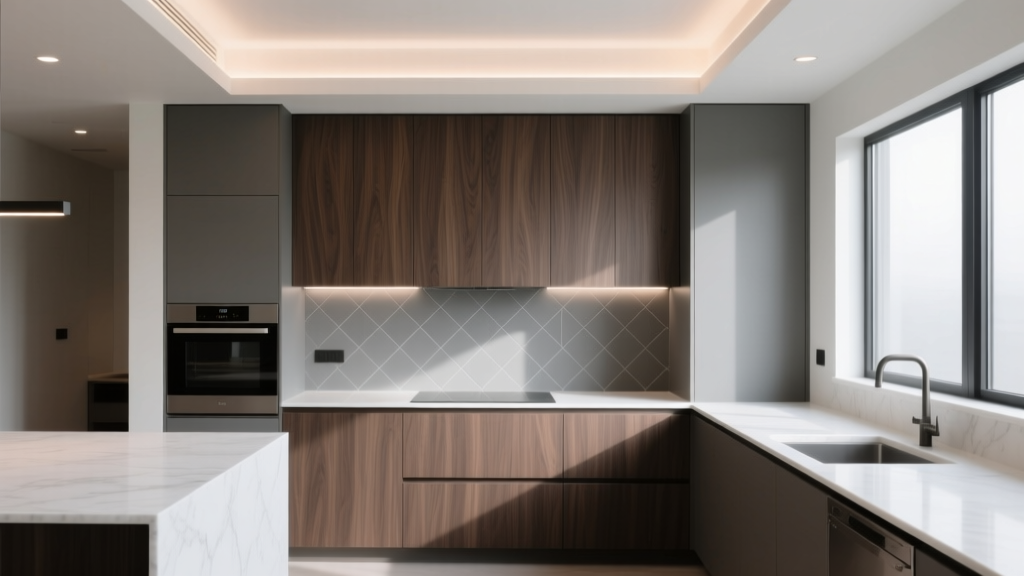 Kitchen Cabinet Finish Durability (2026)
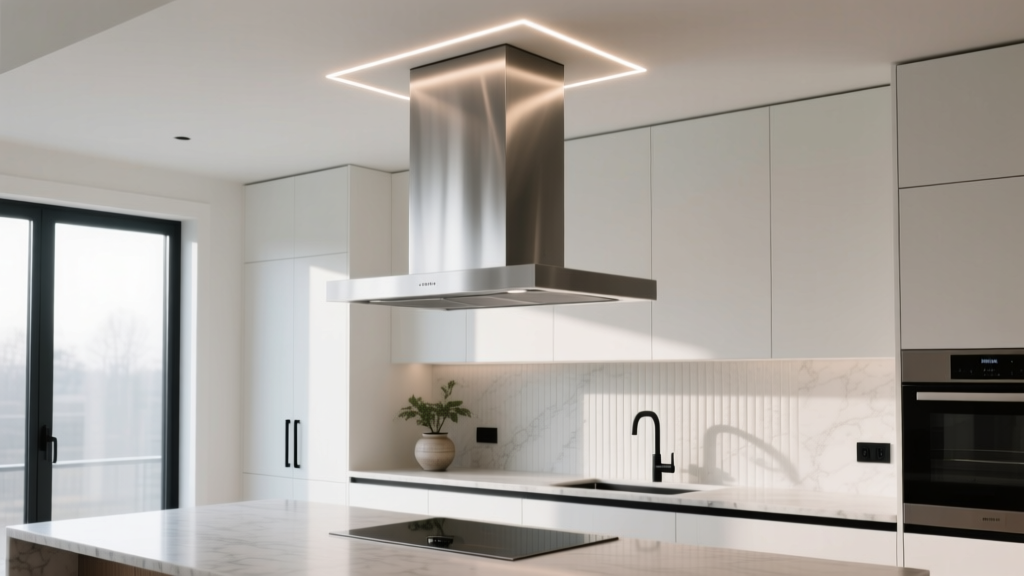 How to Choose the Right Kitchen Hood Vent - The Decor Mag
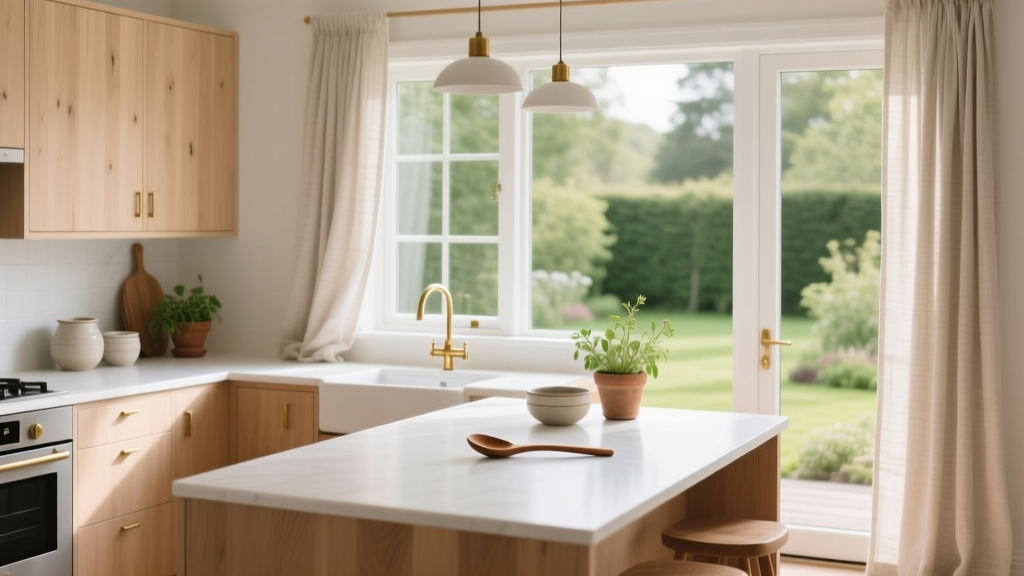 Scandinavian Kitchen Design Guide - The Decor Mag
 Kitchen Integrated Drainboard Sink Guide - The Decor Mag
 Best Kitchen Baking Sheet Organization - The Decor Mag
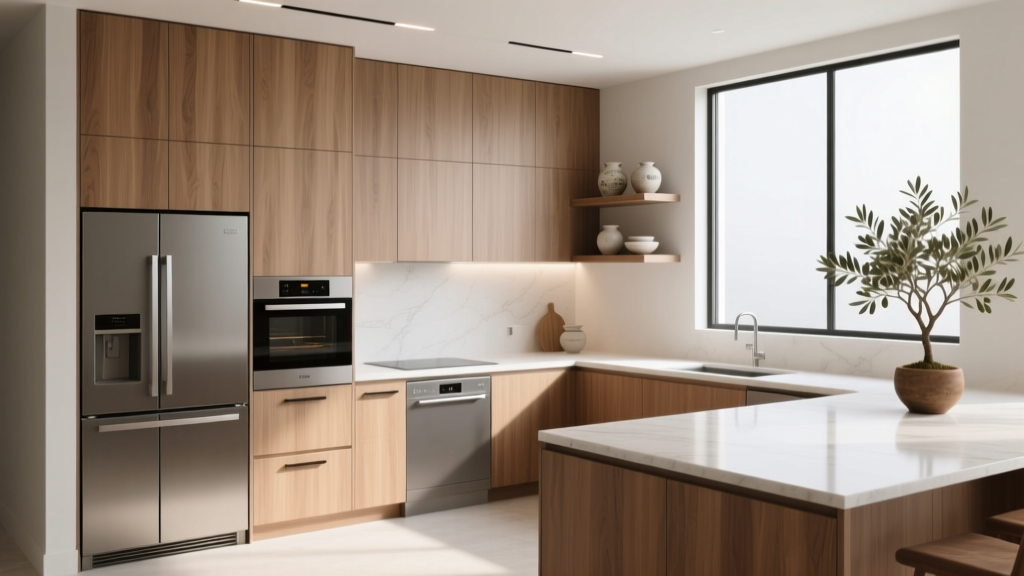 Kitchen Integrated Look Appliance Paneling - The Decor Mag
 Best Kitchen Mixing Bowl Storage - The Decor Mag
 Kitchen Vintage Inspired Hardware Guide - The Decor Mag
 Best Kitchen Cutting Board Display | The Decor Mag
 How to Choose Kitchen Cabinet Hinge Quality - The Decor Mag