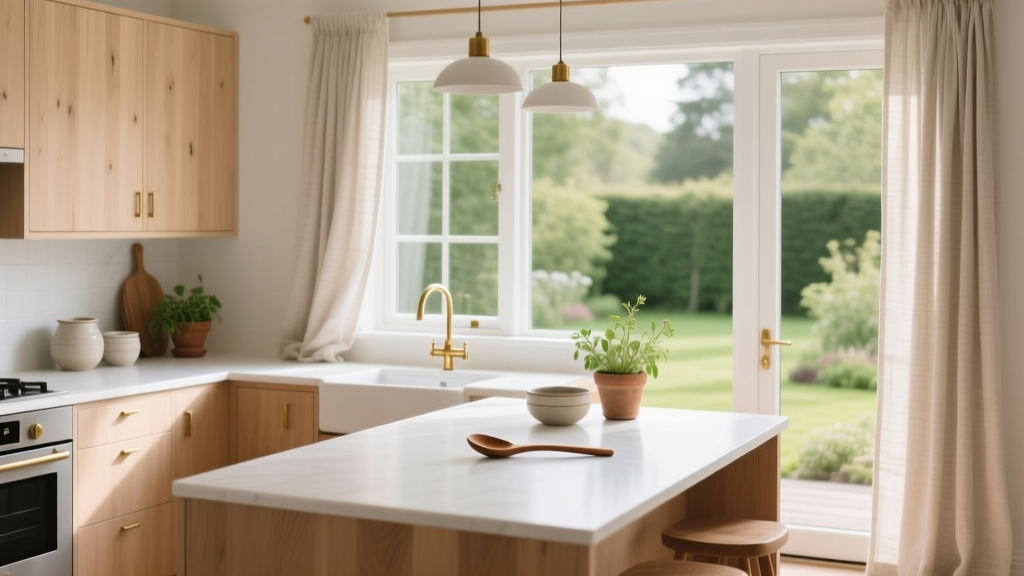
Scandinavian Kitchen Design Guide - The Decor Mag
A Scandinavian kitchen looks effortlessly calm, but the best ones are anything but accidental. They’re built around smart workflow, durable materials, and light-enhancing choices that make daily cooking easier. For homeowners renovating a kitchen—or simply trying to improve an outdated space—Scandi design offers a rare combination of beauty and practicality that holds up for years.
What makes this style especially relevant right now is how well it aligns with today’s renovation priorities: energy efficiency, long-lasting finishes, clutter-free organization, and flexible spaces that support cooking, working, and gathering. Scandinavian kitchen design is also adaptable; it can lean modern and sleek, warm and rustic, or somewhere in between without losing its core purpose-driven feel.
What Defines Scandinavian Kitchen Design?
Scandinavian interiors grew from northern climates where daylight is precious and homes need to feel bright, welcoming, and functional. In kitchens, that translates to clean lines, high-performing storage, and a restrained palette warmed up with texture.
Core principles to follow
- Light first: Maximize natural and layered artificial light with reflective surfaces and a pale palette.
- Function-driven layout: Efficient work zones and uncluttered countertops for everyday ease.
- Natural materials: Wood, stone, wool, linen, and ceramic—often in matte finishes.
- Calm color story: Whites, warm neutrals, pale gray, muted greens/blues, and black accents.
- Quality over quantity: Fewer, better pieces—hardware, faucets, lighting, and seating that will last.
Layouts That Work: Planning a Scandinavian Kitchen Renovation
A Scandinavian kitchen renovation starts with the same fundamentals as any great kitchen design: layout, circulation, and storage. The “Scandi look” only works when the kitchen functions smoothly.
Recommended clearances and measurements
- Walkways: 36 in (91 cm) minimum; 42–48 in (107–122 cm) is ideal in busy kitchens or between island and perimeter.
- Work aisles (between counters): 42 in (107 cm) for one cook; 48 in (122 cm) if two people often cook together.
- Counter height: Typically 36 in (91 cm); adjust for user comfort if possible.
- Island size: Aim for at least 24 in (61 cm) deep for prep; 36–48 in (91–122 cm) deep if seating is included.
- Seating space: 24 in (61 cm) width per stool; 12–15 in (30–38 cm) knee space depth; 15 in (38 cm) overhang is comfortable.
- Upper cabinet height: 18 in (46 cm) between counter and uppers is standard; consider slightly higher if you want more backsplash visibility.
Best layout choices for the Scandinavian look
- Galley kitchens: A Scandi favorite—efficient, easy to keep tidy, and great for minimal palettes.
- L-shaped kitchens: Ideal for open-plan living while keeping the work zone defined.
- U-shaped kitchens: Strong storage and counter space; use light colors and thoughtful lighting to avoid a boxed-in feel.
- Island kitchens: Excellent for family life; prioritize storage in the island to protect the clean-counter aesthetic.
Trend meeting timeless: Many current kitchen design trends favor “less upper cabinetry” and more open shelving. In a Scandinavian kitchen, that works best when balanced with closed storage elsewhere so the room stays visually calm.
Color Palette: Bright, Warm, and Softly Contrasted
White-on-white can look sterile if the undertones fight or if the space lacks texture. Scandinavian kitchens often use warm whites, pale greige, and light wood tones, then add depth with matte black or charcoal details.
Reliable Scandinavian palette formulas
- Classic Scandi: Warm white cabinets + light oak accents + soft gray walls + black hardware
- Modern Scandi: Flat-front light gray cabinets + white quartz + black faucet + slimline lighting
- Nature-inspired Scandi: Off-white cabinets + muted sage lowers or island + wood shelves + brushed brass accents
Practical paint and finish tips
- Choose washable, scrubbable finishes for walls (often eggshell or satin) and high-quality cabinet paint for longevity.
- If your kitchen gets limited sunlight, avoid stark cool whites; they can read blue and feel harsh.
- Use contrast sparingly: 1–2 dark elements (hardware, faucet, pendants, stool legs) are usually enough.
Materials Guide: Cabinets, Countertops, Flooring, and Backsplashes
Material choices make or break a Scandinavian kitchen design. The goal is a natural, tactile look that stays easy to clean.
Cabinetry: styles and best options
- Door style: Flat-panel (slab) or simple Shaker profiles keep lines clean.
- Finish: Matte or satin reads more authentic than high-gloss and hides fingerprints better.
Material comparison (practical view):
- Painted MDF: Smooth and cost-effective; can chip if abused but can be touched up. Good for modern Scandi cabinetry.
- Plywood boxes with wood or MDF fronts: A durability sweet spot; holds screws well and resists sagging.
- Solid wood fronts: Beautiful and repairable; more expensive and can move slightly with humidity—use quality construction.
- Thermofoil: Budget-friendly and wipeable; can peel near heat sources if quality is low—avoid around ovens without proper panels.
Countertops: the Scandi balance of beauty and resilience
- Quartz: A top pick for low-maintenance renovations; consistent, stain-resistant, and easy to clean. Great in white with subtle veining.
- Solid surface: Seamless look and repairable; can scratch but can be buffed out. Works well for minimalist kitchens.
- Butcher block (wood): Warm and authentic; requires regular oiling and careful water management. Best as an accent (island top) if you want easier upkeep.
- Natural stone (marble/soapstone/granite): Timeless; marble can etch, soapstone develops patina, granite is durable but busier visually—choose understated patterns for a Scandi look.
Flooring: light, durable, and not fussy
- Engineered wood: Warmer underfoot and more stable than solid hardwood; choose a matte finish and a wood tone that complements cabinetry.
- LVP (luxury vinyl plank): Budget-friendly, water-resistant, and comfortable; look for realistic texture and a low-gloss finish.
- Large-format porcelain tile: Very durable and easy to clean; pick warm-toned grays or soft stone looks to avoid a cold feel.
Backsplashes: simple surfaces with purpose
- Classic white subway tile: Timeless and budget-friendly; choose a warm white grout for a softer look.
- Vertical “kitkat” or slim tiles: A current trend that still feels clean and Scandinavian when done in matte neutrals.
- Full-height slab backsplash: Modern, seamless, easy to wipe—especially in quartz or porcelain slab.
- Microcement or tadelakt-style plaster: Gorgeous matte texture; requires skilled installation and proper sealing for kitchens.
Lighting: The Fastest Way to Make a Kitchen Feel Scandinavian
Scandinavian kitchens prioritize layered lighting—because a single ceiling fixture rarely makes a space feel welcoming. The right lighting plan also enhances organization by making work zones bright and shadow-free.
A simple 3-layer lighting plan
- Ambient: Recessed lights or a clean-lined ceiling fixture for overall brightness.
- Task: Under-cabinet LED strips to illuminate countertops evenly.
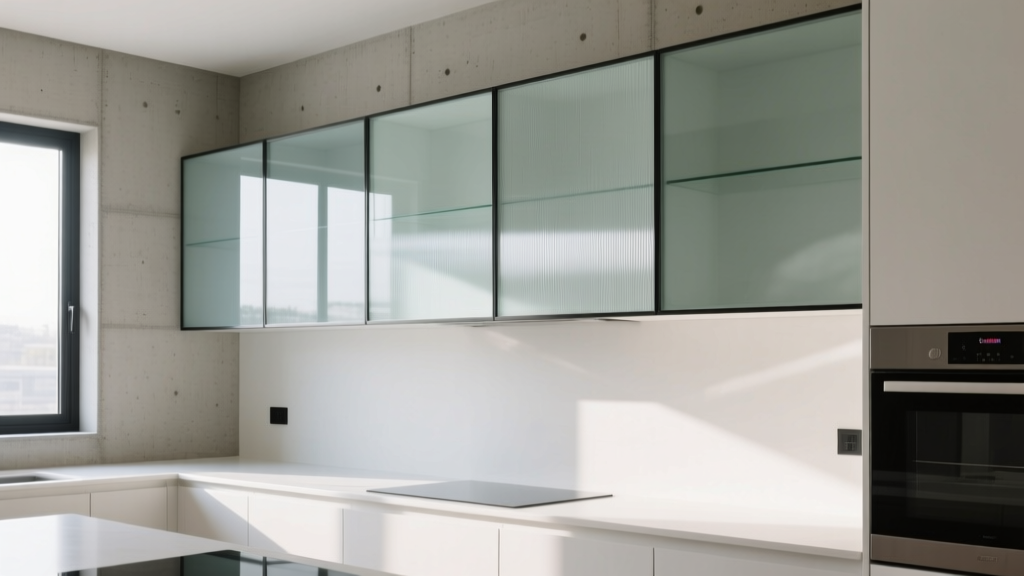
- Accent: Pendants over the island, a small wall sconce, or lit glass cabinets for warmth.
Specific recommendations
- Choose 2700K–3000K bulbs (warm to neutral warm) for a cozy but crisp feel.
- Install under-cabinet lighting in diffused channels to avoid visible hotspots.
- Put lights on dimmers so the kitchen shifts easily from cooking to relaxing.
Storage and Organization: The Secret Behind “Minimal” Scandinavian Kitchens
Minimalist kitchens aren’t magically clutter-free—they’re engineered that way. Scandinavian kitchen organization relies on smart zones and concealed storage so the counters can stay open for prep and daily life.
High-impact storage upgrades
- Deep drawers instead of lower cabinets: Easier access and better capacity for pots, pans, and small appliances.
- Integrated recycling and compost: Pull-out bins near the sink for clean workflow.
- Appliance garage or pocket doors: Hide toaster, coffee setup, and blender without losing convenience.
- Drawer dividers and peg systems: Keeps dishes and cookware stable and quiet.
- Pantry zoning: Store by category (breakfast, baking, snacks, dinner staples) for faster meal prep.
Organizational measurements that help
- Spice drawer: A 3–4 in (8–10 cm) angled insert helps labels stay readable.
- Pull-out pantry: 6–12 in (15–30 cm) wide units fit narrow gaps and store a surprising amount.
- Toe-kick drawers: Useful for flat items (baking trays, placemats) in tight kitchens.
Faucets, Sinks, and Hardware: Scandinavian Details That Feel Elevated
Small choices carry a lot of visual weight in a restrained design. In Scandinavian kitchen design, hardware and fixtures should look intentional, feel good to use, and hold up to daily wear.
What works well
- Faucets: Matte black for contrast, brushed stainless for timeless practicality, or brushed brass for a warmer modern Scandi edge.
- Sinks: Undermount stainless for durability; white fireclay for a softer look; composite granite for a matte, modern finish.
- Hardware: Simple pulls in black, brushed nickel, or brass. Keep shapes clean (bar pulls, minimal knobs).
Maintenance tips
- Wipe matte black fixtures with a soft cloth and mild soap; avoid abrasive cleaners that can dull the finish.
- For stainless sinks, rinse after heavy use and dry occasionally to reduce spotting.
- Use felt pads on stool feet to protect lighter flooring that shows scuffs more easily.
Budget and Cost Ranges: What a Scandinavian Kitchen Remodel Typically Costs
Costs vary widely by region, labor, and whether you’re changing layout or keeping plumbing in place. Scandinavian style can be done at almost any price point—the key is spending on what you touch every day.
Typical cost ranges (USD)
- Refresh (paint, lighting, hardware, minor storage): $1,500–$8,000
- Mid-range renovation (semi-custom cabinets, new counters, appliances, flooring): $20,000–$60,000
- Major renovation (layout changes, custom cabinets, premium surfaces): $60,000–$150,000+
Where to invest for a true Scandinavian result
- Cabinetry and storage hardware: Soft-close hinges, full-extension drawers, and smart organizers.
- Lighting: Under-cabinet task lighting and dimmers are worth the upgrade.
- Durable countertops: Quartz or porcelain for low maintenance in busy households.
Where you can save without sacrificing the look
- Use stock or semi-custom flat-front cabinets and upgrade the hardware.
- Choose classic tile (subway or simple ceramics) and spend more on lighting or the faucet.
- Keep the existing layout to avoid costly plumbing and electrical relocation.
Common Mistakes to Avoid in Scandinavian Kitchen Design
- Going too cold: All-white plus cool gray plus bright white lighting can feel clinical. Add wood, textiles, and warm light temperatures.
- Not enough closed storage: Open shelving looks great in photos, but it’s hard to maintain if it replaces essential cabinetry.
- Choosing delicate surfaces: Marble can be stunning, but if you’ll stress about every spill, opt for quartz or porcelain instead.
- Ignoring clutter “hot spots”: Mail, water bottles, lunch supplies—plan a drawer or cabinet zone so counters stay clear.
- Flat lighting: A single overhead fixture creates shadows and kills the cozy Scandi mood. Layer lighting.
- Overdoing black accents: A little contrast is great; too much can overpower the airy look.
Scandinavian Kitchen Styling: Finishing Touches That Feel Lived-In
Once the renovation is done, styling should stay functional—decor that also earns its keep.
Easy Scandi styling ideas
- Use a wood tray to corral everyday items (salt, pepper, oil) so the counter looks intentional.
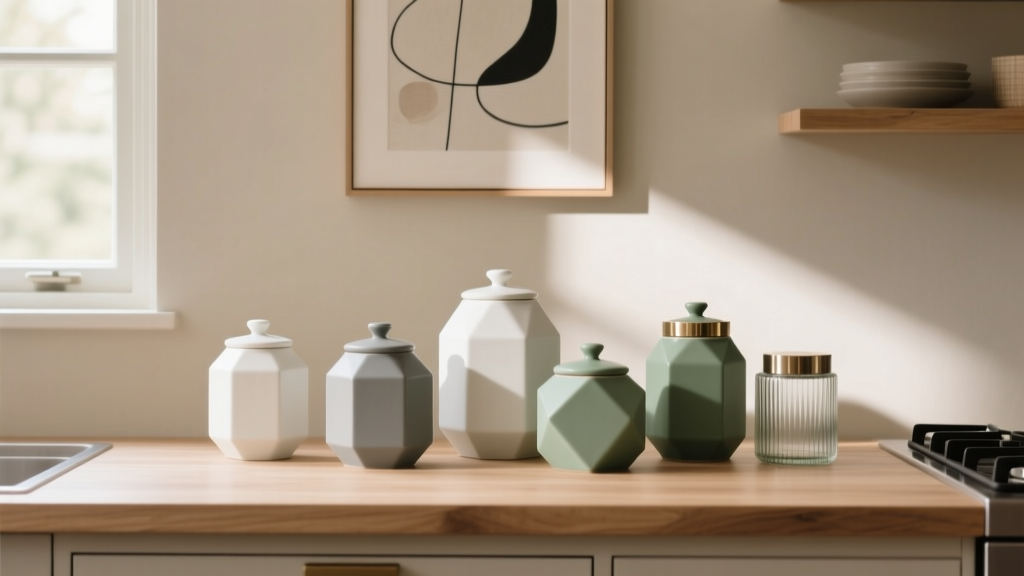
- Choose two to three ceramics (a utensil crock, a fruit bowl, a vase) in matte white, sand, or speckled stoneware.
- Add a washable runner in a subtle pattern for warmth and sound absorption.
- Bring in greenery with low-maintenance plants (pothos, snake plant) away from direct heat.
FAQ: Scandinavian Kitchen Design
What cabinet style is most Scandinavian?
Flat-panel (slab) cabinets are the most common, followed by simple Shaker doors. Look for minimal profiles, matte finishes, and clean hardware to keep the design crisp.
Are Scandinavian kitchens always white?
No. White is common because it reflects light, but Scandinavian kitchens also use warm neutrals, pale gray, muted sage, dusty blue, and light wood tones. The overall feel stays calm and airy.
What countertops suit a Scandinavian kitchen best?
Quartz is a top choice for durability and easy cleaning, especially in soft whites or subtle veining. Butcher block adds warmth but requires more maintenance; porcelain slab offers a sleek, highly durable option.
How do I make my kitchen look Scandinavian without a full remodel?
Focus on high-impact updates: paint (warm white or soft neutral), swap hardware, add under-cabinet lighting, reduce visual clutter with organizers, and introduce light wood accents through stools, cutting boards, or shelving.
Is open shelving necessary for the Scandinavian look?
No. It’s optional and works best in small doses—one short run for everyday ceramics, balanced by plenty of closed cabinets so the kitchen stays easy to maintain.
What flooring looks most Scandinavian and is easy to maintain?
Engineered wood in a matte finish is a classic choice. For busy households, quality LVP can deliver a similar light-wood look with better water resistance and lower upkeep.
Next Steps: Plan Your Scandinavian Kitchen with Confidence
Start by choosing a layout that supports how you cook, then build a palette around light, warmth, and natural texture. Prioritize storage that protects your countertops, invest in layered lighting, and select surfaces that match your maintenance comfort level. A Scandinavian kitchen doesn’t need to be expensive—it needs to be intentional.
- Measure your space and confirm clearances (aisles, island spacing, seating).
- Decide on a cabinet approach (stock, semi-custom, or custom) and plan storage zones.
- Select a simple, warm palette and commit to 1–2 accent finishes.
- Choose durable surfaces and a lighting plan before finalizing decor.
For more renovation guidance, kitchen organization ideas, and timeless design inspiration, explore the latest kitchen features on thedecormag.com.
More Articles
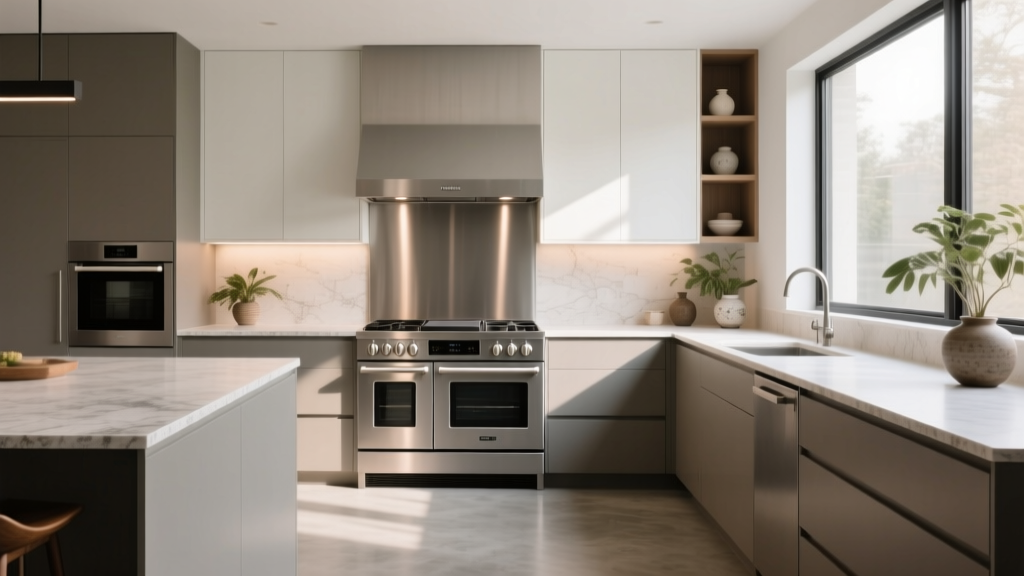 Kitchen Statement Range as Focal Point - The Decor Mag
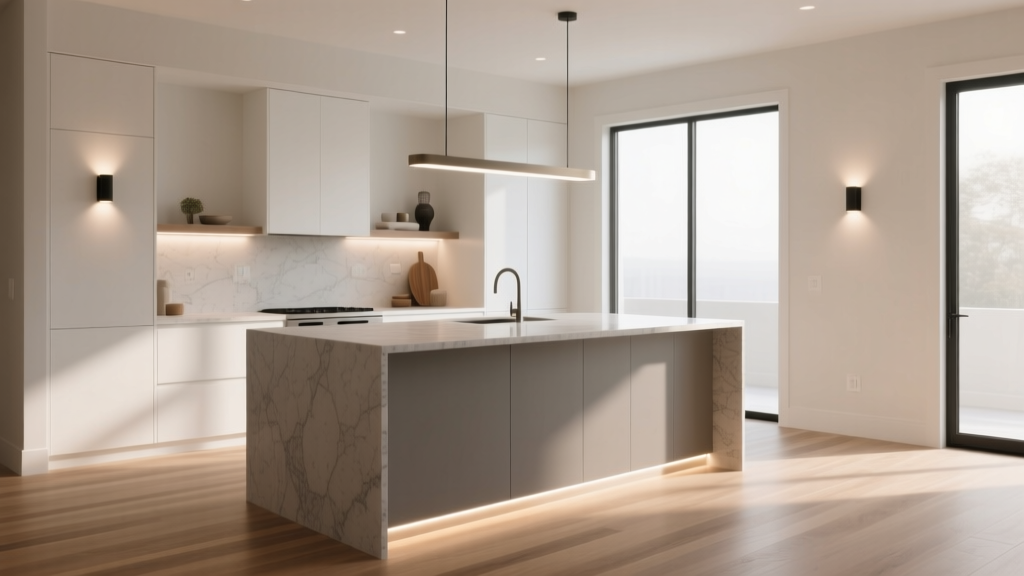 Kitchen Island Size: Choose Right for Your Space (2026)
 Best Essentials Inspiration: Building a Thoughtful, Functional, and Joyful Kitchen
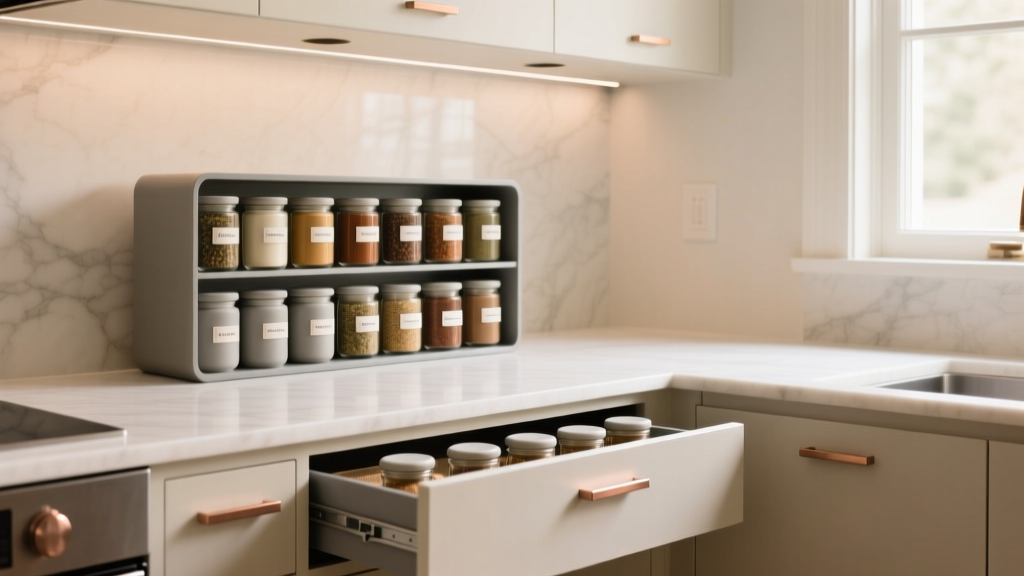 Best Kitchen Spice Organization Solutions - The Decor Mag
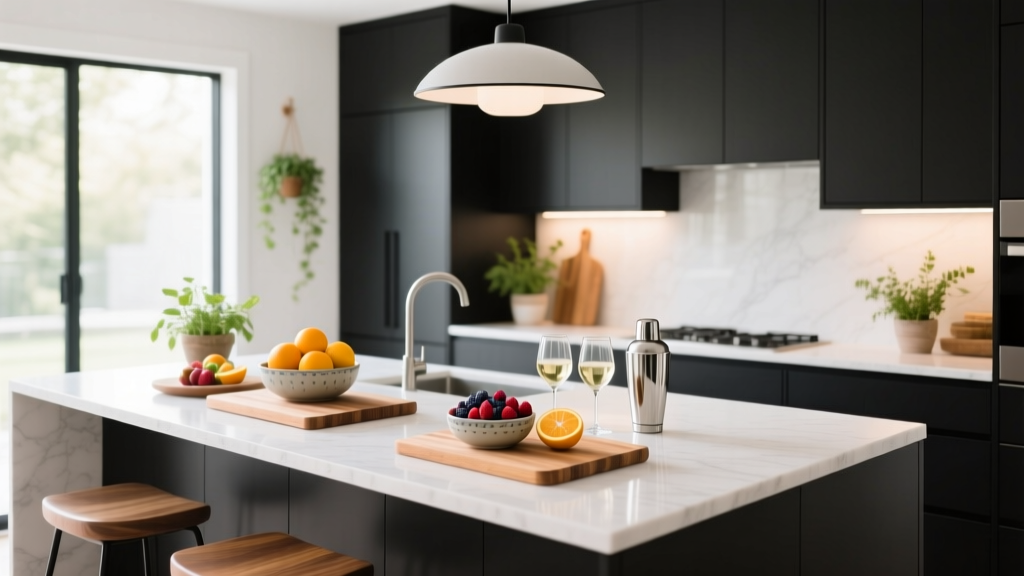 Kitchen Island Prep Stations: Summer Party Command Center
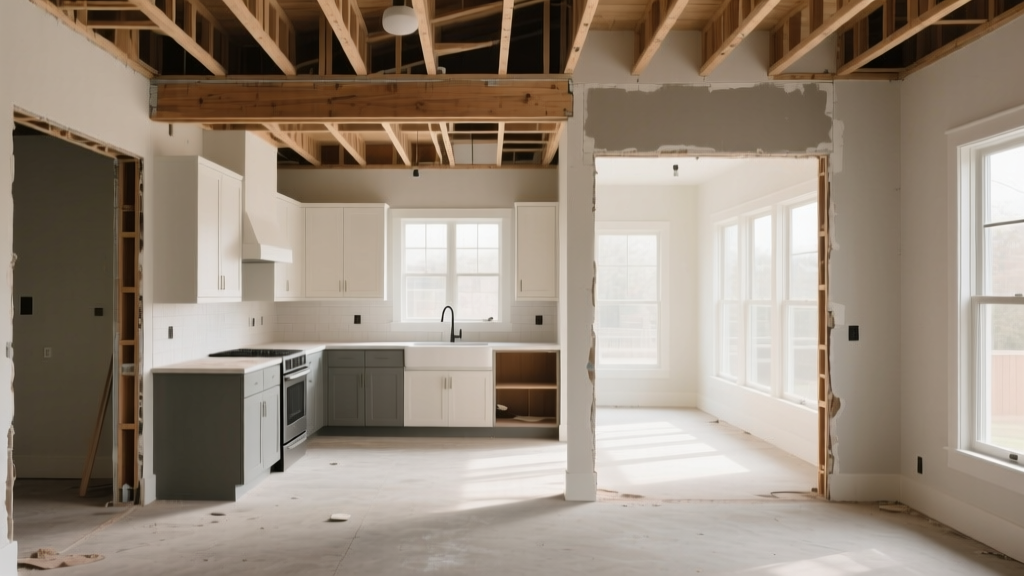 Open Concept Kitchen Renovation: Pre-Demolition Checklist
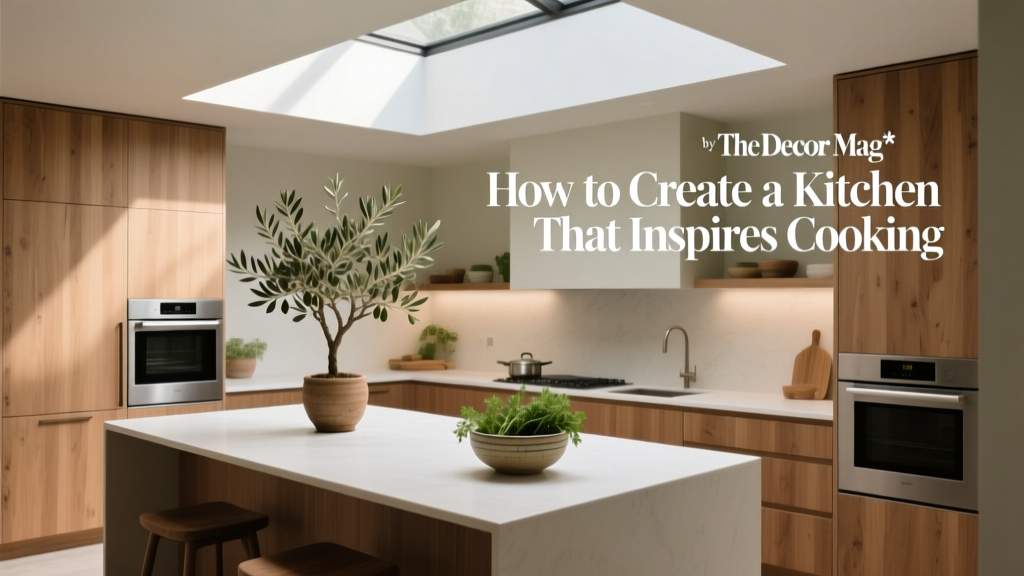 Kitchen That Inspires Cooking: Design Ideas (2026)
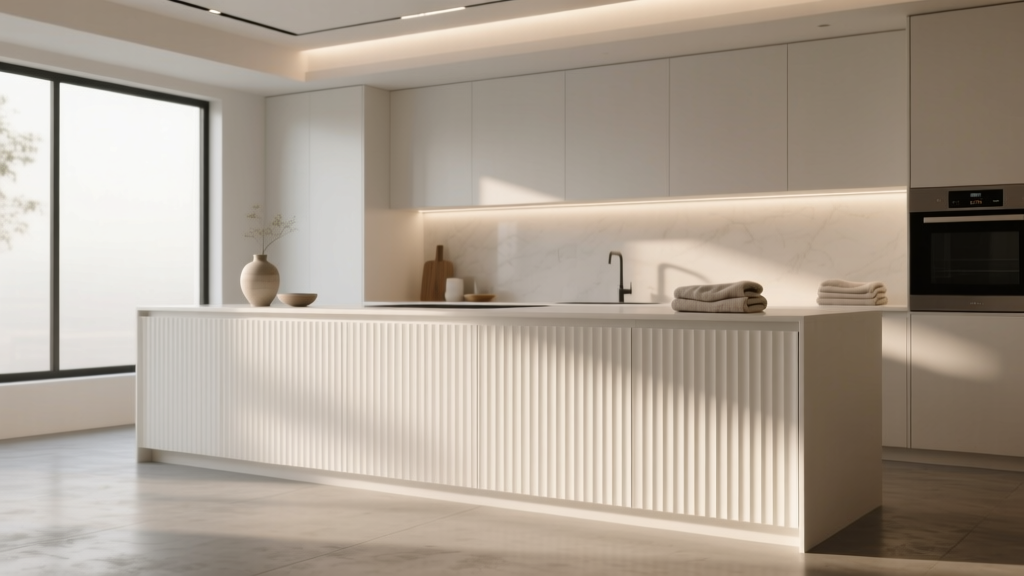 Kitchen Fluted Detail Cabinet Trend - The Decor Mag
 Best Kitchen Canister Set Displays - The Decor Mag
 How to Choose Kitchen Cabinet Glass Type - The Decor Mag