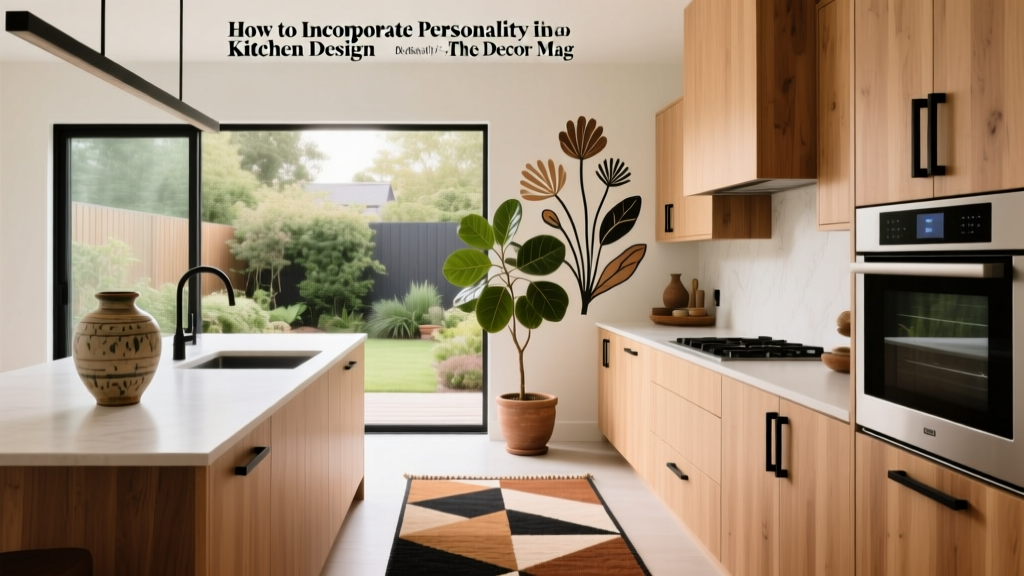
Personality in Kitchen Design: Ideas for 2026
A kitchen renovation is one of the biggest design investments most homeowners make—and also one of the most personal. It’s where mornings begin, where friends gather, and where everyday routines unfold. Yet many kitchen designs end up looking like a showroom: polished, expensive, and oddly anonymous.
Incorporating personality in kitchen design doesn’t mean choosing loud colors or quirky tiles (unless that’s your style). It means building a space that reflects how you live, what you love, and what you want to feel when you walk in—while still delivering timeless functionality: smart storage, durable surfaces, and an efficient layout.
This guide breaks down practical ways to add character to your kitchen—through materials, layout decisions, color, lighting, hardware, and styling—plus realistic cost ranges, common mistakes to avoid, and a quick FAQ to help you plan confidently.
Start with Your “Kitchen Personality” (Before Picking Finishes)
Personality shows up best when the design is intentional. Before selecting cabinets or countertop materials, define a clear direction that matches your routines and aesthetic.
Ask yourself these three questions
- How do you use your kitchen daily? Quick weekday cooking, baking projects, hosting, kid-friendly meal prep, or mostly reheating?
- What mood do you want? Calm and minimal, warm and traditional, bold and artistic, cozy and rustic, or sleek and modern.
- What do you want to highlight? A view, a vintage piece, a collection, a statement range, or handcrafted tile.
Create a simple style map
Choose 3–5 words that guide every decision. Examples:
- Warm / Textured / Classic / Family-friendly
- Bright / Playful / Color-forward / Easy-care
- Moody / Minimal / High-contrast / Elevated
These “anchors” keep your kitchen renovation cohesive, even when you add personal touches.
Layout Choices That Reflect How You Live
Kitchen layout is where personality meets function. A beautiful space that frustrates you daily won’t feel like “you” for long.
Use practical measurements to guide planning
- Walkway clearance: 36" minimum; 42" is more comfortable; 48" is ideal for two cooks.
- Work aisle (between island and counters): 42"–48" depending on traffic.
- Island seating: 24" width per seat; 15"–18" knee space depth; 12"–15" countertop overhang (with proper support).
- Landing zones: 15" minimum on one side of cooktop; 15" on one side of sink; 15" on one side of refrigerator (30" total near fridge is even better).
Personality-driven layout ideas
- For entertainers: Add a beverage station (under-counter fridge + open shelving + bar sink if space allows). Keep it out of the main cooking path.
- For bakers: Incorporate a lower counter section at 30"–32" height (standard is 36") for mixing and rolling dough; include a marble or quartz slab insert for pastry work.
- For busy families: Add a “drop zone” with hooks, charging drawer, and message board near the kitchen entry; prioritize a pantry with clear categories.
- For minimalists: Consider integrated appliances and a concealed appliance garage to keep counters visually quiet.
Cost range (layout changes)
- Cosmetic refresh (no layout changes): $3,000–$15,000
- Mid-range remodel (minor layout adjustments): $25,000–$60,000
- Major remodel (moving plumbing/gas/walls): $60,000–$150,000+
Moving a sink or gas range can add thousands due to plumbing, venting, and permit requirements. If budget is tight, keep the “wet wall” (sink/dishwasher) in place and express personality through finishes and lighting instead.
Materials That Add Character (Without Sacrificing Durability)
Texture and authenticity are major kitchen design trends right now—think natural wood tones, tactile tile, mixed metals, and honed finishes. The key is choosing materials that can handle heat, moisture, and daily wear.
Countertops: personality vs. maintenance
- Quartz (engineered stone): Consistent look, low maintenance, great for busy kitchens. Avoid direct high heat; use trivets. Cost: $60–$120/sq ft installed.
- Granite: Natural variation, durable, heat resistant. Needs sealing (typically every 1–3 years). Cost: $50–$130/sq ft installed.
- Marble: Timeless, elevated, perfect for bakers—also etches and stains easily. Best for homeowners who accept patina. Cost: $80–$200/sq ft installed.
- Butcher block: Warm and inviting; works well on an island or coffee station. Requires oiling and care around water. Cost: $40–$100/sq ft installed.
- Porcelain slab: Sleek, modern, heat resistant, stain resistant. Higher fabrication cost and needs skilled installers. Cost: $90–$200/sq ft installed.
Cabinet finishes with personality
- Painted cabinets: Great for color expression; choose durable cabinetry-grade paint and a washable sheen. Trend: deep greens, warm whites, mushroom greige, and inky blues.
- Wood cabinets: White oak, walnut, and rift-sawn oak bring warmth and texture. Trend: natural/low-sheen finishes and visible grain.
- Two-tone kitchens: A timeless way to add personality—try darker lowers + lighter uppers, or a standout island color.
Backsplash: the “signature” surface
Backsplashes are a high-impact area for individuality because they’re visible but relatively affordable compared to cabinets.
- Handmade zellige or artisan tile: Rich variation and depth; choose a grout that’s easy to clean. Cost: $20–$50/sq ft tile; $10–$25/sq ft install.
- Classic subway tile (with a twist): Use a taller 3"×12" format, vertical stack pattern, or colored grout for a custom feel. Cost: $5–$15/sq ft tile.
- Full-height slab backsplash: Minimal seams, modern, easy wipe-down; coordinate with counters. Cost: similar to countertop material, plus fabrication.
Maintenance tip
For grout-heavy tile, choose a high-performance grout and seal as recommended. In high-splatter zones behind a range, consider a slab backsplash or larger-format tile to reduce grout lines.
Color, Contrast, and Pattern: Make It Yours
Personality often comes from color and contrast choices that feel intentional rather than trendy-for-trendy’s-sake.
Three reliable ways to use color in kitchen design
- Cabinet color: Best for a bold statement. Keep countertops and backsplash more calm for balance.
- Accent zone: Use color on the island, pantry doors, or a coffee station to create a “moment.”
- Soft layer: Bring color through washable runners, Roman shades, bar stools, and art—easy to update later.
Pattern placement rules that prevent visual clutter
- If your countertop has movement (veining), keep backsplash simpler.
- If your backsplash is patterned, choose quieter cabinet fronts (Shaker or slab) and minimal hardware.
- Limit to two dominant patterns in the room (for example: veined quartz + a small-scale fabric print).
Lighting and Hardware: Small Changes, Big Personality
Lighting is one of the most overlooked elements in kitchen renovation planning, yet it’s a fast path to character and comfort.
Layer your lighting (with practical targets)
- Ambient: Recessed or flush-mount lighting for overall brightness.
- Task: Under-cabinet lights to eliminate shadows on countertops.
- Accent: Pendants over an island, picture lights over art, or interior cabinet lighting.
Placement tip: Pendants over an island typically hang so the bottom is about 30"–36" above the countertop. Space pendants roughly 24"–30" apart, adjusting for fixture width.
Hardware and fixtures that express style
- Cabinet hardware: Mixed pulls/knobs can look tailored—use pulls on drawers and knobs on doors for practicality.
- Faucets: Bridge faucets read classic; pull-down faucets feel modern and functional.
- Finishes: Brushed brass, polished nickel, and matte black are popular. For longevity, choose a finish you already have elsewhere in the home.
Budget range (quick upgrades)
- Hardware swap: $200–$1,500 depending on quantity/brand
- New faucet: $150–$900 (plus installation)
- Under-cabinet lighting: $300–$1,500 depending on system and electrician costs
Open Shelving, Display, and Styling Without the Mess
Open shelving and personalized displays are current kitchen design favorites because they instantly make a space feel lived-in. The challenge is keeping it organized.
Guidelines for open shelves that stay attractive
- Limit open shelving to one zone (like near a window or coffee station) instead of covering the entire kitchen.
- Keep shelf depth around 10"–12" so items don’t disappear into a cluttered back row.
- Use repeated shapes and colors: stacks of plates, matching glasses, a few cookbooks, and one or two decorative pieces.
Personal touches that still feel elevated
- Frame a small piece of art (yes, even in the kitchen) away from heavy splatter areas.
- Display heirloom items: a vintage cutting board, ceramic canisters, or a collected set of bowls.
- Add a pinboard or rail system for tools if you cook often—functional decor that looks intentional.
Organization Features That Make the Kitchen Feel Custom
A personalized kitchen isn’t just about what you see—it’s about how smoothly it works. Smart kitchen organization features make daily life easier and can be adapted to your habits.
High-impact storage upgrades
- Pull-out trash/recycling: Cleaner look, easier workflow. Cost: $150–$600 (plus cabinet modifications if needed).
- Drawer organizers: Especially for utensils and spices. Cost: $50–$300 per drawer depending on material.
- Deep drawers instead of lower cabinets: Better for pots, pans, and small appliances.
- Vertical tray storage: Perfect for sheet pans and cutting boards; plan 12"–18" width.
- Appliance garage: Keeps counters clear; include outlets inside.
Material comparison for organizers
- Wood inserts: Warm, premium feel; can warp if frequently soaked—wipe dry quickly.
- Bamboo: Budget-friendly and attractive; lighter-duty than hardwood.
- Plastic: Most affordable and easy to clean; less custom-looking.
Budget Strategy: Where to Splurge vs. Save
Personality doesn’t require a luxury budget. It requires choosing where your money shows and where it quietly supports function.
Worth the splurge (for most homeowners)
- Cabinet quality and storage hardware: Soft-close hinges and full-extension drawer slides improve daily experience.
- Lighting: It impacts mood, safety, and how finishes look.
- Countertops (if you cook a lot): Choose a surface that matches your maintenance tolerance.
Smart places to save
- Tile: Use a more affordable field tile and add a small accent of handmade tile for character.
- Open shelving: A few shelves can replace a small run of upper cabinets and add personality.
- Midrange appliances: Prioritize performance where it matters (range and ventilation) and save on extras.
Common Mistakes to Avoid
- Choosing trendy finishes without considering maintenance: Matte and honed surfaces can show oils and fingerprints; test samples at home.
- Overloading the space with too many statement items: One hero feature (range, backsplash, or island color) is usually enough.
- Ignoring ventilation: A beautiful kitchen that smells like last night’s dinner isn’t enjoyable. Size the hood properly for your cooking style.
- Not planning outlets: Add outlets for coffee stations, charging drawers, and islands (local codes apply).
- Open shelving everywhere: It often becomes visual clutter and collects grease near the cooktop.
- Forgetting the “landing zones”: Not having space to set groceries, dishes, or hot pans creates daily frustration.
FAQ: Personality-Driven Kitchen Design
How do I add personality to a kitchen without remodeling?
Focus on high-impact updates: swap cabinet hardware, add under-cabinet lighting, paint the walls or island, replace bar stools, add a washable runner, and style a small open shelf area with cohesive everyday items.
What kitchen design trends add personality but still feel timeless?
Natural wood cabinetry (especially white oak), mixed metals used intentionally, textured tile backsplashes, warm neutrals, statement lighting, and smart storage upgrades. These trends pair well with classic layouts and durable materials.
Is it okay to mix cabinet colors and metal finishes?
Yes—mixing is often what makes a kitchen feel custom. Keep it controlled: choose one dominant metal finish and one secondary accent, and repeat each at least twice (for example, brass pulls + black pendant details).
What’s the most durable countertop for a busy family kitchen?
Quartz is typically the easiest day-to-day because it resists stains and doesn’t need sealing. If you frequently place hot pans directly on counters, consider granite or porcelain slab and still use trivets for best results.
How can I make a small kitchen feel more like “me” without clutter?
Use one bold element (a painted lower cabinet color or a standout backsplash), keep countertops clear, and add personality through lighting and a single display zone. In small kitchens, fewer but stronger choices read more intentional.
Next Steps: Turn Your Kitchen into a Space That Feels Personal
To incorporate personality in kitchen design, start with how you live, then choose one or two signature moments—like a standout backsplash, a warm wood island, or statement lighting—supported by durable materials and smart organization. Prioritize comfort clearances, functional storage, and finishes you can maintain without stress.
Action plan for the next 7 days:
- Write your 3–5 “kitchen personality” words and save 10 inspiration photos.
- Measure your clearances (walkways, island spacing) and list daily pain points.
- Pick one hero feature and two supporting materials (countertop + backsplash, or cabinets + lighting).
- Set a budget range and decide where to splurge for function.
For more kitchen renovation ideas, organization upgrades, and design inspiration that balances trends with timeless function, explore the latest guides at thedecormag.com.
More Articles
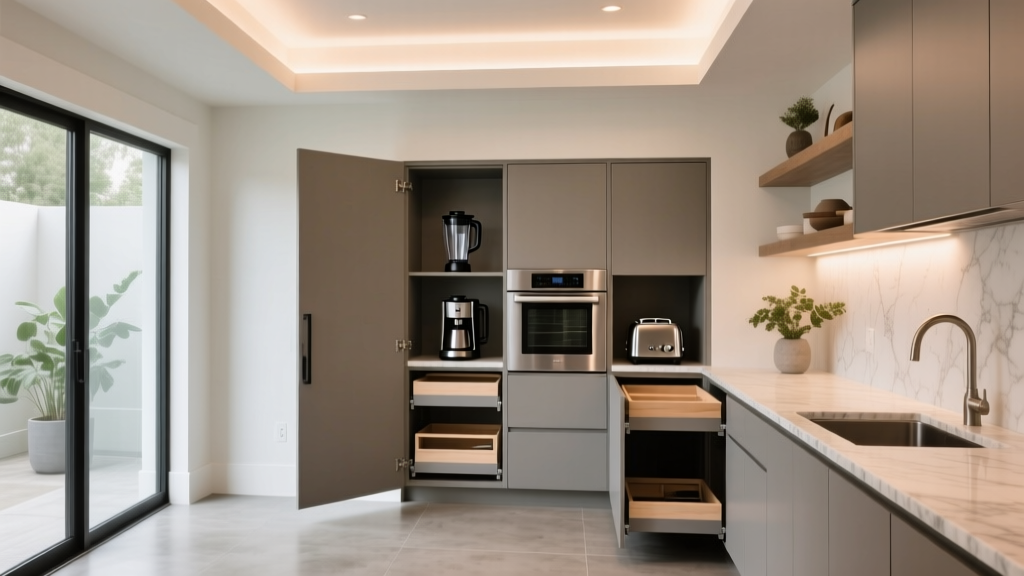 Best Kitchen Appliance Garage Ideas - The Decor Mag
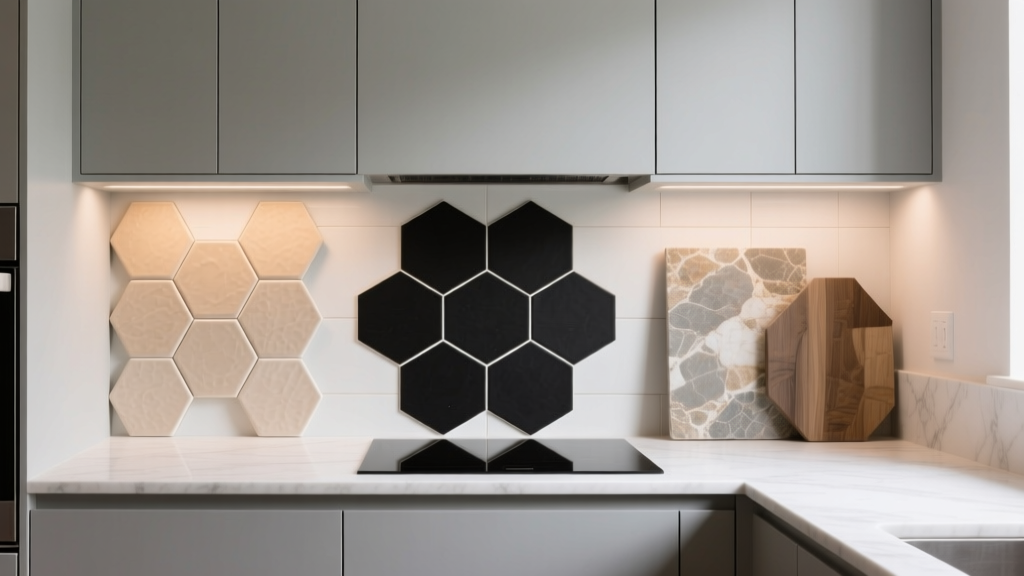 Kitchen Subway Tile Alternatives - The Decor Mag
 Friendly vs. Solutions: A Practical, Kitchen-Tested Comparison of Two Leading Countertop Materials
 Blue and Fluted Cookware Compared: A Kitchen Specialist’s Deep-Dive Analysis of Le Creuset vs. Staub
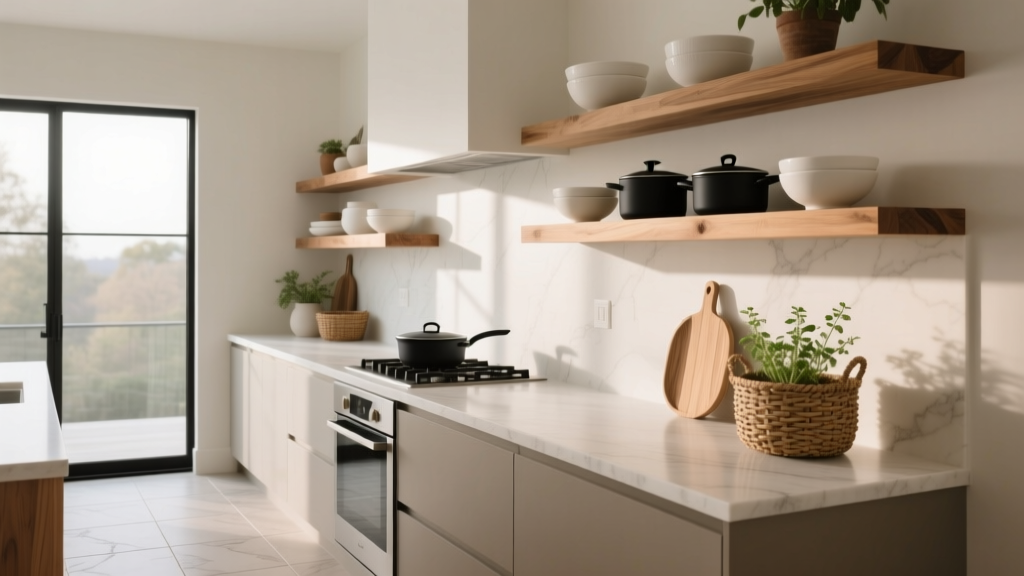 Open Shelving in Kitchens: Ideas & Tips (2026)
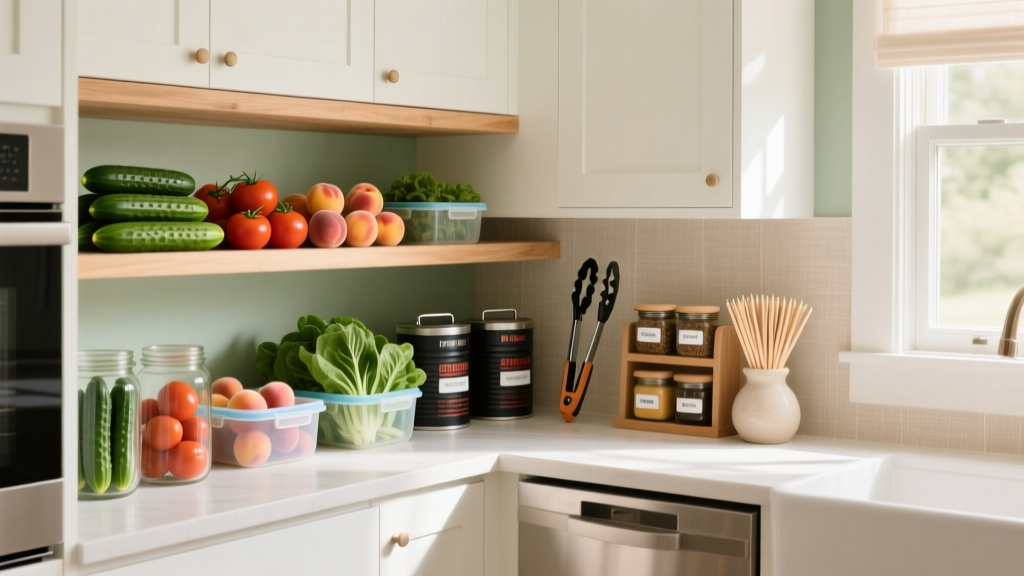 Pantry Organization: Fresh Produce & BBQ Storage (2026)
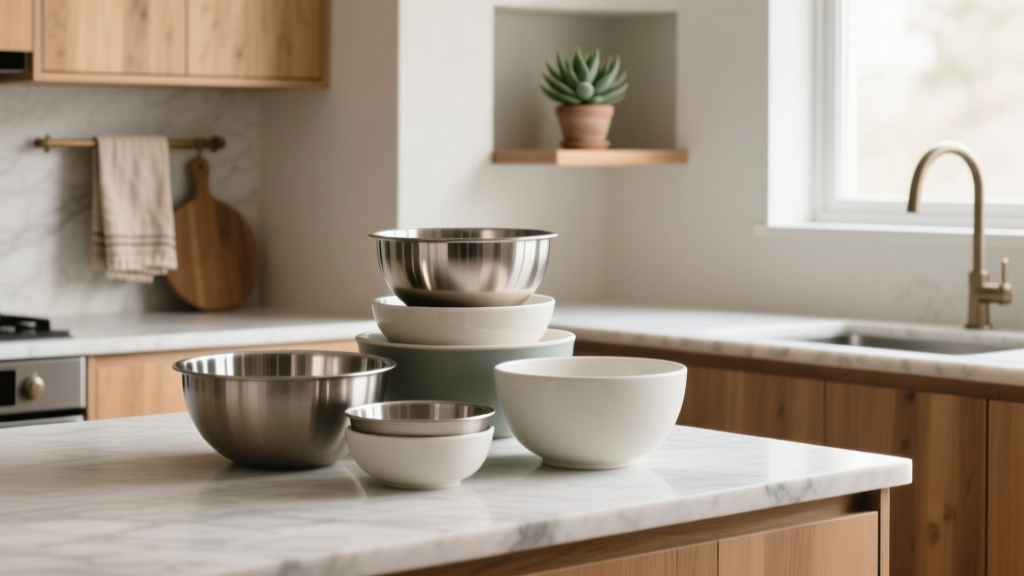 Best Kitchen Mixing Bowl Storage - The Decor Mag
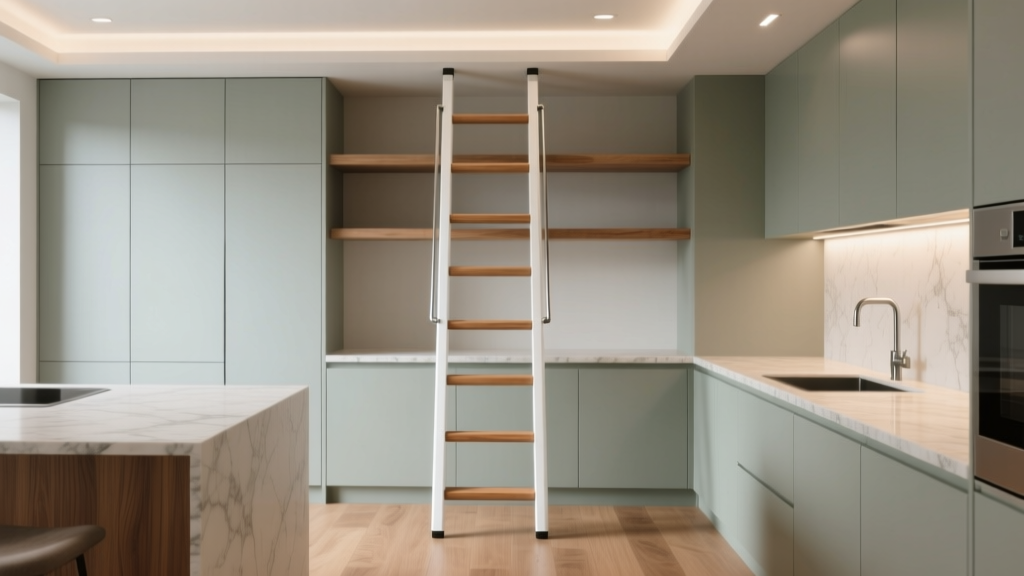 Best Kitchen Ladder for High Shelf Access - The Decor Mag
 Open Kitchen Safety Tips: Practical, Evidence-Based Strategies for Modern Home Cooks
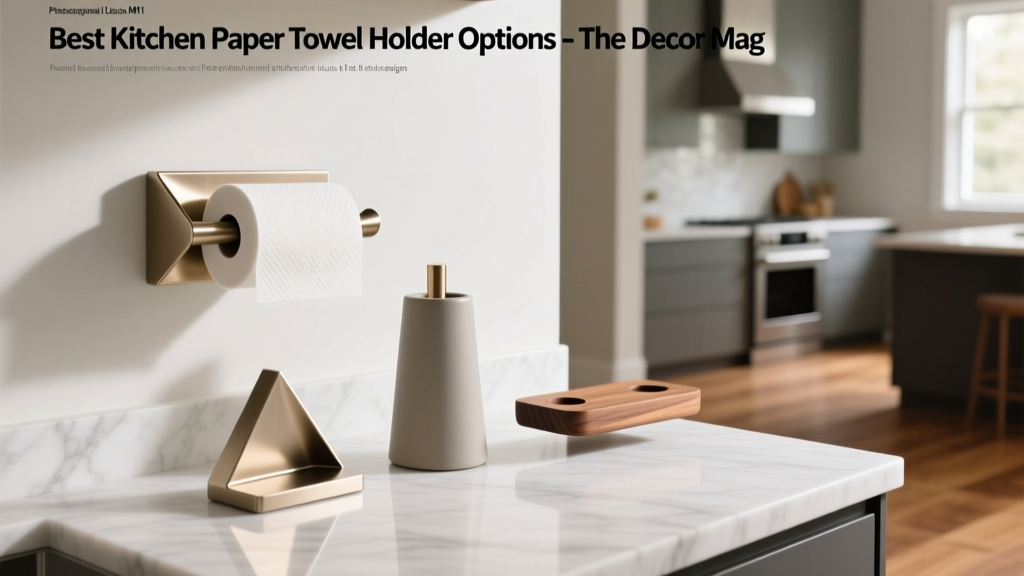 Best Kitchen Paper Towel Holder Options - The Decor Mag