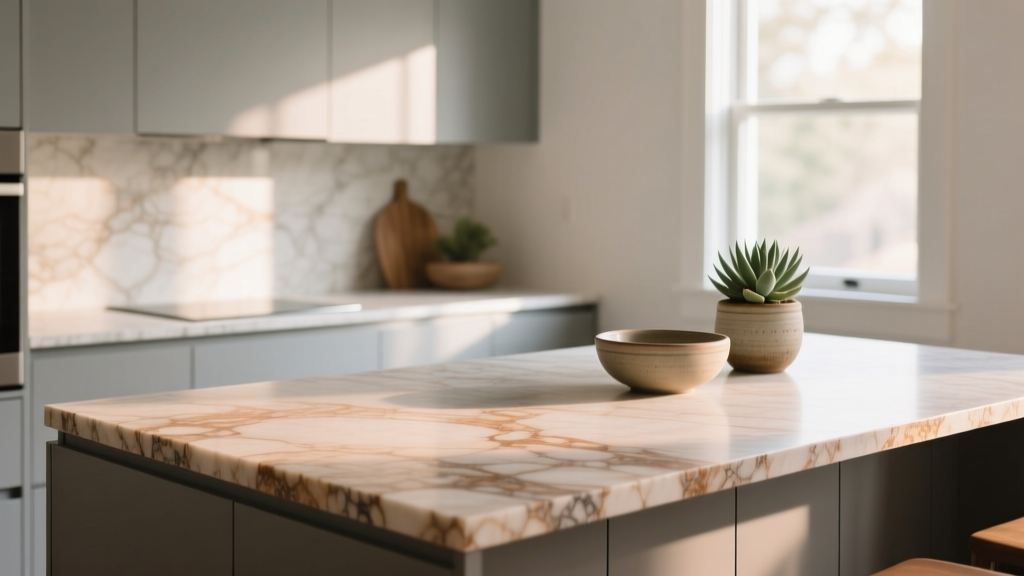
Kitchen Leathered Quartzite Countertops - The Decor Mag
Countertops do more than fill square footage—they set the tone for your entire kitchen renovation. They influence how the space wears over time, how much maintenance you’ll live with, and how cohesive your cabinetry, backsplash, and lighting feel day to day. If you’re aiming for a kitchen design that looks high-end but functions like a workhorse, leathered quartzite countertops deserve a serious look.
Leathered quartzite has become a go-to in current kitchen design trends because it offers the movement and richness of natural stone, paired with a finish that’s less glossy, less fussy, and more forgiving. Homeowners renovating kitchens often want that “designer” texture without constantly wiping fingerprints or worrying about every water spot. The leathered finish helps deliver exactly that—especially in family kitchens, open-concept layouts, and homes that entertain often.
This guide breaks down what leathered quartzite is, how it compares to other countertop materials, what it costs, and how to design around it with timeless functionality in mind.
What Is Leathered Quartzite (and Why the Finish Changes Everything)?
Quartzite is a natural stone formed under intense heat and pressure. It’s often selected for kitchen countertops because it can offer excellent hardness and dramatic veining that resembles marble. The “leathered” part refers to the surface finish: after the slab is honed, it’s brushed with abrasive pads to create a soft, textured feel with a gentle sheen.
Leathered vs. Polished vs. Honed Finishes
- Polished quartzite: Glossy, reflective, highlights veining; shows smudges and water spots more easily.
- Honed quartzite: Matte and smooth; can show oils and fingerprints depending on color; often needs diligent sealing.
- Leathered quartzite: Low-sheen with texture; hides fingerprints and minor water marks better; feels tactile and “warm.”
If you love natural stone but want a more practical day-to-day surface, the leathered finish can be the sweet spot for kitchen remodeling goals.
Why Homeowners Love Leathered Quartzite Countertops
1) High-end texture that looks intentional
Leathered countertops bring a subtle, design-forward texture—especially appealing in trending kitchens that balance organic materials and clean lines (think: rift-sawn oak, plaster-look walls, mixed metals, and warm whites).
2) More forgiving in busy kitchens
The brushed finish tends to mask:
- Fingerprints
- Light scratches (still avoid cutting directly on stone)
- Minor water spotting
3) A natural companion to timeless layouts
Leathered quartzite works across styles: modern farmhouse, transitional, contemporary, and classic. It pairs easily with both perimeter counters and statement islands.
Quartzite Material Reality Check: Performance, Porosity, and Heat
Quartzite is often marketed as “super durable,” and many slabs are excellent performers. Still, quartzite is a natural stone category with variation. Some slabs are more porous than others, and some are sold under confusing trade names.
Durability basics
- Heat: Quartzite generally handles heat well, but use trivets—thermal shock can crack any stone.
- Scratches: Usually very scratch-resistant, but knives will dull and you can still damage the finish.
- Staining: Depends on porosity and sealing quality. Light stones can show oil stains if neglected.
Leathered finish and sealing
Because a leathered surface has micro-texture, it can hold onto spills a bit more than polished stone if left too long. The fix is simple: seal it properly and clean quickly.
Design Recommendations: How to Build a Kitchen Around Leathered Quartzite
Choose the right quartzite color and pattern for your layout
In kitchen design, scale matters. A heavily veined quartzite can dominate a small kitchen, while a subtle slab may feel underwhelming in a large open plan.
- Small kitchens (under ~150 sq ft): Favor softer movement and lighter backgrounds to keep the room airy.
- Medium kitchens (150–250 sq ft): You can go bolder on the island while keeping perimeter counters calmer.
- Large kitchens (250+ sq ft): Dramatic veining and waterfall edges can look stunning—just control competing patterns elsewhere.
Edge profiles that look current (and won’t date quickly)
- Eased edge (slight square): Clean, modern, timeless; easiest to wipe down.
- Small radius edge: Great for family homes—softer corners, less chipping risk.
- Mitered edge (2"–4" visual thickness): Luxury look, especially on islands; budget more for fabrication.
Countertop thickness and overhang measurements
Use these practical specs as a starting point:
- Standard countertop depth: 25"–25.5" (typical for 24" base cabinets plus slight overhang)
- Standard countertop height: 36" (varies for custom/accessible design)
- Island seating overhang: 12" minimum for knees; 15"–18" is more comfortable for adults
- Support needed: Overhangs beyond ~12" typically require brackets/steel supports (confirm with fabricator and code)
Backsplash pairings that work beautifully with leathered stone
Because leathered quartzite has texture, balance it with backsplash choices that complement rather than compete:
- Full-height quartzite backsplash: Premium, seamless, easy to wipe; highlights natural veining.
- Handmade-look ceramic tile (2x6, 2.5x8, or zellige-inspired): Soft variation pairs well with leathered texture.
- Large-format porcelain slab backsplash: Great for modern kitchens; fewer grout lines for easier cleaning.
Cabinet, hardware, and flooring combinations
- Warm white cabinets + leathered quartzite: A safe, timeless renovation formula; add aged brass for warmth.
- Natural oak or walnut + leathered quartzite: Strong trend right now; looks organic and high-end.
- Painted dark lower cabinets (charcoal/ink) + lighter quartzite: Creates contrast; works well in open-concept homes.
Tip: Keep flooring simpler if your slab has dramatic movement. Wide-plank oak or quiet-look LVP/engineered wood helps the countertops stand out without visual overload.
Material Comparisons: Leathered Quartzite vs. Popular Countertop Options
Quartzite vs. granite
- Look: Quartzite often has marble-like veining; granite is typically speckled or granular.
- Maintenance: Both need sealing (varies by slab); leathered finishes can hide smudges better.
- Cost: Similar ranges, though premium quartzite can run higher than many granites.
Quartzite vs. marble
- Etching: Marble etches easily with acids (lemon, vinegar). Quartzite generally resists etching better.
- Patina: Marble develops character quickly; quartzite tends to stay more consistent with proper care.
- Best for: If you love marble but want more durability, quartzite is often a smart compromise.
Quartzite vs. quartz (engineered stone)
- Heat resistance: Quartz can be damaged by hot pans; quartzite is typically more heat-tolerant (still use trivets).
- Variation: Quartz is consistent; quartzite is naturally varied—each slab is unique.
- Maintenance: Quartz is lower-maintenance (no sealing). Quartzite needs periodic sealing.
Quartzite vs. porcelain slabs
- Durability: Porcelain resists stains and heat well; edges can be more chip-prone depending on profile.
- Look: Porcelain can mimic marble; quartzite has depth and natural movement that many homeowners prefer.
- Fabrication: Porcelain requires specialized fabrication; quartzite is widely supported by stone shops.
Cost Ranges and Budget Planning for Leathered Quartzite Countertops
Pricing varies by region, slab rarity, thickness, and edge details. Use these ranges to plan your kitchen renovation budget:
- Material + fabrication installed (typical): $80–$180 per sq ft
- Premium/rare quartzites: $180–$300+ per sq ft
- Waterfall edge: Add $800–$2,500+ per side depending on slab price and complexity
- Cutouts (sink/cooktop): Often included to a point, but complicated cutouts can add $200–$600+
- Sealing: $150–$400 if done professionally; DIY sealers typically $30–$80
Budget-smart moves that still look custom
- Use quartzite on the island, and choose a coordinating perimeter material (some homeowners use quartz perimeter counters for cost control).
- Skip overly complex edges and choose an eased edge for a modern, clean look.
- Limit seams strategically by adjusting layout and slab selection rather than paying for extra slabs.
- Choose a standard thickness (often 3cm) unless your design truly needs a mitered build-up.
Maintenance and Daily Care: What Actually Works
Daily cleaning routine
- Wipe with a soft microfiber cloth.
- Use warm water and a pH-neutral stone-safe cleaner (avoid harsh degreasers).
- Dry the surface if you have hard water to minimize spotting.
Sealing guidance
Most quartzite benefits from sealing. Frequency depends on porosity and kitchen use:
- Typical: Seal every 6–12 months
- High-use kitchens/light stones: Test every 3–6 months
Simple water test: Place a few drops of water on the surface for 10–15 minutes. If it darkens the stone, it’s time to reseal.
What to avoid
- Acidic or abrasive cleaners
- Leaving oils (olive oil, avocado oil) sitting overnight
- Cutting directly on the stone (protect the finish and your knives)
- Dragging heavy appliances across the countertop
Common Mistakes to Avoid with Leathered Quartzite
- Choosing from a tiny sample only: Always view the full slab. Natural stone variation is the point—make sure you love the actual piece you’ll receive.
- Not confirming the stone type: Some stones are mislabeled in the market. Ask your fabricator for clarification and performance expectations.
- Ignoring lighting: Under-cabinet lighting can emphasize texture (good) but also highlight seams (bad if poorly placed). Plan lighting and seams together.
- Overcomplicating the room: If the slab is bold, simplify cabinet door profiles, backsplash patterns, and hardware finishes.
- Skipping a sink and faucet plan: Sink reveals and faucet holes affect the final look. Decide early to avoid rushed fabrication changes.
Product and Design Approach Recommendations (That Fit Real Kitchens)
Sink pairings
- Undermount single-bowl (30"–33"): Best for large pans and sheet trays; great for busy family kitchens.
- Workstation sink: Adds built-in accessories; helpful if you lack prep space.
- Farmhouse apron-front: Works beautifully with organic quartzite movement; ensure cabinet sizing and support are planned.
Faucet and hardware finishes that complement leathered stone
- Brushed brass or satin bronze: Warms up cool veining; popular in current kitchen renovation projects.
- Polished nickel: Timeless; works with traditional or transitional kitchens.
- Matte black: Best when repeated elsewhere (lighting, stools) so it looks intentional.
Layout tips for function-first kitchens
- Prep zone: Aim for 36"–48" of uninterrupted counter near the sink.
- Landing space: Plan at least 15" on one side of the cooktop/range and 12" on the other if possible.
- Island clearance: Maintain 36" minimum walkways; 42"–48" is ideal for multi-cook kitchens.
FAQ: Leathered Quartzite Countertops
Does leathered quartzite stain easily?
With proper sealing and prompt cleanup, most homeowners find it performs well. Lighter colors and more porous slabs require more consistent sealing—especially around the cooktop and coffee zone.
Is leathered quartzite harder to clean than polished?
Not harder, but different. The texture can hold residue if spills dry on the surface. Wiping daily with a stone-safe cleaner and a microfiber cloth keeps it looking even and fresh.
Can I use a leathered quartzite countertop for a waterfall island?
Yes, and it’s a standout look. Budget for additional slab material, careful vein matching, and extra fabrication labor. A mitered edge often looks best for a thicker, tailored profile.
Will the leathered finish feel rough?
It’s typically described as soft and tactile, not scratchy. The exact feel varies by slab—see it in person and run your hand across it under showroom lighting.
How do I know if my quartzite needs sealing?
Do the 10–15 minute water drop test. If the stone darkens, reseal. If it beads and stays consistent in color, your seal is still doing its job.
Is quartzite better than quartz for kitchen countertops?
“Better” depends on priorities. Quartz is lower-maintenance and consistent; quartzite offers natural beauty and strong heat resistance but requires periodic sealing. Many homeowners choose quartzite for the look and tactile finish.
Next Steps: How to Choose the Right Leathered Quartzite for Your Kitchen
- Gather inspiration photos that match your cabinet tone and flooring (warm vs. cool).
- Visit a stone yard and select the actual slab; photograph it in natural light.
- Ask your fabricator about porosity, sealing schedule, seam placement, and edge options.
- Mock up pairings with cabinet samples, hardware, and backsplash tile under your home’s lighting.
- Finalize layout measurements for island overhangs, sink size, and clearances before fabrication begins.
Leathered quartzite countertops deliver a refined, touchable look that fits both modern kitchen design trends and everyday functionality—especially when you choose the right slab, plan your layout thoughtfully, and commit to simple maintenance habits.
For more kitchen renovation ideas, countertop guides, and organization upgrades, explore the latest inspiration at thedecormag.com.
More Articles
 How to Design a Kitchen That Feels Collected - The Decor Mag
 Best Kitchens for Functional Design: Layouts, Brands, and Ergonomic Principles That Work Every Day
 How to Choose Kitchen Cabinet Hinge Quality - The Decor Mag
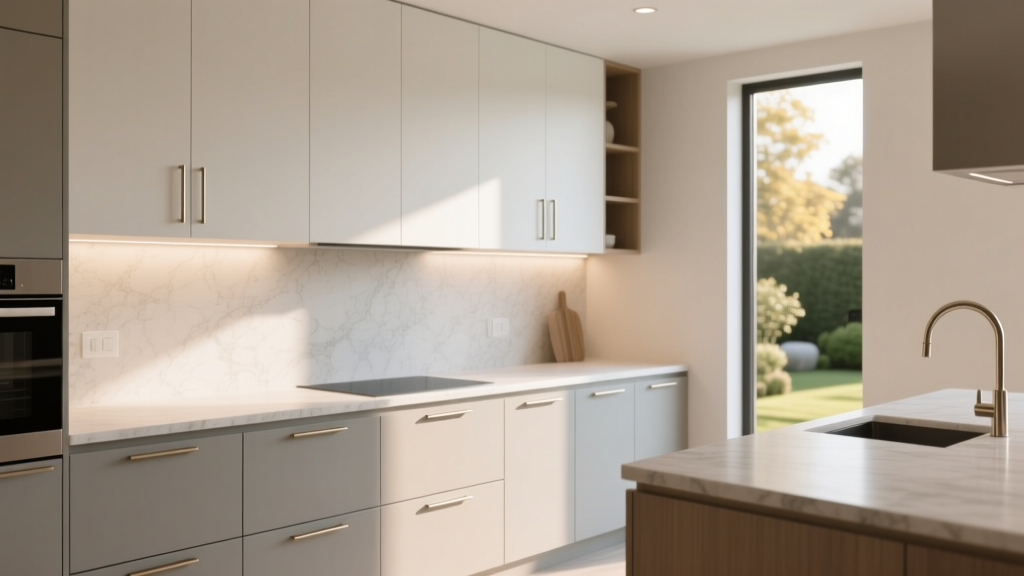 Kitchen Cabinet Depth Standards (2026)
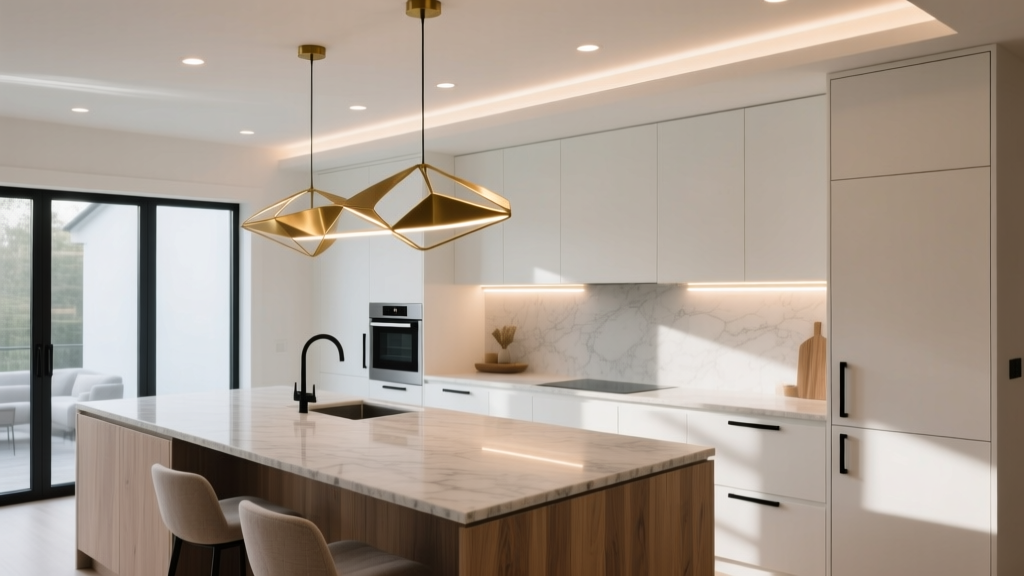 Best Kitchen Lighting for Function & Style (2026)
 Wood for Beginners: A Practical Guide to Choosing, Storing, and Using Hardwood for Smoking and Grilling
 Kitchen Fluted Cabinet Door Trends - The Decor Mag
 Small Alternatives to Spaces: Smart, Space-Saving Kitchen Solutions That Actually Work
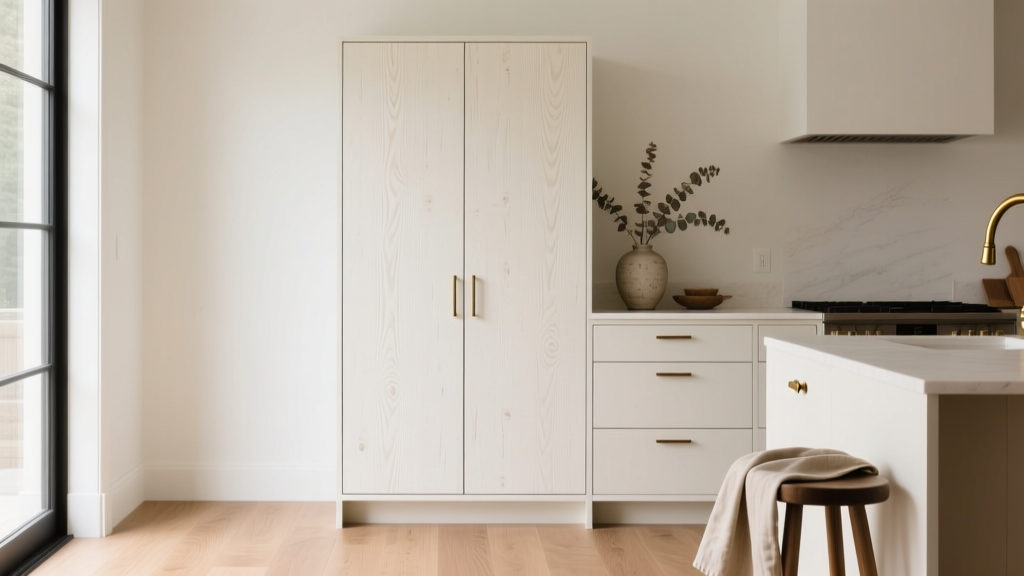 Kitchen Limewash Paint Cabinet Finish - The Decor Mag
 The Ultimate Sustainable Kitchen Guide: Practical, Proven, and Planet-Positive Actions