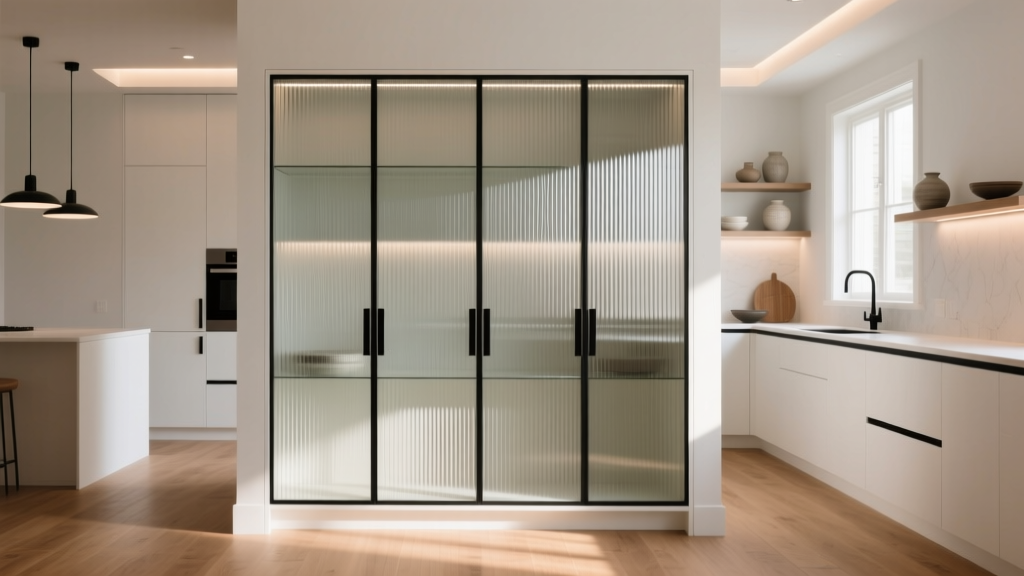
Kitchen Ribbed Glass Front Cabinet Trend - The Decor Mag
Kitchen renovations are increasingly about balance: homeowners want spaces that look curated and current, yet function effortlessly every day. That’s why ribbed glass front cabinets (also called fluted glass, reeded glass, or textured glass) have become one of the most requested kitchen cabinet design updates. They offer a softer alternative to solid doors and a more forgiving option than clear glass—bringing lightness, depth, and a touch of architectural detail without demanding perfection behind every shelf.
Ribbed glass fronts also align with today’s broader kitchen design trends: warm minimalism, mixed materials, and elevated organization. Whether you’re updating a single coffee station or planning a full kitchen renovation, this cabinet door style can help your kitchen feel brighter and more custom while still being practical for real life.
This guide breaks down what makes ribbed glass cabinets work, where to use them, what materials and configurations to choose, how much to budget, and how to avoid the common pitfalls that can turn a great idea into a daily annoyance.
What Are Ribbed (Fluted/Reeded) Glass Cabinet Doors?
Ribbed glass is a textured glass panel with vertical (most common) or horizontal ridges. The pattern distorts visibility, which means:
- Less visual clutter: Contents are softened rather than fully exposed.
- More dimension: Light bends across the ridges, adding depth.
- A custom look: It reads as higher-end than standard clear glass.
Ribbed Glass vs. Clear, Frosted, and Seeded Glass
- Clear glass: Crisp and classic, but requires “showroom” organization.
- Frosted/etched glass: Provides privacy, but can look flat and can show fingerprints depending on finish.
- Seeded glass: Speckled with bubbles; charming in transitional kitchens, but can compete with busy stone patterns.
- Ribbed/fluted glass: The sweet spot—texture + concealment + light play, especially in contemporary, Scandinavian, Japandi, and updated traditional kitchens.
Why Ribbed Glass Cabinets Are Trending (and Why They Last)
Homeowners are gravitating toward kitchens that feel lighter and less monolithic than wall-to-wall solid uppers. Ribbed glass fronts support that goal while still respecting timeless functionality principles.
Trend Drivers That Also Make Practical Sense
- Mixed cabinet looks: Designers are combining solid doors with a few feature cabinets to break up long runs of uppers.
- Layered lighting: With interior cabinet lighting (LED strips or puck lights), ribbed glass creates a soft glow—ideal for evening ambiance.
- Organization without pressure: You can store everyday dishes without feeling like your cabinets are on display.
- Texture as a “neutral”: Ribbing adds interest without relying on loud color or trendy hardware.
Best Places to Use Ribbed Glass Front Cabinets
Ribbed glass works best when it’s used deliberately. Most kitchens don’t need every upper to be glass; a few well-placed doors often look more high-end and are easier to maintain.
1) A Pair of Feature Uppers (Most Popular Layout)
Place two ribbed glass doors symmetrically around a window, range hood, or sink. This adds visual rhythm and reduces the heaviness of a wall of cabinetry.
Proportion tip: If your upper doors are tall (30–42 inches), ribbed glass looks especially elegant because the vertical lines emphasize height.
2) Coffee Bar or Beverage Station
Ribbed glass is perfect for a dedicated zone where you want a “styled” feel but don’t want everything visible.
- Store mugs, tea canisters, and glassware behind ribbed glass.
- Add an interior LED strip at the top (3000K warm white is a safe, flattering default).
3) Pantry or Tall Cabinet Inserts
Consider ribbed glass panels for the upper portion of a tall pantry cabinet. It breaks up the height and can visually lighten a pantry wall.
Design note: For tall cabinets, keep ribbing vertical to avoid a “ladder” effect.
4) Island Display Cabinet (Use Sparingly)
If your island includes a hutch element or end panels with doors, ribbed glass can elevate the look—especially in open-concept kitchens.
Practical caution: Avoid ribbed glass on deep base cabinets used for pots and pans; it’s harder to keep tidy and doors can get bumped.
Design Choices That Make Ribbed Glass Look Custom
Choose the Right Rib Pattern and Thickness
- Standard ribbed glass: Often 1/8 inch (3mm) to 3/16 inch (5mm) thick for cabinet inserts.
- Tempered glass: Recommended for safety, especially in high-traffic family kitchens.
- Rib spacing: Narrow ribs feel more contemporary; wider ribs can feel more retro or Art Deco.
Specification tip: Ask your cabinet maker or door supplier whether the glass is tempered and whether edges are polished—both matter for durability and safety.
Frame Materials: Wood vs. Aluminum
- Wood frames (painted or stained): Warmer, traditional-to-transitional. Easier to match existing cabinets.
- Aluminum frames (often black or bronze): Sleeker and modern, great with European-style slab doors and minimal hardware.
Recommendation: If your kitchen has shaker cabinets, wood-framed ribbed glass inserts typically feel cohesive. If your kitchen is slab-front or contemporary, aluminum frames look intentional rather than “added on.”
Orientation: Vertical vs. Horizontal Ribbing
- Vertical ribbing: Most timeless, makes ceilings feel taller.
- Horizontal ribbing: Can look striking, but may feel trend-forward and can visually widen a wall (not always desirable).
Safe default: Vertical ribbing for uppers; reserve horizontal for a single design moment if you want a bold architectural statement.
Interior Cabinet Color and Shelf Styling
Ribbed glass blurs details, but color and contrast still matter. For the most polished look:
- Match the cabinet interior to the door color for a seamless effect.
- Or go one shade lighter inside to boost brightness (especially helpful in small kitchens).
- Use fewer, larger items rather than many small items.
Organization tip: Aim for 60–70% “visual fill” per shelf—enough to look curated, not crowded. Ribbed glass is forgiving, but clutter still reads as clutter when backlit.
Material Recommendations: Glass, Hardware, and Lighting
Best Glass Types for Kitchens
- Tempered reeded glass: Best all-around for durability and safety.
- Laminated textured glass: Extra safety (stays together if cracked), often higher cost.
- Acrylic reeded panels: Budget-friendly and lightweight, but can scratch more easily and may yellow over time depending on quality.
Hardware Pairings
Ribbed glass adds texture; let hardware support the style without competing.
- Brushed brass: Warms up white, greige, or wood cabinets.
- Matte black: Crisp, modern contrast—especially with black-framed glass.
- Polished nickel/chrome: Clean and classic, works well in transitional kitchens.
Placement tip: For glass uppers, keep pulls consistent with the rest of the kitchen for a cohesive renovation. If you want a subtle upgrade, choose the same shape in a different finish for the ribbed glass doors only.
Lighting That Makes Ribbed Glass Shine
- LED strip lighting: Mount at the top inside the cabinet for an even glow.
- Puck lights: Easier retrofit, but can create hotspots.
- Color temperature: 2700K–3000K for warm, inviting light; avoid very cool 4000K+ unless your kitchen is ultra-modern.
Wiring note: Plan lighting during the renovation phase whenever possible. Retrofitting is doable, but it’s cleaner and often cheaper when included in the electrical plan.
Cost Ranges and Budget Planning
Costs vary widely based on cabinet brand, door size, glass type, and whether you’re modifying existing doors or ordering new cabinetry.
Typical Price Ranges (USD)
- Replace solid door with ribbed glass insert (existing cabinet): $200–$600 per door (more if frames need rebuilding).
- New semi-custom ribbed glass doors: $300–$900 per door, depending on size and glass spec.
- Custom cabinetry with ribbed glass + interior lighting: $800–$1,800+ per door section (including lighting, frames, and electrical planning).
- Interior cabinet lighting add-on: $150–$500 per cabinet, depending on transformer access and labor.
Budget-Smart Approaches
- Use ribbed glass on 2–4 doors only (feature uppers, coffee station, or one pantry section).
- Choose standard sizes to reduce custom glass cutting costs.
- Skip lighting initially but pre-wire during renovation so you can add it later without opening walls.
Maintenance and Cleaning: Keeping Ribbed Glass Looking Crisp
Textured glass is more forgiving than clear glass, but the ridges can collect kitchen residue over time—especially near cooktops.
Cleaning Routine (Quick and Effective)
- Weekly: Wipe with a microfiber cloth and a gentle glass cleaner.
- Monthly (or as needed): Use a soft-bristle detailing brush (or an old toothbrush) along the grooves, especially near handles.
- Degrease safely: For buildup, use warm water with a drop of dish soap; rinse and dry to prevent streaking.
Avoid: Abrasive pads, gritty powders, and heavy ammonia products if your frames are painted or if you have specialty finishes nearby.
Placement Tip to Reduce Grime
Try to keep ribbed glass cabinets at least 18 inches away from the primary cooking zone if possible, or pair them with a strong range hood (minimum 300–600 CFM depending on cooktop type and kitchen size).
Common Mistakes to Avoid
- Overusing glass doors: Too many ribbed glass fronts can make storage feel exposed and visually busy, even with texture.
- Ignoring shelf depth and organization: Deep shelves packed with mismatched items can still read messy when backlit.
- Skipping tempered glass: Safety matters in a hardworking kitchen—especially if you have kids.
- Mismatched style cues: Ultra-ornate door profiles with modern ribbed glass can look confused. Keep the door style and glass style in the same design “language.”
- Poor lighting color: Cool LEDs can make glass look harsh and make cabinet interiors feel clinical.
- Wrong orientation for the space: Horizontal ribbing can visually widen a wall and may feel dated faster in some kitchens.
How to Plan Ribbed Glass Cabinets Into Your Kitchen Layout
Ribbed glass works best when it supports both kitchen organization and workflow.
Smart Placement Checklist
- Put ribbed glass near “clean” storage: dishes, glassware, serving pieces, mugs.
- Avoid “utility chaos” zones: plastic containers, snack overflow, small appliances—unless you’re very organized.
- Consider door swing clearance: If ribbed glass is near a corner, confirm the door can open fully without hitting a wall or hood trim.
- Plan shelf spacing: Common everyday dish shelf spacing is 10–12 inches; for taller items and pitchers, plan 12–15 inches.
Design Pairings That Feel Current (and Not Trend-Chasing)
- White oak + ribbed glass: Warm, organic, and highly on-trend for 2025–2026 kitchens.
- Painted shaker + ribbed glass + mixed metals: Classic framework with a modern twist.
- Slab fronts + black-framed ribbed glass: Clean-lined contemporary with architectural texture.
FAQ: Ribbed Glass Kitchen Cabinet Doors
Do ribbed glass cabinets show clutter?
Less than clear glass, more than solid doors. Ribbed glass blurs outlines, so consistent shapes and calmer color palettes inside the cabinet look best. If you want near-total concealment, consider frosted glass instead.
Is ribbed glass hard to clean?
It takes slightly more effort than flat glass because residue can collect in grooves. A microfiber cloth plus occasional detailing with a soft brush keeps it looking sharp.
Can I retrofit ribbed glass into my existing cabinet doors?
Often, yes—especially if you already have frame-and-panel doors that can be routed for an insert. Slab doors are less straightforward and may require new doors for the cleanest result.
Should ribbed glass be tempered?
Tempered glass is strongly recommended for kitchen cabinet doors. It’s safer and more durable, especially in busy households or tight walkways.
What style of kitchens work best with ribbed glass fronts?
Ribbed glass fits modern, transitional, Scandinavian, Japandi, and updated traditional kitchens. The key is matching the door frame style and hardware to your overall cabinet design.
Will ribbed glass go out of style?
Texture is a recurring design element, and ribbed glass has a long history in architecture. Used in a limited, intentional way—paired with timeless cabinet colors and practical storage—it tends to read as classic with a modern edge.
Next Steps: How to Bring Ribbed Glass Into Your Kitchen
- Pick your locations: Start with 2–4 upper doors near a focal point or beverage area.
- Decide your frame style: Wood-framed for warm/traditional; aluminum-framed for sleek/modern.
- Confirm specs: Tempered glass, vertical orientation (unless you have a strong reason to go horizontal), and polished edges.
- Plan shelf spacing and organization: Reserve these cabinets for items you use often and can keep reasonably tidy.
- Consider lighting early: If you’re renovating, pre-wire for LED interior lights—even if you install them later.
Ribbed glass front cabinets are one of those rare kitchen design ideas that check both boxes: they elevate the look while supporting real-world living. For more kitchen renovation tips, cabinet trends, and organization ideas, explore the latest inspiration on thedecormag.com.
More Articles
 Kitchen Countertop Seam Placement: Pro Tips (2026)
 Best Kitchen Appliance Color Matching - The Decor Mag
 How to Plan a Kitchen Renovation on a Budget - The Decor Mag
 How to Choose Kitchen Counter Depth - The Decor Mag
 How to Design a Kitchen Work Triangle - The Decor Mag
 Best Kitchen Under-Sink Organization - The Decor Mag
 Best Pendant Lights for Kitchen Islands - The Decor Mag
 Textiles on a Budget: Smart, Stylish, and Sustainable Kitchen Linen Solutions
 Heirloom Kitchen Design: Timeless Ideas for 2026
 Best Kitchen Herb Garden Window Ideas - The Decor Mag