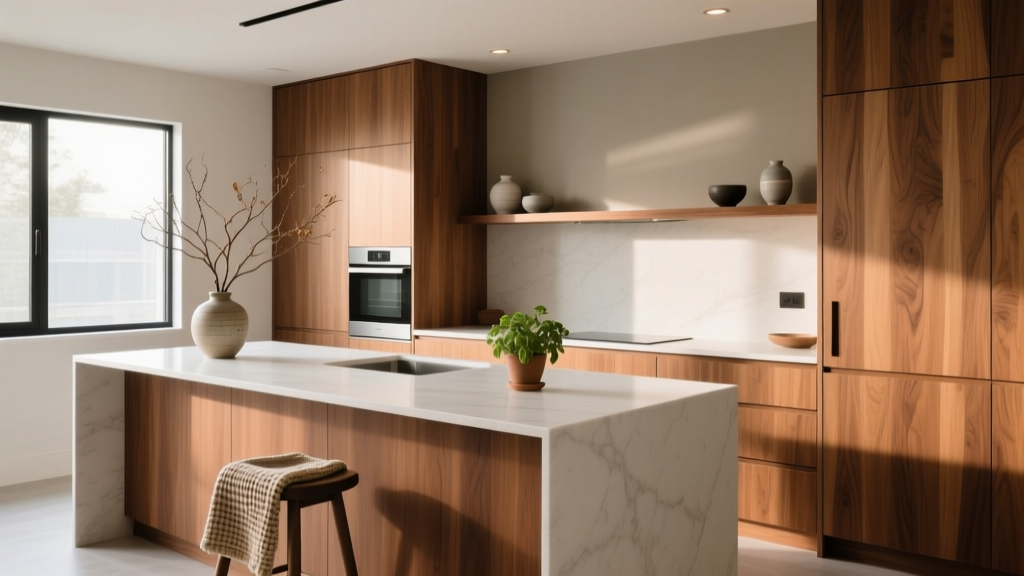
Kitchen Warm Wood Cabinet Comeback - The Decor Mag
For years, kitchen design swung hard toward bright white cabinetry, glossy finishes, and cool gray palettes. The look was clean, but many homeowners found it also felt a little sterile—especially in open-concept homes where the kitchen needs to blend with comfortable living spaces. That’s why warm wood cabinets are making a confident return: they bring depth, natural character, and a sense of calm that painted cabinets can’t always replicate.
This comeback isn’t a rewind to the orange oak kitchens of decades past. Today’s warm wood cabinet trend is more refined—think walnut, white oak, and ash in matte finishes, with subtle grain, clean lines, and modern hardware. Paired with the right countertops, lighting, and layout, warm wood cabinets can look contemporary, transitional, or timeless, while improving everyday functionality and resale appeal.
If you’re planning a kitchen renovation (or a strategic refresh), warm wood cabinetry offers a practical way to add long-lasting style without relying on fast-changing color trends. Below are design approaches, materials, cost ranges, and common pitfalls to help you get the look right.
Why Warm Wood Cabinets Are Back (and Why They Work)
Design trends driving the shift
- Warmer, earthier palettes: Creams, greige, beige, clay tones, and warm whites are replacing stark cool grays.
- Natural materials: Homeowners want authentic finishes—wood, stone, limewash, handmade tile—especially in high-use spaces like kitchens.
- Mixed-material kitchens: Two-tone cabinetry, wood islands, and wood base cabinets paired with painted uppers are popular in current kitchen design.
- Soft minimalism: Cleaner silhouettes with tactile surfaces—flat panels, thin shaker, reeded details, and matte finishes.
Timeless functionality benefits
- Wood is forgiving: Many wood finishes hide smudges and micro-scratches better than matte painted cabinets.
- Better visual balance: Warm wood can ground large kitchens and reduce “all-white glare” under bright lighting.
- Flexible styling: Wood pairs naturally with stainless, matte black, brass, and brushed nickel hardware.
Choosing the Right Wood Species and Finish
Best wood options for a warm, current look
The species you choose influences color, grain movement, durability, and cost. These are top choices for the warm wood cabinet comeback:
- White oak: Modern favorite. Strong grain, excellent durability, and a wide range of stains from light honey to medium caramel. Great for flat-panel and slim-shaker doors.
- Walnut: Rich and sophisticated with a naturally deep brown tone. Often used for statement islands or full cabinetry in high-end kitchens.
- Rift-sawn oak: A premium cut with straighter grain and a calmer, more tailored look than plain-sawn oak—ideal for contemporary kitchens.
- Ash: Light to medium tone with pronounced grain; can resemble oak but often slightly more budget-friendly depending on market.
- Maple (stained warm): Smooth grain; takes stain differently than oak (less grain definition). Good if you want a cleaner, less “striped” look.
Finish options: stain vs. paint vs. veneer
- Stained solid wood: Classic and repairable, with natural movement and grain variation. Costs more, but looks authentic.
- Wood veneer over plywood: Often the sweet spot for price and stability. A quality veneer cabinet can look nearly indistinguishable from solid wood on door fronts.
- Thermofoil “wood look”: Budget-friendly and easy to clean, but can look less natural and may be harder to repair if damaged.
Sheen and color guidance (what looks current)
- Choose matte or low-sheen finishes to avoid a dated glossy effect.
- Aim for warm neutrals: honey, wheat, caramel, chestnut, and mid-tone browns; avoid heavy red/orange stains unless that’s a deliberate style choice.
- Request large samples: A 12" x 12" sample is far more reliable than a tiny chip. View it under daytime and nighttime lighting.
Door Styles and Hardware That Modernize Warm Wood
Door styles to consider
- Flat-panel (slab): Crisp, modern, and a great canvas for striking grain.
- Thin shaker: Transitional and timeless; feels cleaner than traditional wide shaker frames.
- Reeded or fluted panels: Texture-forward trend that pairs beautifully with warm wood—best used selectively (island or pantry wall).
Hardware pairings that elevate wood cabinetry
- Brushed brass or champagne bronze: Adds warmth and an upscale feel, especially with walnut or medium oak stains.
- Matte black: High contrast and contemporary, great with lighter oak tones.
- Brushed nickel: Safe, timeless, and works with most appliances and faucets.
Practical sizing tip: For drawers, consider pulls in the 5"–8" range for a comfortable grip. For wide drawers (30"–36"), longer pulls (10"–12") look balanced and are easier to use.
Layout Ideas That Showcase Warm Wood Cabinets
1) Wood base cabinets + light uppers
This is one of the most renovation-friendly ways to adopt the trend: warm wood below grounds the kitchen, while light uppers keep the room airy.
- Best for smaller kitchens or spaces with limited natural light
- Pairs well with warm white paint (avoid icy bright whites)
2) All-wood cabinets with a strong focal point
All-wood kitchens can feel high-end and architectural when you control visual “noise.”
- Use consistent grain direction on large panels (ask your cabinet maker about grain matching)
- Limit competing patterns: if wood grain is bold, choose a simpler countertop
3) Statement wood island
Keeping perimeter cabinets painted while choosing a warm wood island adds depth without committing to all-wood.
- Great for open-concept spaces where the island reads like furniture
- Pairs well with waterfall countertops for a modern look (budget permitting)
Key spacing and measurement tips
- Walkways: Plan for 42" between counters for one cook; 48" is more comfortable for two cooks.
- Island seating: Allow 24" of width per seat, and 15"–18" overhang for counter-height stools (confirm with your countertop fabricator for support requirements).
- Upper cabinet height: Standard clearance is 18" between countertop and upper cabinets; adjust based on ceiling height and backsplash design.
Countertops, Backsplashes, and Floors That Complement Warm Wood
Countertop recommendations (with material comparisons)
- Quartz: Low maintenance, consistent patterning, and strong stain resistance. Works well with wood because it can be subtle or bold without the upkeep of natural stone.
- Quartzite: Natural stone with dramatic veining; typically more expensive than quartz and requires sealing. Stunning with walnut and oak.
- Granite: Durable and heat-resistant; pattern varies widely. Choose simpler patterns if your wood grain is prominent.
- Butcher block (selective use): Warm and cohesive with wood cabinets, but requires regular oiling and careful water management. Consider it for a prep zone rather than the sink run.
Style tip: With warm wood cabinets, many homeowners prefer countertops in warm whites, creamy off-whites, or soft beige. Cool, blue-based whites can make wood look yellower by comparison.
Backsplash ideas that feel current
- Handmade-look ceramic tile: Adds texture; choose warm white, bone, sand, or muted sage.
- Full-height slab backsplash: Sleek and easy to clean; a popular choice in modern kitchen renovations.
- Classic subway tile (updated): Use a warmer grout tone and consider a vertical stack or herringbone layout.
Flooring that plays well with warm wood cabinetry
- Wood floors: If matching wood cabinets to wood floors, keep undertones consistent and add contrast in depth (for example, lighter floors with medium cabinets).
- Porcelain tile: Highly durable and water-resistant; wood-look porcelain is a practical option for busy homes.
- Luxury vinyl plank (LVP): Budget-friendly and resilient; choose high-quality products with realistic texture and a warm undertone.
Budget and Cost Ranges: What to Expect
Kitchen cabinet cost varies dramatically based on construction, door style, finish, and whether you’re modifying the layout. Use these ranges as a planning baseline.
Cabinetry cost ranges (installed)
- Stock/semi-custom (thermofoil or basic wood options): $8,000–$20,000 for an average kitchen
- Semi-custom with quality wood/veneer options: $15,000–$35,000
- Custom cabinetry (premium wood species, custom sizing): $30,000–$70,000+
Finishing and add-on costs to plan for
- Soft-close hinges and drawer slides: often included in mid-range lines; if not, add $300–$1,200
- Pull-out trash/recycling: $250–$900 depending on cabinet size and hardware
- Drawer organizers: $150–$800 (more for custom wood inserts)
- Under-cabinet lighting: $300–$1,500 depending on electrical needs and fixture type
Where to spend vs. save
- Spend: drawer bases (you use them constantly), durable finishes, quality hinges/slides, and good lighting.
- Save: standard cabinet sizes when possible, simpler door styles, and using wood strategically (island or bases only).
Maintenance: Keeping Warm Wood Cabinets Looking Beautiful
- Daily cleaning: Use a damp microfiber cloth and a mild dish soap solution. Dry immediately to prevent water spotting at seams.
- Avoid harsh products: Skip abrasive pads, bleach cleaners, and heavy degreasers that can dull or strip finishes.
- Manage moisture: Install a good vent hood and use it. Wipe areas around the sink and dishwasher edges often.
- Protect high-touch zones: Consider pulls on doors and drawers (not just touch-latch) to reduce oil transfer from hands.
- Touch-ups: Ask your cabinet supplier for a matching touch-up kit. Small nicks can often be improved quickly if addressed early.
Common Mistakes to Avoid With Warm Wood Cabinets
- Choosing a stain from a tiny sample: Grain variation can change the whole look. Always test a larger sample in your lighting.
- Mixing clashing undertones: Warm wood + cool gray floors + icy white countertops can feel disjointed. Keep undertones aligned (warm with warm, neutral with neutral).
- Overloading the room with competing patterns: Wood grain + busy granite + heavily veined backsplash can look chaotic. Let one element lead.
- Ignoring lighting temperature: Very cool LEDs (5000K) can flatten wood warmth. Many kitchens look best with 2700K–3000K lighting for a welcoming tone.
- Skipping organization upgrades: New cabinets without smart storage is a missed opportunity. Prioritize drawer bases, pull-outs, and pantry functionality.
- Forgetting about wear zones: Areas near the sink, trash, and prep zones need the most durable finish and easiest-to-clean choices.
Smart Organization Upgrades That Pair Perfectly With New Cabinetry
Warm wood cabinets look their best when counters stay clear and storage is working hard. These upgrades improve daily flow and keep your renovation feeling polished.
- Deep drawers for dishes: Replace some lower-door cabinets with drawers. Plates and bowls are easier to access and stack.
- Vertical tray storage: A 9"–12" wide pull-out for sheet pans and cutting boards reduces clutter.
- Spice pull-out near the cooktop: A 6"–9" pull-out keeps spices visible and organized.
- Dedicated coffee or beverage zone: Concentrate mugs, pods/beans, and appliances to free up the main prep area.
- Pull-out trash: Aim for a location within one step of your primary prep area.
FAQ: Warm Wood Cabinets in Kitchen Design
Are warm wood cabinets going to look dated again?
Warm wood is a timeless material. What dates a kitchen is usually the combination of tone (overly orange/red), sheen (high gloss), and busy pairings. Choose a matte or low-sheen finish, a balanced stain, and modern proportions (thin shaker or slab) for long-term staying power.
What’s the easiest way to try the warm wood cabinet trend without a full renovation?
Consider a wood island (if you’re replacing cabinets) or add warm wood elements through open shelving, a wood hood surround, or upgraded wood accessories. If you’re keeping existing cabinets, improving lighting and swapping hardware can also warm up the overall look.
Do warm wood cabinets work with stainless steel appliances?
Yes. Stainless steel is a neutral that pairs well with wood. Tie it together with a cohesive faucet finish (brushed nickel or stainless) and consistent lighting finishes across pendants and cabinet hardware.
Which countertop colors look best with oak or walnut cabinets?
For oak: warm whites, creamy off-whites, soft beige, and light taupe are especially flattering. For walnut: warm whites and light neutrals create contrast, while medium-tone stone can feel moodier and more dramatic. Avoid icy whites if you want the wood to read rich rather than yellow.
How do I prevent wood cabinets from looking too dark?
Use layered lighting (recessed + under-cabinet + pendants), choose lighter countertops and backsplash, and consider glass or lighter-toned uppers if your kitchen has limited natural light. Also pay attention to stain depth—mid-tone walnut alternatives can provide warmth without heaviness.
What cabinet construction should I look for in a renovation?
Prioritize plywood boxes (often more moisture-resistant than particleboard), solid wood or high-quality veneer door fronts, soft-close hardware, and durable finishes. Ask about warranty coverage for finish wear and hinge performance.
Next Steps: Plan Your Warm Wood Kitchen With Confidence
Start by collecting 3–5 inspiration images that match your home’s architecture (modern, transitional, traditional). Then choose your “lead” material—cabinet wood tone, countertop, or floor—and build the rest around it with coordinated undertones. Order larger cabinet samples, test them in your kitchen lighting, and confirm key measurements like aisle clearance (42"–48") and seating spacing (24" per stool) before finalizing your layout.
If you’re working with a contractor or kitchen designer, ask for a simple materials board: cabinet sample, countertop sample, backsplash tile, flooring, and hardware finish. Seeing them together prevents expensive mismatches and helps your warm wood cabinets feel intentional and cohesive.
For more kitchen renovation ideas, smart organization upgrades, and current kitchen design trends, explore the latest inspiration at thedecormag.com.
More Articles
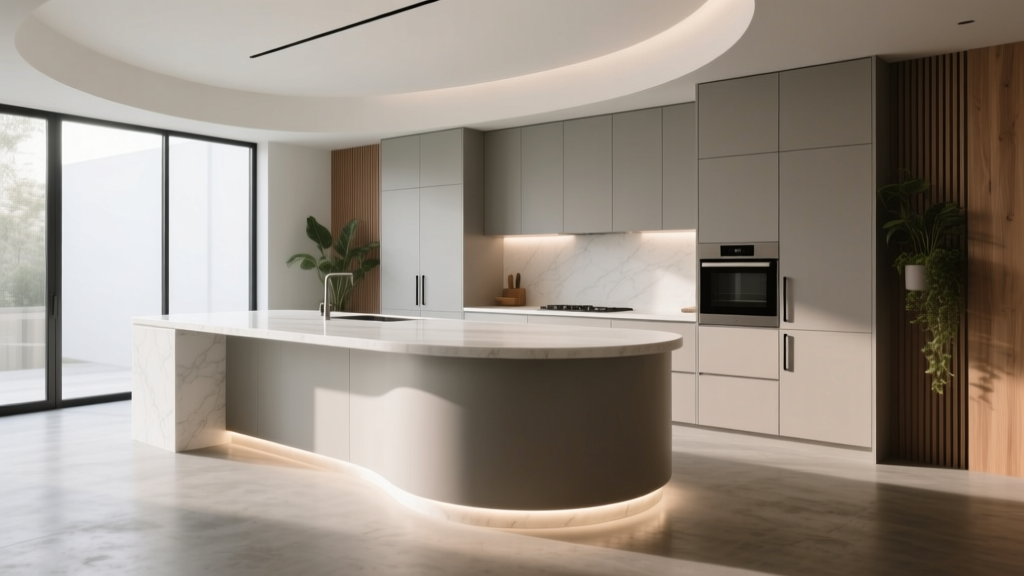 Kitchen Curved Island Design Trends - The Decor Mag
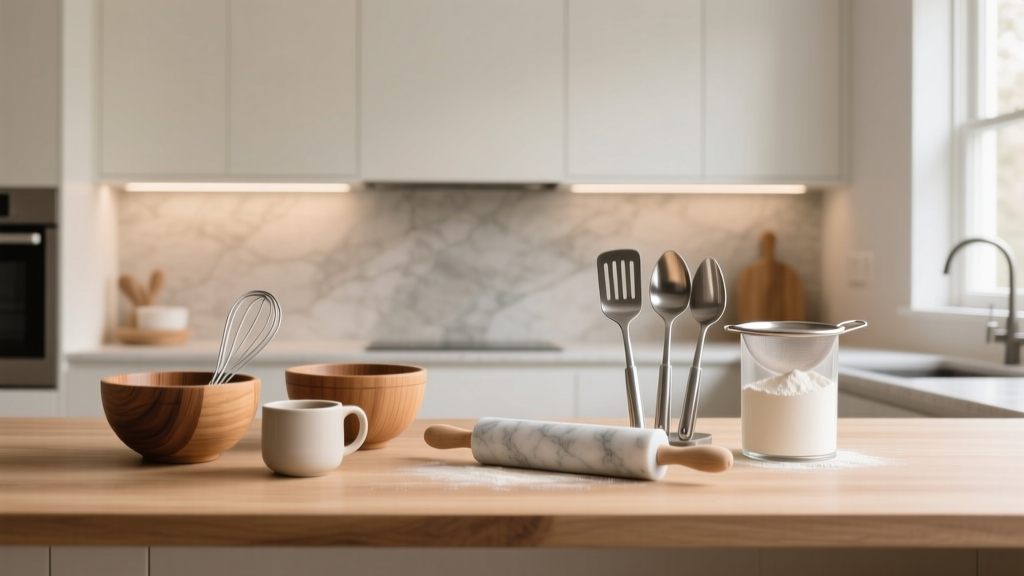 Baking Station Ideas for Kitchens (2026)
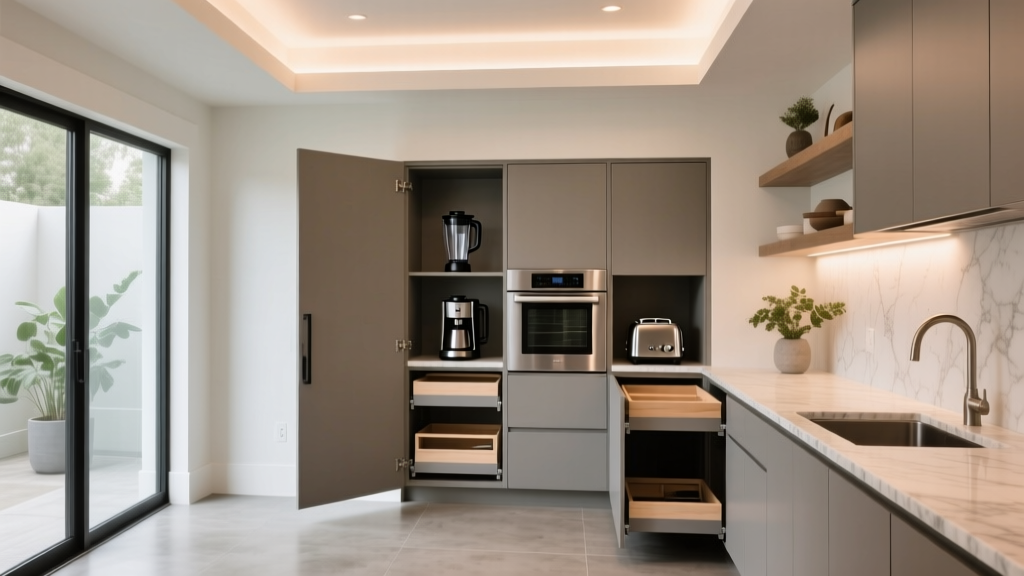 Best Kitchen Appliance Garage Ideas - The Decor Mag
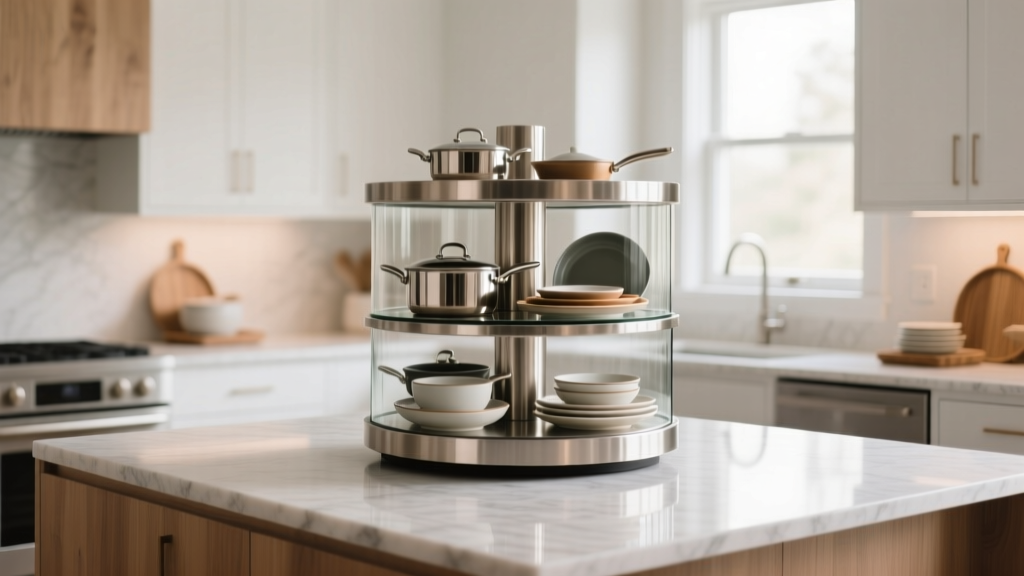 Best Kitchen Lazy Susan Options - The Decor Mag
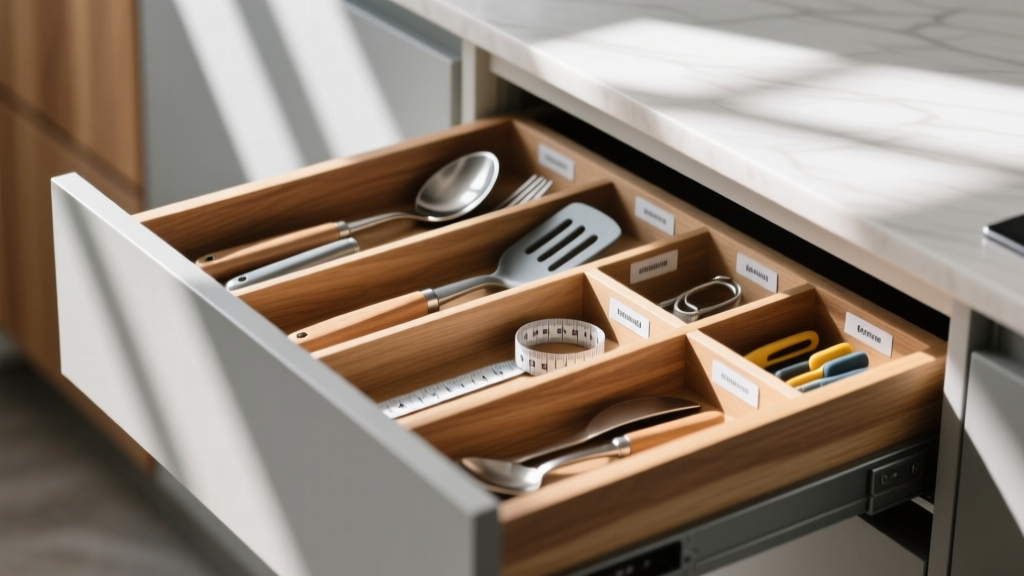 Kitchen Drawer Organization That Lasts (2026)
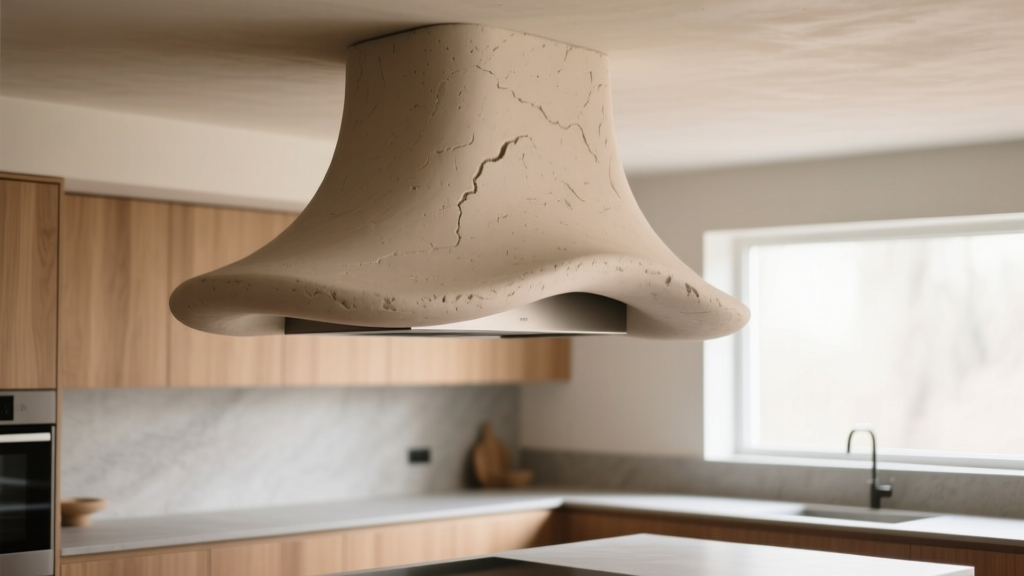 Kitchen Plaster Range Hood Organic Look - The Decor Mag
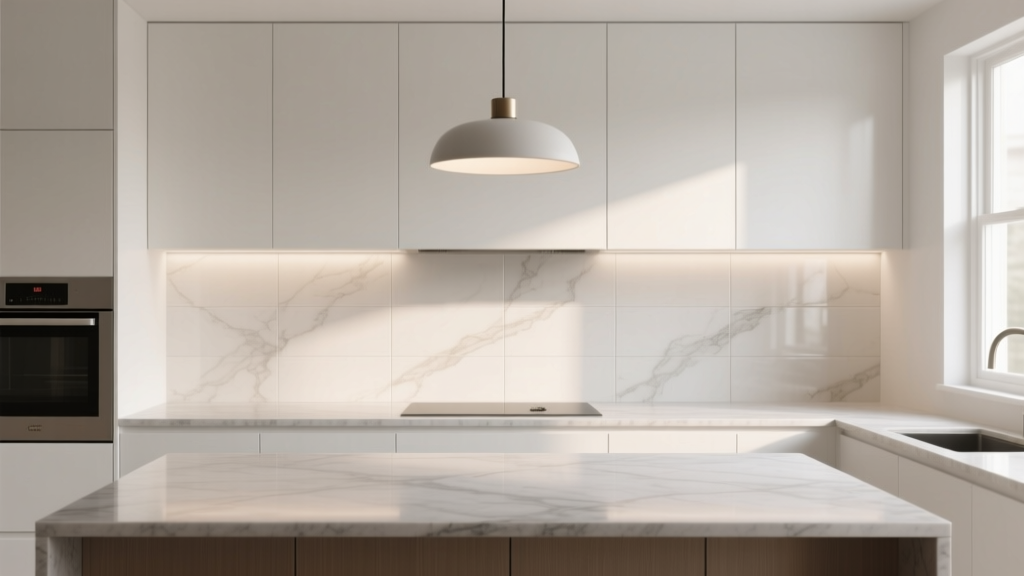 How to Choose the Perfect Kitchen Countertop - The Decor Mag
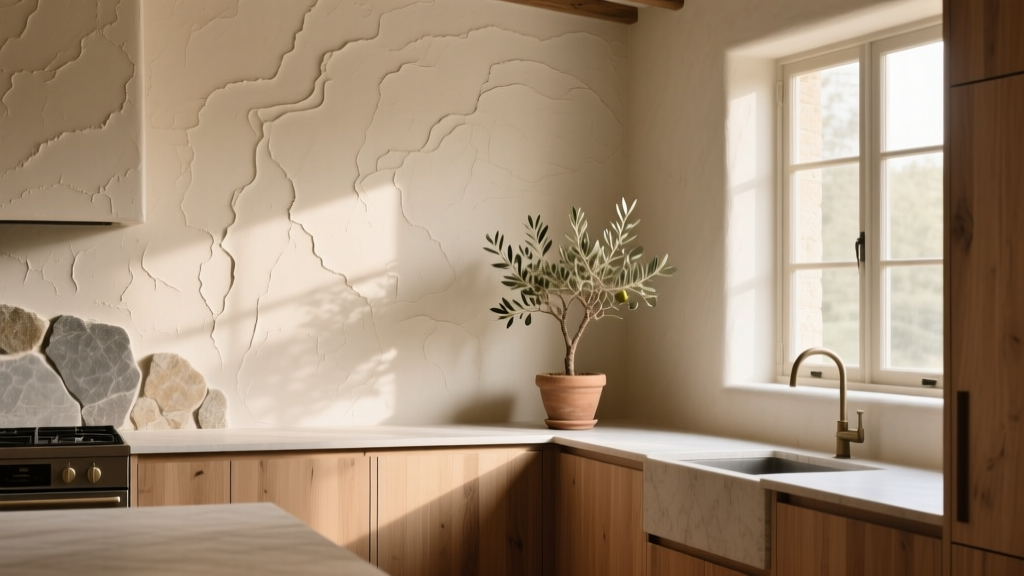 Kitchen Plaster Walls Organic Feel - The Decor Mag
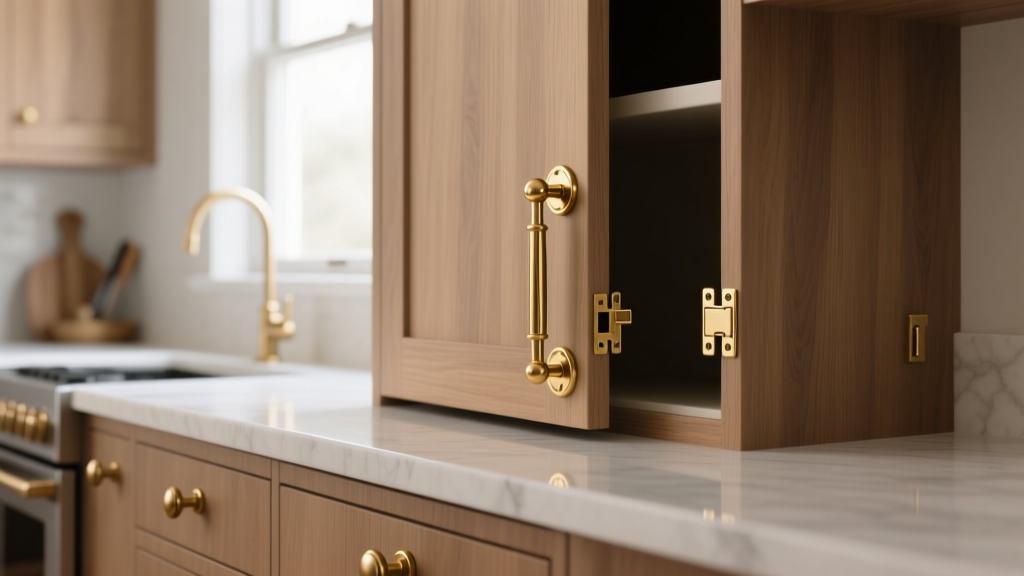 Kitchen Brass Hardware Renaissance - The Decor Mag
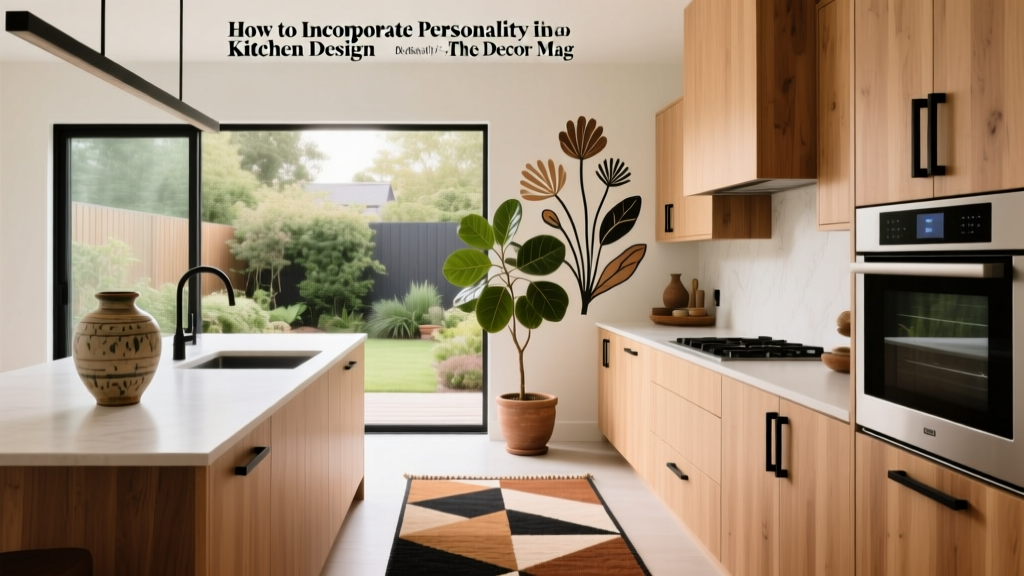 Personality in Kitchen Design: Ideas for 2026