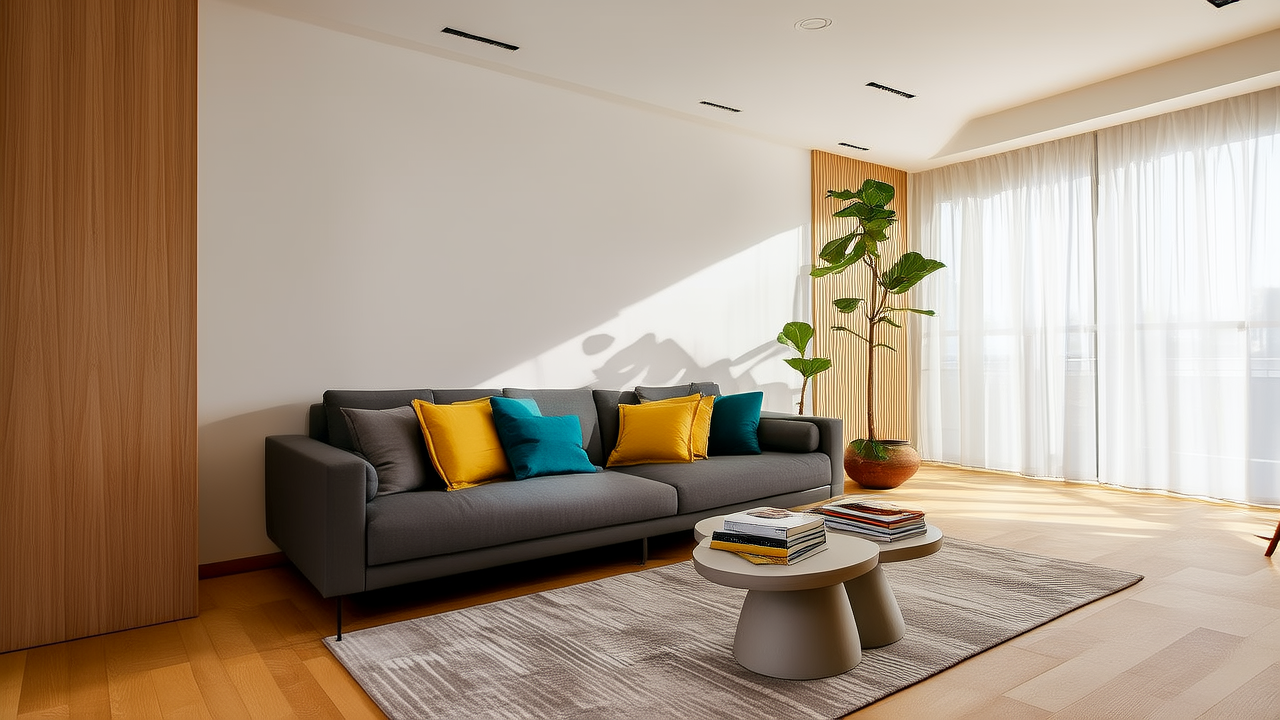
Garden Path Ideas: Materials and Layout Tips
A Path Defines the Garden Experience
The path is how people move through and experience your garden. A well-designed path invites exploration, directs views, and connects functional areas (house to garage, patio to garden shed). Material choice affects maintenance, drainage, and the overall feel of the space.
Gravel: Budget-Friendly and Permeable
Crushed gravel (3/8" minus or 3/4" crushed rock) is the most affordable and fastest-to-install path material. It drains naturally, suppressing puddles and erosion.
Installation Essentials
- Excavate 4–6 inches deep, compact the subsoil
- Install landscape fabric to prevent weed growth
- Add edging (metal, plastic, or stone) to contain gravel — without edging, gravel migrates into beds
- Fill with 3–4 inches of gravel, compact in layers
- Cost: $1–3 per square foot
- Maintenance: Rake annually, top up every 2–3 years
- Best for: Informal gardens, side yards, utility paths
Flagstone: Natural Beauty, Permanent Installation
Flagstone (natural sandstone, limestone, or slate) creates elegant, irregular paths that complement both formal and naturalistic gardens.
- Set on a compacted gravel base with sand leveling bed
- Fill joints with polymeric sand (locks in place) or creeping ground cover (thyme, sedum)
- Minimum 1.5 inches thick for foot traffic
- Cost: $8–20 per square foot installed
- Maintenance: Minimal — occasional re-sanding of joints
- Best for: Front walkways, patio connections, formal gardens
Brick: Classic and Predictable
Clay brick pavers offer a timeless look and uniform surface. They work in herringbone, running bond, or basket-weave patterns.
- Install on compacted gravel base + sand bedding
- Use paver-rated bricks (not building bricks — they crack under foot traffic)
- Seal with penetrating sealer to prevent moss and staining
- Cost: $5–12 per square foot
- Best for: Traditional gardens, cottage-style landscapes, colonial architecture homes
Decomposed Granite: The Modern Standard
Decomposed granite (DG) compacts to a firm, natural-looking surface that's popular in contemporary and drought-tolerant landscapes.
- Install with stabilizer additive for firm, non-muddy surface
- Requires metal edging to maintain clean lines
- Not ideal for high-traffic areas — loosens over time
- Cost: $2–5 per square foot
- Best for: Modern gardens, xeriscapes, Mediterranean landscapes
Layout Rules That Work
Width
- Main paths (front walk, primary route): 4–5 feet wide — two people walking side by side
- Secondary paths (garden exploration): 2.5–3 feet — single file, comfortable
- Utility paths (to shed, compost): 2 feet minimum
Curves vs. Straight Lines
- Straight paths suit formal gardens and direct traffic efficiently
- Gentle curves (no tighter than 8-foot radius) create exploration and mystery
- Avoid sharp turns — people cut corners, creating worn patches in adjacent lawn
Drainage: Don't Forget the Slope
Every path needs a 1–2% slope (1/8" per foot) away from structures to prevent water from pooling or flowing toward foundations.
- For permeable materials (gravel, DG): natural drainage through the surface
- For impermeable materials (brick, flagstone with solid joints): cross-slope to one side, direct water to a drain or garden bed
Choose your path material based on how you use the garden, not just how it looks in photos. A gravel path that gets muddy in rain is worse than a simpler brick path that works year-round.
More Articles
 How to Create a Square Foot Garden - The Decor Mag
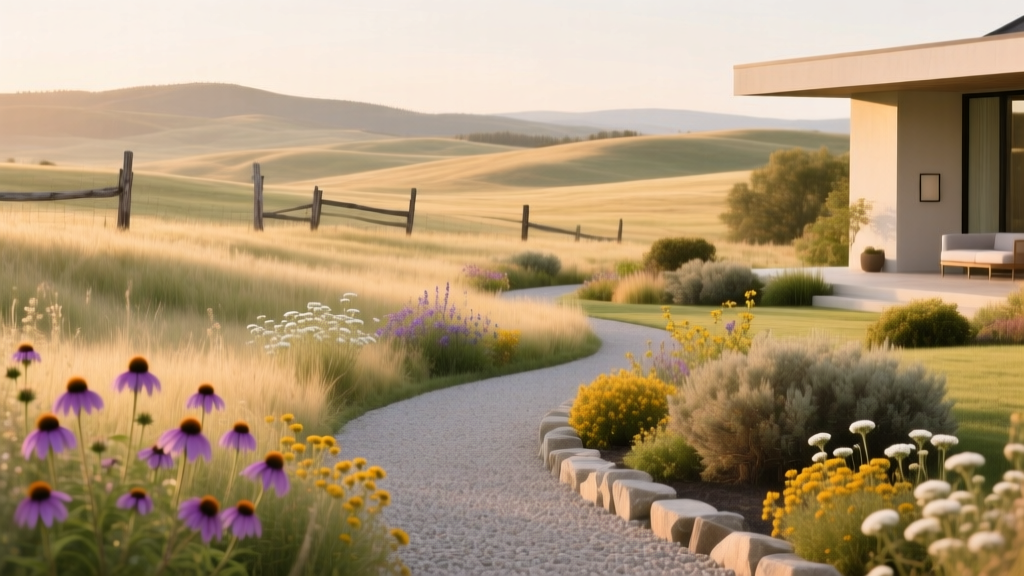 How to Design a Prairie Garden - The Decor Mag
 Indoor-Outdoor Living Room Design Essentials
 Best Outdoor Dining Table Materials - The Decor Mag
 How to Design a Permaculture Garden - The Decor Mag
 Outdoor Brand Styleguide Essentials 2026
 How to Design a Shade Tolerant Border - The Decor Mag
 How to Create a Rock Garden - The Decor Mag
 Outdoor Bar Counter Height Guidelines - The Decor Mag
 Best Outdoor Dining Chair Cushions - The Decor Mag